Choosing an Olive Leaf Extract supplier requires more than comparing prices or reading polished product pages. Quality begins in the grove. Leaves should be identified, harvested responsibly, and protected from moisture, heat, and contamination. Extraction methods also matter. Water, ethanol, and blended processes can produce different oleuropein levels and sensory profiles.
Dr. Dimitrios Boskou, a respected olive biochemist, has stated, “Oleuropein is the most important phenolic compound in olive leaves.” This point deserves context. A high oleuropein percentage does not automatically prove superior quality. Testing, stability, traceability, and transparent labeling matter equally. Small details reveal a supplier’s discipline.
This guide examines 10 Best Olive Leaf Extract Suppliers Worldwide through a practical, evidence-focused lens. It considers raw-material sourcing, extraction technology, independent laboratory testing, certificates of analysis, manufacturing standards, and customer support. Suppliers serving supplements, cosmetics, and food applications may follow different specifications. That difference can affect comparison results.
Look beyond marketing language. Ask for recent test reports. Check whether the report identifies batch numbers, active compounds, contaminants, and testing methods. Certifications can support credibility, but they should not replace verification. Some supplier information may be incomplete. That is worth acknowledging.
The selected companies represent useful options, not automatic recommendations. Product suitability depends on formulation goals, regional requirements, and intended use. Readers should confirm current documentation directly with each supplier. Careful evaluation protects quality, consistency, and consumer trust.
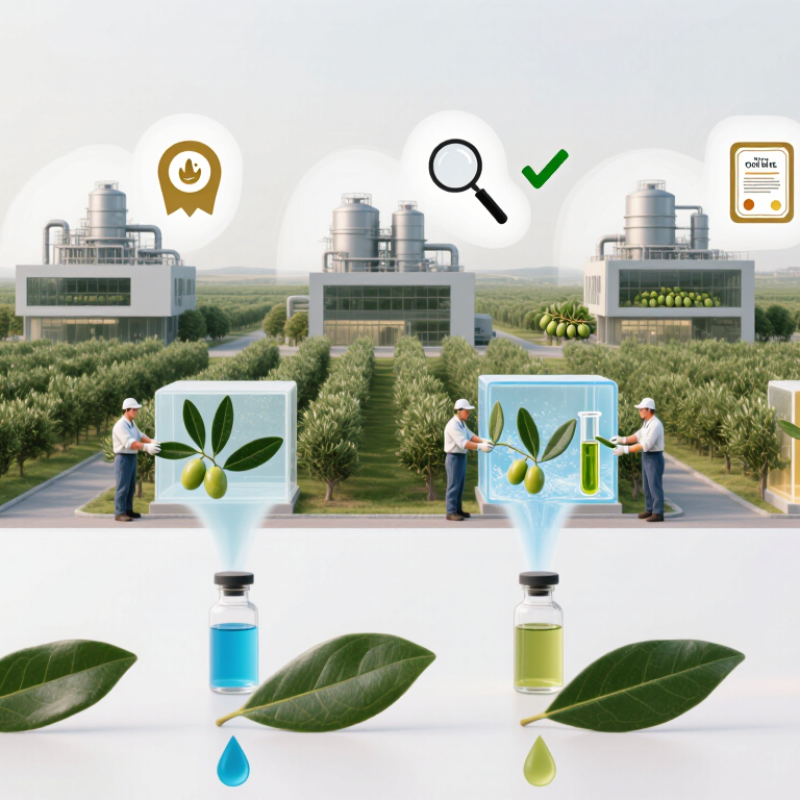
Global olive leaf extract supply now spans Mediterranean farms, Asian processing hubs, North American ingredient distributors, and specialized European manufacturers. The market serves supplements, functional foods, beverages, cosmetics, and research applications. Demand is shaped by interest in plant-based ingredients, traceable sourcing, and standardized polyphenol content.
The ten leading supplier profiles usually differ by strength, not popularity alone. Some control harvesting and drying near olive orchards. Others specialize in water extraction, spray drying, or custom powder blending. A reliable supplier should provide botanical identity testing, batch-specific certificates, pesticide screening, heavy-metal analysis, and microbiological results. Clear records should connect each batch to its harvest region and processing date. Ask about oleuropein standardization, because extraction yield alone can be misleading. A darker powder is not automatically a better powder.
From practical purchasing experience, small trial orders reveal more than polished catalogs. Check dispersibility in water, odor, packaging seals, and consistency across two batches. Confirm minimum order quantities, lead times, storage conditions, and export documentation before signing. Regional suppliers may offer fresher material, while larger distributors often provide steadier inventory. Neither model is perfect. I would request retention samples and independent testing for higher-risk applications. Supplier rankings also need caution; public listings may reward visibility rather than technical performance. A thoughtful review should compare ten candidates across traceability, testing depth, production capacity, communication, and corrective-action history. The cheapest quotation can become expensive when specifications drift.
| Market Position | Anonymous Supplier Profile | Primary Supply Region | Typical Extract Format | Common Oleuropein Specification | Typical Raw Material | Extraction & Processing Focus | Quality & Compliance Indicators | Commercial Strength | Best-Fit Buyer |
|---|---|---|---|---|---|---|---|---|---|
| 01 | Mediterranean Botanical Extract Supplier | Spain, Italy, Greece and Portugal | Spray-dried powderLiquid extract | 10–40% oleuropein | Olive leaves from cultivated Olea europaea orchards | Water or hydroalcoholic extraction; concentration and spray drying | Batch traceability, microbiological testing, heavy-metal testing, pesticide screening | Strong access to large Mediterranean feedstock and established export logistics | Food, beverage and dietary-supplement manufacturers |
| 02 | High-Potency Standardized Extract Supplier | Southern Europe and North Africa | Fine powderGranulated powder | 40–80% oleuropein | Dried olive leaves selected for high phenolic content | Controlled aqueous extraction, membrane concentration and standardized blending | Identity testing, HPLC or equivalent chromatographic assay, stability data | Suitable for products requiring a defined active-marker level | Capsule, tablet and functional-food producers |
| 03 | Organic-Certified Botanical Supplier | Organic olive-growing areas in the European Union | Organic powderOrganic liquid | Typically 10–20% oleuropein | Certified-organic olive leaves, subject to certification scope | Low-residue processing with segregated organic handling | Valid organic certification, allergen statement, GMO statement, pesticide controls | Premium positioning and documentation for clean-label products | Organic supplement and natural-food brands |
| 04 | Pharmaceutical-Grade Botanical Ingredient Supplier | European and Mediterranean production hubs | Standardized powderConcentrated liquid | 20–40% oleuropein | Controlled and documented olive-leaf lots | Validated extraction, controlled drying and formal change-control procedures | GMP-oriented production, certificate of analysis, method validation and stability support | High documentation depth and repeatability between batches | Pharmaceutical, clinical-nutrition and regulated-health-product buyers |
| 05 | Private-Label Supplement Ingredient Supplier | Europe, North America and Asia-Pacific distribution markets | PowderCapsule-ready blend | 10–30% oleuropein | Commercial-grade dried olive leaf extract | Standardized blending, encapsulation support and finished-product formulation | Food-safety system, allergen controls, packaging specifications and lot release testing | Flexible minimum order quantities and product-development support | Emerging supplement companies and private-label retailers |
| 06 | Bulk Botanical Ingredient Distributor | Global distribution with European and Asian sourcing | Bulk powderDrum-packed extract | 5–20% oleuropein | Extract purchased from qualified regional processors | Blending, repacking and supply-chain consolidation | Supplier qualification, incoming-goods testing and batch documentation | Broad logistics coverage and access to multiple pack sizes | Contract manufacturers and high-volume ingredient buyers |
| 07 | Sustainable Circular-Biomass Supplier | Olive-producing regions in Spain, Italy, Greece and Tunisia | PowderAqueous liquid | 10–25% oleuropein | Leaves collected during orchard pruning or agricultural operations | Resource-efficient aqueous extraction and biomass valorization | Traceable sourcing, environmental controls and contaminant testing | Strong sustainability narrative and potential use of agricultural by-products | Eco-conscious food, beverage and cosmetic manufacturers |
| 08 | Cosmetic and Personal-Care Extract Supplier | Mediterranean Europe and regional botanical-processing centers | Water-soluble liquidGlycerin extract | Marker level disclosed by batch | Olive leaves selected for polyphenol-rich cosmetic extracts | Water, glycerin or hydroalcoholic extraction for topical formulations | INCI documentation, preservative information, safety data and stability support | Formulation assistance for creams, serums, cleansers and hair-care products | Cosmetic formulators and personal-care manufacturers |
| 09 | Functional Beverage Extract Supplier | Southern Europe, Australia and selected Asian markets | Water-soluble liquidInstant powder | 5–15% oleuropein | Food-grade olive leaves processed for beverage applications | Clarification, deodorization, concentration and solubility optimization | Food-grade specifications, sensory testing, microbial limits and shelf-life data | Designed for dispersibility and manageable taste in finished beverages | Tea, shot, powder-drink and functional-beverage producers |
| 10 | Research-Driven Polyphenol Extract Supplier | Europe, Israel and international botanical research centers | High-purity fractionAnalytical-grade sample | 40%+ oleuropein or purified fractions | Selected olive-leaf lots with detailed phenolic profiling | Fractionation, chromatographic purification and advanced analytical characterization | HPLC/UPLC profiling, reference standards, technical dossiers and research samples | High technical support for product development and bioactive research | R&D laboratories, clinical researchers and advanced formulation teams |
Check the growing region, harvest timing, botanical identity, and extraction method. Traceability matters. Ask for batch records, pesticide tests, microbiological results, and independent laboratory certificates.
Water extraction suits clean-label formulas but may produce lower oleuropein levels. Ethanol-water extraction often improves polyphenol recovery and consistency. Filtration, concentration, and spray drying can change color, taste, and stability.
Commercial extracts commonly contain 10% to 40% oleuropein. Higher concentration is not automatically better. A 40% extract may taste too strong in a mild capsule or beverage.
Request lot-specific HPLC results. The report should identify the marker compound, reference standard, testing method, and laboratory. Vague “standardized” wording is insufficient.
Check the lot number, production date, HPLC chromatogram, testing limits, and laboratory details. It should also report heavy metals, pesticides, microbiology, and residual solvents. Perfect-looking results deserve questions.
GMP supports documented procedures, hygiene controls, validated processes, and traceability. A certificate alone proves little. Ask for batch records or a clear audit pathway.
Pilot orders may range from 25 to 100 kilograms. Production contracts often begin around 250 kilograms. Stocked powders may need four to eight weeks, while customized batches can require eight to sixteen weeks.
Request monthly output, equipment details, recent batch records, packaging information, and available production slots. Confirm shipping terms, retest policies, and freight costs in writing. A low minimum order may hide higher testing expenses.
Samples reveal taste, color, solubility, and finished-product performance. A strong laboratory result may still fail formulation trials. Less may be more.
This guide examines the global Olive Leaf Extract supply landscape and introduces ten leading supplier profiles without focusing on specific brands. It compares raw material origins, extraction technologies, and oleuropein concentrations ranging from 10% to 40%, helping buyers understand how processing choices affect purity, consistency, and application suitability. The overview also highlights essential quality indicators, including HPLC testing, GMP compliance, and transparent Certificates of Analysis (COA).
For commercial purchasing, the guide evaluates minimum order quantities, production capacity, certifications, customization options, and typical lead times. It also provides a practical selection framework for buyers in the food, cosmetic, and dietary supplement sectors. By matching supplier capabilities with product specifications, regulatory expectations, and quality objectives, businesses can make more informed sourcing decisions and establish a reliable supply of Olive Leaf Extract for different formulations and markets.

 Andy Biotech