How to Source High Quality Konjac Gum for Your Business?

Time:2026-07-24 Author:Aria
0%

Sourcing high-quality Konjac Gum is crucial for businesses in various sectors, including food and cosmetics. According to the latest market report by Research and Markets, the global Konjac Gum market is projected to reach USD 310 million by 2027, reflecting a growing demand. Industry experts emphasize the importance of quality. Dr. Emily Chen, a renowned food scientist, stated, "The integrity of Konjac Gum significantly impacts product performance and consumer satisfaction."

Quality sourcing involves understanding the origin and processing methods of the gum. It’s not just about price; it's about finding suppliers who adhere to stringent quality standards. Some manufacturers may offer low-cost alternatives, but these often compromise on quality. Learning about harvesting methods can also enhance quality assessments.

Reflecting on the sourcing journey, one must consider that not all suppliers are the same. Transparency in production practices is vital. Businesses can benefit from engaging directly with producers. This approach can lead to better relationships and higher quality products. Ensuring that the right sourcing practices are in place is essential for long-term success with Konjac Gum.
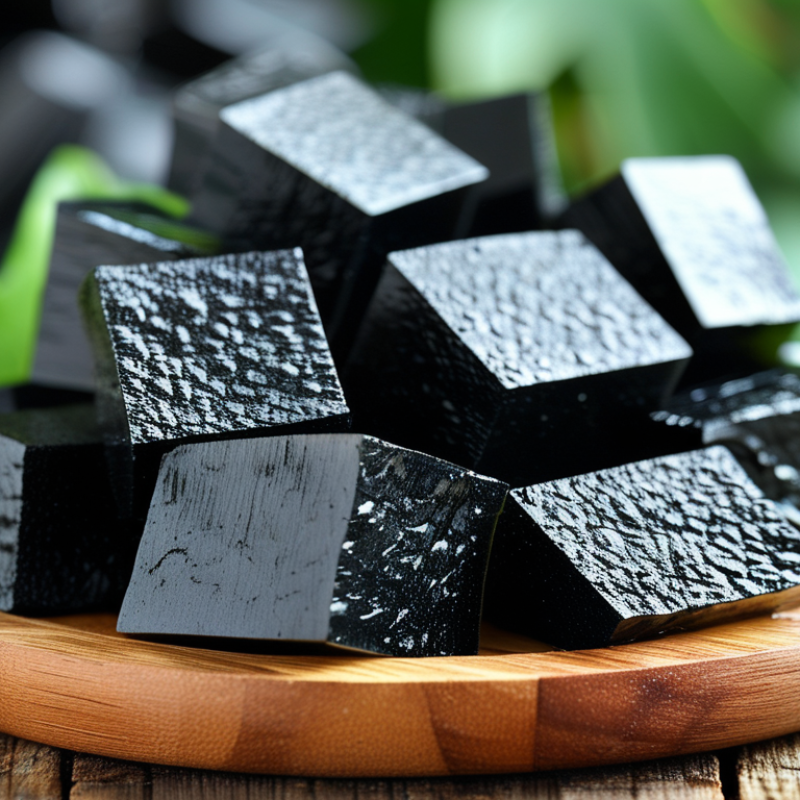
How to Source High Quality Konjac Gum for Your Business?

Understanding Konjac Gum: Characteristics and Applications

Konjac gum, derived from the konjac plant, has a high demand in various industries. This natural thickener is celebrated for its unique gelation properties. According to a study by the Global Konjac Gum Market Report, the market is projected to reach approximately $400 million by 2024. Its versatility extends across food and cosmetic applications, making it a valuable ingredient for businesses.

The thickening and gelling capabilities of konjac gum make it ideal for products like sauces, soups, and desserts. It is also used in dietary supplements for its role as a dietary fiber. However, sourcing high-quality konjac gum requires careful consideration. Not all grades of konjac gum are created equal. The production methods and geographical sources can greatly affect its quality and performance.

Moreover, the regulatory landscape around food additives is tightening. Companies must ensure their suppliers comply with safety standards. Quality assurance processes are essential for verifying the integrity of konjac gum. Industry professionals often overlook this aspect, leading to inconsistent product quality. Ensuring traceability and quality can mitigate these risks and bolster consumer trust.

Identifying Reliable Suppliers for Quality Konjac Gum

Finding reliable suppliers for high-quality Konjac gum can be challenging. A systematic approach is necessary. Start by researching industry standards. Look for certifications that indicate quality control. This can include ISO certifications. Companies that follow strict manufacturing processes are generally more dependable.

Attend trade shows and industry conferences when possible. These events provide opportunities to meet suppliers directly. You can assess their capabilities in person. Ask detailed questions about their sourcing and production methods. A trustworthy supplier will be transparent about their practices.

Networking within the industry may reveal hidden gems. Reach out to peers for recommendations. They may have valuable insights on suppliers to trust or avoid. Also, consider small or emerging suppliers. They might offer innovative options but may lack established reputations.

Test their products in small batches first. It’s essential to balance quality with risk. This approach can foster long-term partnerships, leading to better supply stability.

Evaluating the Quality of Konjac Gum: Key Factors to Consider

When sourcing high-quality konjac gum, several factors are crucial for evaluation. These include the source of konjac, processing methods, and purity levels. Research indicates that konjac products derived from well-established suppliers tend to exhibit superior quality. Studies show that natural cultivation methods enhance the gum's polysaccharide content. A typical konjac gum should contain over 85% glucomannan for optimal effectiveness.

Processing standards also play a vital role. Products processed using advanced techniques retain more nutrients and have fewer impurities. Research highlights that adequately processed konjac gum has a lower microbial load. Quality testing should involve checking for contaminants like heavy metals and residual solvents. According to industry reports, 30% of lower-grade konjac products failed purity tests. This highlights the importance of rigorous supplier verification.

Understanding these quality factors can help in making informed decisions. Attention to every detail can prevent potential issues in product performance. Engaging with suppliers who can provide transparency about their methods is essential. This may require deeper inquiries into their production processes, certifications, and sourcing. Avoiding shortcuts in these areas can significantly impact the quality of the final product.

Sourcing Strategies for Procurement of High-Quality Konjac Gum

Sourcing high-quality konjac gum requires a strategic approach. According to recent market reports, the global konjac gum market is projected to reach USD 484 million by 2025. This indicates a growing demand, which drives the necessity for careful selection of suppliers.

Companies should evaluate potential suppliers based on their production methods and raw material sources. Look for suppliers that emphasize sustainable farming practices. The texture and purity of konjac gum can vary significantly based on these factors. According to the Food and Agriculture Organization, high-quality konjac is characterized by a high-glucomannan content, typically above 85%.

**Tips:** Regularly request samples to assess quality. Engage suppliers in discussions about their quality control measures. Building relationships can lead to better price negotiations and priority access during peak seasons.

Recent data indicates that innovation in konjac product applications is on the rise in the food sector. However, not all suppliers keep pace with these changes. Companies must be vigilant and monitor industry trends to remain competitive. This involves asking suppliers about their research and development capabilities, ensuring you choose a partner committed to quality and innovation.

How to Source High Quality Konjac Gum for Your Business? - Sourcing Strategies for Procurement of High-Quality Konjac Gum

Supplier Region Production Method Quality Certifications Average Price (USD/kg) Lead Time (Days)
Asia Organic Extraction ISO 9001, HACCP 30 15
North America Mechanical Processing GMP, Kosher 50 30
Europe Enzyme Treatment Non-GMO, Fair Trade 45 20
Southeast Asia Fermentation ISO 22000, USDA Organic 25 10

Regulatory Compliance and Certification for Konjac Gum Suppliers

When sourcing high-quality konjac gum, understanding regulatory compliance is crucial. Suppliers must adhere to local and international food safety standards. This ensures that the product is safe for consumption and meets market requirements. Certification from recognized bodies can enhance credibility. It proves that the supplier follows good manufacturing practices.

Examining certification is not always straightforward. Many suppliers claim compliance, but not all are reliable. Requesting documentation is essential. Trustworthy suppliers should provide certificates of analysis and quality assurance documents. These documents demonstrate their commitment to safety and quality standards.

Engaging with suppliers can reveal their practices. Ask about their sourcing methods and testing procedures. Uncertainties may arise regarding their supply chains. It’s important to seek clarity. Getting feedback from other businesses can also guide decisions. Sharing experiences within the industry can help identify trustworthy sources.

FAQS

: What is konjac gum and why is it popular?

: Konjac gum is a natural thickener known for its gelation properties. It's widely used in food and cosmetics.

How can I find reliable suppliers for konjac gum?

Research industry standards and look for certifications. Attend trade shows for direct engagement with suppliers.

Why is sourcing high-quality konjac gum important?

Quality affects performance in products. Poor quality can lead to inconsistent results and customer dissatisfaction.

What certifications should I look for in suppliers?

Look for ISO certifications and other quality assurance documents. They indicate adherence to manufacturing standards.

How can I ensure the suppliers comply with regulations?

Request documentation that proves their compliance. Trustworthy suppliers should easily provide certificates of analysis.

What challenges might arise when sourcing konjac gum?

Not all suppliers are reliable. Some may overstate their compliance. Careful vetting is necessary.

Is it advisable to test products from new suppliers?

Yes, testing small batches can mitigate risks. This helps assess quality before committing to larger orders.

How can networking help in supplier selection?

Networking can reveal trusted suppliers through peer recommendations. Experiences shared can highlight reliable sources.

What role does quality assurance play in sourcing?

It ensures product integrity and builds consumer trust. Without it, businesses risk delivering subpar products.

Can emerging suppliers be a good option?

They may offer innovative products but often lack established reputations. Testing is crucial to evaluate their quality.

Conclusion

When sourcing high-quality Konjac Gum for your business, it is crucial to understand its characteristics and diverse applications. This unique substance, derived from the konjac plant, is known for its thickening and gelling properties, making it valuable in various industries, including food and cosmetics. Identifying reliable suppliers is essential, as they should meet specific quality standards and provide transparency in their sourcing practices.

Evaluating the quality of Konjac Gum involves considering key factors such as purity, texture, and moisture levels. Sourcing strategies may include building strong relationships with suppliers, leveraging industry networks, and performing thorough inspections. Additionally, ensuring regulatory compliance and obtaining necessary certifications from suppliers can help confirm the quality and safety of the Konjac Gum. By following these guidelines, businesses can effectively procure high-quality Konjac Gum to meet their specific needs.

Aria

Aria

Aria is a dedicated marketing professional with a deep passion for innovative strategies and a keen understanding of our company's product offerings. With a wealth of experience in the industry, Aria excels at crafting engaging content that highlights the unique features and benefits of our......