Sourcing Rosmarinic Acid can be crucial for various businesses, from cosmetics to nutraceuticals. This potent compound, derived from rosemary, possesses impressive antioxidant and anti-inflammatory properties. As consumer awareness grows, so does the demand for natural ingredients like Rosmarinic Acid.
Understanding where to procure high-quality Rosmarinic Acid is vital. Engaging with reliable suppliers is essential. Quality control and sourcing practices can significantly impact product effectiveness. Researching suppliers thoroughly can help ensure that the Rosmarinic Acid you obtain meets industry standards.
While sourcing, consider factors such as purity and extraction methods. Engaging with laboratories that specialize in herbal extracts can provide valuable insights. However, navigating the sourcing process can be challenging. Each step requires careful thought and consideration. Balancing cost with quality often leads to difficult decisions. Reflecting on these aspects is key to making informed choices.
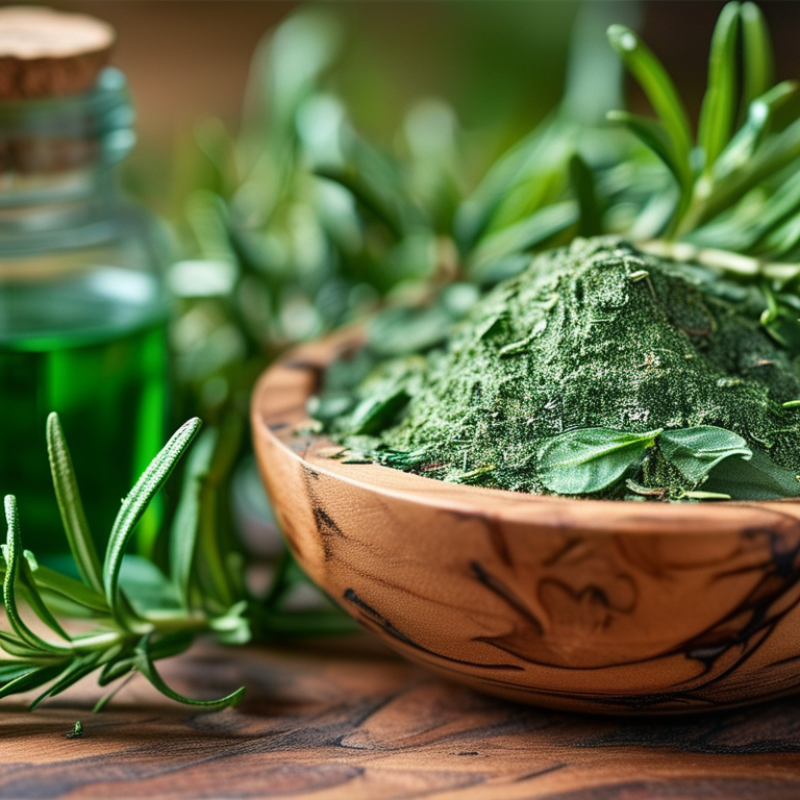
Rosmarinic acid is a polyphenolic compound found in herbs like rosemary. It possesses strong antioxidant properties. It can neutralize free radicals, which are harmful to cells. A study published in the Journal of Agricultural and Food Chemistry reported that rosmarinic acid exhibits greater antioxidant activity than many vitamins. This makes it a valuable ingredient in health supplements.
The health benefits of rosmarinic acid extend beyond antioxidants. Research indicates its anti-inflammatory effects, relevant for managing conditions like arthritis. In a clinical trial, participants taking rosmarinic acid experienced marked reductions in inflammation markers. Furthermore, its neuroprotective properties show promise for cognitive health. A 2022 report in the Frontiers in Pharmacology highlighted its potential in preventing neurodegenerative diseases.
However, sourcing rosmarinic acid can be challenging. The quality can vary significantly between suppliers. Conducting thorough research is essential. Ensuring the purity and concentration is vital for efficacy. Considering local regulations and standards is important as well. Establishing reliable partnerships in the supply chain can help maintain quality.
The global market for rosmarinic acid is witnessing significant growth. This natural compound, primarily extracted from herbs like rosemary and mint, carries numerous health benefits. Its demand spans various industries, including cosmetics, food, and pharmaceuticals. In recent years, an increase in consumer interest in natural products has driven this trend.
Supply chains for rosmarinic acid face challenges. While sourcing from reliable suppliers is crucial, quality assurance often poses a problem. Manufacturers struggle with inconsistent purity levels and extraction methods. The increasing demand sometimes leads to a rush, resulting in subpar products. Businesses must perform thorough research to find dependable sources.
Data shows that regions like Europe and North America are leading in rosmarinic acid consumption. However, sourcing remains a complex task. Global fluctuations impact availability. Companies need to adapt to market changes, ensuring they stay ahead. Considering diverse extraction processes can sometimes yield better quality. Navigating this landscape requires expertise and strategic planning.
| Region | Global Demand (Metric Tons) | Global Supply (Metric Tons) | Price per Metric Ton (USD) | Growth Rate (%) |
|---|---|---|---|---|
| North America | 1500 | 1200 | $20,000 | 5% |
| Europe | 2000 | 1800 | $22,000 | 6% |
| Asia-Pacific | 3500 | 3300 | $18,000 | 7% |
| South America | 800 | 700 | $19,000 | 4% |
| Africa | 600 | 500 | $21,000 | 3% |
When sourcing rosmarinic acid, reliability is key. Start by identifying suppliers with a solid track record in herbal extracts. Check their certifications and compliance with industry standards. A reliable supplier should provide transparency regarding their sourcing and manufacturing processes. Look for businesses that invest in research to enhance their product quality.
Another important factor is post-purchase support. Suppliers that offer adequate technical assistance are invaluable. This tells you they are committed to long-term partnerships. Try to contact their existing clients for feedback. This can reveal crucial insights about their service and product consistency.
Consider the supplier's ability to adapt to changing market demands. A flexible supplier may offer better prices or custom formulations. However, be cautious. Not all suppliers can meet your specifications without compromising quality. Always ask for samples before making large orders. A smaller order might expose issues upfront. Evaluate both the product and the supplier's responsiveness. This hands-on approach helps in building trust and ensuring product efficacy.
In recent years, the demand for rosmarinic acid has increased significantly. This compound, known for its antioxidant properties, is widely sought after in the pharmaceutical and cosmetic industries.
According to market research, the global rosmarinic acid market is projected to grow at a CAGR of 8.5% between 2022 and 2028.
Pricing trends can vary depending on the source and purity of the acid. On average, prices range from $50 to $150 per kilogram.
Profit margins for businesses sourcing rosmarinic acid can be promising but require careful analysis. Manufacturers often face rising costs due to supply chain issues, affecting the final pricing.
Reports indicate that margin percentages currently fall between 20% to 40%, depending on the sourcing strategy. Businesses tapping into local suppliers may see better cost efficiency.
However, sourcing from overseas can introduce complexities, such as tariffs and lengthy shipping times.
Identifying reliable suppliers remains a challenge. Quality assurance must not be overlooked. Inconsistent product quality can erode consumer trust.
Industry reports suggest that 15% of batches fail quality tests.
This highlights the importance of conducting thorough supplier audits. Developing relationships with credible sources minimizes risks and supports sustained profit margins.
When sourcing rosmarinic acid globally, compliance with regulations is essential. Different regions have various guidelines. Understanding these regulations helps avoid legal issues. Sourcing from reliable suppliers ensures accountability.
Tips: Always check the supplier's certifications. Transparency in sourcing practices shows their commitment to quality. This can prevent future complications.
Regulatory scrutiny around herbal extracts, like rosmarinic acid, is increasing. Countries may require specific documentation for importation. Compliance doesn't just protect your business; it fosters trust with customers. Address potential regulatory changes proactively.
Tips: Stay updated on global regulations. Join industry organizations for insights. Networking with experts can enhance your knowledge.
Navigating compliance can feel overwhelming. Regulations may change with little notice. Being prepared for this uncertainty is crucial. Sustainable sourcing practices can help mitigate risks while promoting ethical standards.
: Rosmarinic acid is a natural compound mainly derived from herbs like rosemary and mint.
There's a rising consumer interest in natural products across industries like cosmetics, food, and pharmaceuticals.
Sourcing faces issues with quality assurance and inconsistent purity levels from suppliers.
Look for suppliers with a solid track record, proper certifications, and transparency in their processes.
Consider their ability to provide post-purchase support, adaptability to market demands, and response time.
Samples help identify any quality issues early on and ensure the supplier meets specifications.
Global supply can be affected by various factors, often impacting availability and price stability.
Suppliers investing in research often provide better quality products and demonstrate commitment to improvement.
Yes, a flexible supplier may offer better prices or customized solutions, but quality must not be compromised.
Begin by conducting thorough research to identify dependable suppliers that meet your standards.
Rosmarinic acid is a natural compound known for its chemical properties and numerous health benefits, making it increasingly popular in various markets. Understanding the global demand and supply trends surrounding rosmarinic acid can help businesses effectively source this valuable ingredient. As the market evolves, it is crucial to identify reliable suppliers based on specific criteria, ensuring quality and consistency in sourcing.
Moreover, conducting a thorough cost analysis is essential for businesses to understand pricing trends and profit margins associated with rosmarinic acid. Adhering to regulatory considerations is equally important, as compliance in sourcing rosmarinic acid globally can significantly impact business operations. Engaging with the right suppliers while keeping an eye on market dynamics and regulations will help businesses thrive in this growing sector.

Andy Biotech