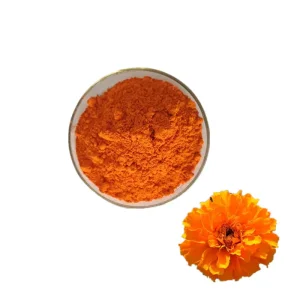
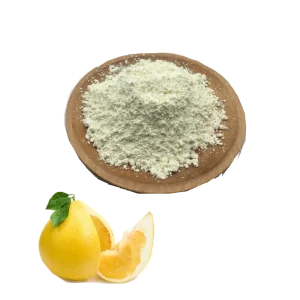
Explore our high-demand primary natural ingredients, engineered for nutrition, pharmaceutical efficacy, and functional beverages.
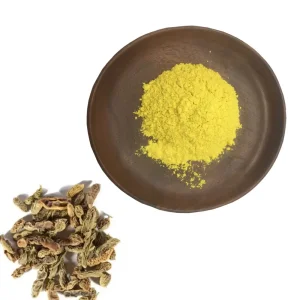
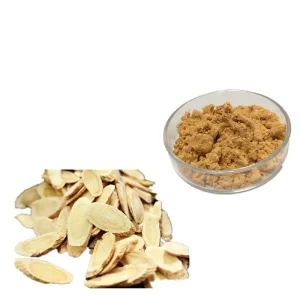
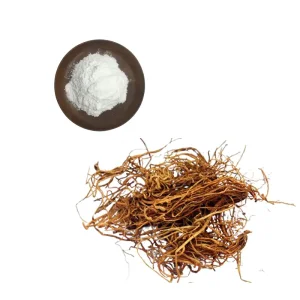
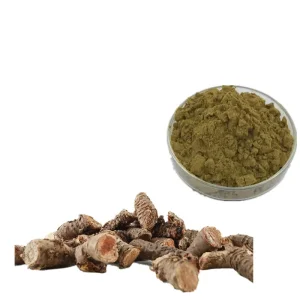
Proanthocyanidins (PACs) represent a class of polyphenols (specifically, oligomeric flavonoids) widely celebrated for their antioxidant, antimicrobial, and anti-inflammatory activity. Found abundantly in cranberry, grape seed, pine bark, and select botanicals, their molecular structure determines their biological potential. From a procurement standpoint, standardizing these active compounds requires deep analytical clarity and rigorous extraction controls.
Industrial applications favor PACs for their proven capacity to inhibit the adhesion of P-fimbriated Escherichia coli to urothelium walls (highly characteristic of A-type PAC linkages found in cranberries) as well as their cardiovascular support attributes (prominent in B-type linkages found in grape seed extracts). As premium manufacturers, we focus on delivering exact linkages optimized for target product formulations.
"For global buyers, purchasing raw materials is not just about the name on the package; it is about verifying the exact molecular fingerprint. We guarantee exact A-type or B-type ratio profiles, tested through state-of-the-art DMAC and HPLC assay pathways."
Addressing supply chain risks, standardization, and quality compliance for international food, beverage, and pharma operations.
Global brands run into issues with varying measurement standards. We unify tests using validated methods such as the BL-DMAC assay for cranberry PACs, European Pharmacopoeia (EP) for grape seed OPC, and advanced HPLC-DAD to guarantee active constituent alignment.
Strict pesticide residue limits (EP/USP standards), PAHs, heavy metals (Lead, Arsenic, Cadmium, Mercury), and microbiological parameters (molds, yeasts, pathogens) are managed using our post-extraction purification lines.
Every batch of raw botanical input is mapped directly back to audited agricultural sources. We maintain full chain-of-custody tracking from organic certified fields through extraction, milling, testing, and shipping.
Empirical evidence of our scale, supply reliability, and quality standards for demanding multinational accounts.
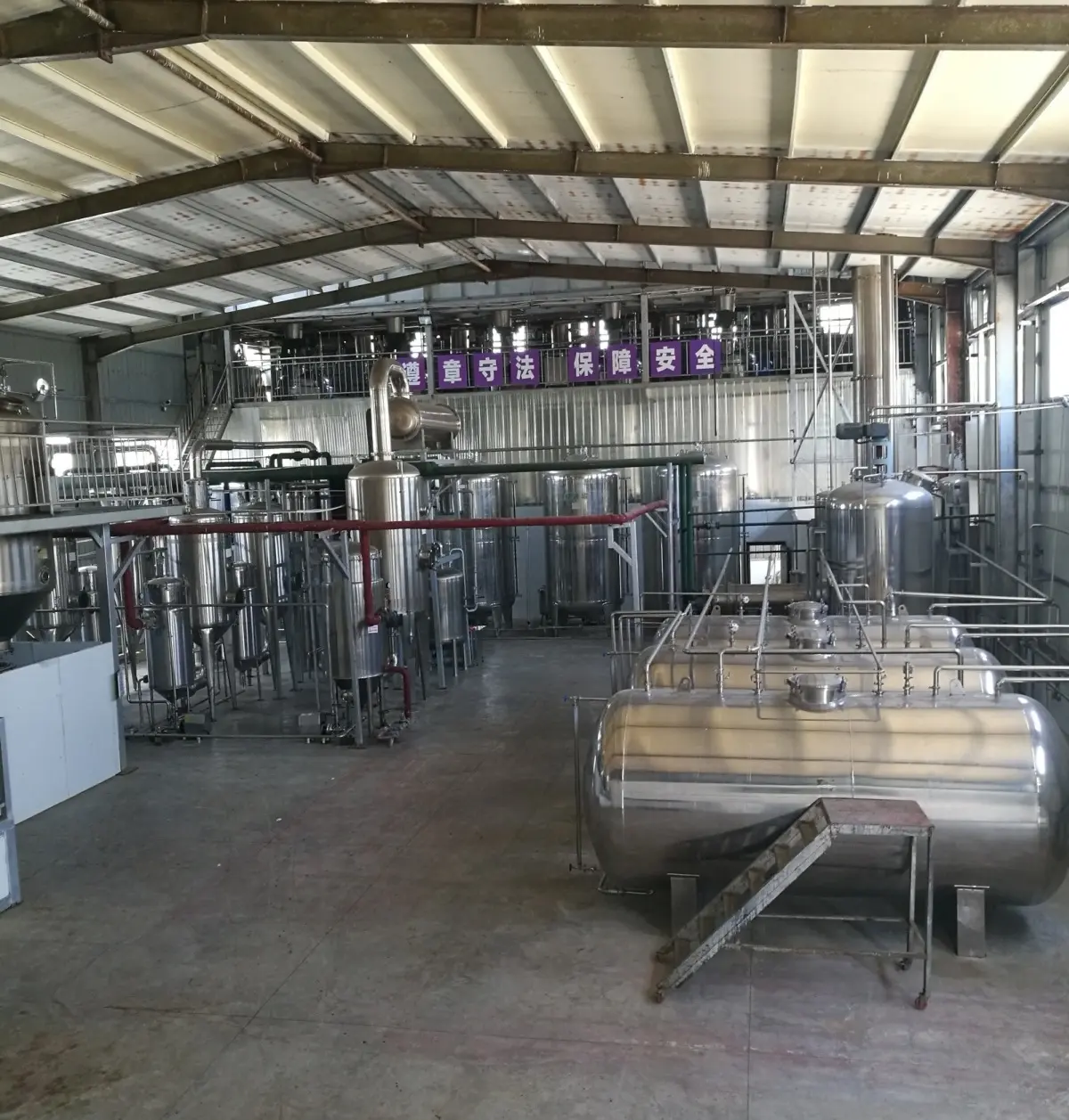
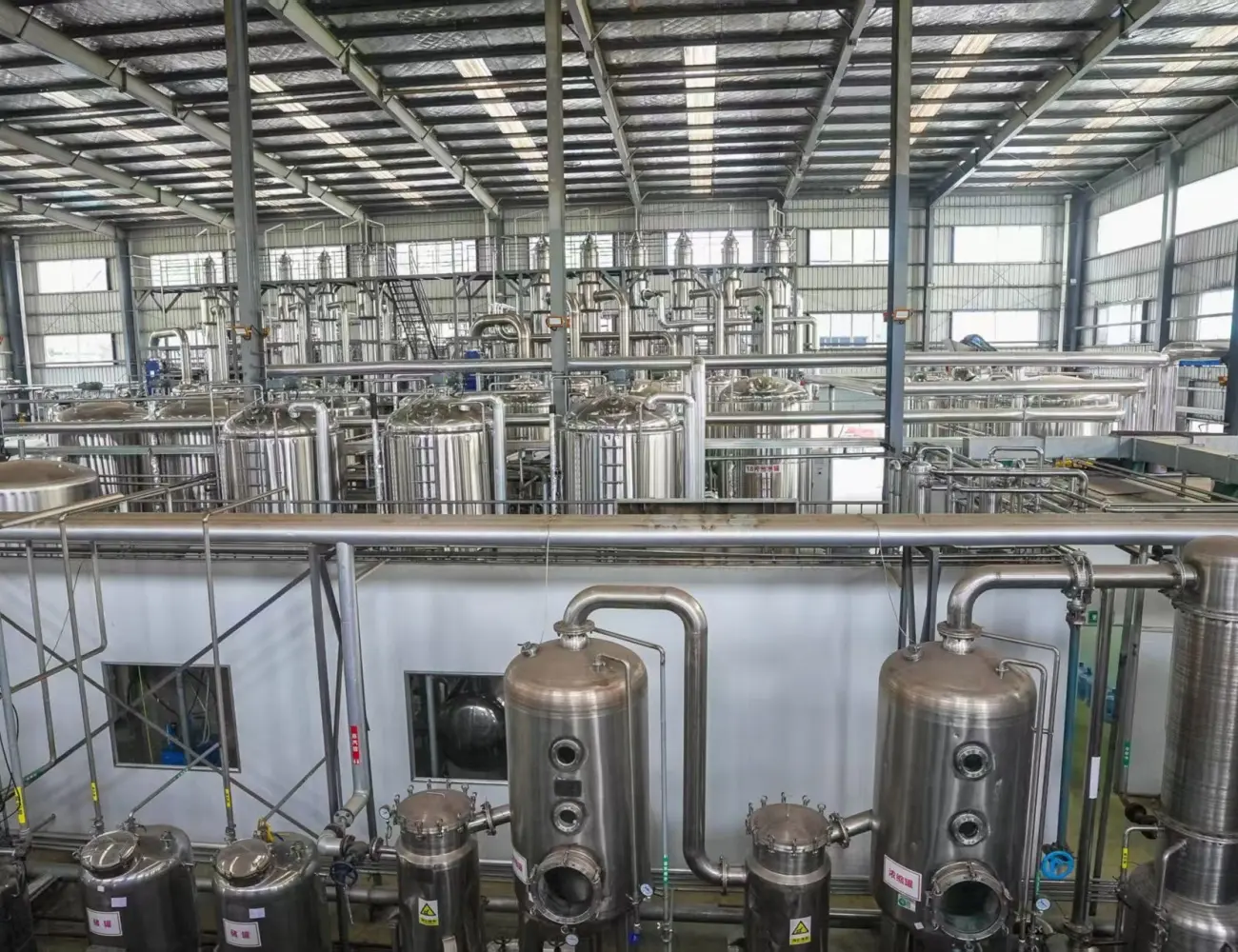
Combining mechanical innovation, green solvent choices, and robust quality management to support modern product formulations.
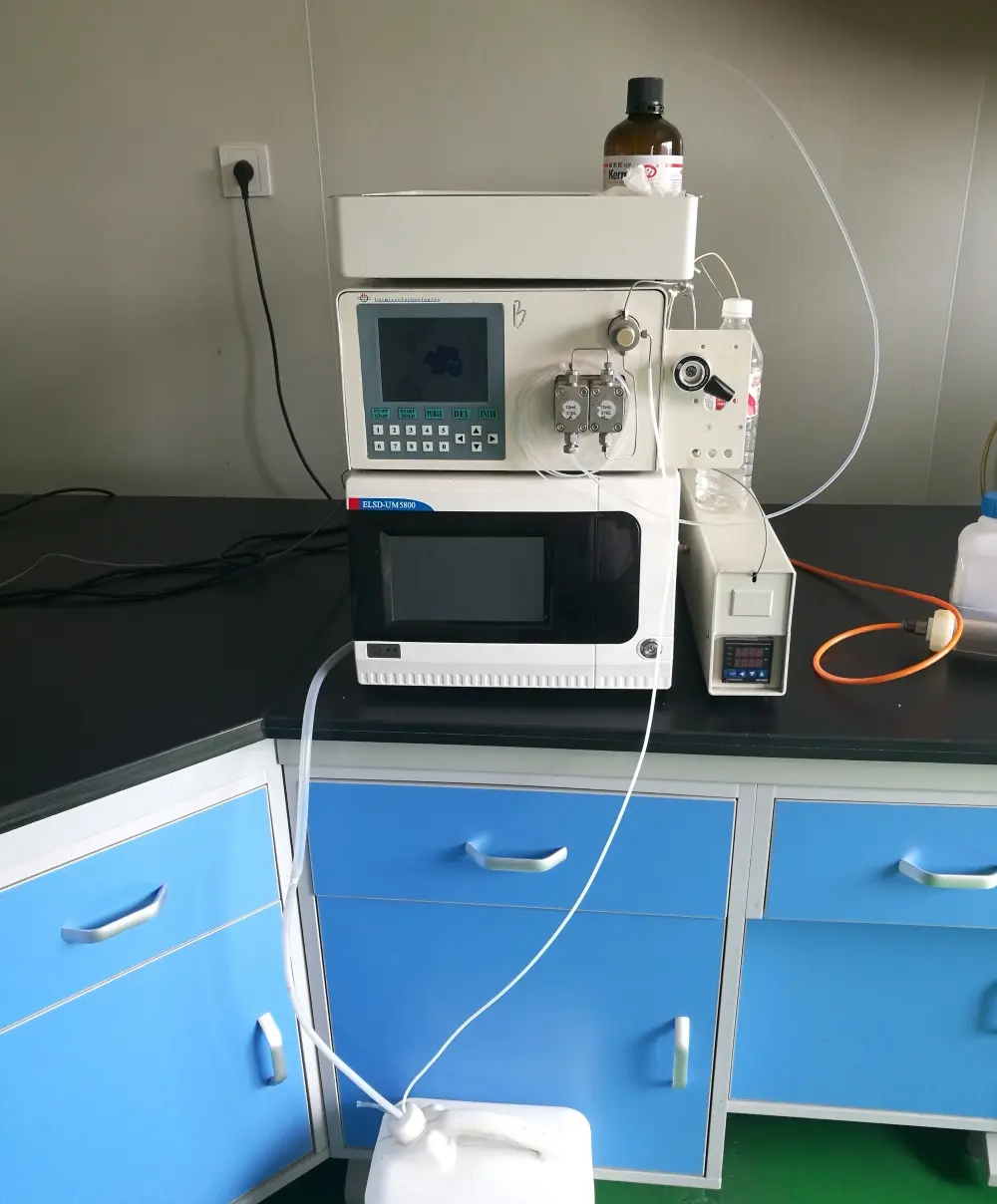
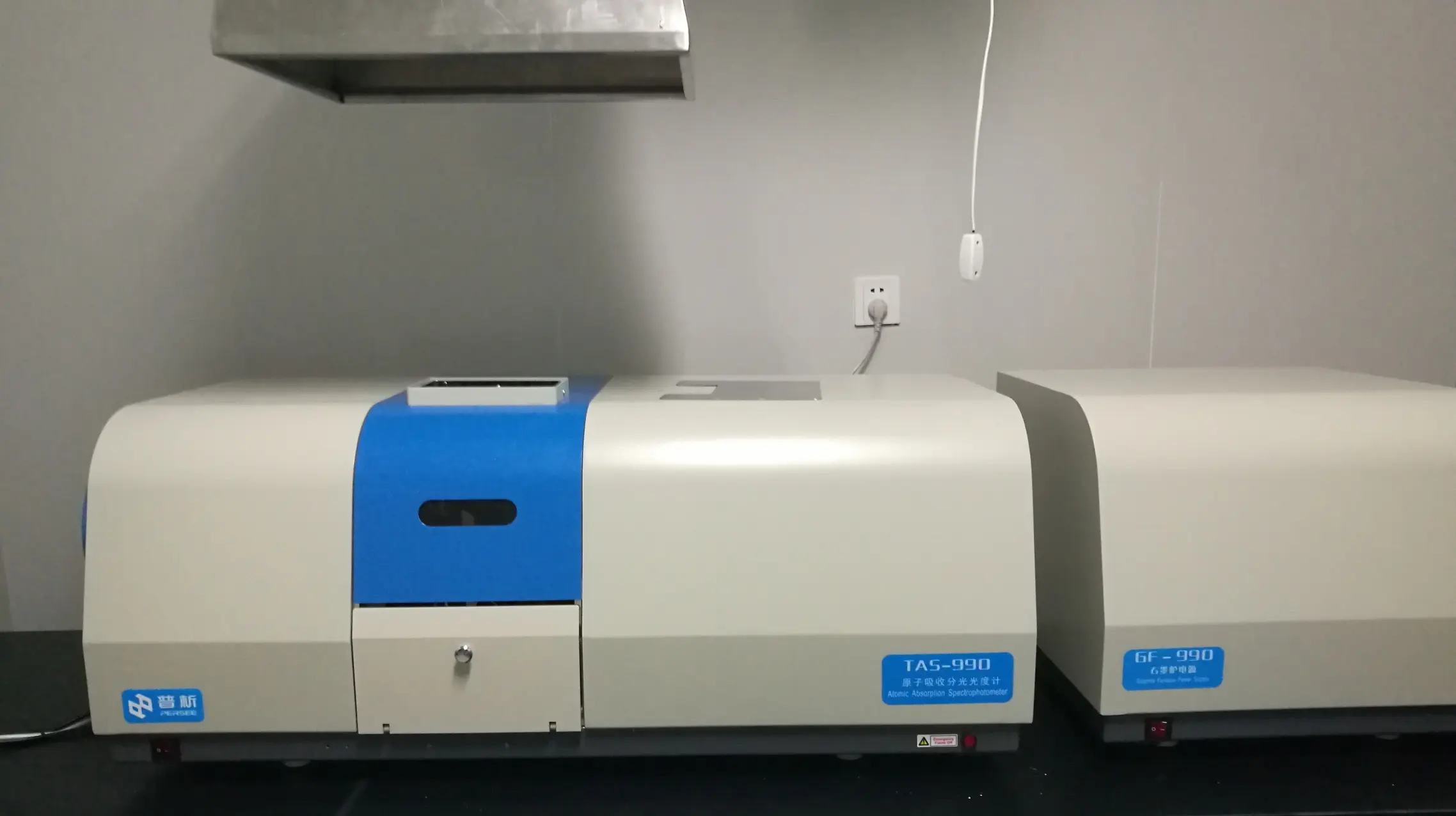
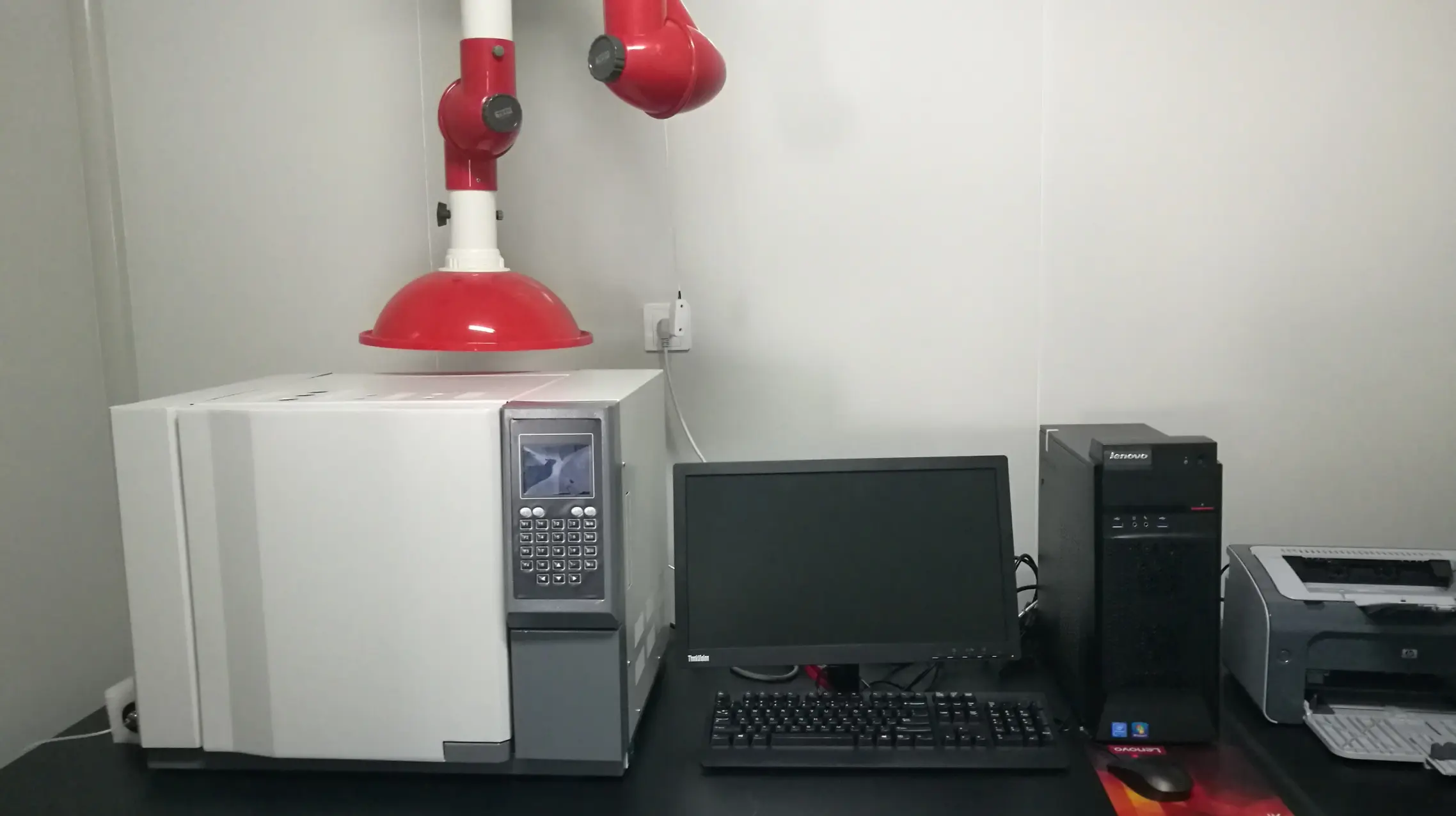
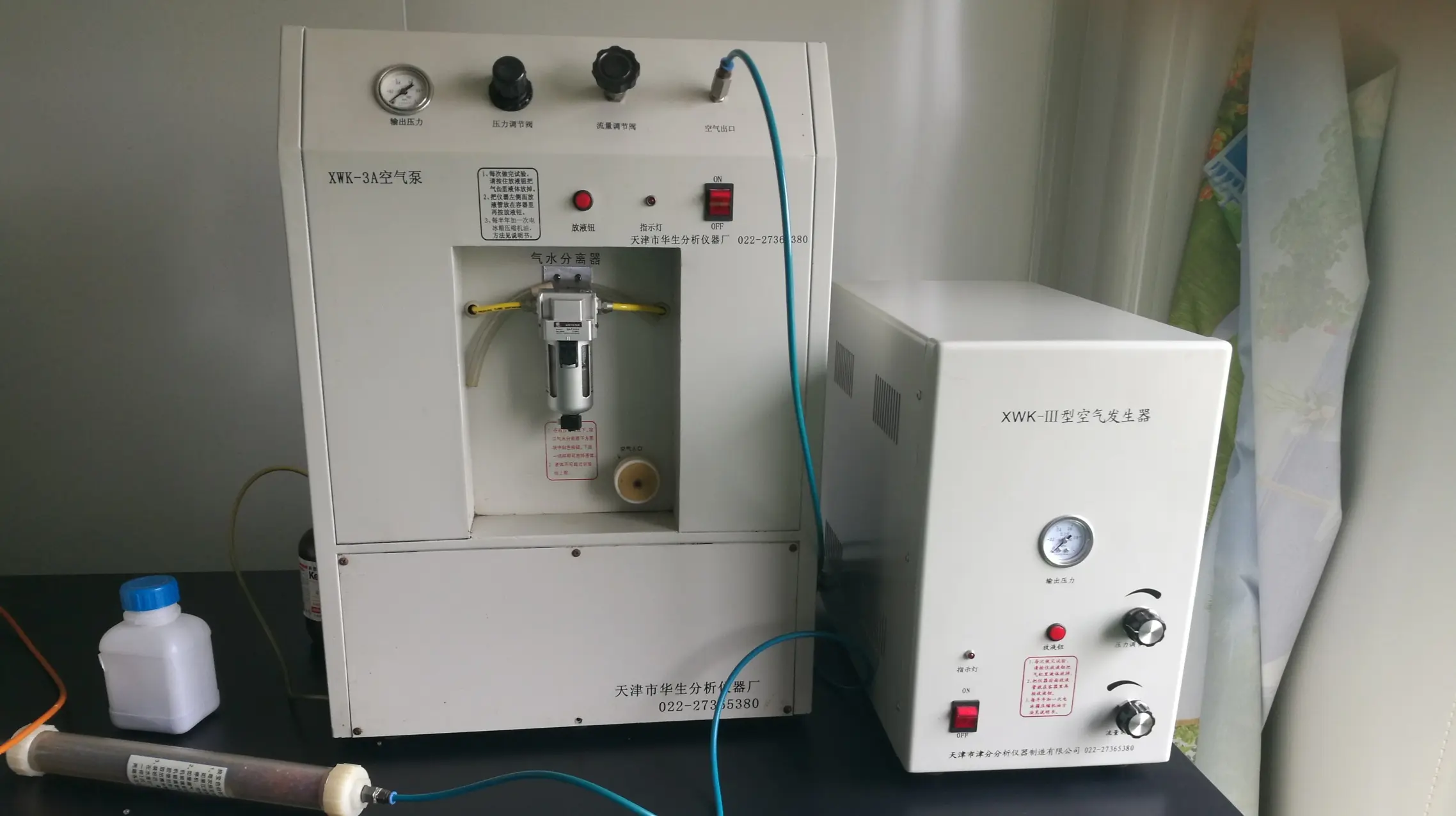
Quality and safety are non-negotiable. Every batch undergoes rigorous testing in our in-house laboratories, equipped with HPLC, GC-MS, and other advanced analytical instruments. We guarantee compliance with stringent international standards, including ISO, NSF, cGMP, and related certifications. Our commitment to transparency means you receive comprehensive Certificates of Analysis (CoA) for every product, ensuring traceability and peace of mind.
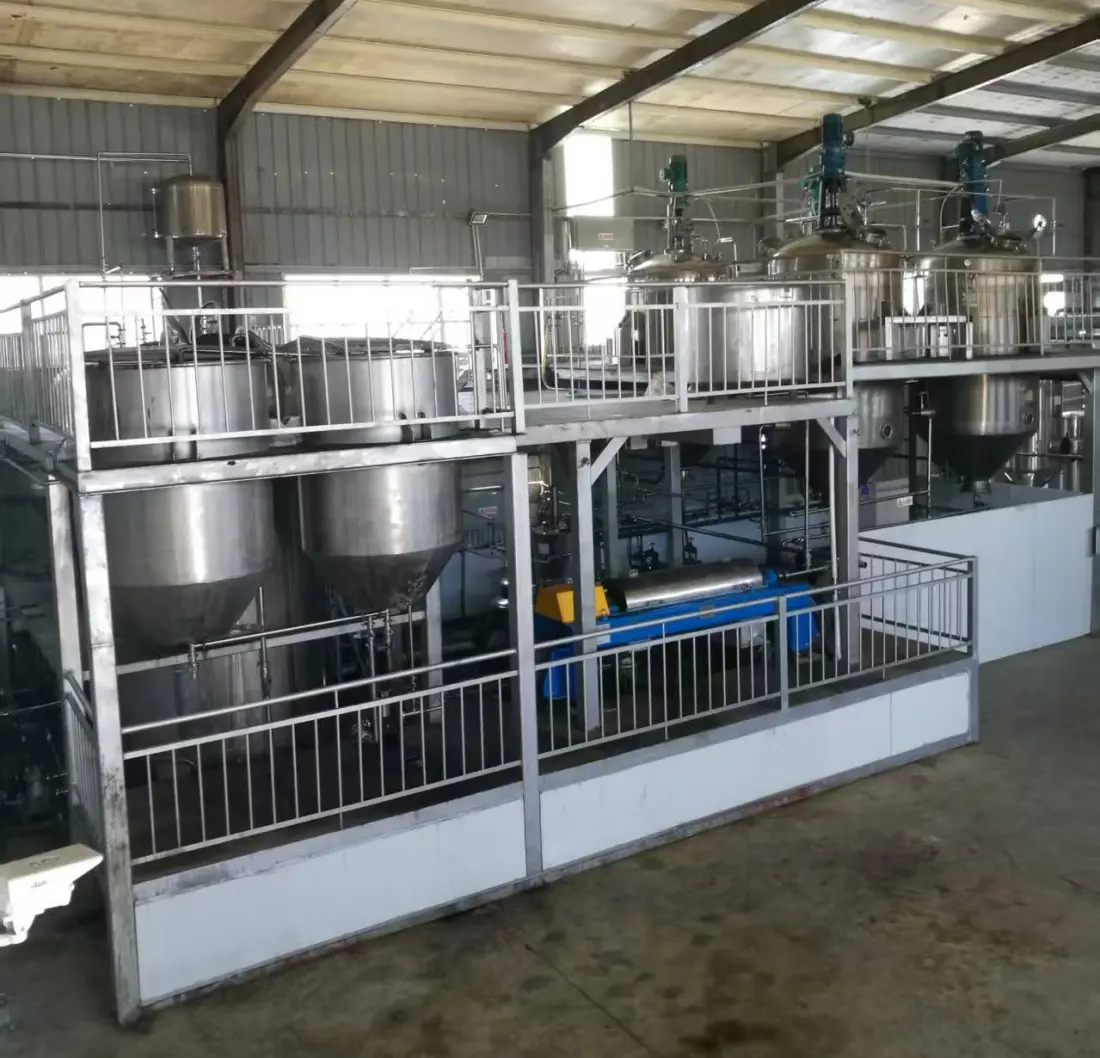
Traditional botanical extraction methods often suffer from high thermal degradation, chemical solvent residues, and uneven active ingredient percentages. To address these issues, we utilize modern temperature-controlled, multi-stage countercurrent extraction units.
This process results in a highly standardized, instantly soluble powder that easily integrates into ready-to-mix beverage bags, capsules, cosmetics, and functional foods.
We supply standardized bulk materials, including high-purity single-ingredient extracts, as well as customized active blends developed in cooperation with client research departments.
Our formulation development laboratory creates custom combinations of PACs with complementary botanical extracts. For instance, blending PACs with anthocyanin-rich Roselle or Echinacea offers targeted benefits for metabolic, urinary tract, or immune health formulations.
Requirement Assessment: We evaluate target applications (liquids, tablets, gummies) and coordinate physical requirements like particle size distribution and solubility profiles.
Pilot Formulation: Developing trial-size test blends with complete stability profiling to verify bio-activity retention and color stability under shelf-life conditions.
Commercial Scale-up: Manufacturing batches within our cGMP facility, backed by complete regulatory dossiers (DMF, safety data sheets, and multi-compendial CoAs).
It's one thing to just meet the regulations when providing ingredients, but when an ingredient supplier exceeds those standards and imposes even higher ones in its products that is a sign of a company who cares. Andy Biotech takes extra steps to ensure that our independent third-party laboratory-tested ingredients you want meet our standards as well as your own.
Our extensive portfolio features a wide range of standardized extract, ratio extract, and custom blends tailored to specific formulations. Whether you need Echinacea for immune support, Turmeric with high curcuminoid content, or innovative botanical blends for skincare, our technical team works closely with you to deliver exactly what your product requires. Andy Biotech provide high quality Ginkgo Biloba Extract, Lycopene Tomato Extract, Lutein Marigold Extract, Aloe Vera Gel Freeze Dried powder, Aloe Vera Extract, and other natural ingredients.
The phytochemical industry is transitioning from standard crude extract powders to targeted, high-bioavailability active compounds. Our engineering teams are working on two primary development tracks to support this shift:
Improving the cellular uptake and digestive tract survival rates of fragile polyphenolic compounds, allowing for smaller, more effective doses in functional foods and supplements.
Deploying in-line sensors to automatically adjust temperature, pressure, and solvent flow rates based on real-time raw material potency readings. This maximizes active compound yields and minimizes batch-to-batch variability.
Repurposing agricultural side streams (like pomace from fruit processing) to extract functional PAC fractions. This reduces environmental impact while offering cost-effective pricing for our partners.
Andy was born in a small village close to the Hanjiang River in Hanzhong, Shaanxi Province, China. Thirty years ago, when she was a child, she fell ill, and local medical facilities were difficult to access without crossing rugged mountains. Seeing this, her grandfather collected Echinacea leaves from his garden to brew a warming tea, then extracted the root pulp to give her fresh liquid hourly. Within days, Andy recovered.
Watching her grandfather harness the healing power of plants in his humble garden sparked a lifelong passion for botanical research. That early wonder grew into a deep respect for natural ingredients and a desire to make traditional remedies accessible worldwide.
This personal journey is the heart of Andy Biotech. It is why we are dedicated to researching, standardizing, and delivering clean, scientifically validated botanical solutions to support global health and wellness. We honor that tradition by innovating for a healthier future and empowering lives through the power of plants.
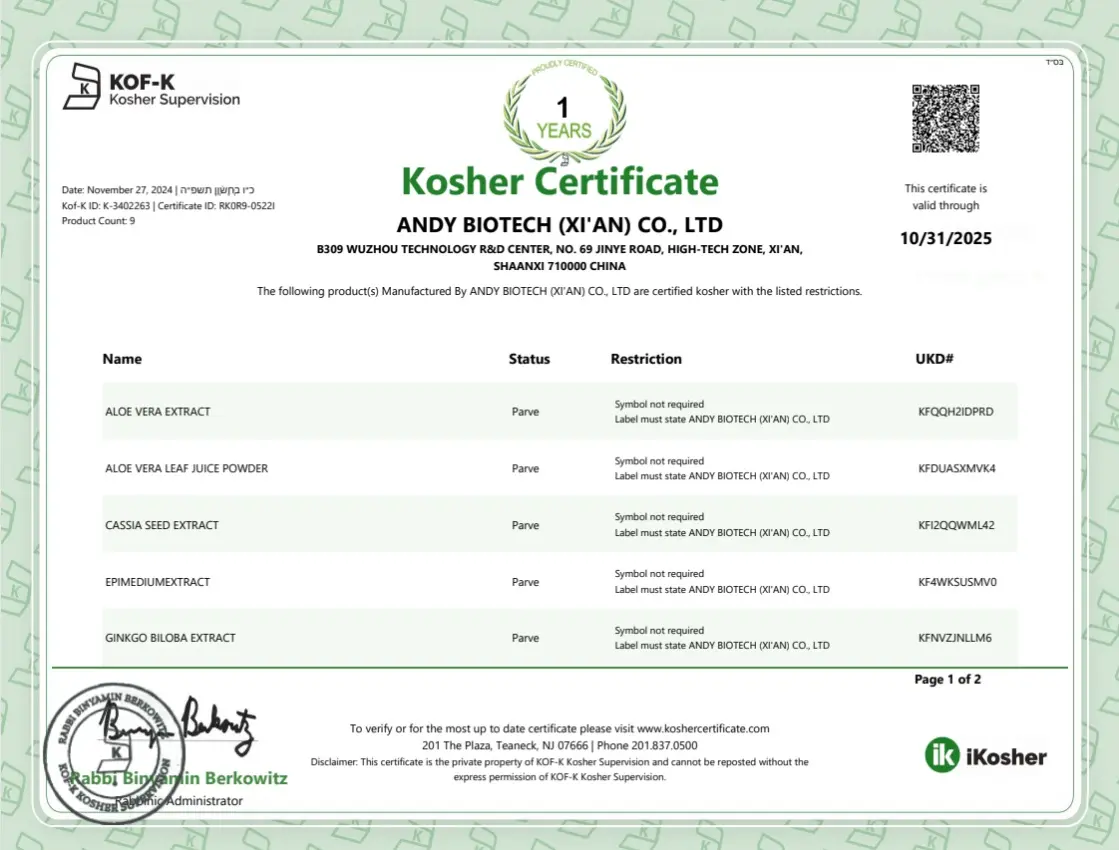
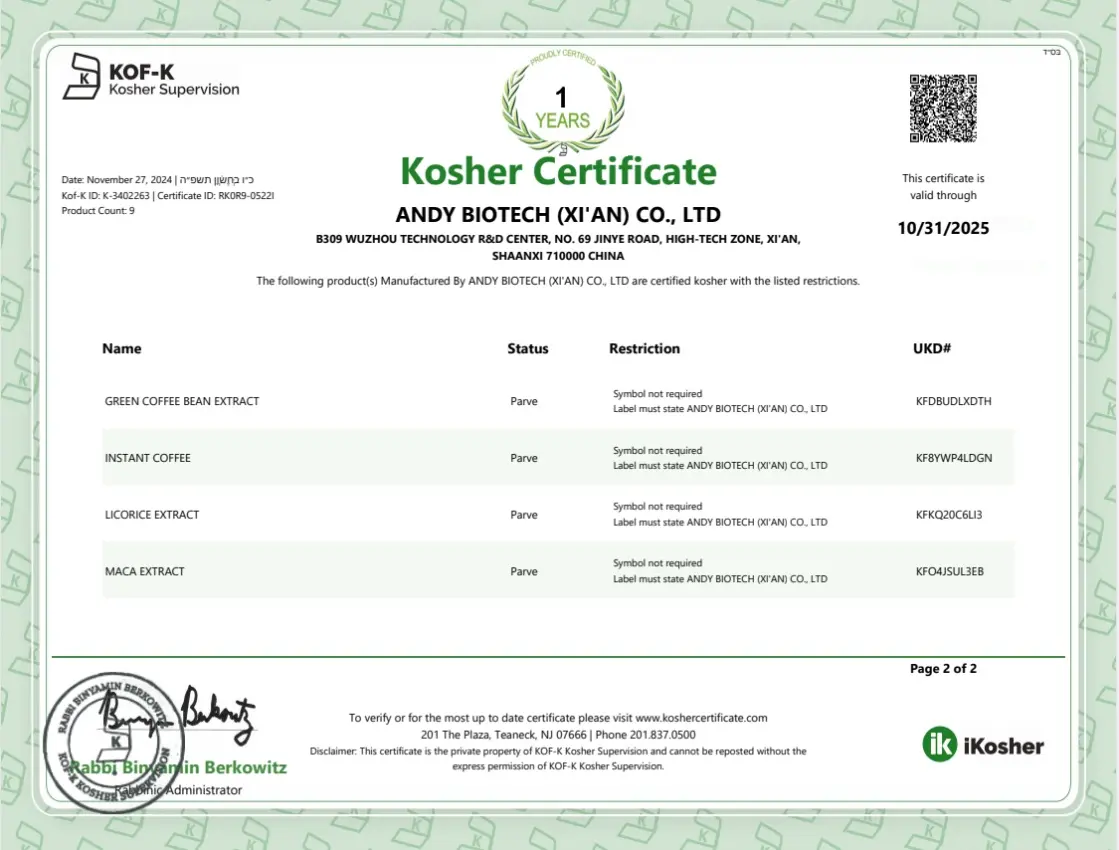
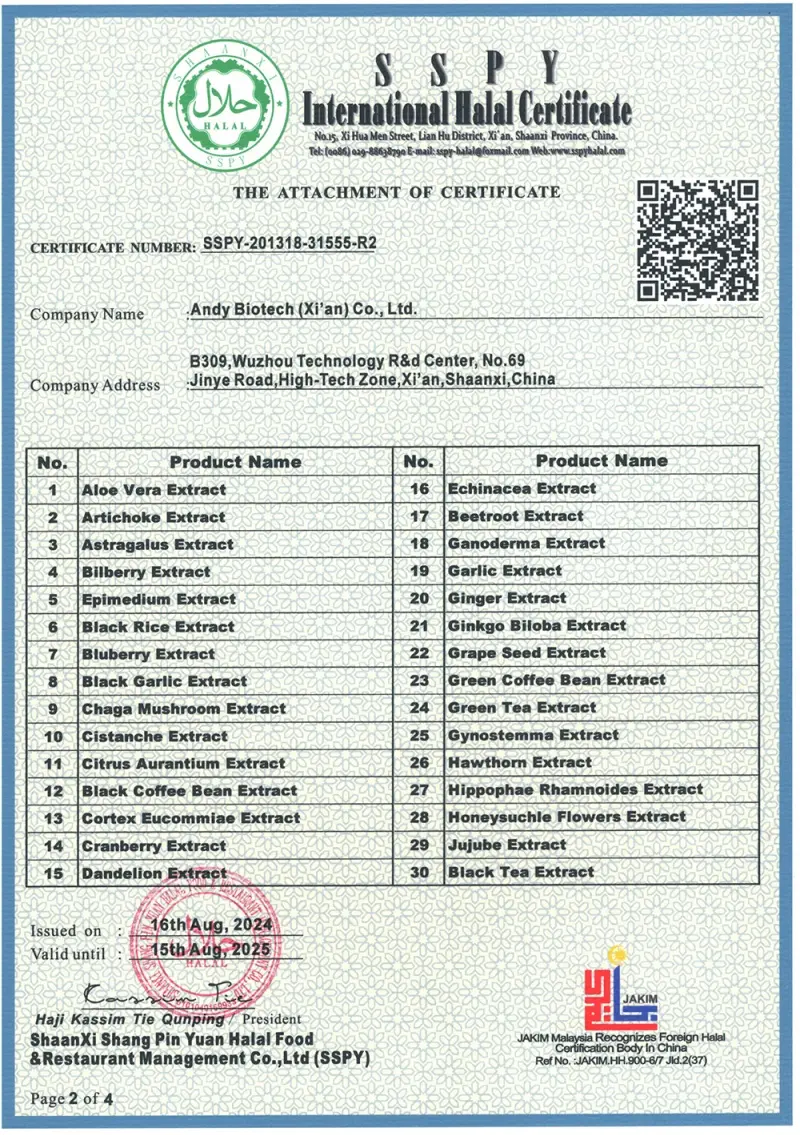
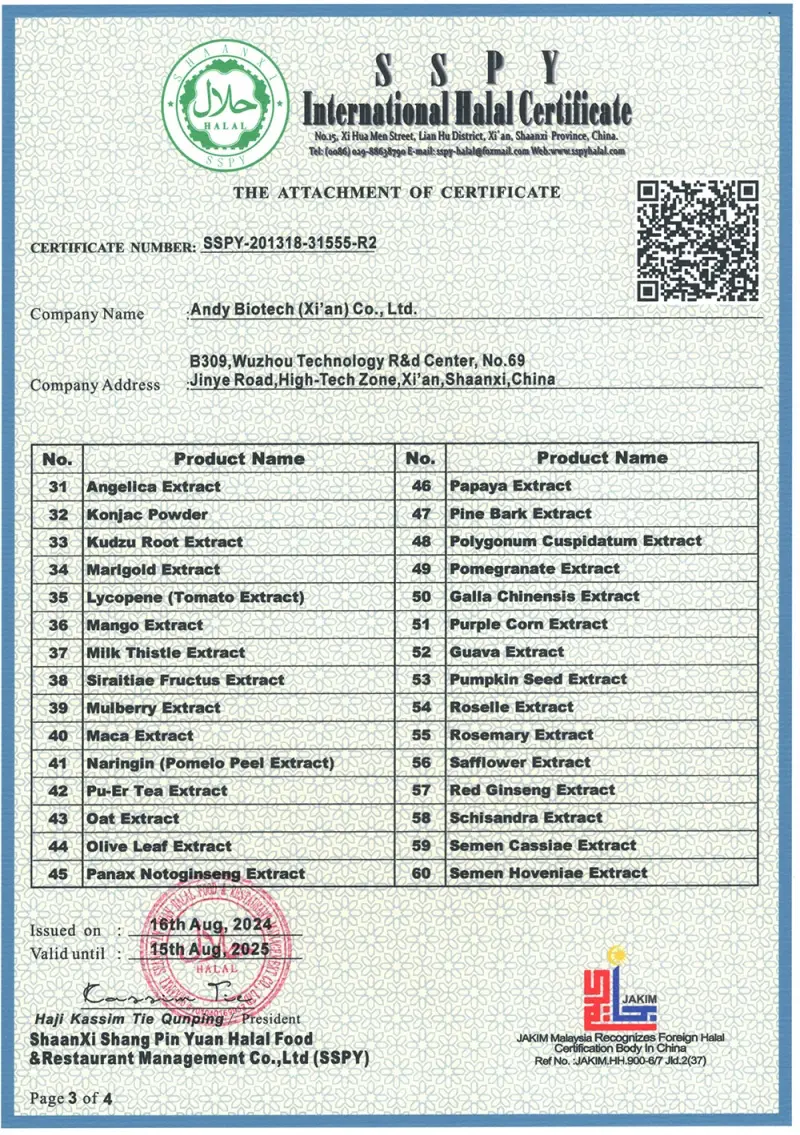
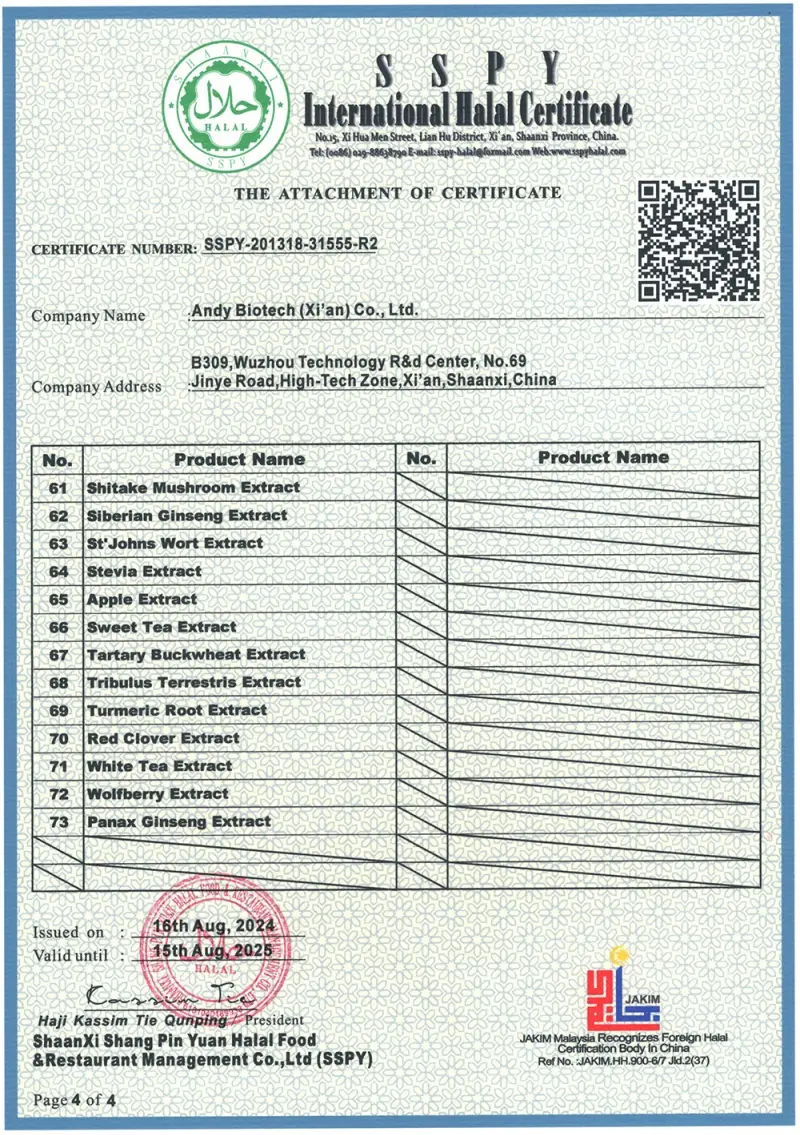
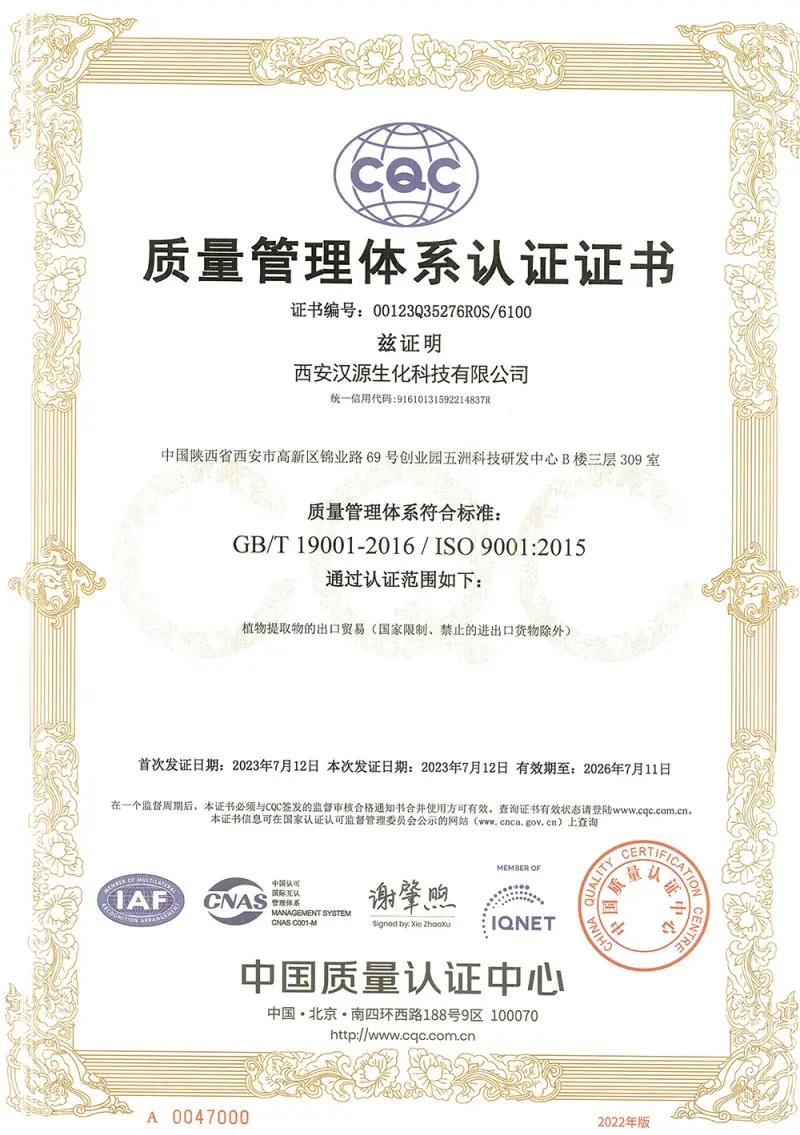
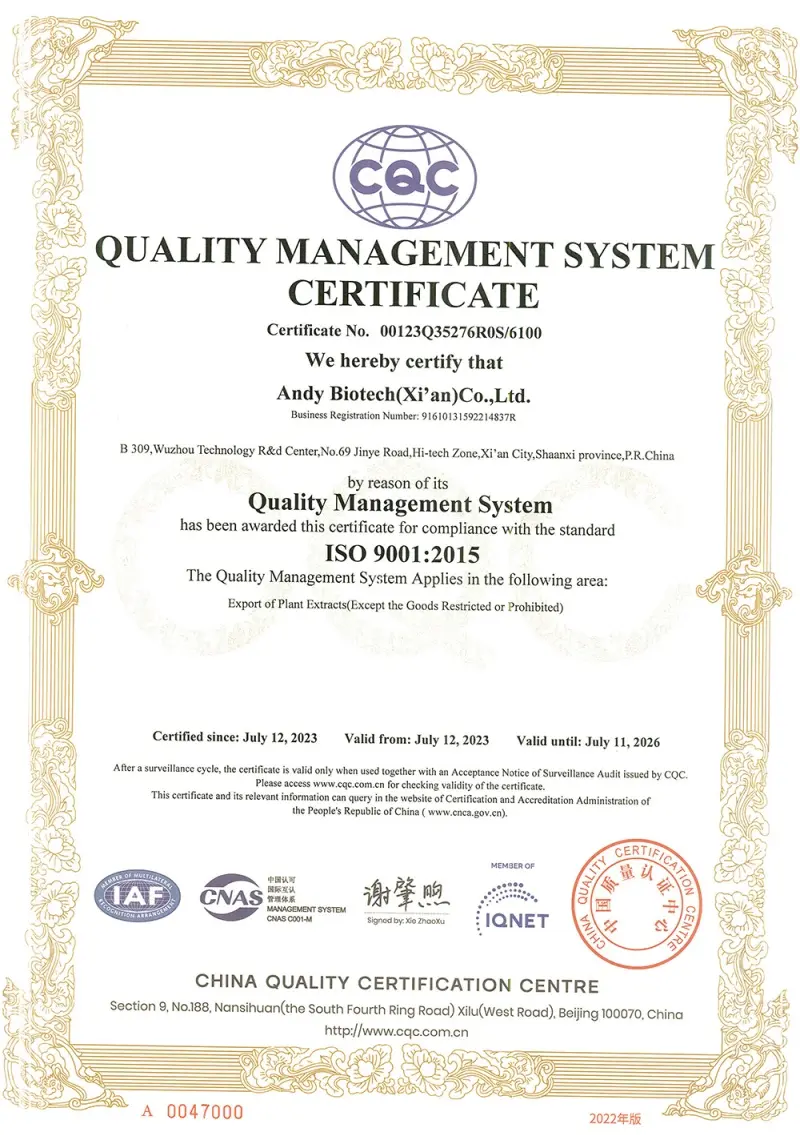
Our production processes and facility standards are certified by major international bodies, verifying our commitment to purity, safety, and strict process controls.
Answering common technical questions raised by quality assurance managers, R&D directors, and procurement teams during the verification process.
Proanthocyanidins consist of monomer units (like catechin and epicatechin). When these monomers connect via a single carbon-carbon bond (C4-C8 or C4-C6), they form B-type PACs, which are common in grape seeds and pine bark. A-type PACs feature an additional ether link (C2-O-C7 or C2-O-C5) alongside the single bond, creating a more rigid structure. This unique shape is what allows A-type PACs (abundant in cranberry) to prevent bacteria from sticking to cell walls, making them highly effective in urinary tract health applications.
The 4-dimethylaminocinnamaldehyde (DMAC) colorimetric assay reacts specifically with the terminal units of proanthocyanidins, reducing interference from monomeric catechins and non-target polyphenols. While HPLC provides excellent separation profiles for low molecular weight compounds, it can struggle to resolve large, complex oligomeric PAC structures, leading to underestimation. The DMAC method is widely accepted as the industry standard for verifying total active PAC content in cranberry extracts due to its consistency and accuracy.
We manage purity through a combination of controlled sourcing and advanced processing. First, we partner with audited agricultural farms that follow strict GACP (Good Agricultural and Collection Practices) guidelines. Second, our extraction facilities use clean solvent separation systems and targeted chromatography columns to isolate active compounds while removing trace pesticides and heavy metals. Finally, every batch is verified in-house using GC-MS/MS and LC-MS/MS systems, ensuring full compliance with European Pharmacopoeia (EP 2.8.13) and USP regulations.
Our water-soluble extracts are specifically processed to prevent clumping and sediment formation. The resulting powder dissolves quickly in water at room temperature, producing a clear solution without cloudiness. Because polyphenols can be sensitive to light and heat, we recommend storing them in cool, dry conditions. We also supply custom-stabilized formulations designed to prevent color fading and oxidation in liquid beverages over time.
Yes, we offer custom blending services. Our analytical and development teams can standardize specific active ratios, adjust physical parameters (such as particle size, density, and flowability), and blend different extracts (e.g., combining PACs with Roselle extract or Ginkgo Biloba) to match your exact formulation requirements.
We provide complete regulatory support packages to ensure smooth importing and compliance. This includes comprehensive Certificates of Analysis (CoA) outlining active levels, heavy metal limits, and microbiological data. We also provide allergen reports, GMO statements, safety data sheets (SDS), technical data sheets (TDS), trace solvent certificates, and Kosher/Halal documentation.
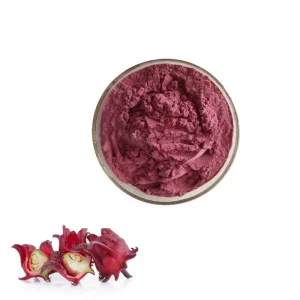
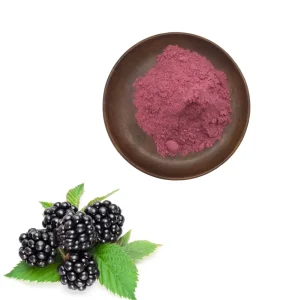
Discover our range of botanical ingredients, carefully processed to preserve native bio-actives for functional products.
 Andy Biotech