 Andy Biotech
1 / 1
| Rhodiola Rosea Extract — Technical Data Sheet | |
| Sense Index | |
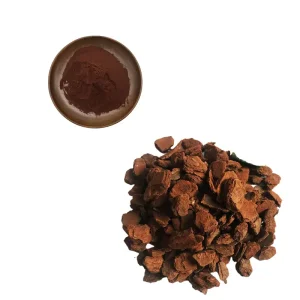
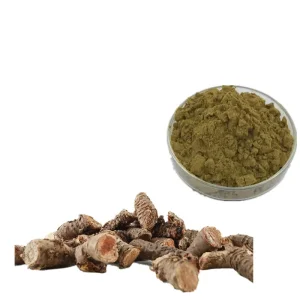
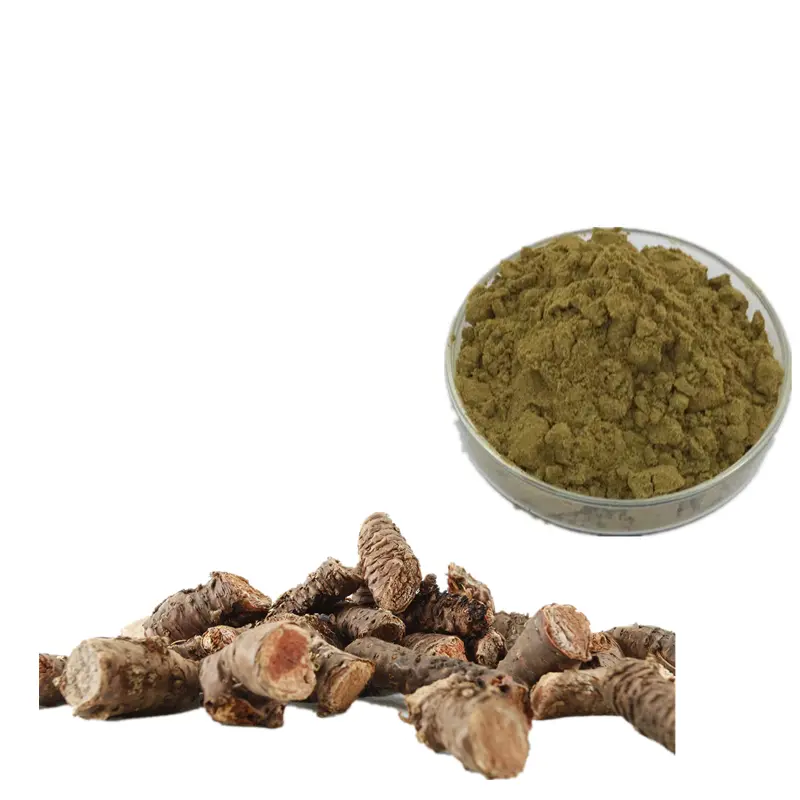
| Appearance | Brown powder |
| Odor & Taste | Characteristic |
| Physical-chemical Index | |
| Total Rosavins (HPLC) | 3% Min |
| Total Salidrosides (HPLC) | 1% Min |
| Particle Size | 98% pass 80 mesh |
| Loss on drying | 5% Max |
| Ash | 5% Max |
| Heavy metals | 10ppm Max |
| Lead | 2ppm Max |
| Arsenic | 2ppm Max |
| Mercury | 1ppm Max |
| Cadmium | 1ppm Max |
| Hygienic Index | |
| Total plate count | 1,000 cfu/g Max |
| Mold & Yeast | 100 cfu/g Max |
| Enterobacteriae | 10 cfu/g Max |
| E. Coli | Absent in 10g |
| Salmonella | Absent in 25g |
| Statements: Non-Irradiated, Non-GMO | |
| Packaging: 1kg/aluminium foil bag, 25kg/drum (37×37×50cm). | |
| Shelf Life: 24 months stored in original packaging away from the light, and under the optimal temperature 10~25℃. | |
Rhodiola rosea extract is an active component derived from the rhizomes of plants in the Rhodiola genus (Crassulaceae family), with the high-altitude Rhodiola rosea being the most valued. Its primary active compounds include salidroside, tyrosol, flavonoids, and polyphenols. Traditionally, Rhodiola has been used in high-altitude regions to combat fatigue and hypoxia. Modern extraction techniques, such as water extraction, alcohol extraction, or supercritical extraction, yield a yellowish-brown to reddish-brown powder with a slightly bitter and astringent taste. This extract exhibits notable "adaptogenic" properties, helping the body resist various physiological stresses, making it a natural ingredient with both traditional medicinal value and modern health benefits.
The core efficacy of Rhodiola rosea extract lies in its "adaptogenic" effects, enhancing the body's non-specific resistance to fatigue, hypoxia, cold, and mental stress. It modulates the central nervous system, improving mood, alleviating anxiety, and enhancing concentration and memory. By optimizing energy metabolism, it reduces post-exercise lactic acid accumulation and boosts physical strength and endurance. It also exhibits anti-hypoxic effects, improving blood oxygen utilization and protecting heart and brain cells. Additionally, it helps regulate immune function and shows potential anti-inflammatory, antioxidant, and neuroprotective properties, making it suitable for managing chronic fatigue syndrome and enhancing overall performance under stress.
In the health product industry, Rhodiola rosea extract is primarily used in capsules, tablets, and functional beverages aimed at combating fatigue, enhancing hypoxia tolerance, boosting physical strength, and relieving stress. It is particularly favored by athletes, high-altitude workers, and individuals under high pressure. In the pharmaceutical field, it serves as an auxiliary ingredient to improve neurasthenia, memory decline, and insufficient cardio-cerebrovascular oxygen supply. The cosmetics industry leverages its antioxidant and anti-radiation properties by incorporating it into anti-aging, sun protection, and repair skincare products to help the skin resist environmental stressors. Additionally, it holds significant value in sports nutrition products and military specialty foods.