 Andy Biotech
1 / 2
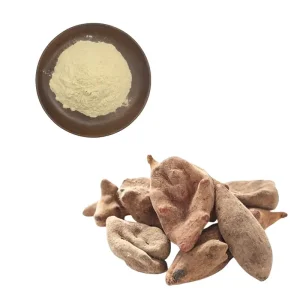
| Pueraria Root Extract Isoflavones Technical Data Sheet | |
| Sense Index | |
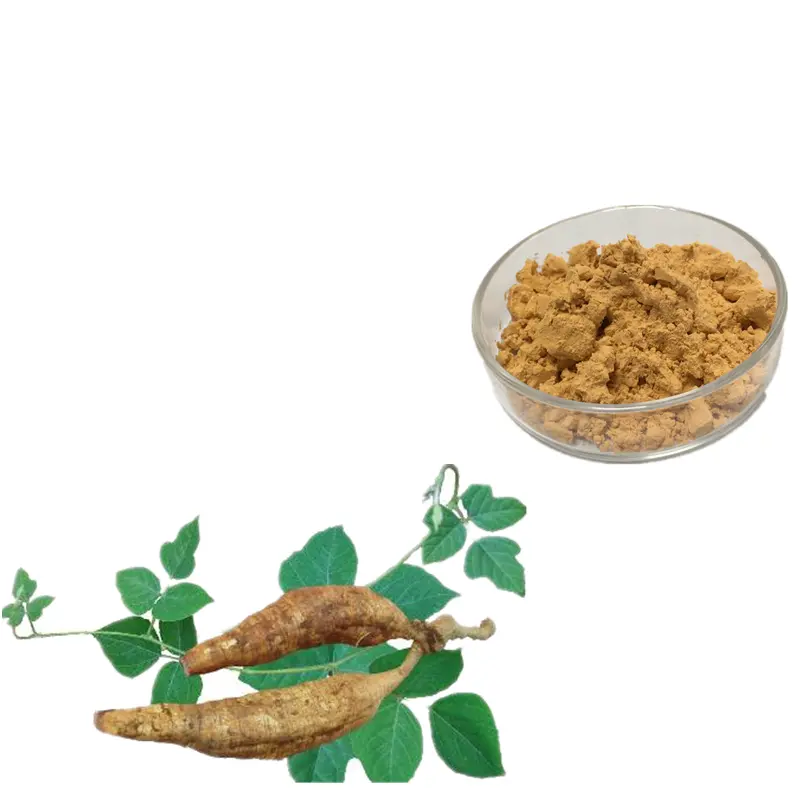
| Appearance | Brown yellow to Off-white powder |
| Odor & Taste | Characteristic |
| Physical-chemical Index | |
| Puerarin (HPLC) | 10%-98% |
| Particle Size | 98% pass 80 mesh |
| Loss on Drying | 5% Max |
| Ash | 5% Max |
| Heavy Metals | 10ppm Max |
| Lead | 2ppm Max |
| Arsenic | 2ppm Max |
| Mercury | 0.1ppm Max |
| Cadmium | 1ppm Max |
| Hygienic Index | |
| Total Plate Count | 1,000cfu/g Max |
| Mold & Yeast | 100cfu/g Max |
| Enterobacteriae | 10cfu/g Max |
| E.Coli | Absent in 10g |
| Salmonella | Absent in 25g |
Statements: Non-Irradiated, Non-GMO
Packaging: 1kg/aluminium foil bag, 25kg/drum (37*37*50cm).
Shelf Life: 24 months stored in original packaging away from the light, and under the optimal temperature 10~25℃.
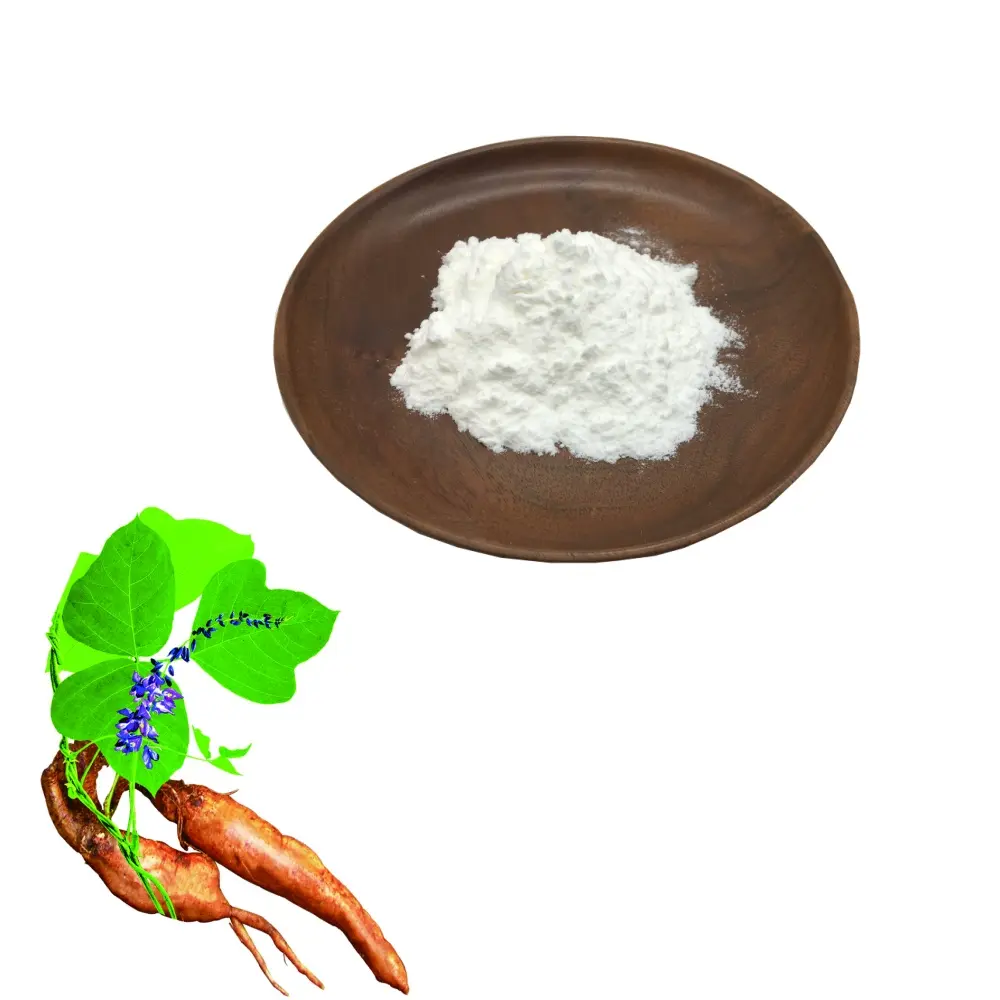
Pueraria Root Isoflavones Extract is a standardized extract of isoflavone compounds refined from the root of the kudzu plant (Pueraria lobata) using modern processing techniques. Its primary active constituents are puerarin, daidzin, and daidzein. Through technologies such as chromatographic separation, the total isoflavone content is enriched to over 40%, with puerarin content ranging from 10% to 30%. This extract exhibits high chemical stability and bioactivity. Compared to traditional kudzu root extracts, its active components are more defined and of higher purity, making it an important reference material for studying phytoestrogen effects and cardiovascular protection mechanisms. It is widely used in the refined development of pharmaceuticals and health foods.
The efficacy of Pueraria Root Isoflavones Extract primarily revolves around its phytoestrogen activity and cardiovascular protective effects. Its active components selectively bind to estrogen receptors, modulating endocrine balance and effectively alleviating menopausal symptoms such as hot flashes, night sweats, and mood swings. It also dilates coronary and peripheral blood vessels, improves myocardial and cerebral blood supply, and assists in lowering blood pressure and heart rate. It demonstrates notable antioxidant properties, reducing oxidative stress damage to the vascular endothelium. Furthermore, studies indicate potential benefits in inhibiting bone resorption, improving insulin sensitivity, and providing neuroprotection, giving it unique value in the comprehensive management of metabolic syndrome.
This extract is primarily used in women's health products, such as dietary supplements for managing menopausal syndrome, relieving menstrual discomfort, and supporting bone health. In cardiovascular health supplements, it aids in blood pressure regulation and microcirculation improvement. In functional foods, it serves as an antioxidant and anti-fatigue ingredient. In the pharmaceutical field, it is used as a raw material for developing phytoestrogen-based drugs to treat osteoporosis and cardiovascular diseases. The cosmetics industry utilizes its anti-aging and skin elasticity-enhancing properties in high-end skincare products. In recent years, its applications have expanded to sports recovery and mood-regulating products.
The main active constituents of this standardized extract are puerarin, daidzin, and daidzein. The total isoflavone content is enriched to over 40% using advanced chromatographic separation techniques.
It helps dilate coronary and peripheral blood vessels, which improves overall cerebral and myocardial blood supply. Additionally, it helps regulate blood pressure, assists in lowering the heart rate, and protects the vascular endothelium from oxidative stress.
Yes. Due to its natural phytoestrogen activity, the extract binds selectively to estrogen receptors, balancing the endocrine system to relieve common menopausal discomforts such as mood swings, hot flashes, and night sweats.
Yes, our Pueraria Root Extract Isoflavones technical data sheet guarantees that the raw materials are completely Non-GMO and Non-Irradiated.
The extract has a shelf life of 24 months. It should be kept in its original packaging, protected from light, and stored at an optimal temperature between 10°C and 25°C.
It is widely used in dietary supplements for women's health and cardiovascular support, functional foods, pharmaceuticals targeting osteoporosis, anti-aging cosmetics, and sports recovery formulations.