Explore our high-purity functional ingredients supplied directly from our advanced vertically integrated Chinese production lines to support global wellness and formulation needs.
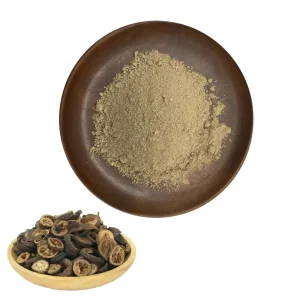
L-Rhamnose (commonly designated as 6-deoxy-L-mannose, CAS numbers 3615-41-6 for anhydrous and 10030-85-0 for monohydrate) represents a crucial naturally occurring monosaccharide that occupies a unique niche across high-value biochemical, cosmetic, and nutritional sectors. Unlike common hexoses, L-Rhamnose is classified as a methylpentose sugar. It serves not only as a structural block in vegetable cell walls and bacterial polysaccharides but also acts as a primary active molecule in modern anti-aging skincare and a key precursor in the commercial synthesis of flavors and fragrances, such as Furaneol.
From a global market perspective, the commercial footprint of L-Rhamnose has expanded dramatically. Industrial sourcing primarily relies on the extraction and subsequent acid hydrolysis of natural glycosides—most notably rutin and quercitrin—abundantly present in agricultural feedstocks such as the flower buds of *Sophora japonica* (commonly known as the Chinese scholar tree) and various citrus peels. The increasing regulatory pressure against synthetic chemical additives has steered international buyers toward natural plant-derived L-Rhamnose, cementing its status as a critical clean-label specialty ingredient.
Research within cellular biology indicates that L-Rhamnose plays a vital role in cutaneous aging dynamics. The human skin contains specific cell-surface receptors capable of recognizing L-Rhamnose. Upon binding, it stimulates the proliferation of dermal fibroblasts and triggers the synthesis of structural proteins, including collagen and elastin. This mechanism has positioned L-Rhamnose as a benchmark active agent in prestige anti-wrinkle and skin-barrier repair creams. Furthermore, in the flavor sector, the thermal reaction (Maillard reaction) of L-Rhamnose with amino acids yields high-purity strawberry furanone, a primary flavor molecule widely used in the beverage and dairy industries.
China has firmly established itself as the epicenter of L-Rhamnose manufacturing and exportation, accounting for the vast majority of the global commercial supply. This dominance is not merely a matter of scale; it is driven by deep technical integration, sophisticated raw material access, and optimized logistics infrastructure.
1. Raw Material Hub: Shaanxi, Gansu, and Sichuan provinces represent the largest cultivation areas for Sophora japonica. By positioning extraction factories directly adjacent to these agricultural hubs, Chinese manufacturers eliminate extensive shipping costs and raw material degradation, ensuring that the starting rutin content remains at peak potency.
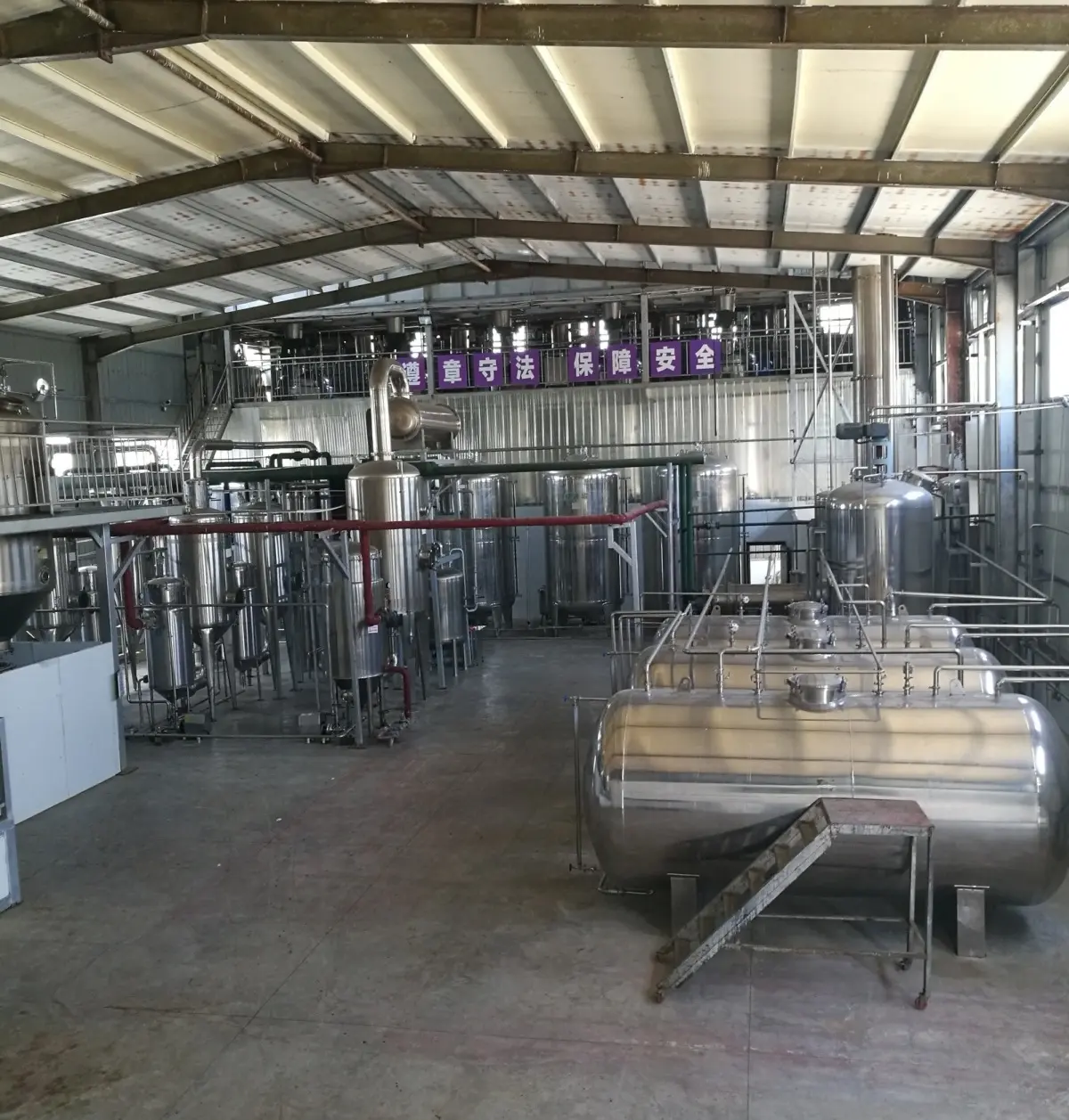
2. Advanced Green Technology: Modern Chinese factories have largely phased out outdated chemical-heavy hydrolysis methodologies. Instead, leading facilities employ clean enzymatic hydrolysis and membrane separation technologies. This transition reduces environmental impacts and optimizes yield rates while ensuring heavy metal and residual solvent levels remain well below the strict limits set by the European Union and the United States FDA.
3. Supply Chain Reliability: Chinese exporters offer highly integrated logistics frameworks. With dedicated cold-chain transport networks, streamlined custom clearances, and strong partnerships with global testing laboratories, shipping times and quality verifications are minimized, creating a highly resilient supply chain for international cosmetics and pharmaceutical corporations.
In the EU market, L-Rhamnose is widely incorporated under Cosmetic Regulation (EC) No 1223/2009. Top-tier exporters must provide full REACH registration, non-GMO declarations, and organic certifications. Demands focus on ultra-pure, hypoallergenic grades free from pesticide residues.
Under US FDA regulations, L-Rhamnose acts as a key reactant in flavor synthesis. The demand in this sector is driven by the food-grade status and natural origin verification. The US market requires Kosher and Halal certified batches to accommodate diversified food product lines.
Led by Japan (J-Beauty) and South Korea (K-Beauty), the Asian market demands specialized L-Rhamnose formulations targeting skin aging, cellular regeneration, and soothing applications. Cruelty-free and vegan-compliant natural plant source raw materials are crucial here.
Looking toward the future, the L-Rhamnose industry is experiencing several key transformations. First, the integration of Synthetic Biology (SynBio) is starting to merge with traditional plant extraction, offering hybrid manufacturing processes that promise even higher consistency. Second, the global focus on ESG (Environmental, Social, and Governance) compliance means that procurement departments are scrutinizing the carbon footprint of factories, favoring those utilizing solar-assisted energy and water-recycling closed-loop systems. Lastly, the rise of personalized skincare and clean-label supplements is pushing the demand for micro-encapsulated L-Rhamnose to improve topical delivery and ingredient stability in cosmetic emulsions.
Sourcing active botanical raw materials requires thorough validation to prevent batch-to-batch variation and safety issues. When evaluating L-Rhamnose exporters, procurement officers must check the following parameters:
Ensure that the supplier utilizes High-Performance Liquid Chromatography (HPLC) combined with Refractive Index (RI) detection or Evaporative Light Scattering Detection (ELSD) for testing. Thin-layer chromatography (TLC) alone is insufficient. The assay should guarantee a minimum purity of 98.0% calculated on an anhydrous basis.
Heavy metal contamination is a critical risk for botanically derived products. Total heavy metals should be certified at < 10 ppm, with specific limits for Lead (< 2 ppm), Arsenic (< 1 ppm), Mercury (< 0.1 ppm), and Cadmium (< 1 ppm) to comply with global Pharmacopoeias.
Since L-Rhamnose monohydrate contains one crystalline water molecule, the moisture content is typically around 8.0% to 11.0%. It must be packed in double-layered polyethylene bags inside fiber drums and kept in dry, cool conditions to prevent clumping and biological degradation.
During the crystallization of plant extracts, organic solvents like ethanol or methanol may be used. Exporters must provide residual solvent testing reports showing compliance with ICH Q3C guidelines for residual solvents.
Andy Biotech is a leading manufacturer and supplier of premium-quality, scientifically-validated plant extracts for the food, beverage, nutraceutical, cosmetic, and pharmaceutical industries. Founded on a commitment to purity, potency, and innovation, we bridge the gap between nature’s potential and your product development goals.
Our core strength lies in our vertically integrated process, which gives us complete control from seed to extract. We partner with a network of certified organic and sustainably managed farms to ensure the integrity of every raw material. Our state-of-the-art extraction facilities employ advanced technologies, including supercritical solvent and water-based methods, to preserve the full spectrum of bioactive compounds without compromising on environmental responsibility.
Why leading global enterprises select Andy Biotech as their preferred long-term raw materials partner.
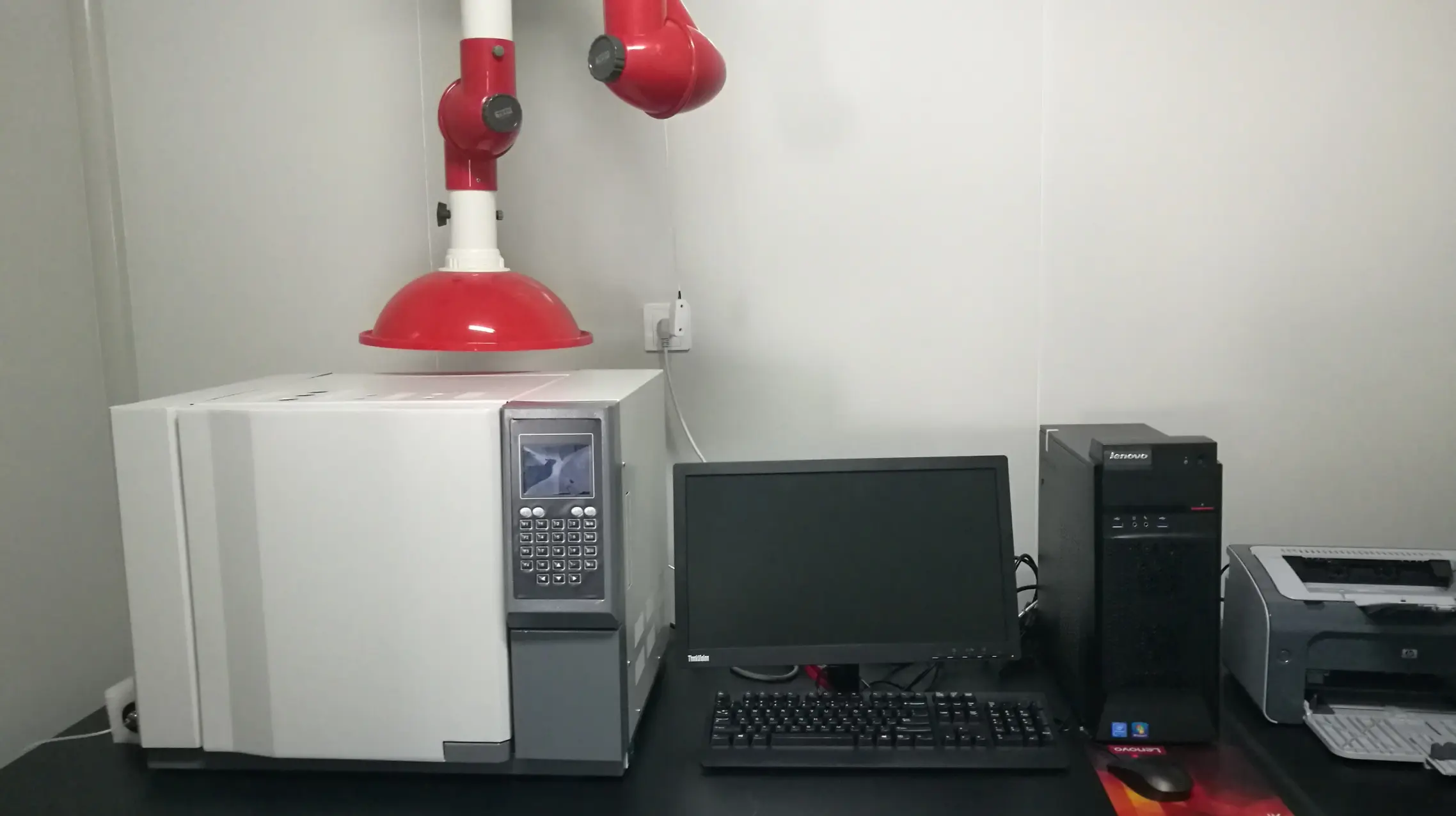
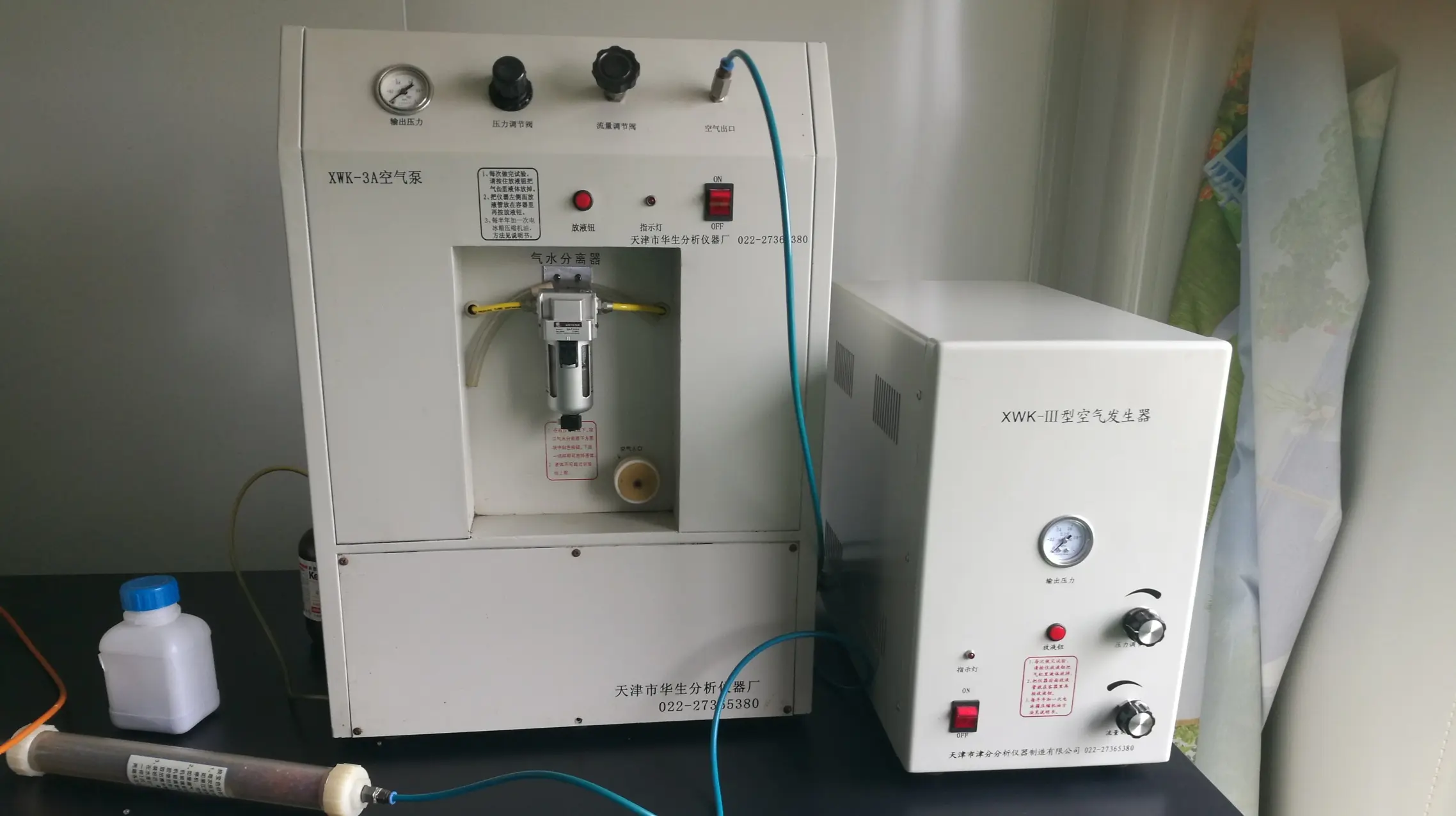
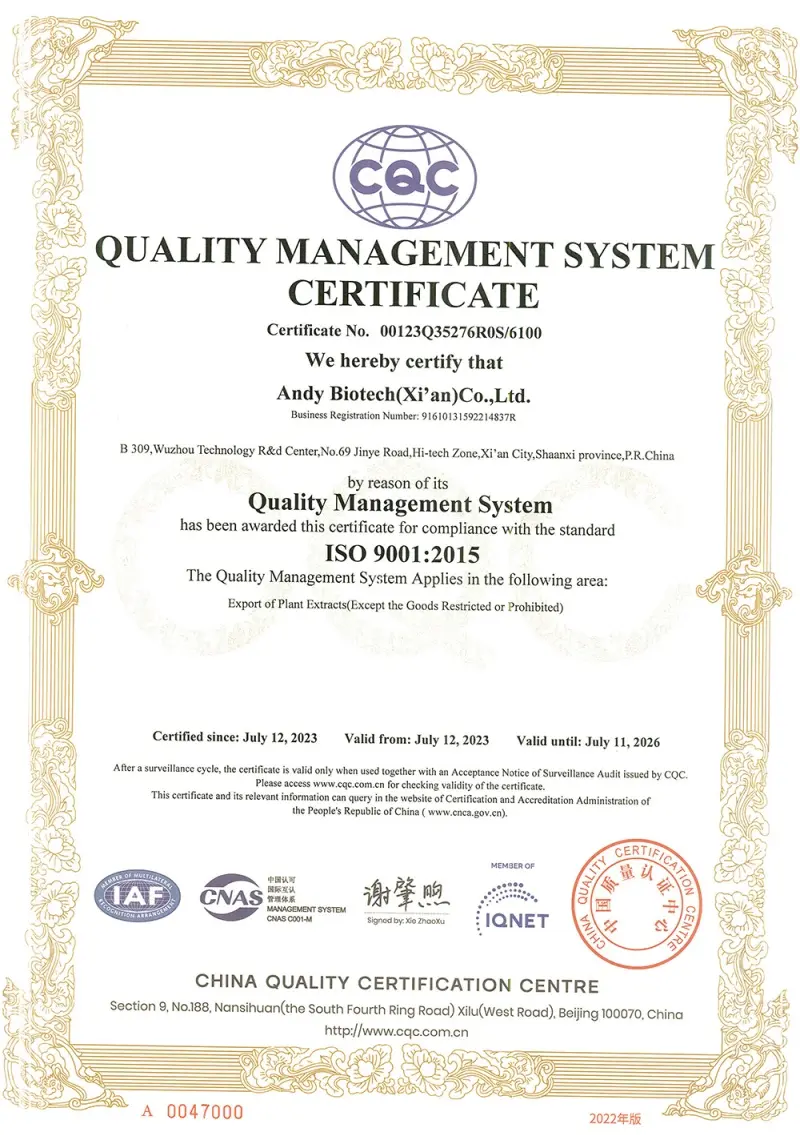
Quality and safety are non-negotiable. Every batch undergoes rigorous testing in our in-house laboratories, equipped with HPLC, GC-MS, and other advanced analytical instruments. We guarantee compliance with stringent international standards, including ISO, NSF, cGMP, and related certifications. Our commitment to transparency means you receive comprehensive Certificates of Analysis (CoA) for every product, ensuring traceability and peace of mind.
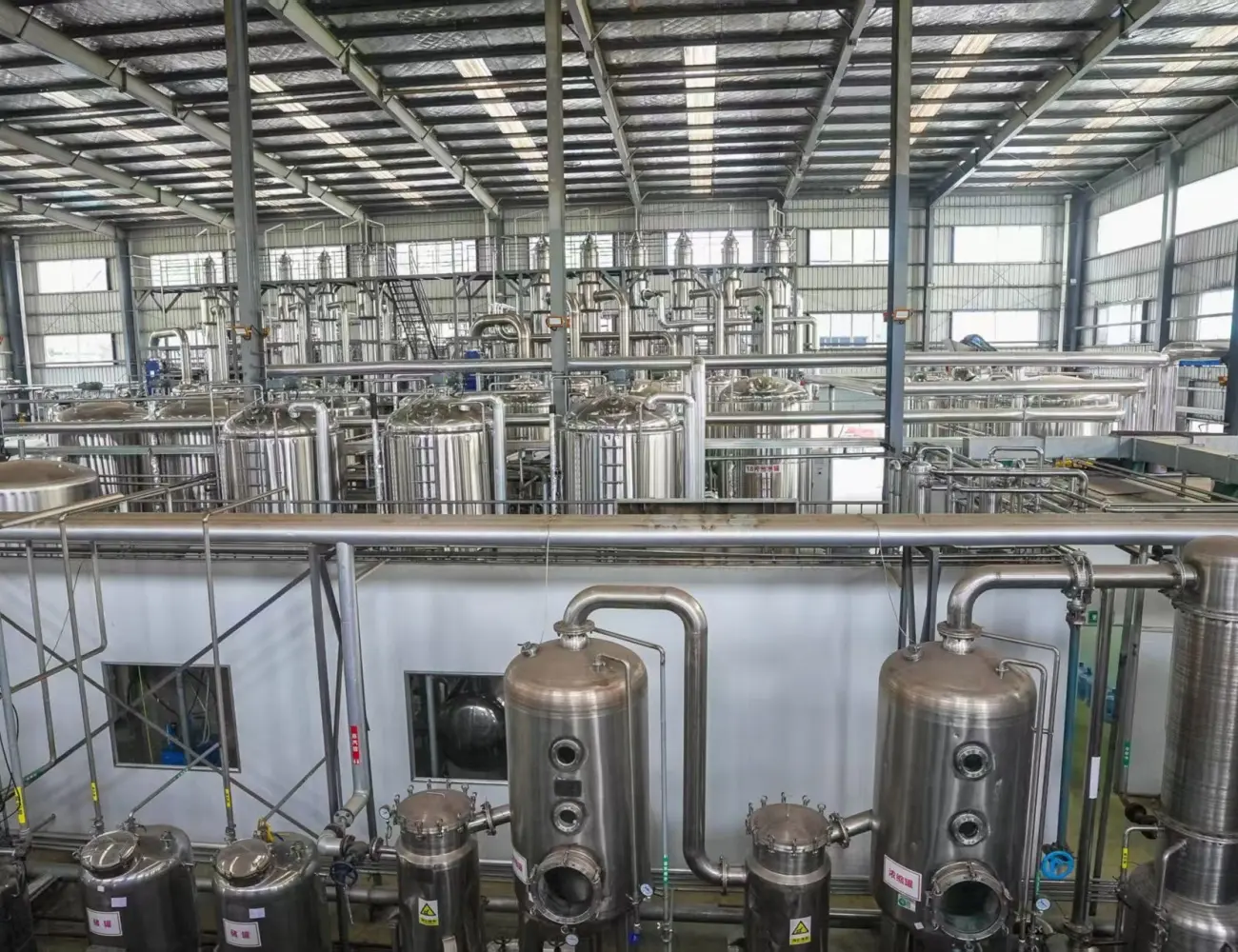
It’s one thing to just meet the regulations when providing ingredients, but when an ingredient supplier exceeds those standards and imposes even higher ones in its products, that is a sign of a company who cares. Andy Biotech takes extra steps to ensure that our independent third-party laboratory-tested ingredients you want meet our standards as well as your own.
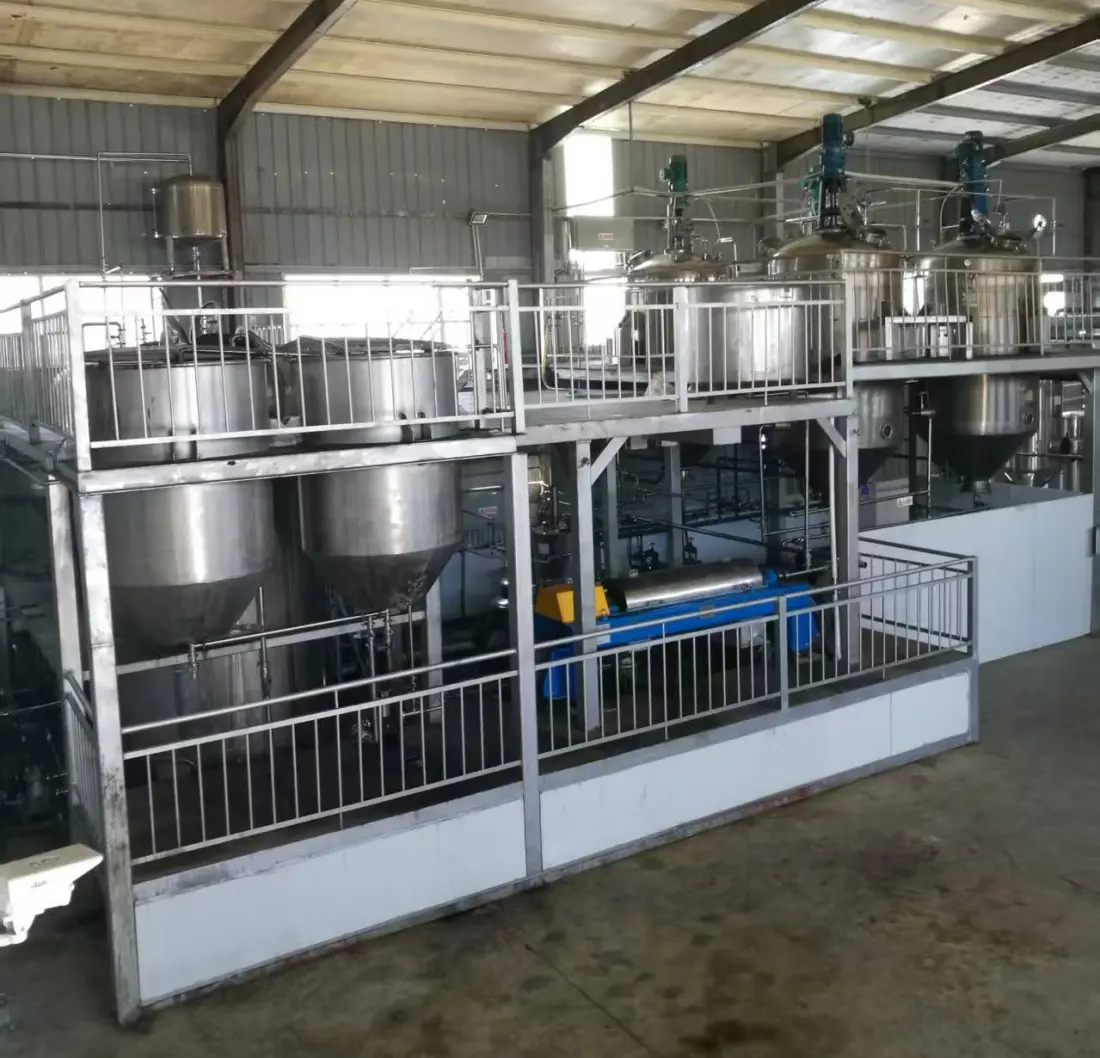
Our extensive portfolio features a wide range of standardized extract, ratio extract, and custom blends tailored to specific formulations. Whether you need Echinacea for immune support, Turmeric with high curcuminoid content, or innovative botanical blends for skincare, our technical team works closely with you to deliver exactly what your product requires. Andy Biotech provides high quality Ginkgo Biloba Extract, Lycopene Tomato Extract, Lutein Marigold Extract, Aloe Vera Gel Freeze Dried powder Aloe Vera Extract and other natural ingredients to food, health and nutraceutical industries.
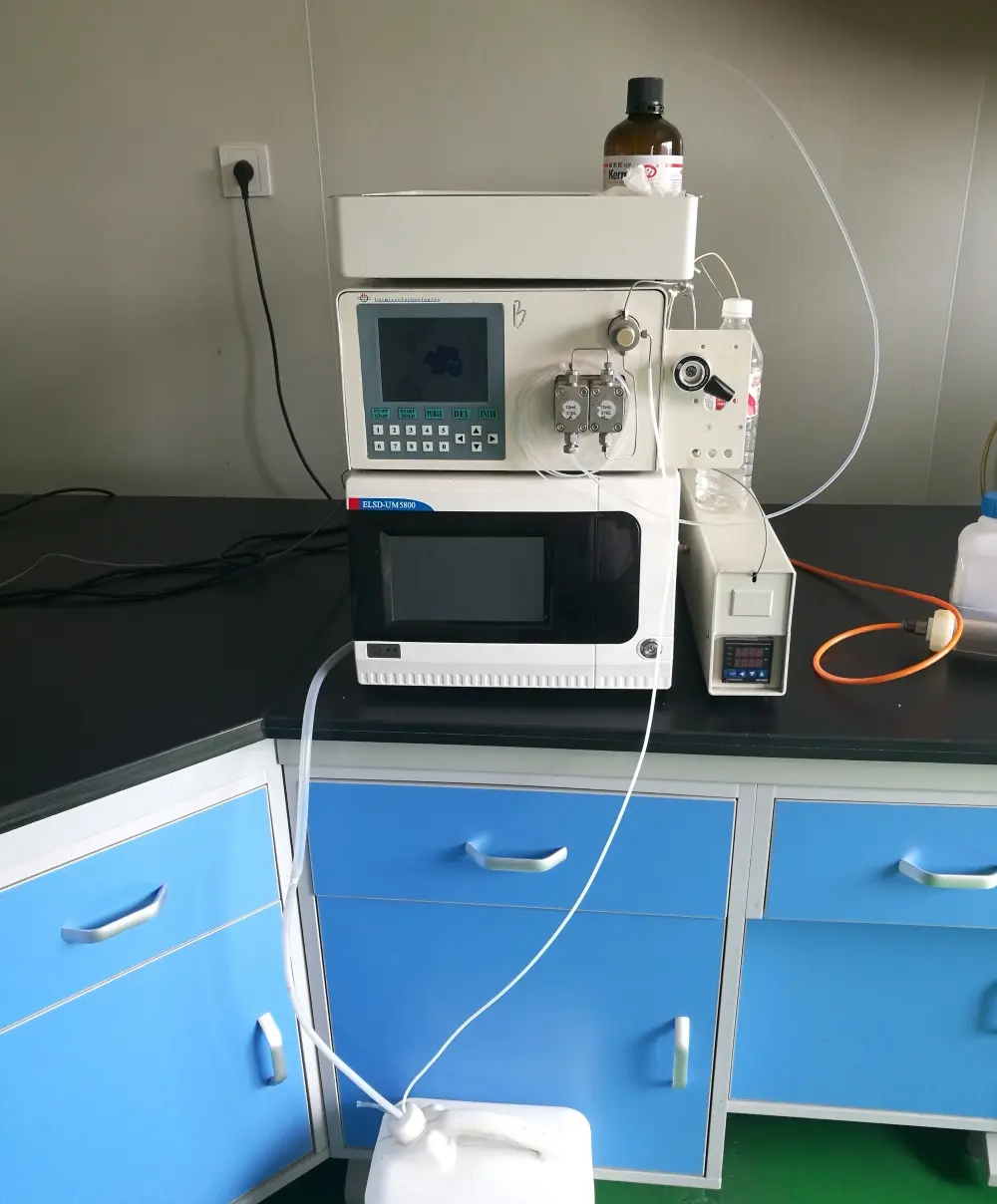
Andy was born in a small village close to Hanjiang River in Hanzhong Shaanxi province, China. Thirty years ago, when she was still a little child, she caught a cold, but the medical services were not available unless the family crossed over high mountains to find a hospital. Thus, Andy's grandfather first used Echinacea leaves soaked in water for her treatment, then he dug Echinacea root and shredded into pulp and squeezed the liquid for Andy to drink one spoon every two hours. Andy recovered after this treatment.
As a child, Andy watched his grandfather harness the healing power of plants in his humble garden. His ancient herbal remedies were not just treatments; they were magic. That early wonder blossomed into a profound passion for plant extracts and a deep respect for nature’s wisdom. From that time on, little Andy swore that he would help to spread all herbs all over the world to give benefit to more people.
This personal journey is the heart of Andy Biotech. It’s why Andy Biotech are dedicated to researching and delivering the purest, most effective botanical solutions for modern wellness. Andy’s lifelong vow is to honor that tradition by innovating for a healthier future, empowering lives through the timeless power of plants.
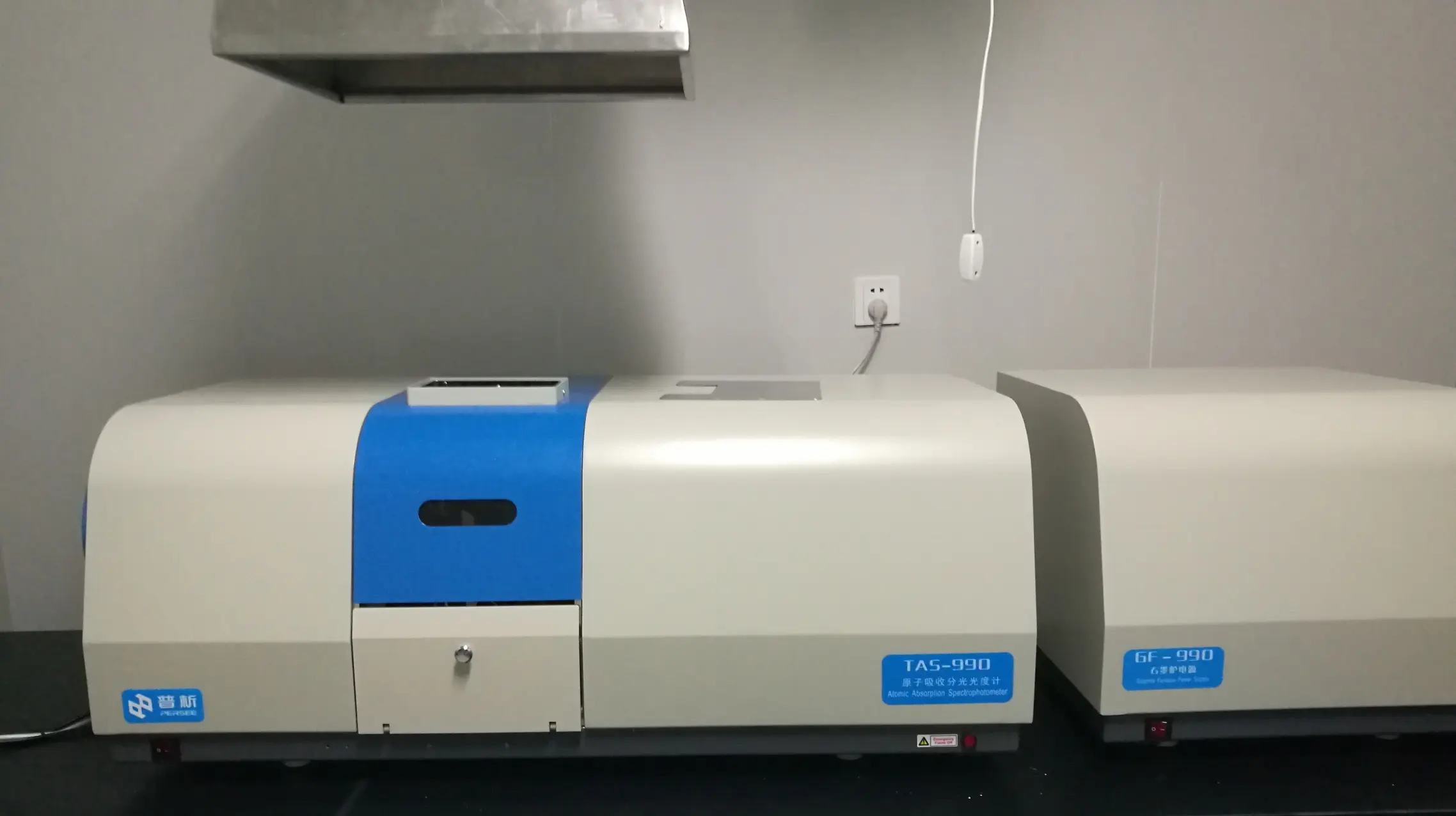
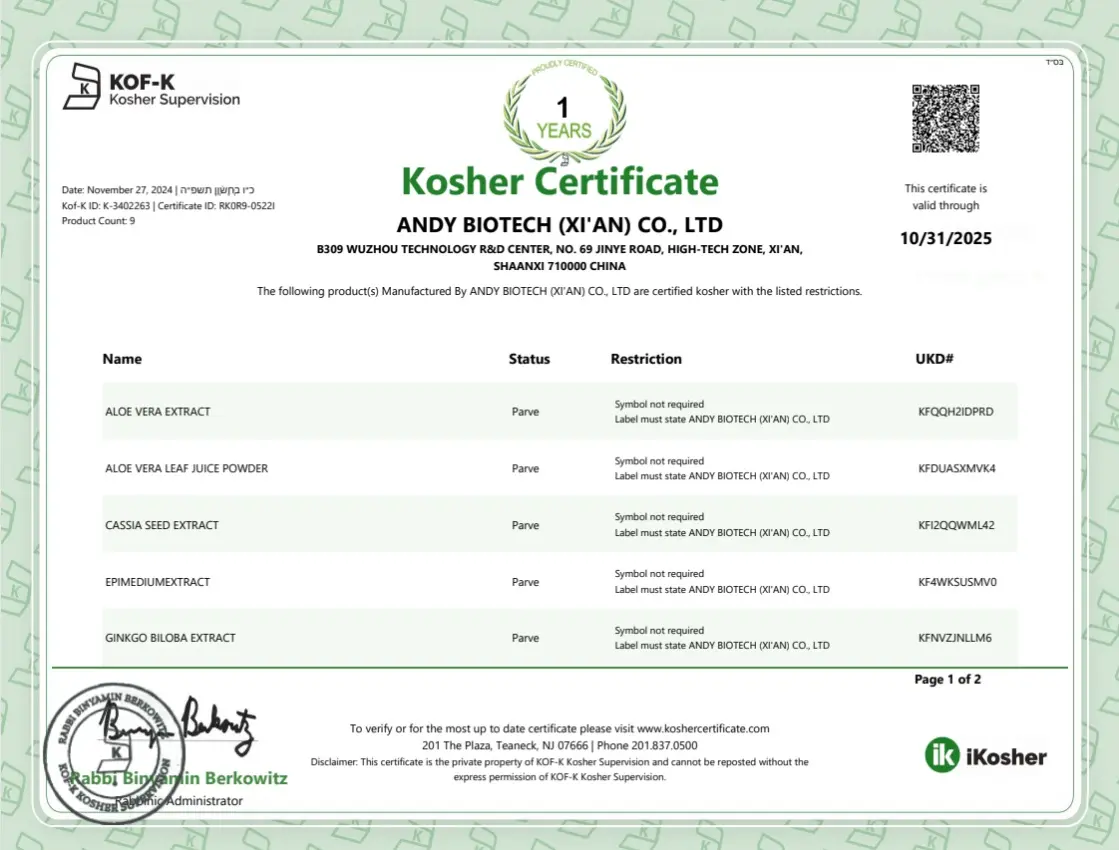
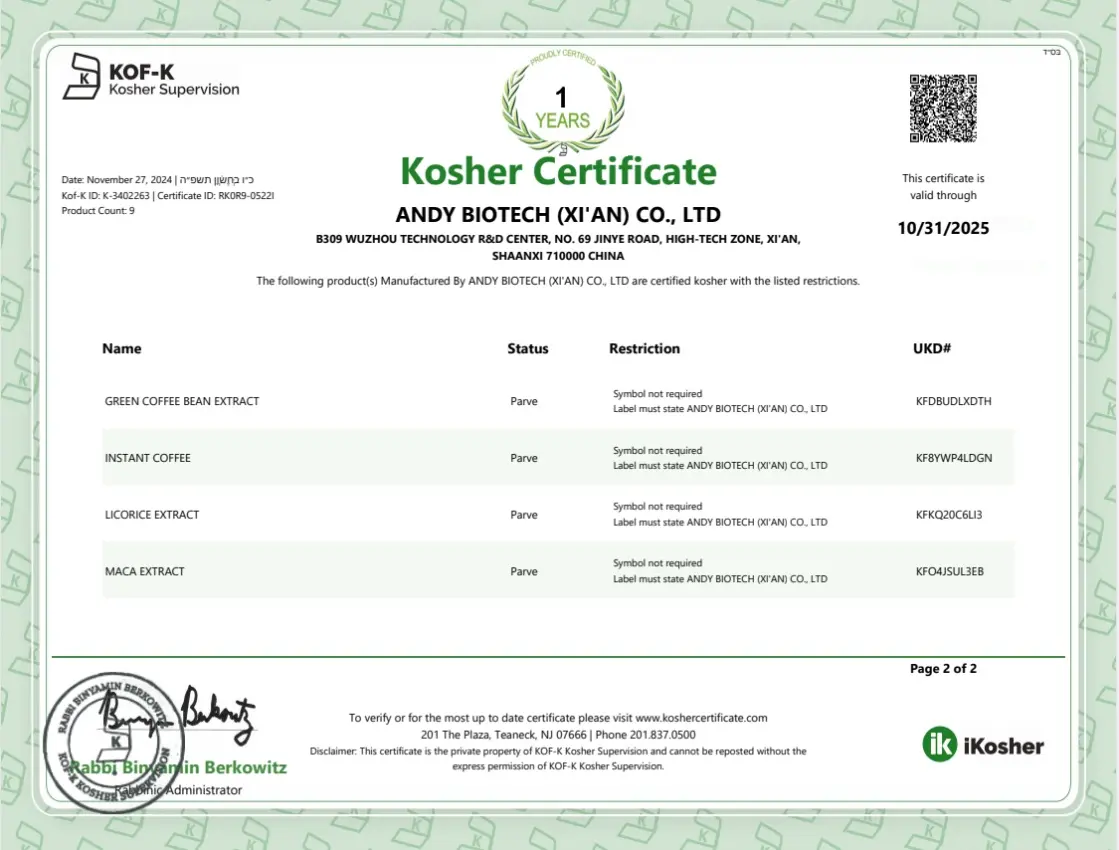
Our facilities operate under the strictest international regulatory bodies. We hold multiple system certifications proving our capabilities and quality safety adherence.
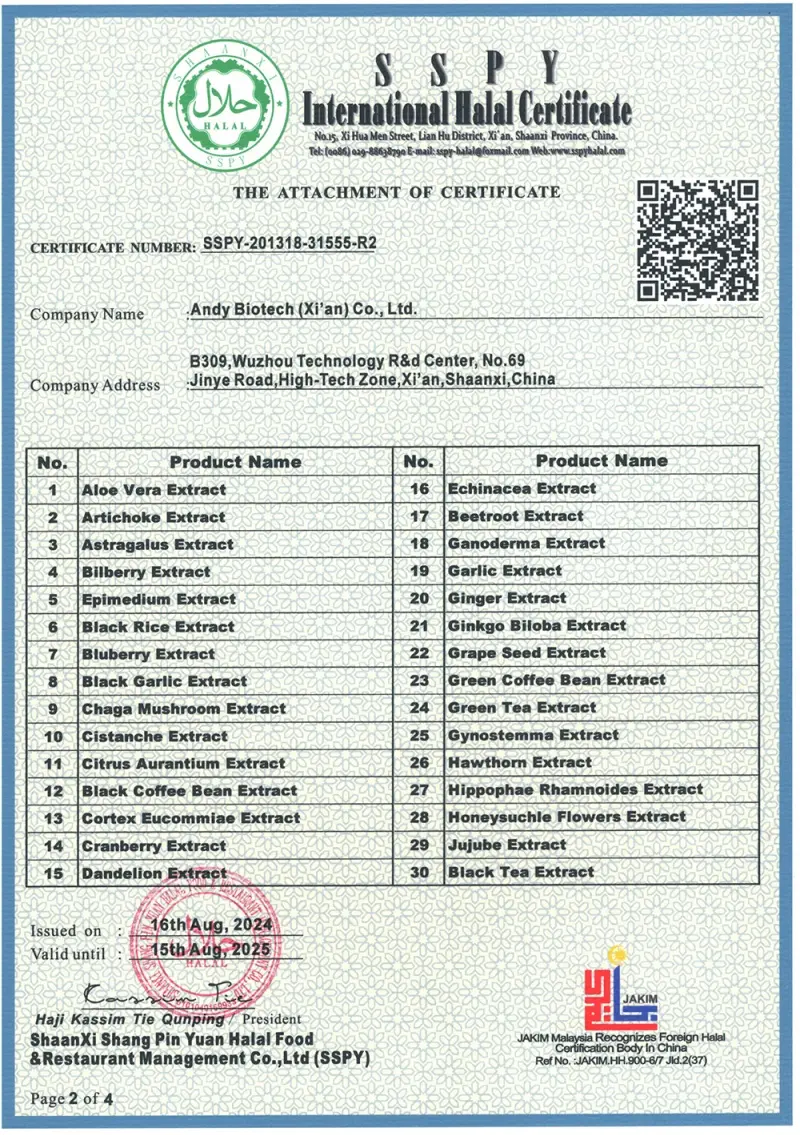
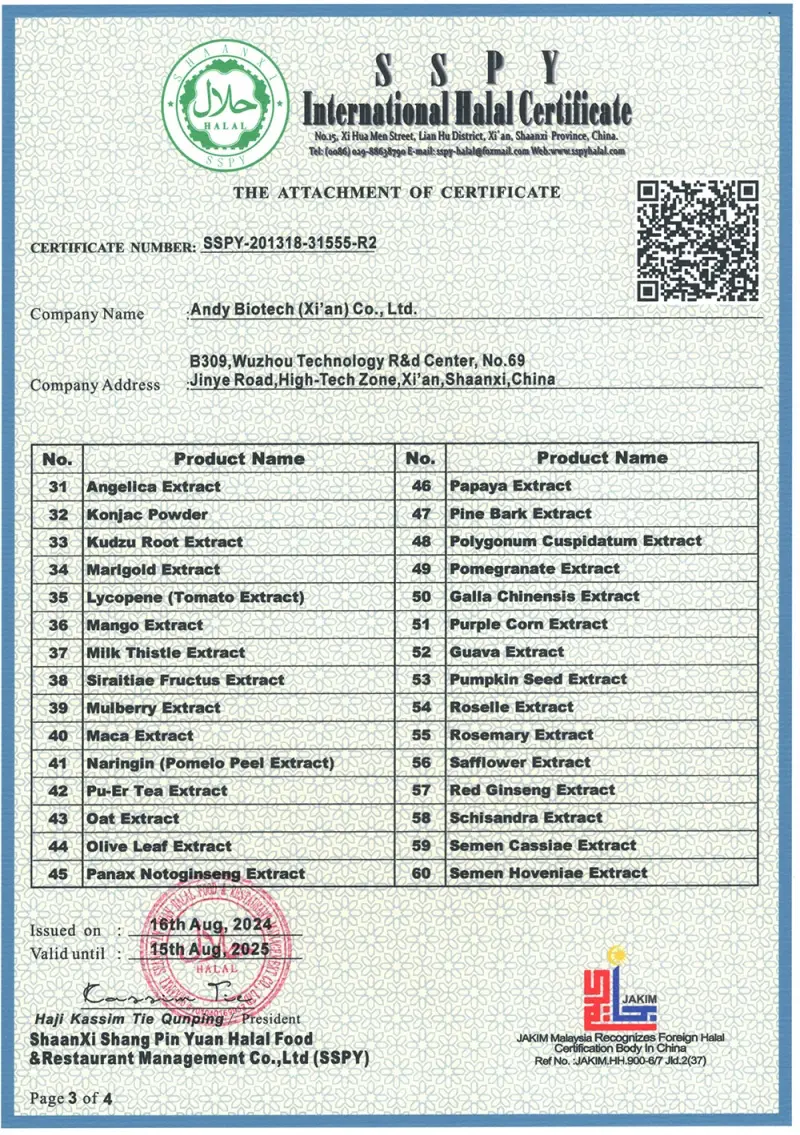
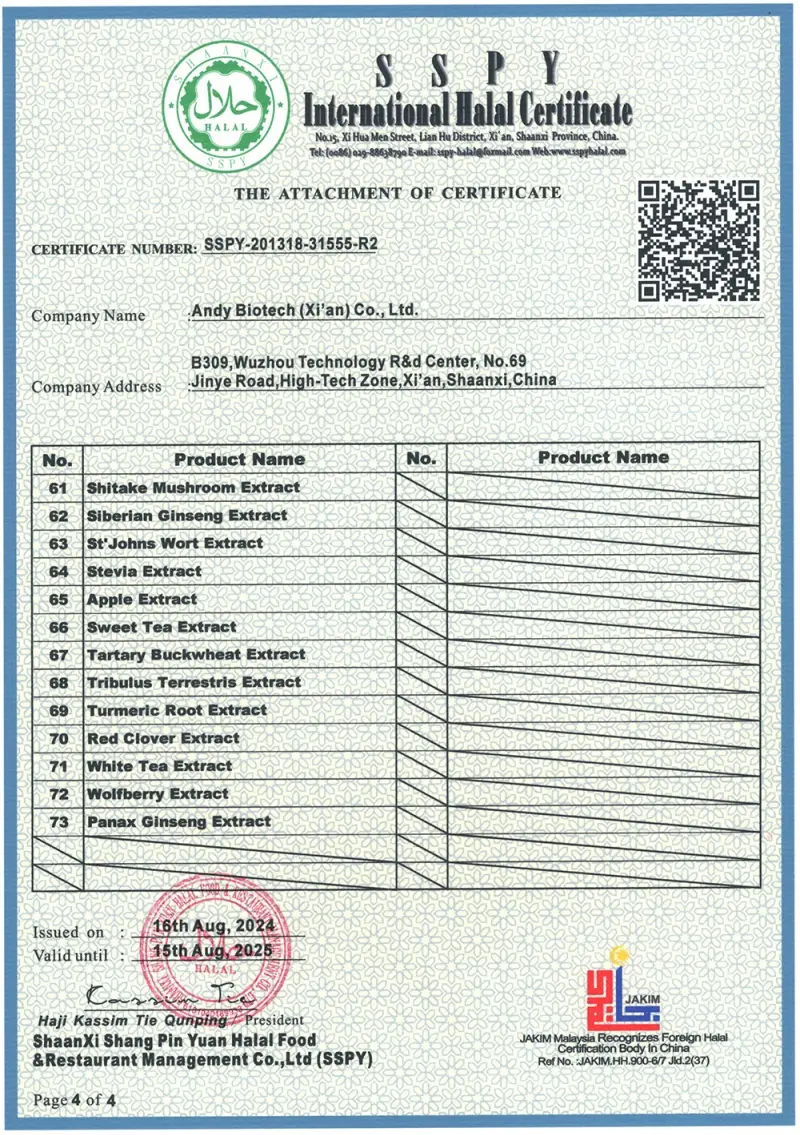
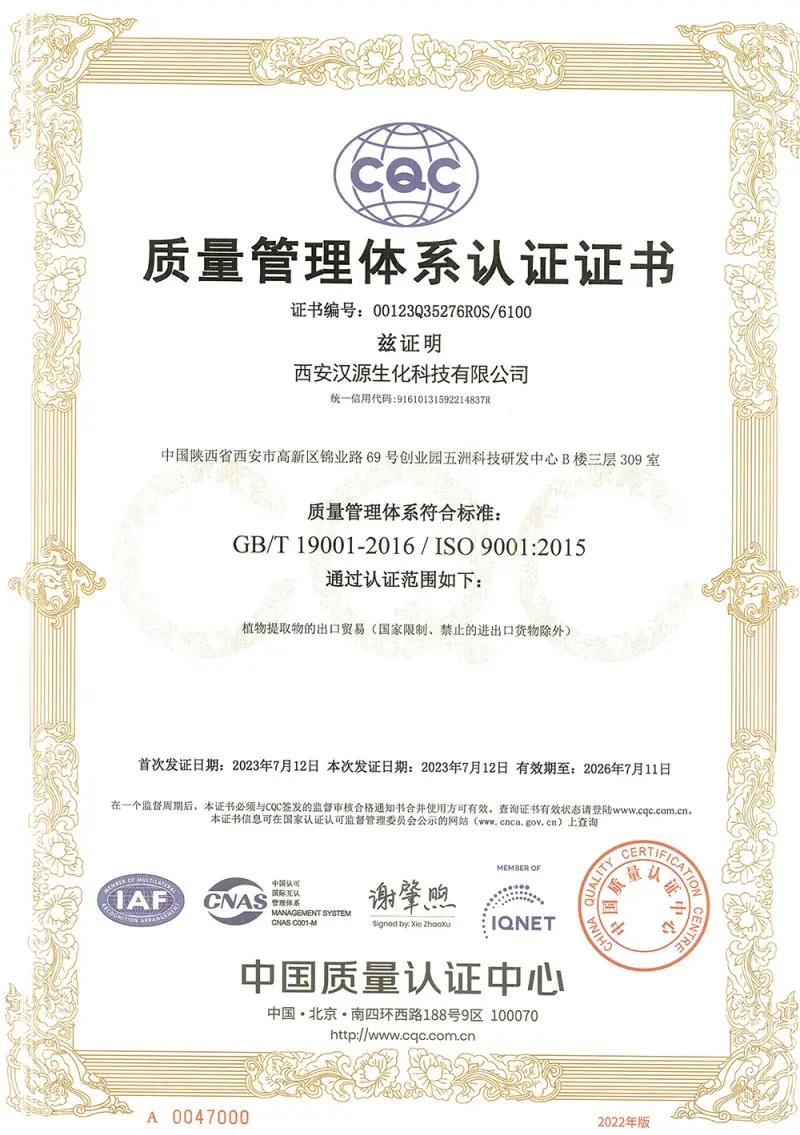
In-depth technical answers regarding manufacturing, chemical profiles, standards, and global import logistics.
Our L-Rhamnose is extracted primarily from the flower buds of Sophora japonica L. (source of Rutin) via chemical/enzymatic hydrolysis. This ensures a 100% natural plant-derived product, satisfying natural cosmetic requirements and avoiding synthetic label concerns.
The main difference is the crystalline water. L-Rhamnose monohydrate (CAS 10030-85-0) contains one molecule of water of crystallization, with a water content typically between 8% and 11%. Anhydrous L-Rhamnose (CAS 3615-41-6) is highly hygroscopic and must be sealed meticulously. The monohydrate form is the standard commercial product for shipping due to its physical stability.
In anti-aging and moisturizing cosmetic formulations, L-Rhamnose is typically included at concentrations ranging from 2.0% to 5.0%. Formulators select it due to its high water solubility and clinical efficacy in triggering collagen synthesis in dermal fibroblasts.
Our vertically integrated supply chain ensures strict controls from planting to packing. We implement supercritical extraction and multi-stage crystallization systems that remove impurities. Every batch is tested using LC-MS/MS for pesticide residues, complying with EU Regulation 396/2005 and USP limits.
High-purity botanical raw materials and active pharmaceutical ingredients supplied to global markets with full documentation support.
 Andy Biotech