 Andy Biotech
1 / 1
| Gentiopicroside Technical Data Sheet | |
| Sense Index | |
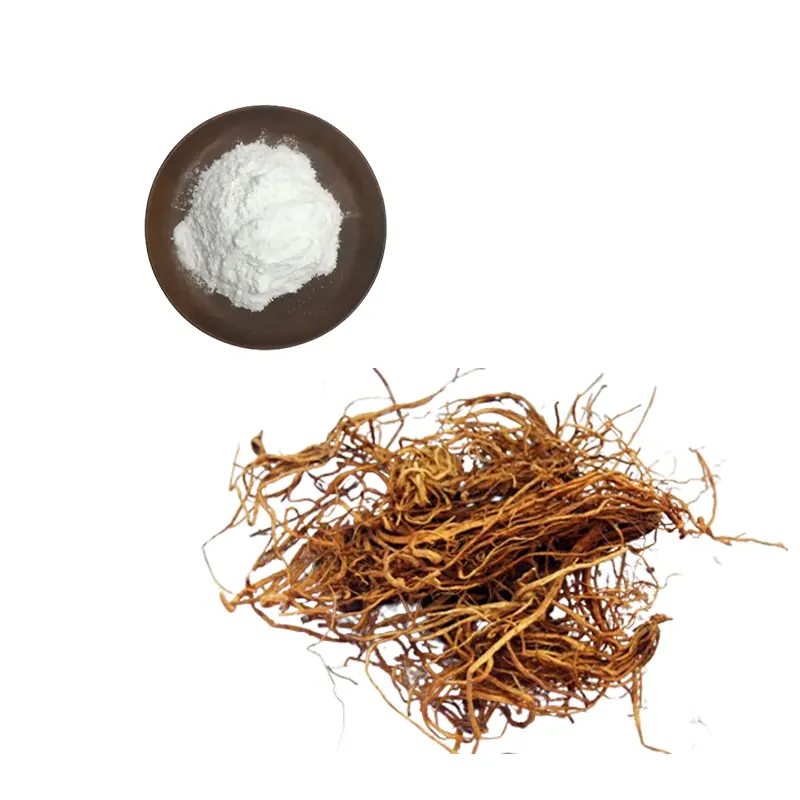
| Appearance | White crystallized powder |
| Odor & Taste | Characteristic |
| Physical-chemical Index | |
| Chemical formula | C16H20O9 |
| Cas No. | 20831-76-9 |
| Assay — Gentiopicroside (HPLC) | 98% Min |
| Particle Size | 98% pass 80 mesh |
| Loss on drying | 5% Max |
| Ash | 5% Max |
| Heavy metals | 10ppm Max |
| Lead | 2ppm Max |
| Arsenic | 2ppm Max |
| Mercury | 0.1ppm Max |
| Cadmium | 1ppm Max |
| Hygienic Index | |
| Total plate count | 1,000 cfu/g Max |
| Mold & yeast | 100 cfu/g Max |
| Enterobacteriae | 10 cfu/g Max |
| E. Coli | Absent in 10g |
| Salmonella | Absent in 25g |
| Statements: Non-Irradiated, Non-GMO | |
| Packaging: 1kg/aluminium foil bag, 25kg/drum (37×37×50cm). | |
| Shelf Life: 24 months stored in original packaging away from the light, and under the optimal temperature 10~25℃. | |
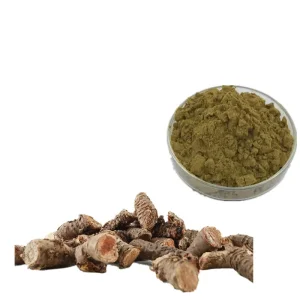
Gentiopicroside is a naturally occurring iridoid glycoside with the molecular formula C16H20O9, primarily extracted from the roots and rhizomes of Gentianaceae plants such as Gentiana scabra. As the core bitter component and active substance of the traditional Chinese herb Gentian (Longdan), its content is often used as a key indicator for evaluating the quality of the medicinal material.
This compound appears as a white crystalline powder with an intensely bitter taste and is readily soluble in water, methanol, and ethanol. It has a long history of use in traditional medicine, while modern research employs methods like High-Performance Liquid Chromatography (HPLC) for its quantitative analysis to ensure standardization and stability.
Gentiopicroside possesses multiple significant pharmacological activities. Its most prominent efficacy lies in hepatoprotection and cholagogic effects, effectively promoting bile secretion, reducing hepatocyte damage, and alleviating jaundice symptoms.
Furthermore, it demonstrates potent anti-inflammatory and analgesic properties by modulating inflammatory pathways such as NF-κB and inhibiting the release of inflammatory mediators. Research also indicates its anti-tumor potential, inducing apoptosis in cancer cells like hepatocellular carcinoma and gastric cancer cells.
Additionally, it exhibits diverse biological activities including antibacterial, anti-ulcer, gastroprokinetic, and neuroprotective effects, showcasing broad therapeutic potential.
In the pharmaceutical field, gentiopicroside is a key ingredient in various hepatoprotective and cholagogic preparations (e.g., Hugan Pian, Xiaoyan Lidan Pian) and anti-inflammatory/analgesic drugs.
In the health product industry, it is used to develop functional products for liver protection, hangover relief, and digestive improvement. The cosmetics sector utilizes its anti-inflammatory properties by incorporating it into skincare formulations designed to soothe sensitive skin and combat acne.
Moreover, it is used in veterinary medicine to treat hepatobiliary diseases in animals and in the food industry as a natural bittering agent. Currently, as a lead compound, it is under continuous research for developing novel drugs targeting tumors and neurodegenerative diseases.