 Andy Biotech
1 / 1
| Cranberry Powder Technical Data Sheet | |
| Sense Index | |
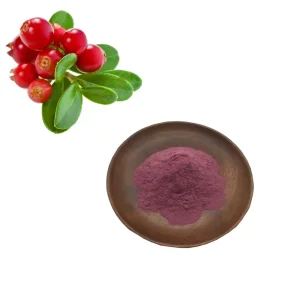
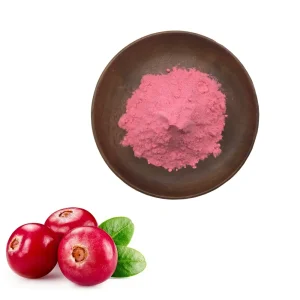
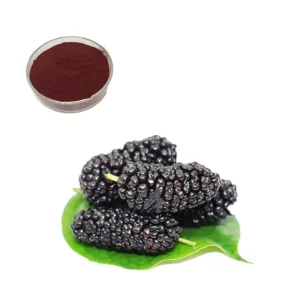
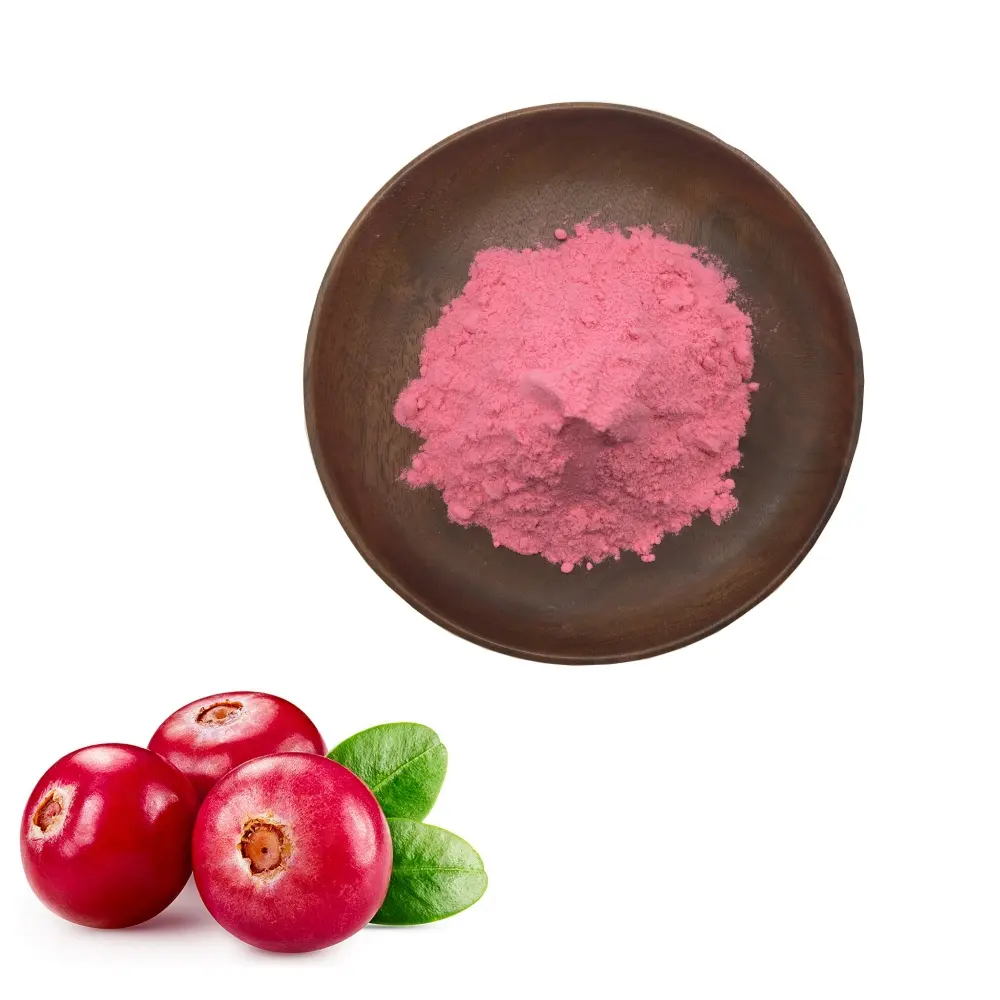
| Appearance | Purple red powder |
| Odor & Taste | Characteristic |
| Physical-chemical Index | |
| Particle Size | 98% pass 80 mesh |
| Loss on drying | 5% Max |
| Ash | 5% Max |
| Heavy metals | 10ppm Max |
| Lead | 2ppm Max |
| Arsenic | 2ppm Max |
| Mercury | 0.1ppm Max |
| Cadmium | 1ppm Max |
| Hygienic Index | |
| Total plate count | 1,000cfu/g Max |
| Mold & yeast | 100cfu/g Max |
| Enterobacteriae | 10cfu/g Max |
| E.Coli | Absent in 10g |
| Salmonella | Absent in 25g |
| Statements & Packaging | |
| Statements: Non-Irradiated, Non-GMO | |
| Packaging: 1kg/aluminium foil bag, 25kg/drum (37*37*50cm). | |
| Shelf Life: 24 months stored in original packaging away from the light, and under the optimal temperature 10~25℃. | |
Cranberry powder is a natural powder produced from fresh cranberries through pressing, filtration, low-temperature concentration, and spray drying. This process maximizes the retention of cranberries' original flavor, vibrant red color, and water-soluble active components, while removing most of the moisture. The resulting product is lightweight, dissolves quickly, and is easy to store and transport. It preserves the distinctive sweet-tart taste of cranberries and serves as a nutritionally dense natural food ingredient widely used in food processing and the health industry.
Cranberry powder is rich in bioactive compounds such as proanthocyanidins, organic acids, vitamin C, and polyphenols. Its most renowned benefit is supporting urinary tract health, as the proanthocyanidins help inhibit the adhesion of certain bacteria to the urinary tract walls. Additionally, it possesses strong antioxidant properties, aiding in scavenging free radicals and boosting immunity. Cranberry juice powder also contributes positively to oral and cardiovascular health. It serves as a natural health-supporting food suitable for daily nutritional supplementation.
Cranberry powder is widely used in the food and health products industries. In food manufacturing, it is commonly incorporated into beverages, dairy products, baked goods, candies, and snacks as a natural colorant, flavor enhancer, and nutritional fortifier. In the health supplements sector, it serves as a key raw material for producing urinary health dietary supplements like cranberry capsules and tablets. Furthermore, it can be directly reconstituted into instant drinks or added to breakfast cereals and nutrition bars, enhancing daily diets with healthy flavor and nutrients.