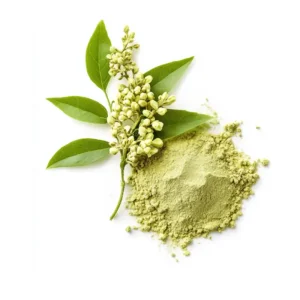
High-purity raw ingredients sourced from audited ecological processing centers for food, beverage, and dietary supplement formulations.
The global food and beverage industry is undergoing a monumental shift away from synthetic sweeteners and high-fructose corn syrups towards natural, calorie-free alternatives. Among the most popular botanical sweeteners is Stevia rebaudiana, a plant native to South America but now cultivated and processed globally. As companies target "clean-label" formulations, understanding the logistics, biochemistry, and manufacturing capacities of wholesale stevia processing suppliers and factories has become key to operational success.
Steviol glycosides, the active sweet compounds within stevia leaves, offer a sweetness potency ranging from 200 to 400 times that of sucrose. However, extracting these compounds without introducing bitter, metallic, or astringent off-notes requires highly specialized, multi-stage processing plants. Today's procurement teams are looking beyond basic cost-per-kilogram metrics. Instead, they focus on finding reliable, large-scale factories that use advanced membrane separation, ion exchange purification, and enzymatic modification technologies to deliver clean-tasting glycosides like Rebaudioside M (Reb M), Rebaudioside D (Reb D), and Rebaudioside A (Reb A).
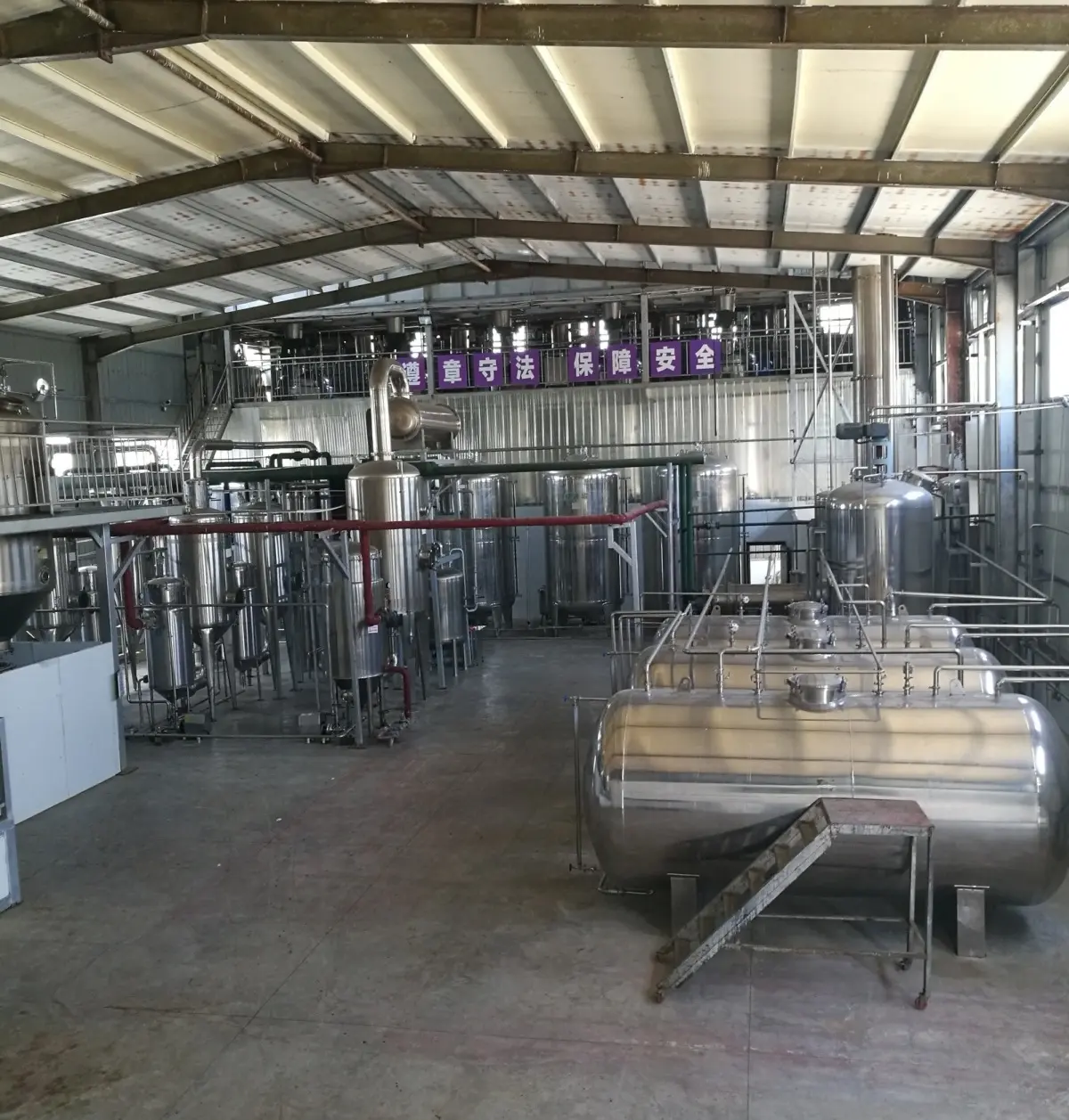
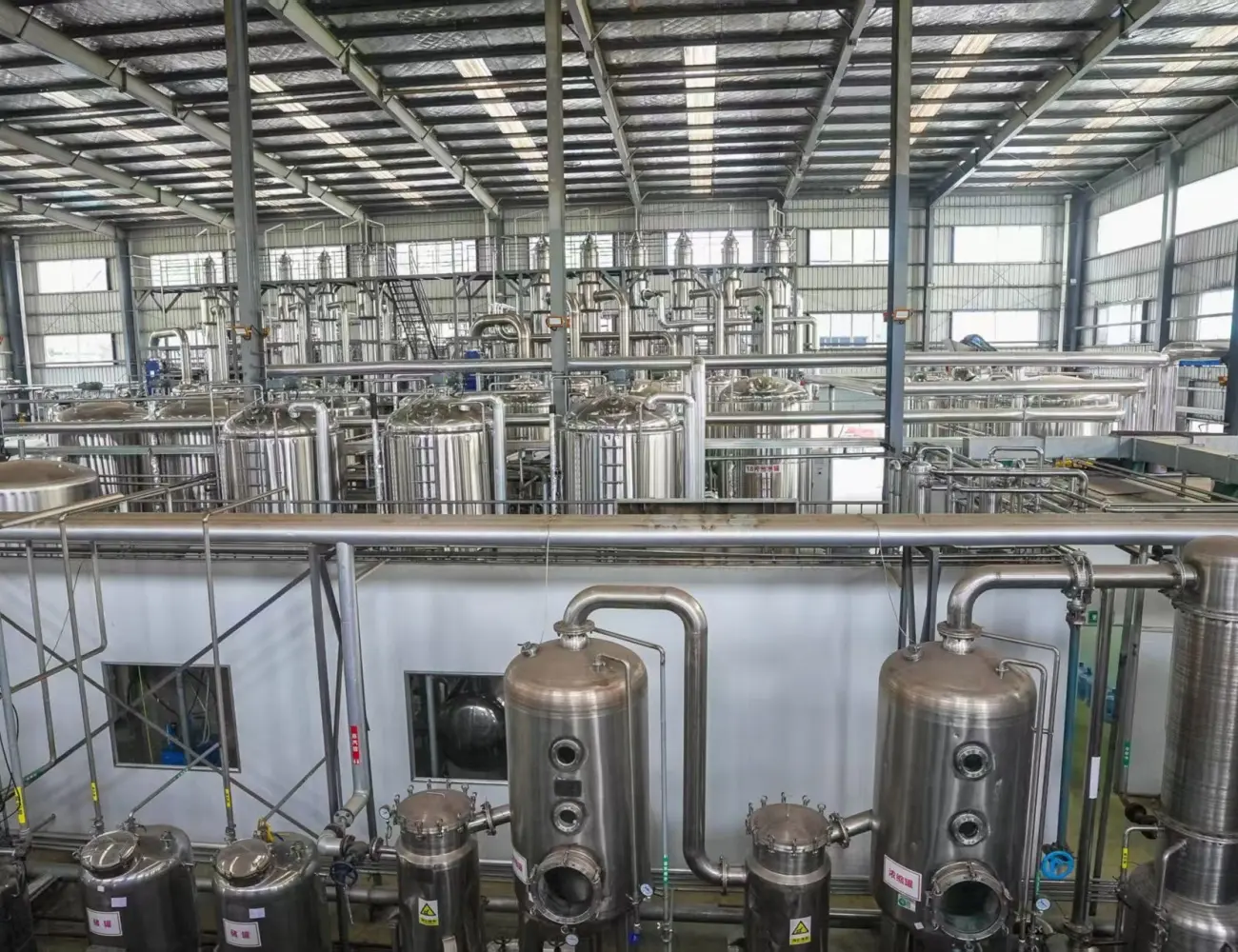
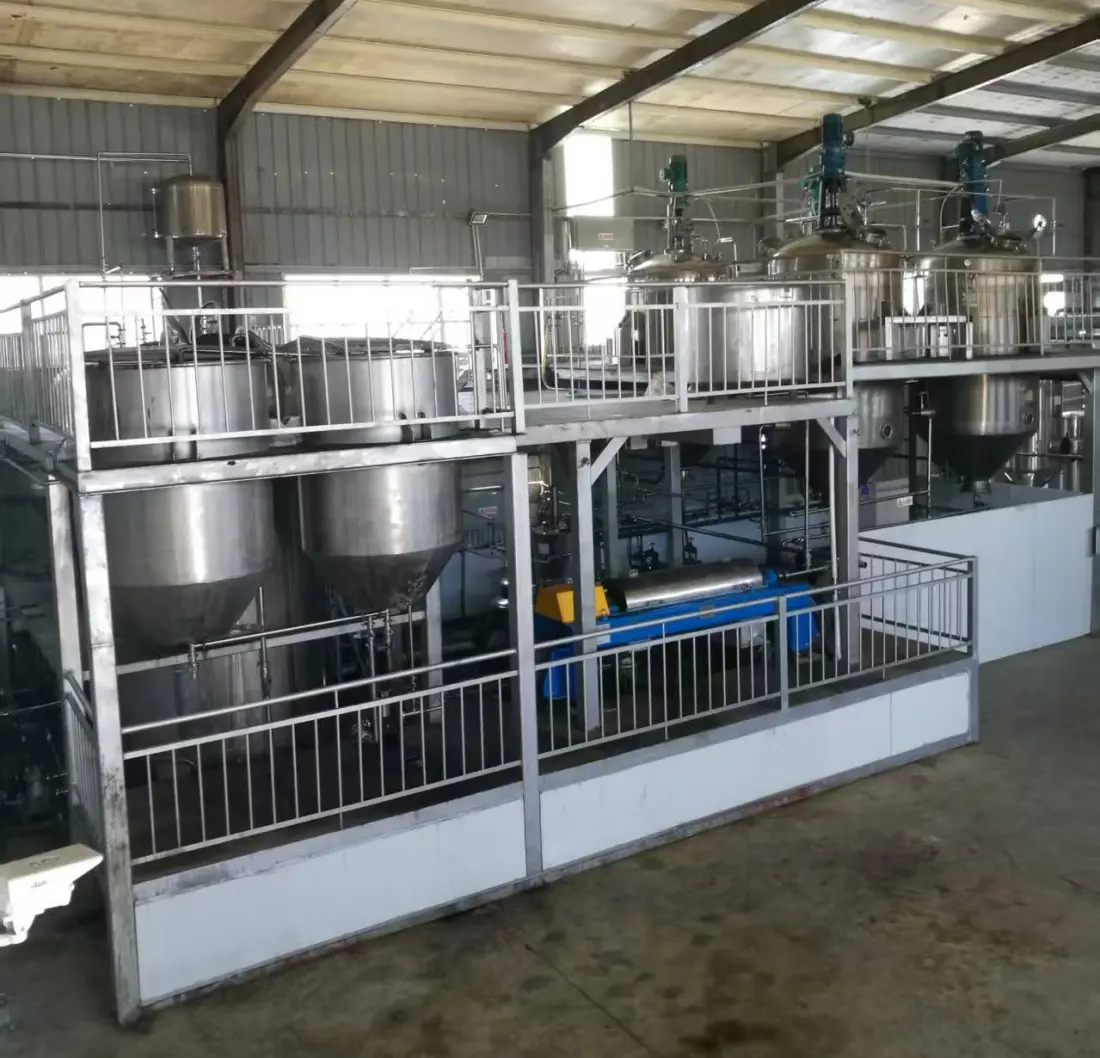
Supercritical water extraction and continuous countercurrent systems optimize the preservation of volatile, sweet-tasting compounds.
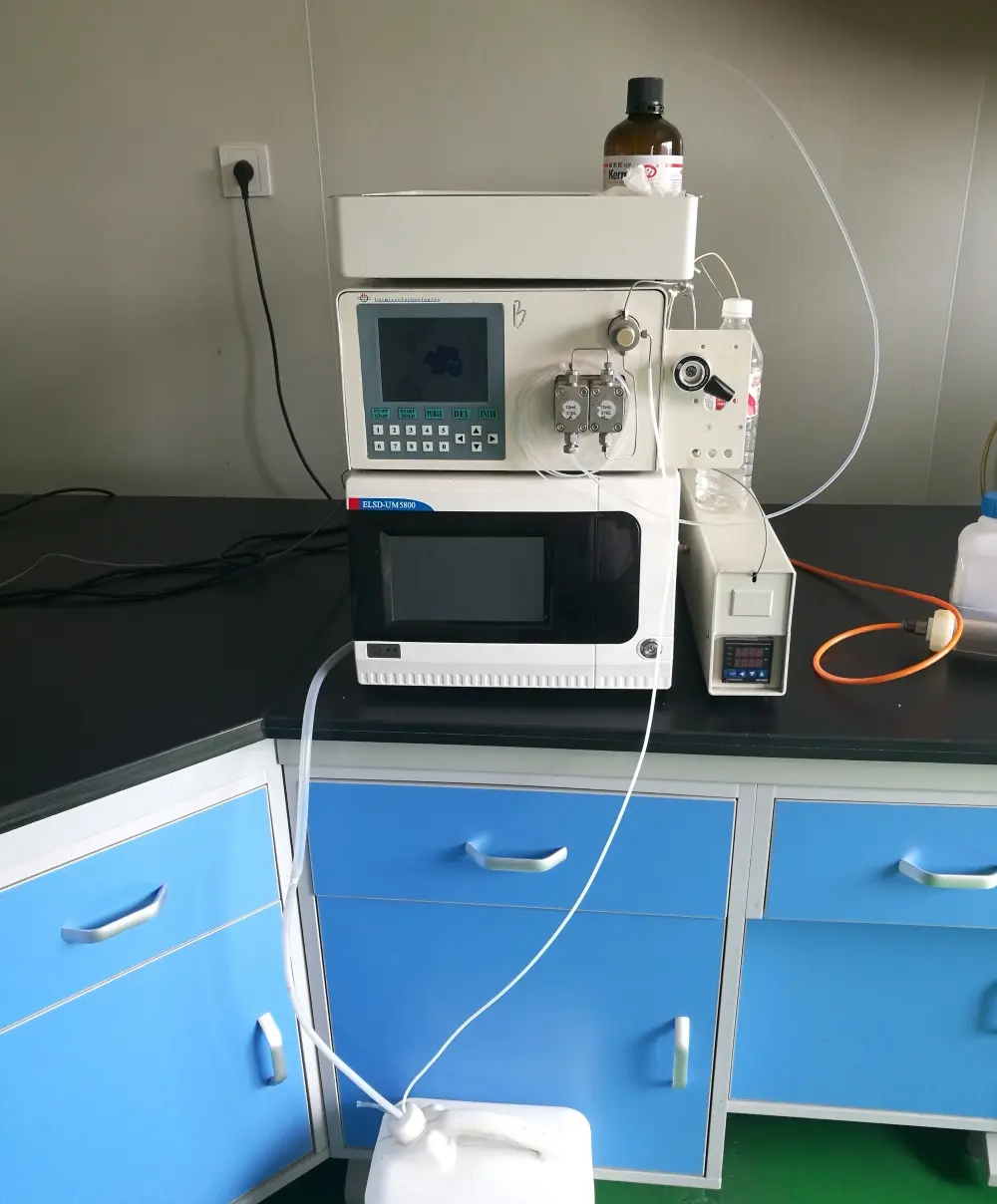
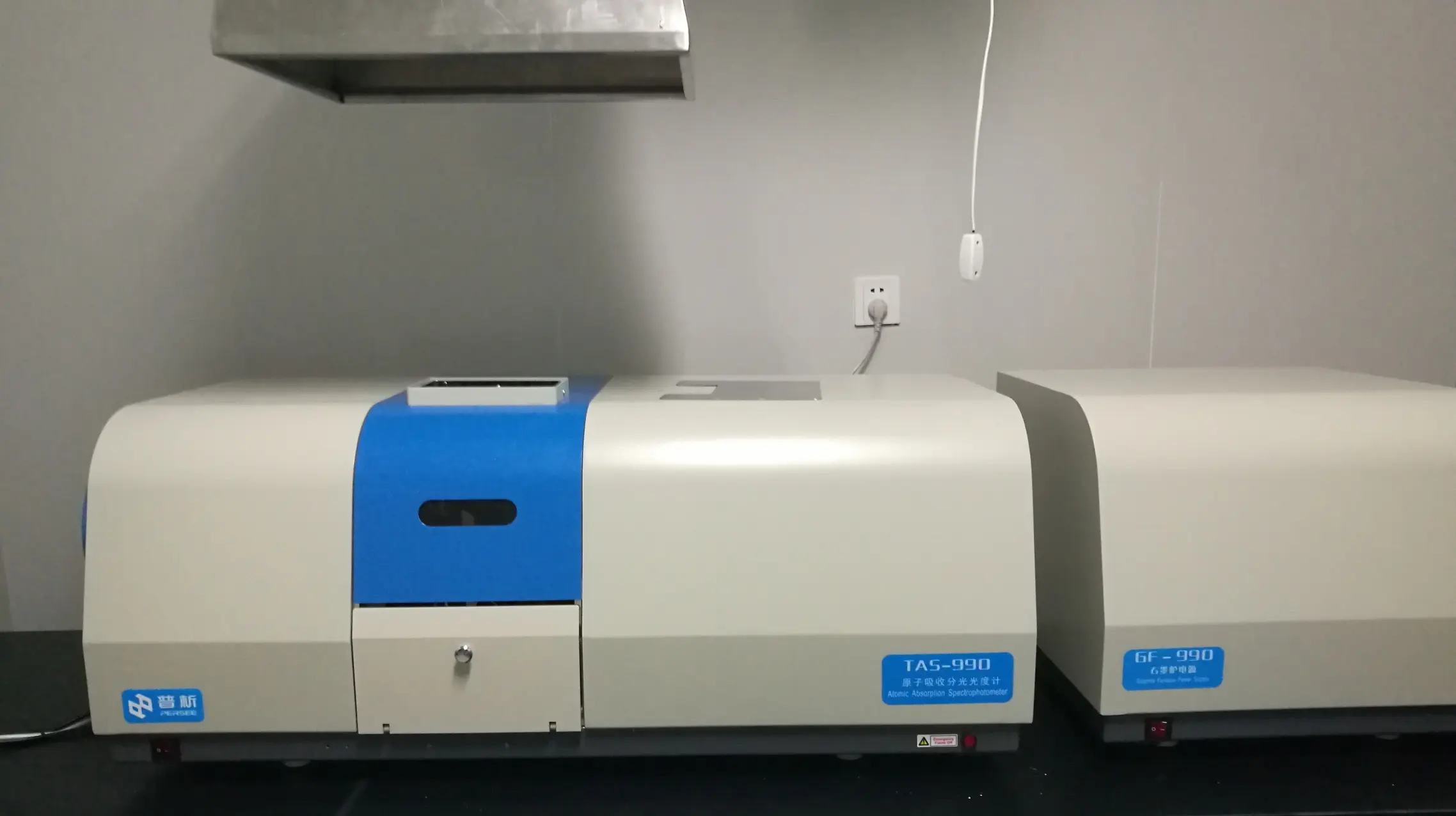
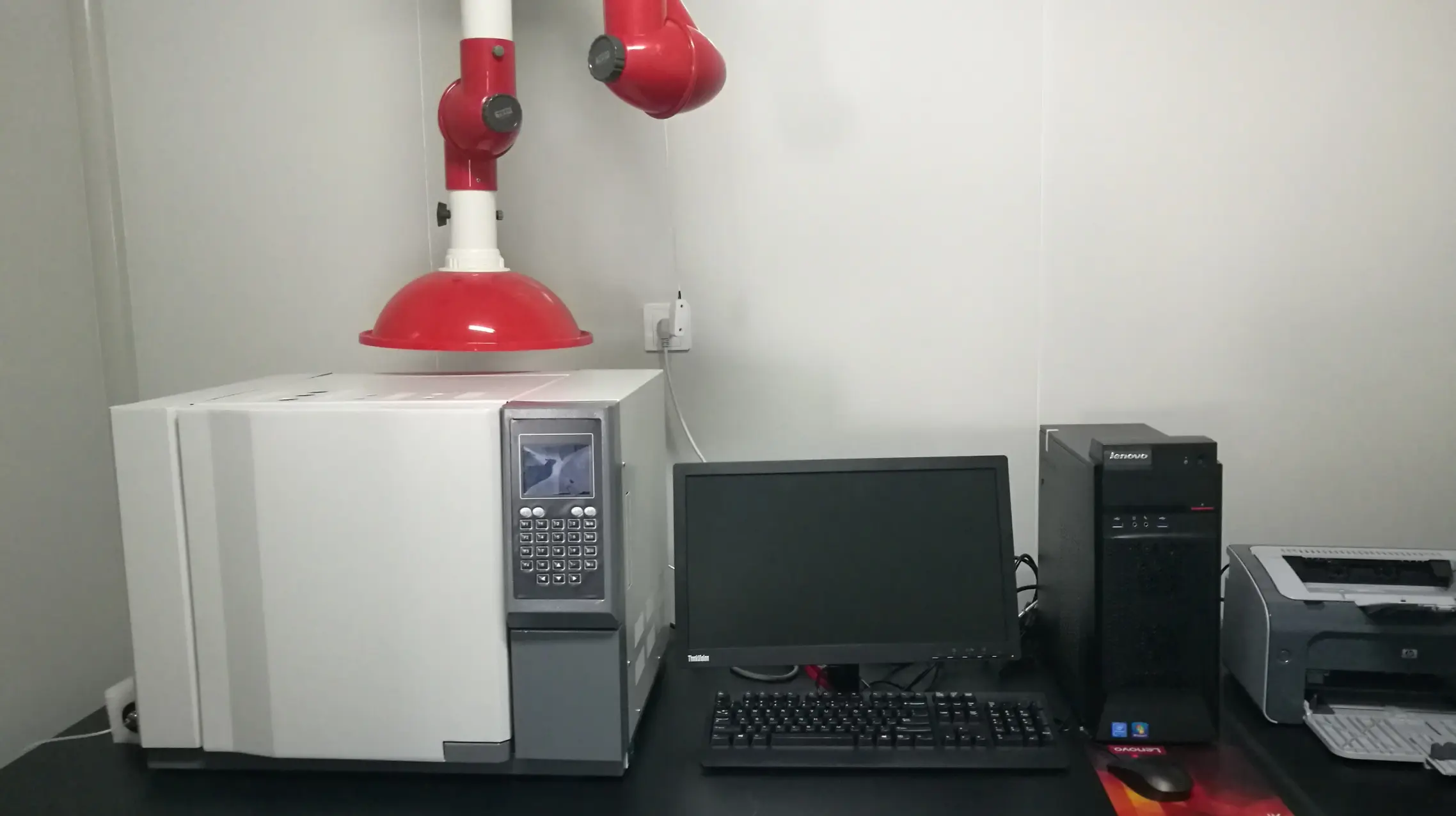
State-of-the-art analytical equipment (HPLC/GC-MS) ensures active steviol glycoside concentrations exceed 95% to 98% specifications.
Zero-waste production models convert spent stevia leaf biomass into organic fertilizers and bio-energy sources.
Modern wholesale stevia processing is a complex science that separates different steviol glycosides based on their molecular weights, polarities, and structures. The stevia leaf contains dozens of sweet glycosides, each with a unique taste profile, sweetness threshold, and onset time:
To produce consistent, non-GMO, organic stevia sweeteners, advanced Chinese and global factories implement a multi-stage refinement process:
China is a global leader in stevia leaf refining, supplying more than 75% of the world's steviol glycosides. This dominant position is built on several key structural advantages:
Major Chinese processors operate vertically integrated models that bridge agricultural cultivation with high-capacity extraction facilities. By establishing raw material agricultural zones in regions like Inner Mongolia, Xinjiang, and Shaanxi—which offer optimal sunlight hours and warm climates—factories ensure a steady supply of premium, high-glycoside stevia leaves. This direct control minimizes transport time and prevents raw leaf degradation.
Chinese factories use highly automated, continuous production lines. Equipped with imported membrane separation systems and advanced chromatography columns, these plants can process hundreds of metric tons of raw leaves daily. This scale supports the production of high-purity fractions (such as Reb A 97%, Reb D 95%, and Reb M 95%) with batch-to-batch consistency that meets strict global regulatory standards.
By optimizing thermal energy recovery and utilizing closed-loop water systems, Chinese refining facilities minimize utility costs. This operational efficiency translates directly into lower wholesale pricing for international buyers. This helps companies complete deep sugar reduction initiatives without exceeding their ingredient budgets.
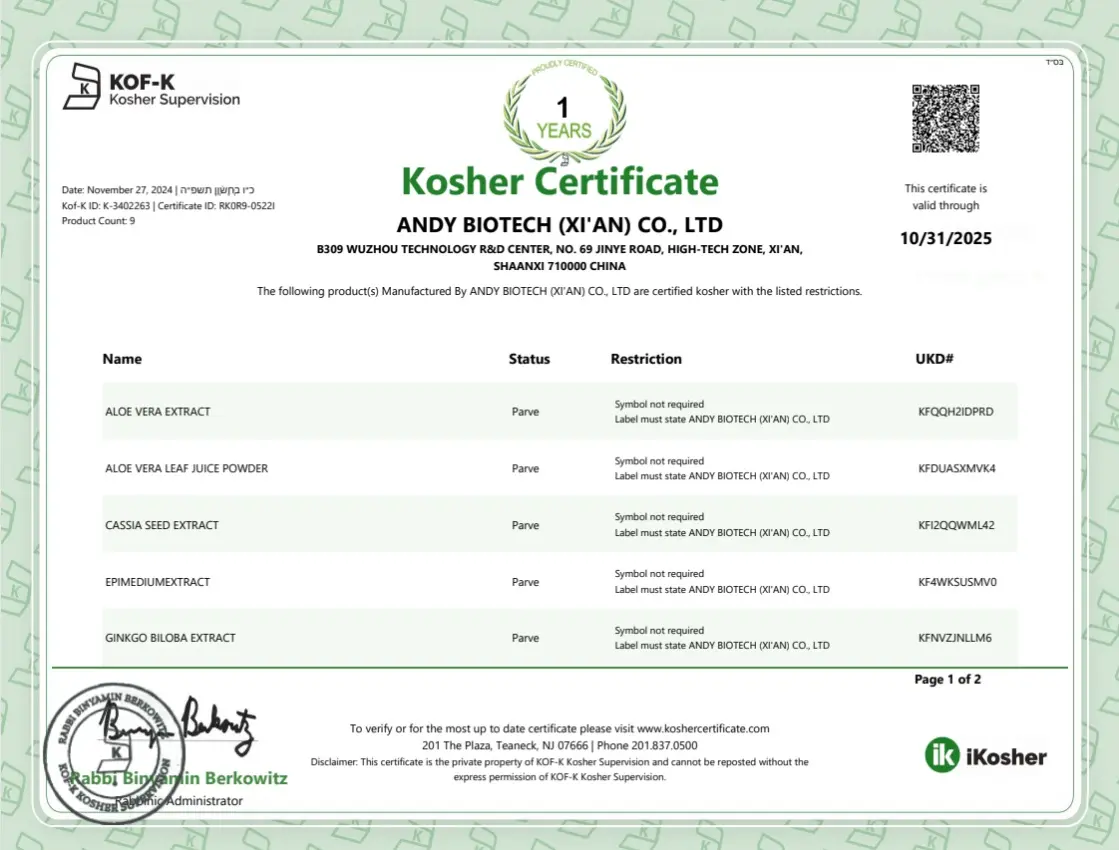
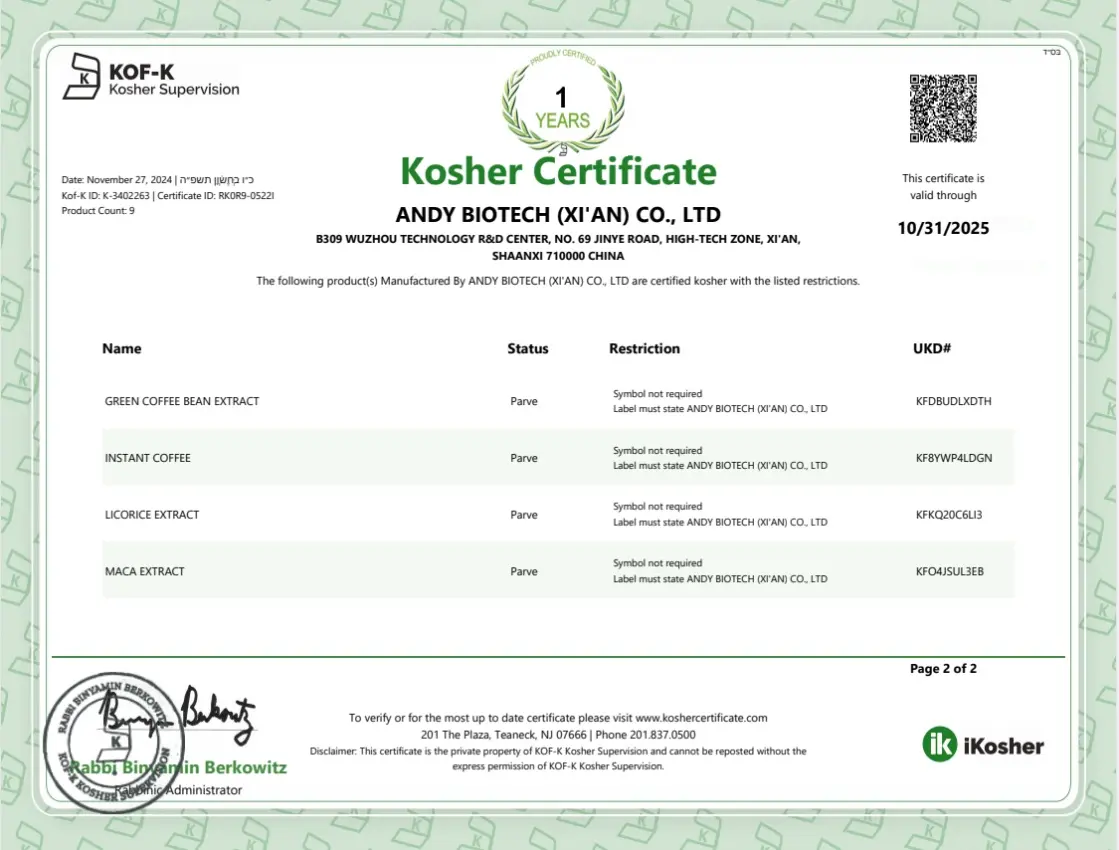
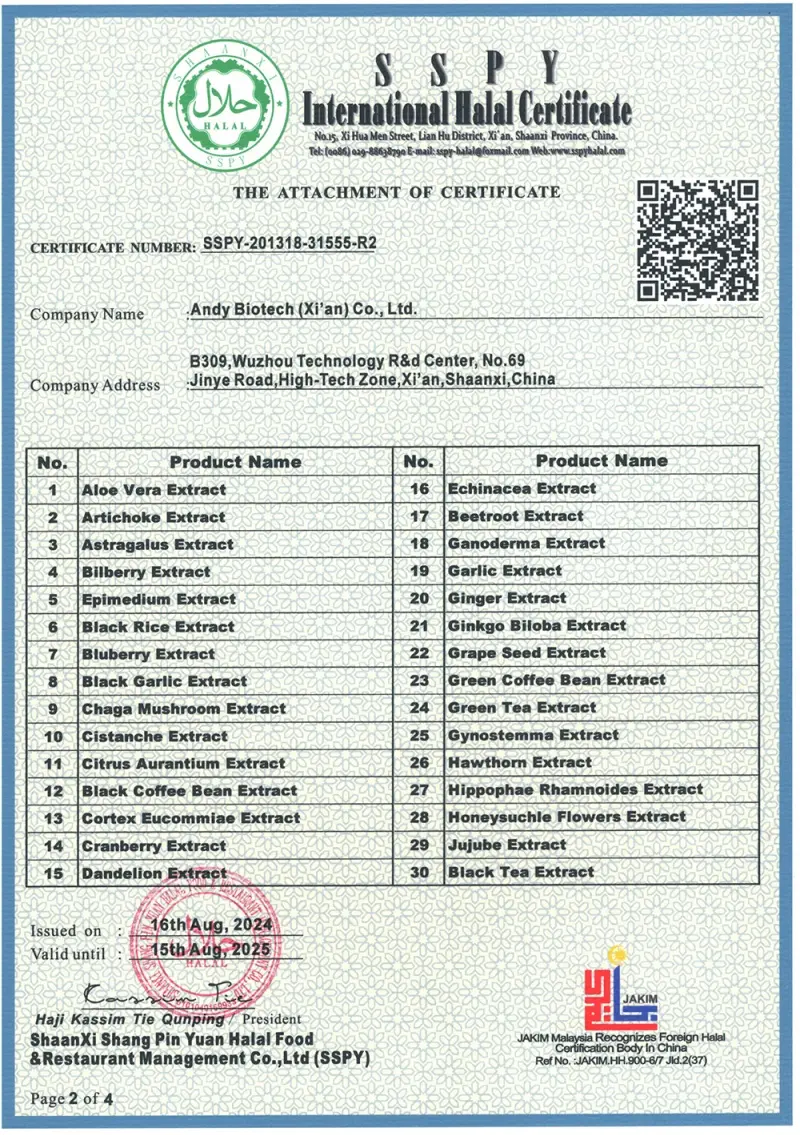
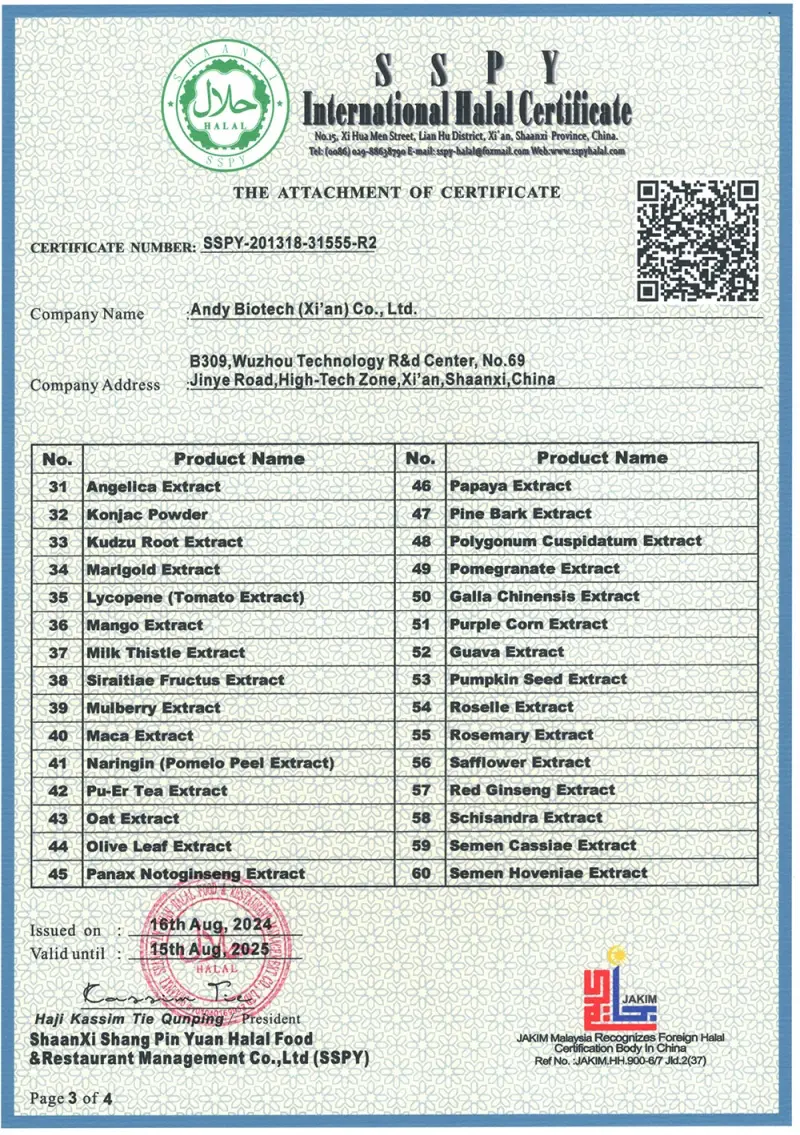
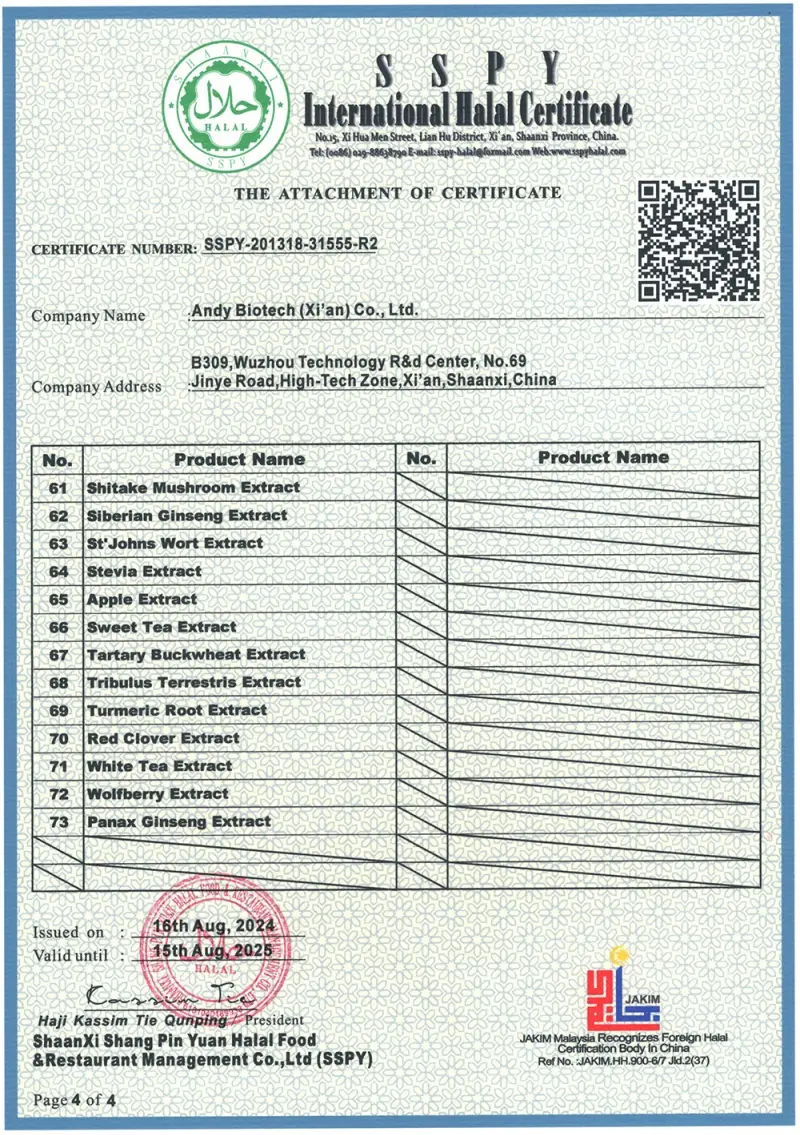
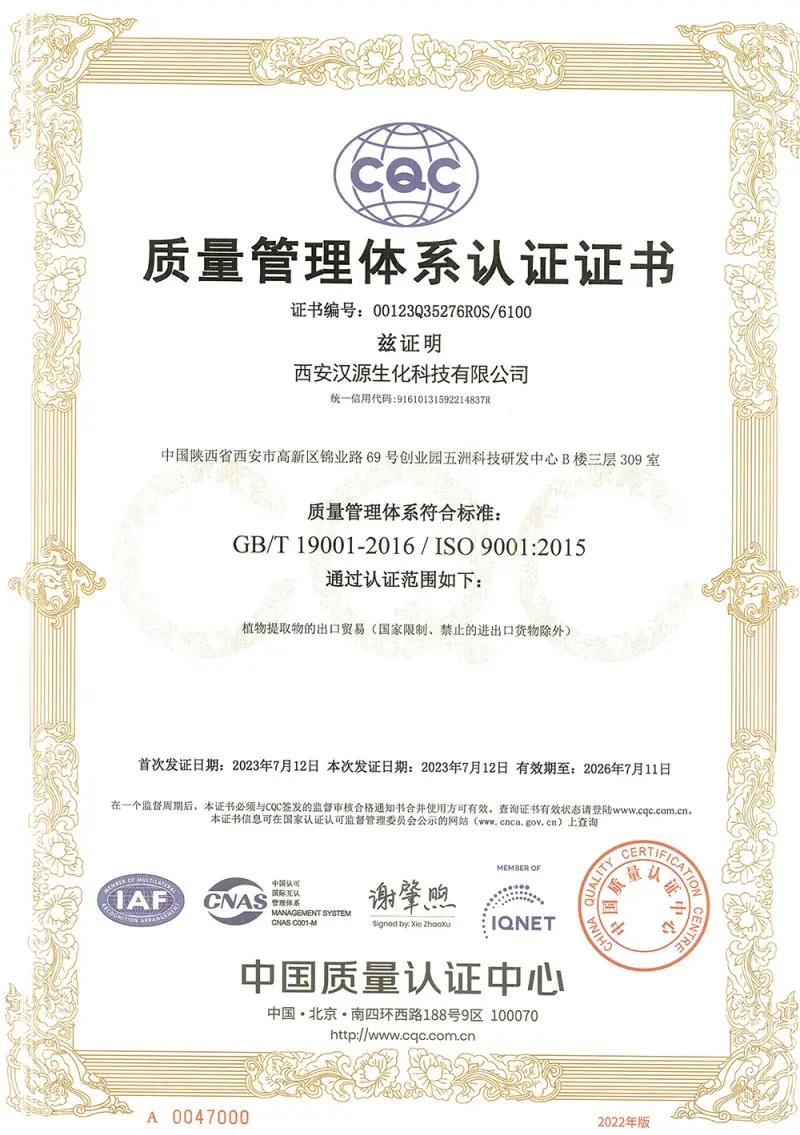
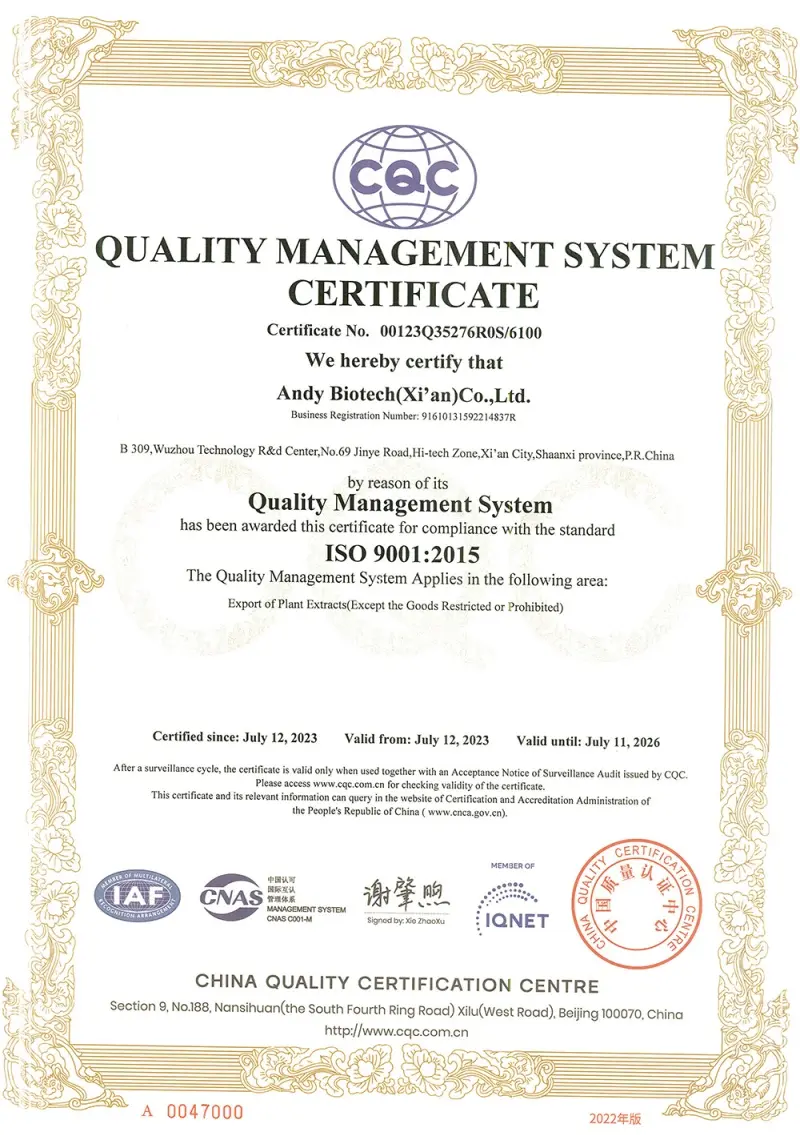
Leading Chinese factories operate under strict compliance frameworks, including FSSC 22000, ISO 9001, Kosher, Halal, USDA Organic, and EU Organic standards. Modern in-house laboratories run routine GC-MS and HPLC analyses to guarantee that pesticide residues, heavy metals, and micro-organism counts fall well below global regulatory limits.
Andy Biotech: Your Trusted Partner in Plant Extract Solutions
Andy Biotech is a leading manufacturer and supplier of premium-quality, scientifically-validated plant extracts for the food, beverage, nutraceutical, cosmetic, and pharmaceutical industries. Founded on a commitment to purity, potency, and innovation, we bridge the gap between nature’s potential and your product development goals.
Our core strength lies in our vertically integrated process, which gives us complete control from seed to extract. We partner with a network of certified organic and sustainably managed farms to ensure the integrity of every raw material. Our state-of-the-art extraction facilities employ advanced technologies, including supercritical solvent and water-based methods, to preserve the full spectrum of bioactive compounds without compromising on environmental responsibility.
A deep passion for natural botanical remedies and global health innovation.
Andy was born in a small village close to Hanjiang River in Hanzhong Shaanxi province, China. Thirty years ago, when she was still a little child, she caught a cold, but the medical services were not available unless the family crossed over high mountains to find a hospital. Thus, Andy's grandfather first used Echinacea leaves soaked in water for her treatment, then he dug Echinacea root and shredded into pulp and squeezed the liquid for Andy to drink one spoon every two hours. Andy recovered after this treatment.
As a child, Andy watched his grandfather harness the healing power of plants in his humble garden. His ancient herbal remedies were not just treatments; they were magic. That early wonder blossomed into a profound passion for plant extracts and a deep respect for nature’s wisdom. From that time on, little Andy swore that he would help to spread all herbs all over the world to give benefit to more people.
This personal journey is the heart of Andy Biotech. It’s why Andy Biotech are dedicated to researching and delivering the purest, most effective botanical solutions for modern wellness. Andy’s lifelong vow is to honor that tradition by innovating for a healthier future, empowering lives through the timeless power of plants.
Stevia is more than a simple substitute for sucrose; it is a highly versatile functional ingredient. Formulators must address the challenges of reformulating foods and beverages by adjusting sweetness dynamics, bulk density, and viscosity parameters. Below are common industrial applications where stevia solutions can be optimized:
Beverages require rapid sweetness onset with zero lingering bitterness. Blending Reb M with Reb D provides a clean, sugar-like taste profiles that allows for complete sugar reduction. At the same time, this blend maintains stability across a wide pH range, ensuring consistent performance throughout shelf life.
In dairy matrices like yogurt, flavored milk, and plant-based drinks (oat, almond, soy), stevia helps mask vegetative off-notes while complementing natural fruit flavors. Because dairy products are pasteurized at high temperatures, stevia's thermal stability (up to 200°C) prevents ingredient degradation or loss of sweetness.
Stevia's high potency means it lacks the structural bulk of sucrose. In baking and confectionery, stevia is often blended with erythritol, allulose, or soluble corn fiber to restore bulk density, mouthfeel, and browning (Maillard reaction) properties.
Supplements formulated with amino acids, plant proteins, or herbal extracts often carry bitter, metallic, or earthy tastes. Stevia extracts, combined with natural taste modulators, mask these off-notes to improve the flavor profile of protein powders, effervescent tablets, and liquid drops.
Verified compliance with international food safety and quality standards.
Technical and regulatory insights for procurement managers and product formulators.
Discover our wider range of natural active powders and standardized plant extracts.
 Andy Biotech