 Andy Biotech
1 / 2
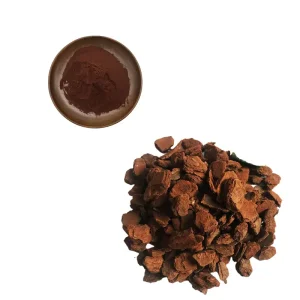
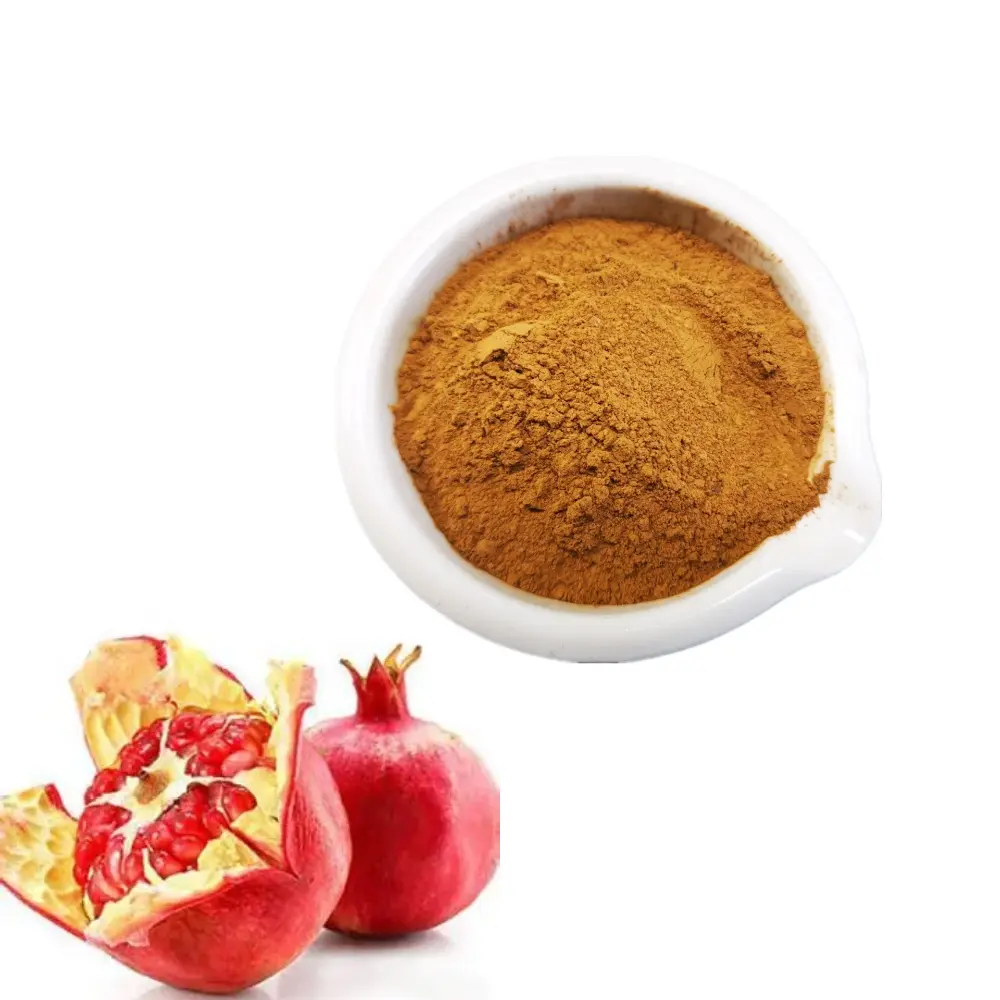
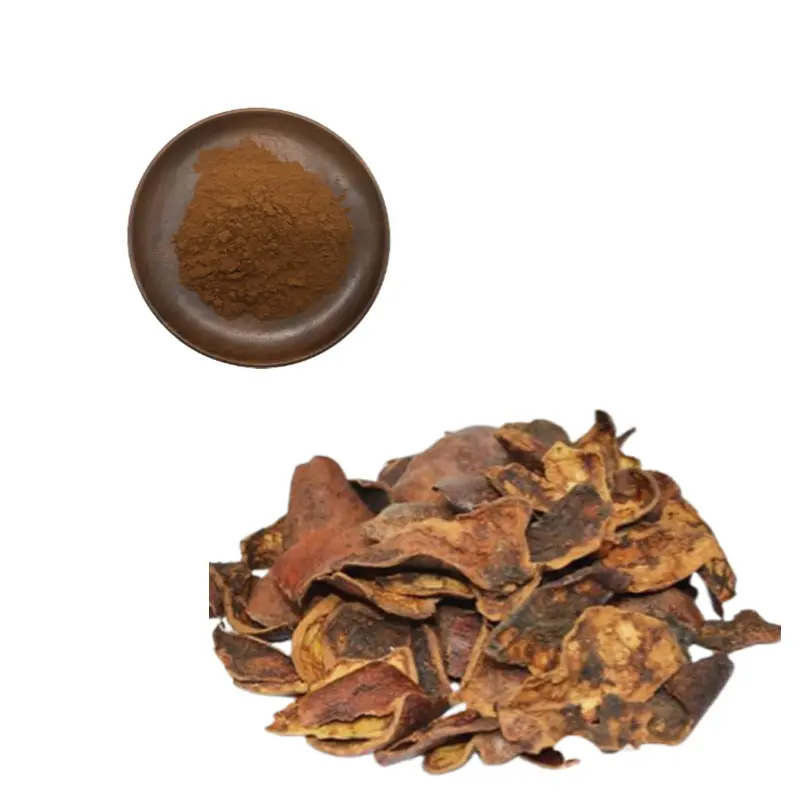
| Pomegranate Peel Extract — Technical Data Sheet | |
| Sense Index | |
| Appearance | Brown to red brown powder |
| Odor & Taste | Characteristic |
| Physical-chemical Index | |
| Particle Size | NLT 95% pass 80 mesh |
| Punicalagin (HPLC) | 20–40% |
| Loss on drying | 10% Max |
| Ash | 5% Max |
| Heavy metals | 10ppm Max |
| Lead | 2ppm Max |
| Arsenic | 2ppm Max |
| Mercury | 0.1ppm Max |
| Cadmium | 1ppm Max |
| Hygienic Index | |
| Total plate count | 10,000 cfu/g Max |
| Mold & Yeast | 1,000 cfu/g Max |
| Enterobacteriae | 10 cfu/g Max |
| E. Coli | Absent in 10g |
| Salmonella | Negative |
| Statements: Non-Irradiated, Non-GMO | |
| Packaging: 1kg/aluminium foil bag, 25kg/drum (37×37×50cm). | |
| Shelf Life: 24 months stored in original packaging away from the light, and under the optimal temperature 10~25℃. | |
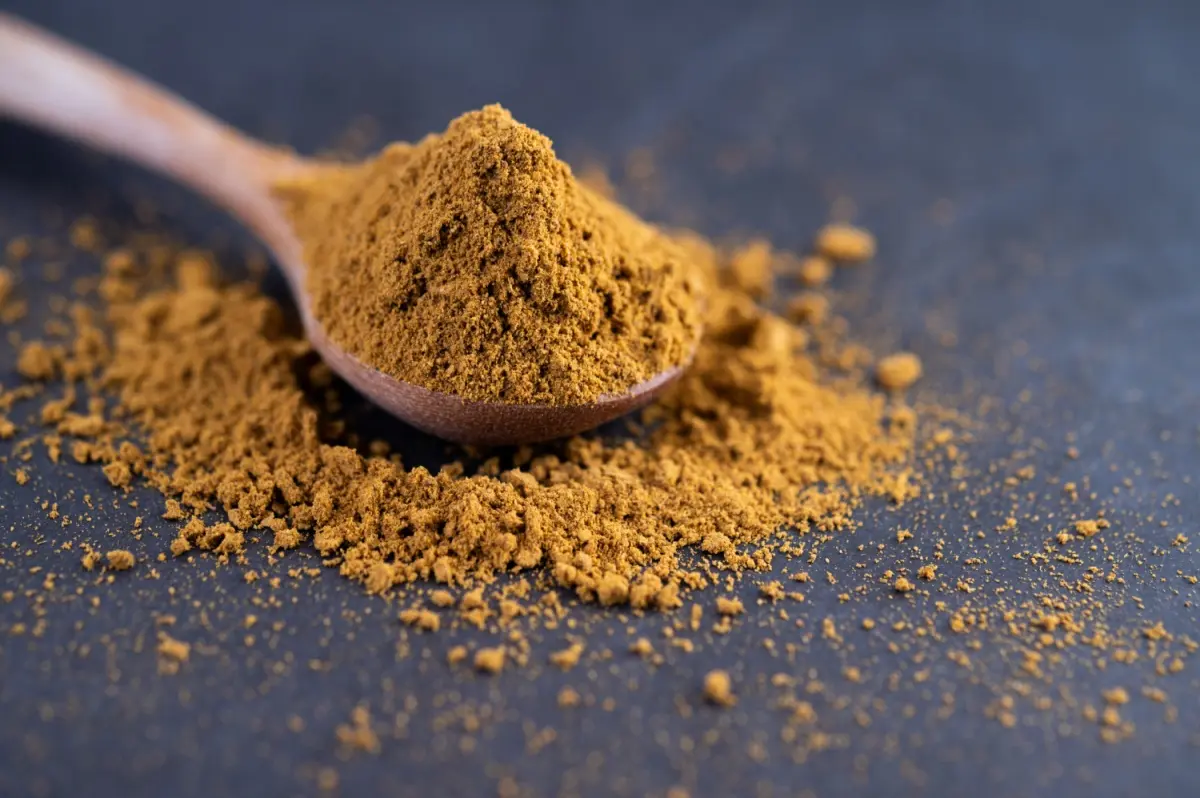

The efficacy of pomegranate peel extract mainly comes from its excellent antioxidant capacity, and its antioxidant strength even far exceeds that of red wine and green tea. Its main functions include:
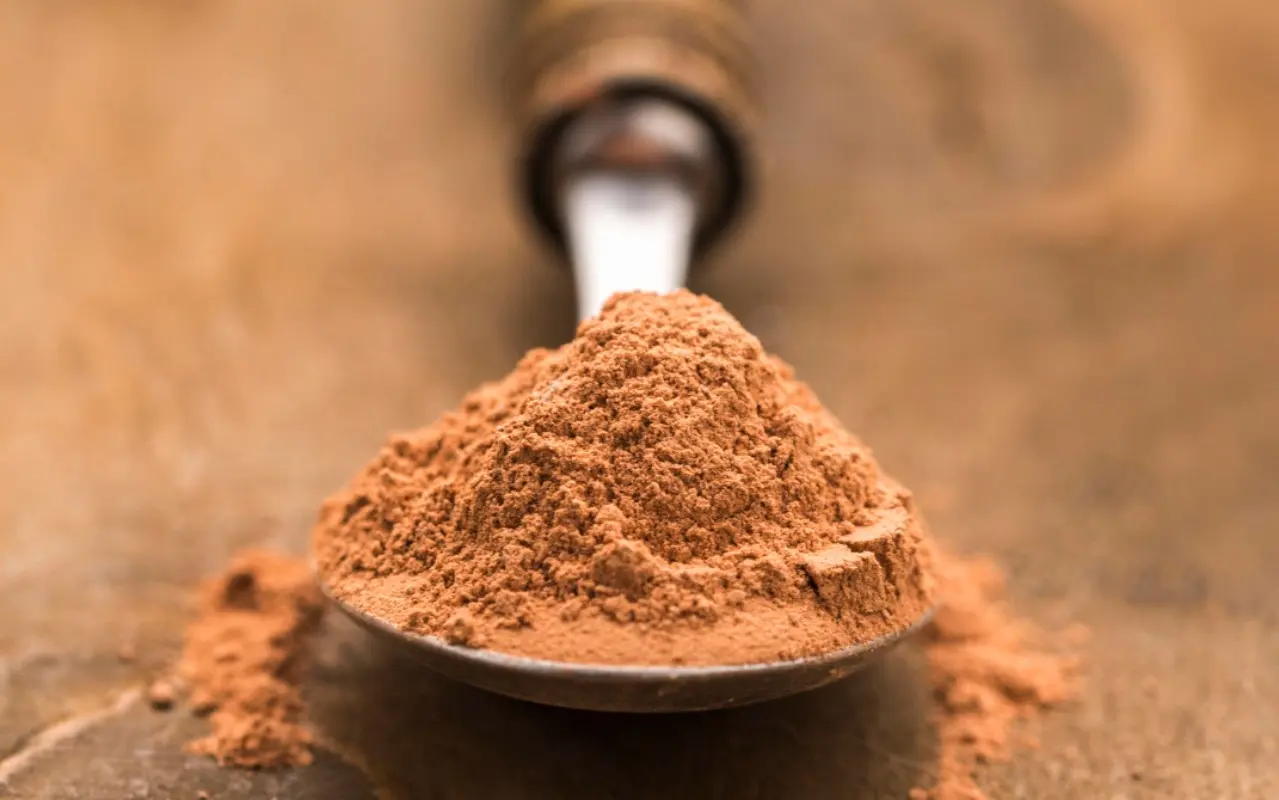
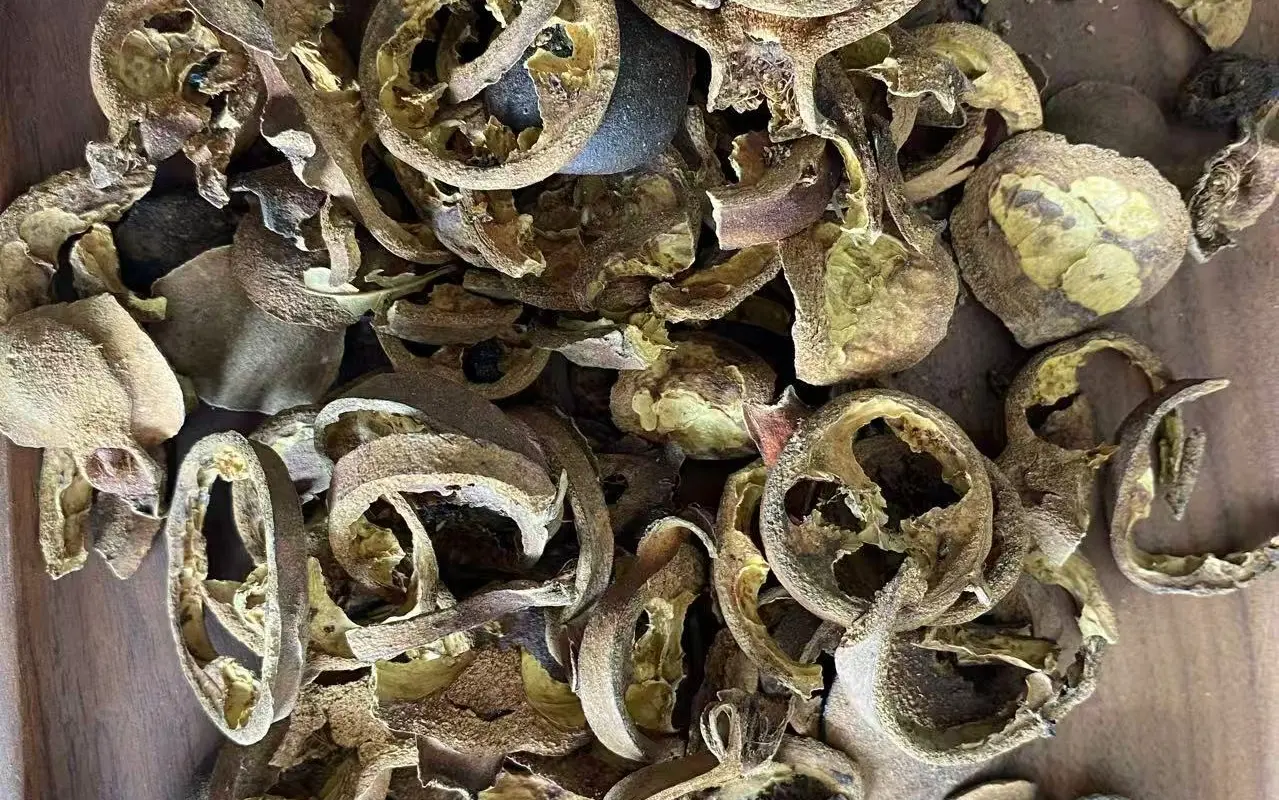
Developed as a raw material for antibacterial and anti-inflammatory drugs, intestinal regulators, and anti-cancer adjuvants; often made into dietary supplements such as capsules and tablets.
A star ingredient in high-end anti-aging face creams, essences, acne products, whitening agents and natural antiseptic systems — delays wrinkles, brightens skin tone and repairs UV damage.
Used as a natural antioxidant and preservative to extend the shelf life of fats and meat; also applied in developing functional beverages.
Extract used to develop biopesticides, prevent crop diseases, and reduce the use of chemical pesticides.