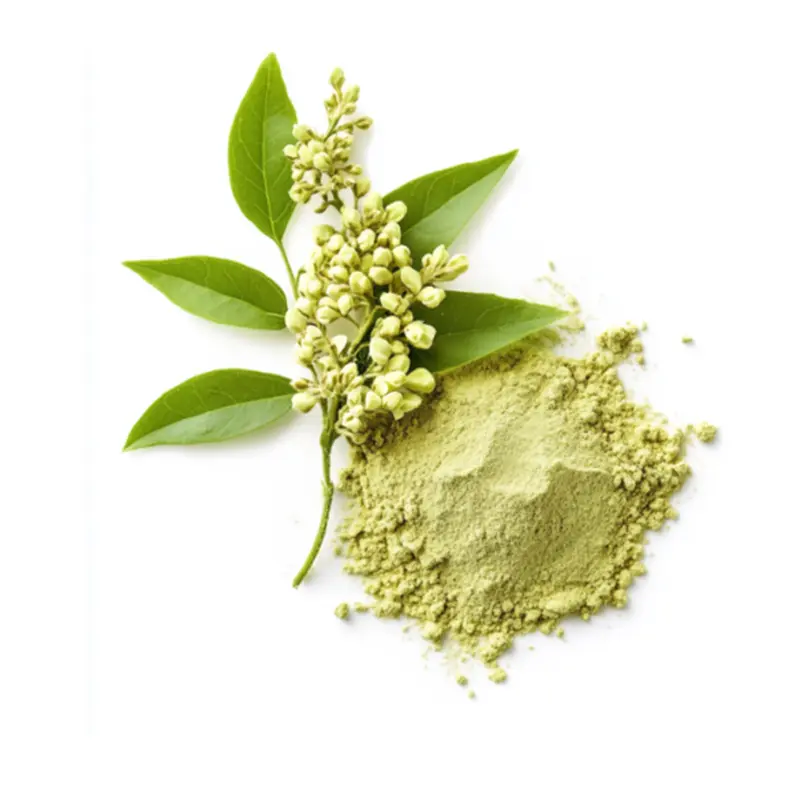
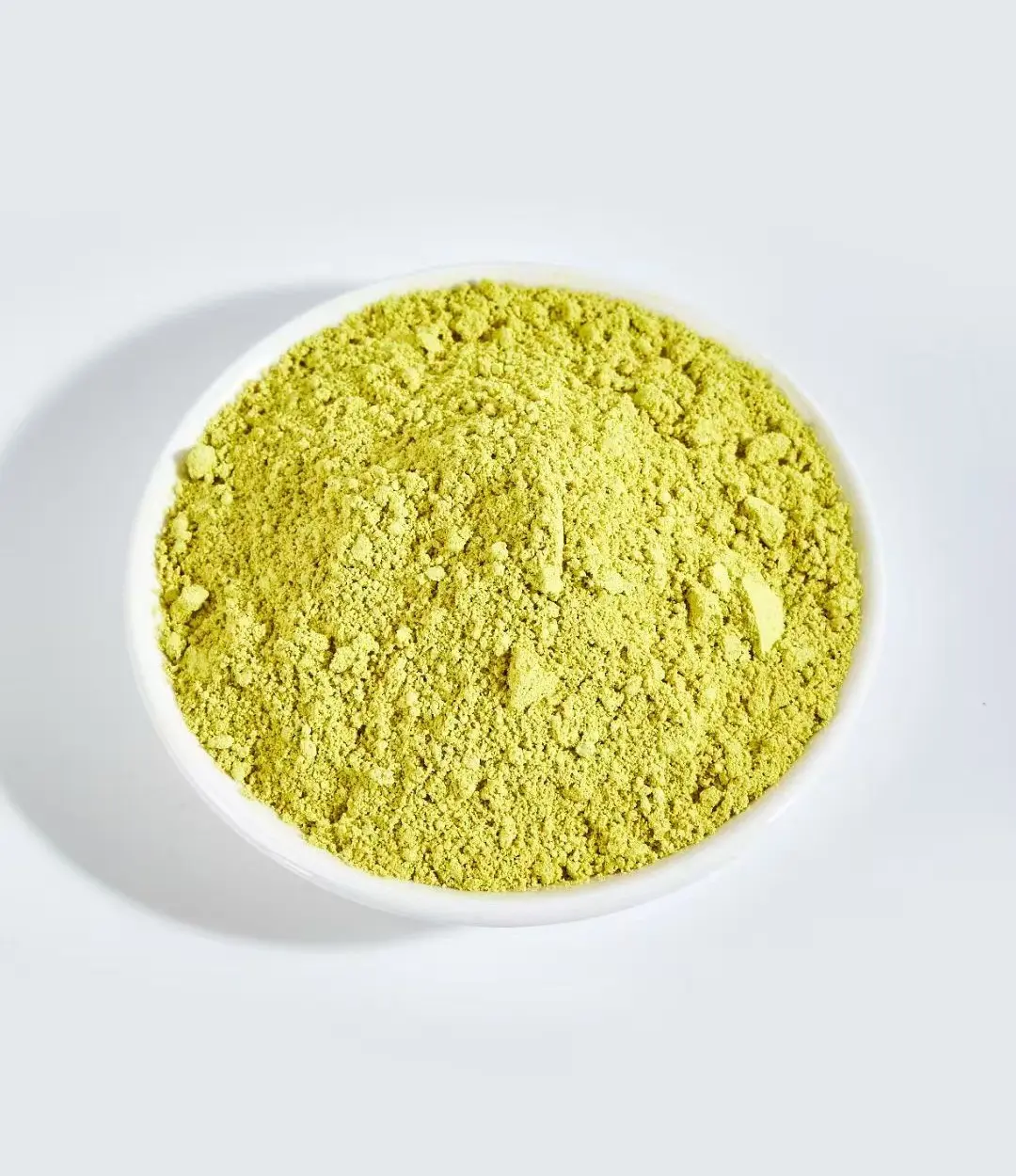
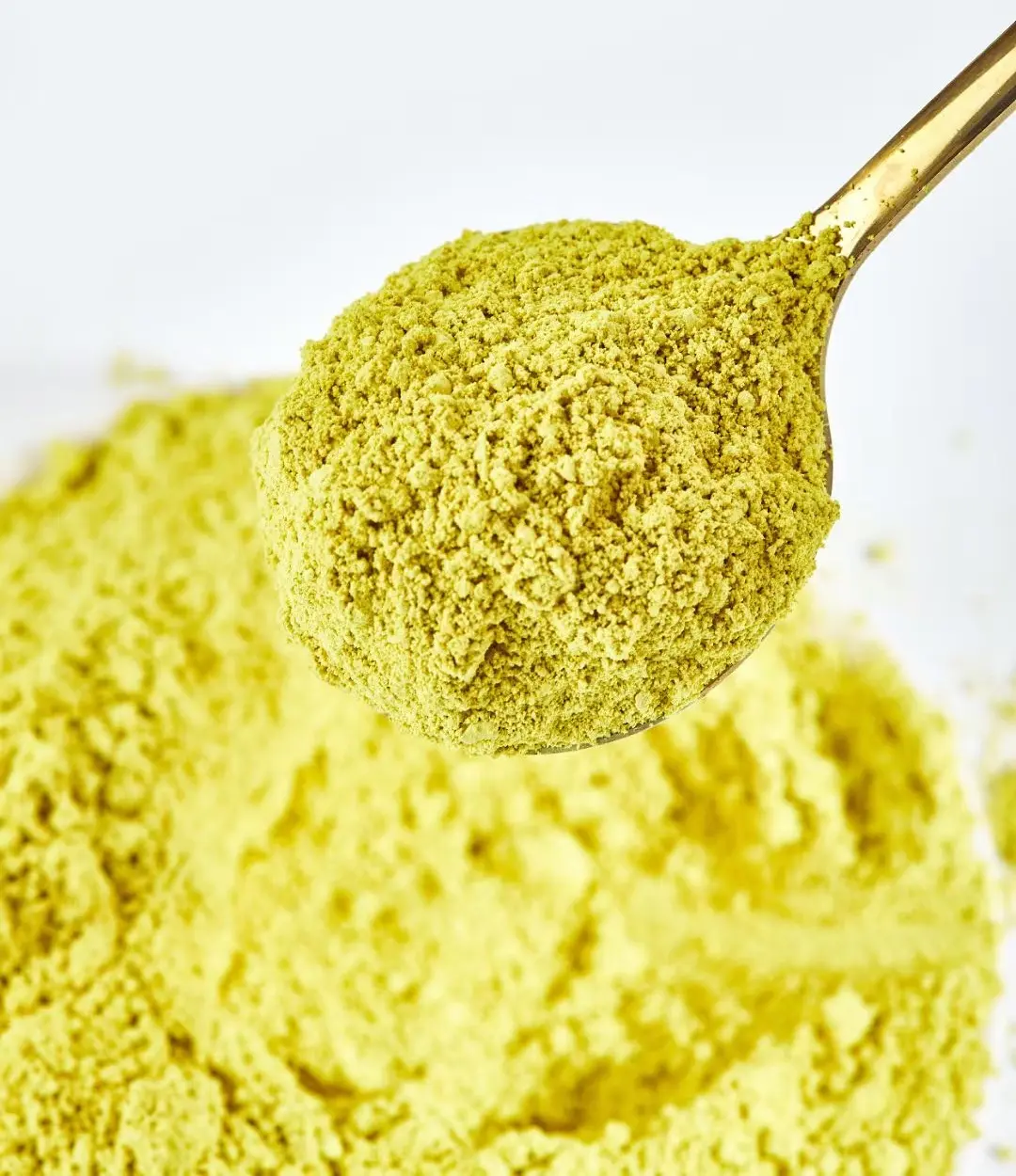
24 months stored in original packaging away from the light, and under the optimal temperature 10~25℃.
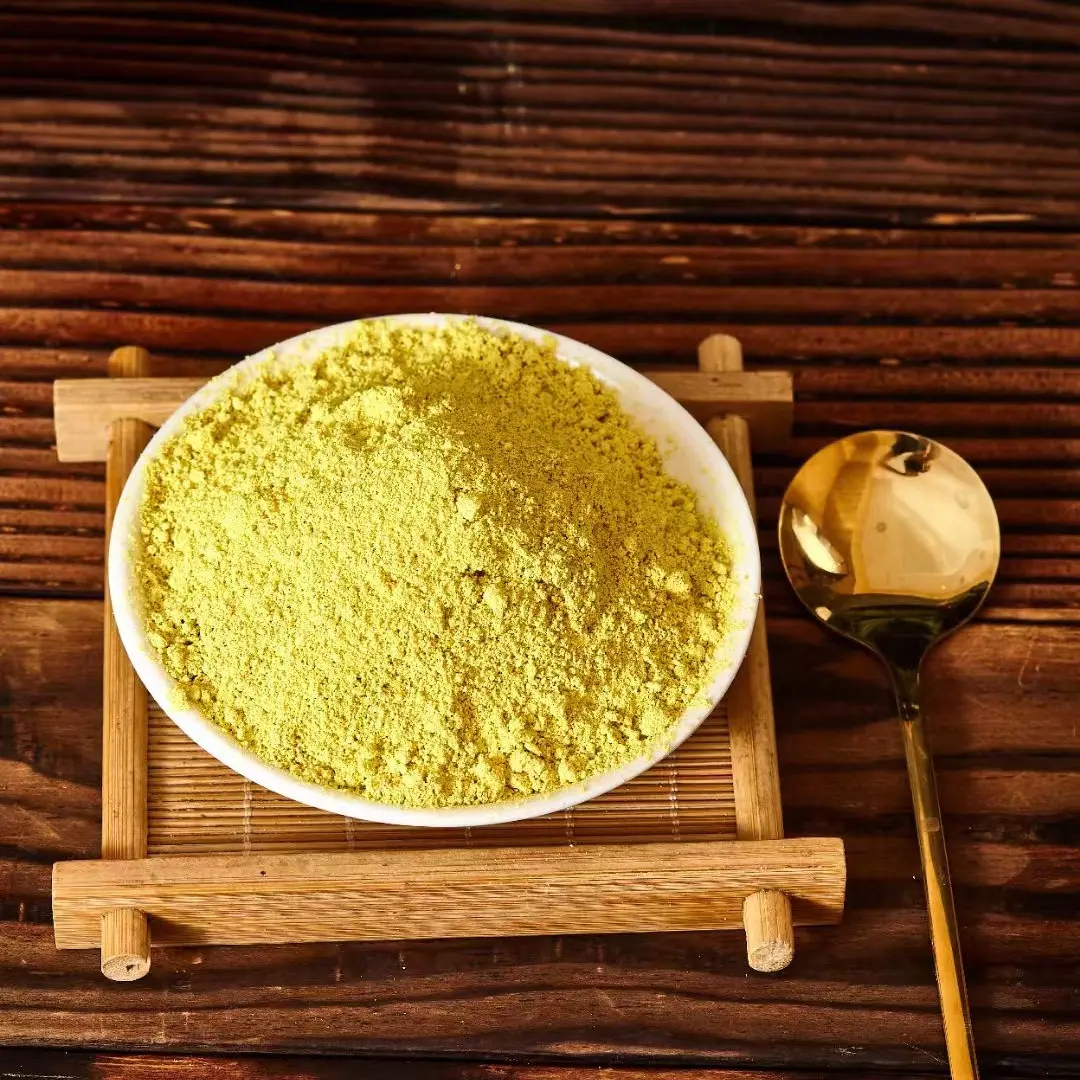
Introduction of Sophora Japonica Extract Quercetin
Quercetin has a wide range of sources and is widely present in the stem bark, flowers, leaves, buds, seeds, and fruits of many plants. The preparation methods currently include extraction and separation, acid hydrolysis, and enzymatic conversion, among which enzymatic conversion is the most practical.
In 2010, the FDA designated quercetin, which is processed and produced from natural products, as a GRAS (Generally Recognized as Safe) substance. On July 4, 2025, it was reported that the combination of chemotherapy with dasatinib and quercetin can clear chemotherapy-induced aging fibroblasts.
Function of Sophora Japonica Extract Quercetin
Antitumor and Antiplatelet Aggregation:
Quercetin can significantly inhibit the action of cancer promoting agents, suppress the growth of malignant cells in vitro, and inhibit the synthesis of DNA, RNA, and protein in Ehrlich ascites cancer cells.
Quercetin has inhibitory effects on platelet aggregation and the release of 5-hydroxytryptamine (5-HT). Quercetin has a significant inhibitory effect on platelet aggregation induced by ADP, thrombin, and platelet activating factor (PAF), with the strongest inhibitory effect on PAF. Quercetin can also significantly inhibit the release of 3H-5-HT from rabbit platelets induced by thrombin.
The study of food test data shows that quercetin can play an antithrombotic role by inhibiting platelet aggregation and selectively binding to the thrombus on the vascular wall. It can reduce the risk of heart disease and atherosclerosis by reducing the oxidation of LDL cholesterol.
Antioxidant Power:
The antioxidant capacity of quercetin is 50 times that of vitamin E and 20 times that of vitamin C. It can eliminate free radicals in three primary ways:
Eliminate free radicals directly.
Through enzymes that clear free radicals.
Inhibit the production of free radicals.
This ability to clear reactive oxygen species also helps alleviate inflammatory reactions. While the in vitro and in vivo evaluation of the biological activity of quercetin involves multiple cell lines and animal models, the metabolic mechanism of quercetin in the human body remains a subject of ongoing study. Further large-scale clinical studies are required to determine the optimal dosage and form for treating diseases.
Summarizing the current research results, it exhibits antioxidant, anti-inflammatory, anti-virus, anti-tumor, hypoglycemic, lipid-lowering, immune regulation and other biological activities. It has important clinical significance in the treatment of bacterial infections, viral infections, tumors, diabetes, hyperlipidemia, and immune system diseases.
Application Area of Sophora Japonica Extract Quercetin
Quercetin, a naturally occurring flavonoid abundantly found in fruits, vegetables, and grains, has garnered significant scientific interest due to its diverse biological activities. Its applications span several key fields, including pharmaceuticals, nutraceuticals, cosmetics, and functional foods.
Pharmaceuticals and Nutraceuticals:
Quercetin is primarily investigated for its potent antioxidant and anti-inflammatory properties. It is explored as a therapeutic agent or supplement for managing chronic conditions such as cardiovascular disorders by improving endothelial function and reducing oxidative stress. Its anti-cancer potential is a major area of research, where it is studied for its ability to induce apoptosis and inhibit proliferation in various cancer cell lines. Furthermore, quercetin's immunomodulatory effects support immune health, and its potential neuroprotective roles in conditions like Alzheimer's disease are under active investigation.
Cosmetics and Skincare:
The cosmetics industry utilizes quercetin for its protective benefits against environmental stressors. As a powerful antioxidant, it helps neutralize free radicals generated by UV radiation and pollution, thereby preventing premature skin aging, reducing the appearance of wrinkles, and improving skin elasticity. Its anti-inflammatory action also makes it suitable for formulations aimed at soothing irritated or sensitive skin.
Functional Foods & Agriculture:
In the realm of functional foods and beverages, quercetin is incorporated as a natural bioactive ingredient to enhance the health profile of products. Additionally, in agriculture, quercetin is studied for its potential use as a natural additive in animal feed to improve growth performance and immune status, reducing the reliance on antibiotics.
Frequently Asked Questions
What are the main plant sources and preparation methods of Quercetin?
Quercetin is widely found in the stem bark, flowers, leaves, buds, seeds, and fruits of many plants. Its main preparation methods include extraction and separation, acid hydrolysis, and enzymatic conversion, with enzymatic conversion being the most practical.
Is Quercetin regulatory approved and safe for consumption?
Yes, in 2010, the FDA officially designated quercetin processed and produced from natural products as a GRAS (Generally Recognized as Safe) substance.
How does Quercetin perform as an antioxidant compared to vitamins?
Quercetin has outstanding antioxidant capabilities, which are measured to be 50 times greater than Vitamin E and 20 times greater than Vitamin C. It clears free radicals directly, works with clearing enzymes, and blocks free radical production.
What cardiovascular benefits does Quercetin offer?
Quercetin helps lower the risk of heart disease and atherosclerosis by reducing the oxidation of LDL cholesterol. It also plays an antithrombotic role by inhibiting platelet aggregation and selectively binding to clots on the vascular walls.
What are the key application areas of Quercetin?
Its application spans multiple fields: pharmaceuticals and nutraceuticals (chronic disease and immune support), cosmetics (anti-aging and skin soothing), functional foods and beverages, and agricultural feed additives.
What are the standard packaging and storage requirements for Quercetin?
It is packaged in 1kg aluminium foil bags or 25kg drums (37*37*50cm). It has a shelf life of 24 months when stored in its original packaging away from light at an optimal temperature of 10~25°C.
 Andy Biotech