China Water Soluble Natural Gardenia Yellow Pigment Extracted from Gardenia Jasminoides Fruit for Food Color Suppliers, Factories

Product Description

Introduction to Gardenia Yellow Pigment

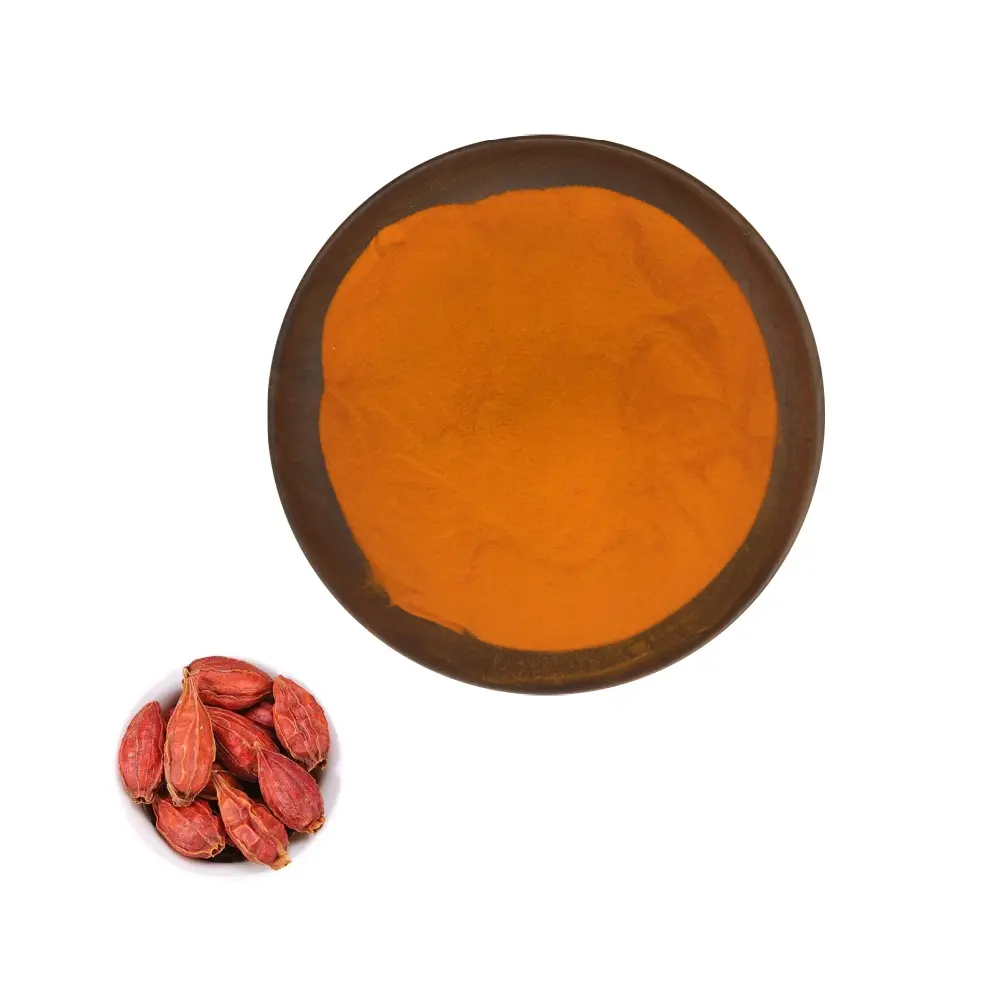
Natural Gardenia Yellow Pigment is extracted from gardenia fruit and is rich in crocin antioxidant carotenoids.

Gardenia Yellow Pigment is extracted via low-temperature water extraction, membrane separation, purification, and spray-drying technology.

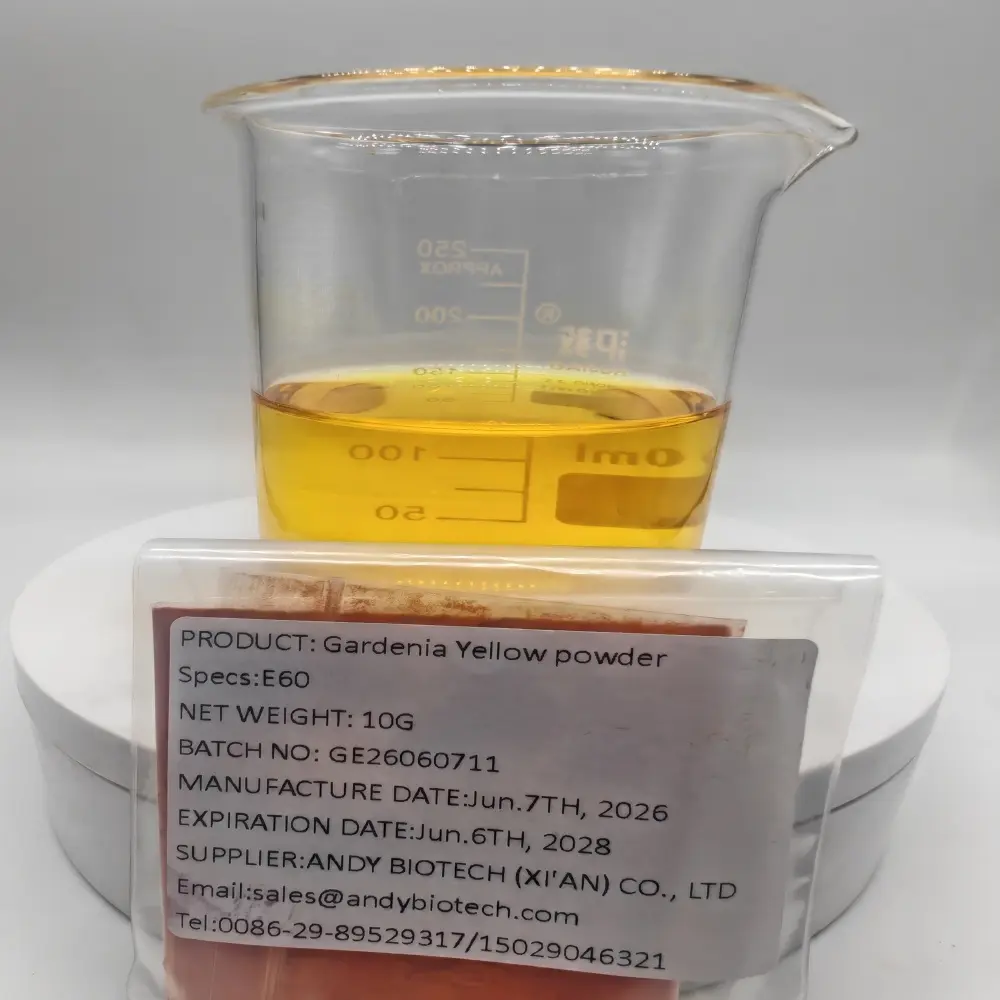
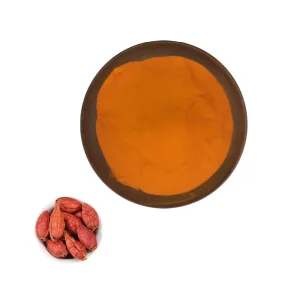
Crocin and Crocetin represent a rare water-soluble carotenoid compound, combined with geniposide with antioxidant activity. The product is a fine orange-yellow powder that is fully soluble in water, presenting a bright lemon to golden yellow transparent liquid. It features strong tinting power, good heat & light stability, stable color within pH 4–11, and excellent compatibility with starch and protein substrates.

Main Specs: Gardenia Yellow Pigment E60, E90, E300, E500
Gardenia Yellow Pigment

Efficacy of Gardenia Yellow Pigment

  • PH Insensitive Tone: Color barely shifts across pH 3–11; brighter vivid yellow under neutral/alkaline conditions; slight fading in strong acid.
  • Good Heat Resistance: Stable below 100℃, displaying high color retention after high-temperature baking & boiling.
  • Excellent Salt/Reduction/Microbe Resistance: Great dyeing power on starch, flour, and protein food substrates.
  • Natural Antioxidant Activity: Inhibits lipid oxidation in food systems.
  • Dual Functions: Serves as both a Colorant and an Antioxidant.
  • Clean-Label: Natural yellow food color, ideal substitute for synthetic tartrazine.
  • Scavenges Free Radicals: Crocin & crocetin are potent antioxidants.
  • Cosmetic Benefits: Features mild anti-inflammatory activity for cosmetic formulations.
Note: Avoid contact with iron/tin ions, which will cause dark discoloration.
Gardenia Yellow Pigment

Application Fields of Gardenia Yellow Pigment

1. Food & Beverage (Main Application)

  • Drinks: Fruit juice, plant beverages, wine, and functional herbal drinks.
  • Bakery & Noodles: Bread, pastry, dumpling wrappers, yellow noodles, and steamed bun skins.
  • Snacks: Candy, jelly, ice cream, popsicles, puffed food, preserved fruit, and canned chestnuts.
  • Dosage Limit: Max allowable dosage is 0.3–1.0 g/kg per GB 2760, FCC & FDA standards.

2. Cosmetics & Personal Care

Acts as a natural yellow colorant for lotion, cream, masks, and color makeup, as well as an antioxidant and soothing additive.

3. Health Supplements

Used as a colorant for herbal powder, solid drinks, and capsule excipients.

Gardenia Yellow Pigment

Product Specification of Gardenia Yellow Pigment

Gardenia Yellow Pigment Technical Data Sheet
Sense Index
Appearance Brown yellow to brown red powder
Odor & Taste Characteristic
Physical-chemical Index
Color Value E60, E90, E300, E500
Particle Size 98% pass 80 mesh
Loss on drying 7% max
Heavy metals 10ppm Max
Lead 2ppm Max
Arsenic 2ppm Max
Mercury 0.1ppm Max
Cadmium 0.1ppm Max
Hygienic Index
Total plate count 1,000cfu/g Max
Mold & yeast 100cfu/g Max
Enterobacteriae 10cfu/g Max
E.Coli Absent in 10g
Salmonella Absent in 25g
Additional Information & Statements
Statements Non-Irradiated, Non-GMO
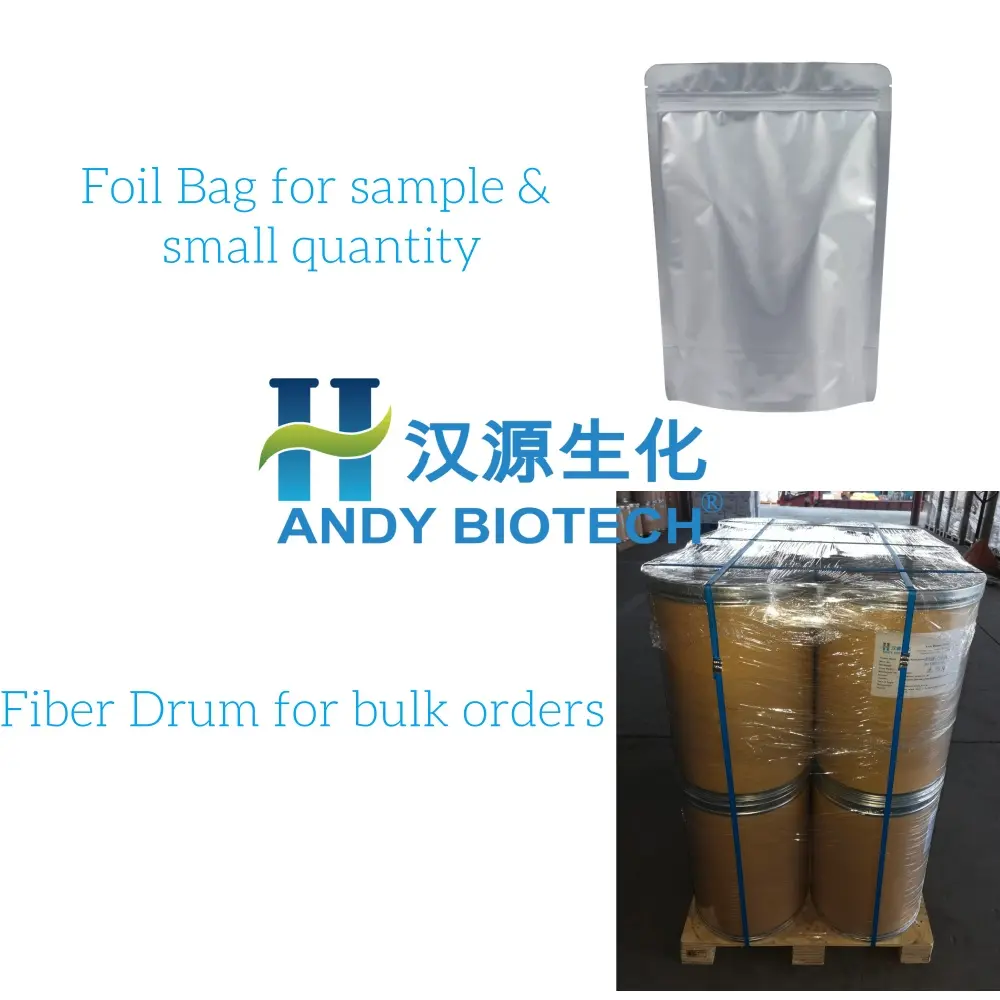
Packaging 1kg/aluminium foil bag, 25kg/drum (37*37*50cm).
Shelf Life 24 months stored in original packaging away from the light, and under the optimal temperature 10~25℃.

Frequently Asked Questions

What is Gardenia Yellow Pigment?
Gardenia Yellow Pigment is a natural pigment extracted from gardenia fruit using low-temperature water extraction, membrane separation, purification, and spray-drying technology. It is rich in crocin antioxidant carotenoids.
Is Gardenia Yellow Pigment stable under heat and different pH levels?
Yes, it demonstrates good heat stability below 100℃, making it suitable for baking and boiling. Its color remains stable within a wide pH range of 4–11 (barely shifting across pH 3–11), presenting a brighter yellow in neutral/alkaline settings.
What are the primary applications of Gardenia Yellow Pigment?
It is primarily used in Food & Beverage (drinks, bakery, noodles, and snacks), Cosmetics & Personal Care (lotions, creams, and makeup), and Health Supplements (capsules and herbal powders).
Are there any ingredients or conditions that should be avoided with this pigment?
Yes, you should avoid contact with iron or tin ions, as they can react with the pigment and cause dark discoloration.
What are the available color value specifications?
Our main specifications for Gardenia Yellow Pigment include E60, E90, E300, and E500.
How should the product be stored and what is its shelf life?
It has a shelf life of 24 months when stored in its original packaging away from light, and under optimal temperature conditions of 10–25℃.

Related Products