 Andy Biotech
1 / 3
Acts as a strong free radical scavenger with higher antioxidant activity than vitamin C/E to help delay cell aging.
Stimulates macrophage and lymphocyte activity, significantly enhancing the body's natural immunity.
Relieves oxidative liver damage and directly supports the natural liver detoxification processes.
Inhibits inflammatory mediators, helping to alleviate mild chronic inflammation throughout the body.
Improves physical fatigue thresholds and accelerates muscle and cell recovery after physical exercise.
Currently the only stable water-soluble natural blue pigment widely allowed in the food industry.
Used in smoothies, candy, jelly, ice cream, dairy products, baked goods, plant-based drinks, and vegan foods.
Incorporated into antioxidant capsules, superfood powders, immune support formulas, and sports nutrition products.
Acts as an antioxidant and brightening raw material for facial masks, essence formulations, and soothing skincare.
Serves as a fluorescent labeling reagent and cell biological experimental material.
| Item | Specification |
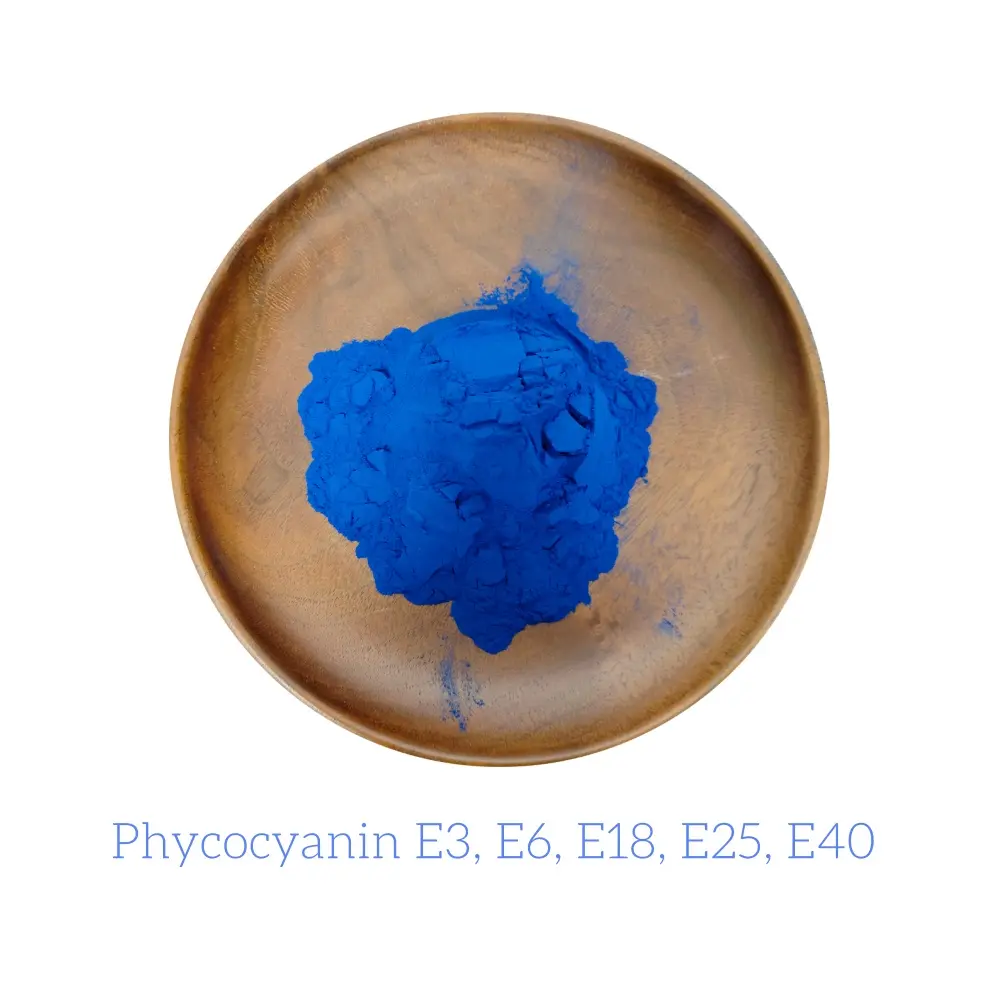
| Appearance | Blue Fine Powder |
| Odor & Taste | Characteristic |
| Particle Size | 95% pass 80 mesh |
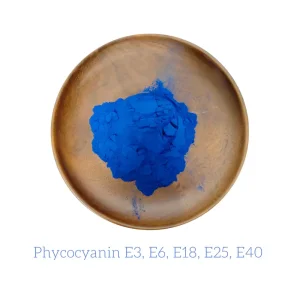
| Assay | Phycocyanin E3, E6, E18, E25, E40 |
| Loss on Drying | ≤7% |
| Heavy Metals | ≤10ppm |
| Pb | ≤2.0 ppm |
| As | ≤2.0 ppm |
| Cd | ≤1.0 ppm |
| Hg | ≤0.1ppm |
| Total Plate Count | ≤10000cfu/g |
| Yeast & Mold | ≤1000cfu/g |
| E.Coli | ≤30cfu/g |
| Salmonella | Negative |
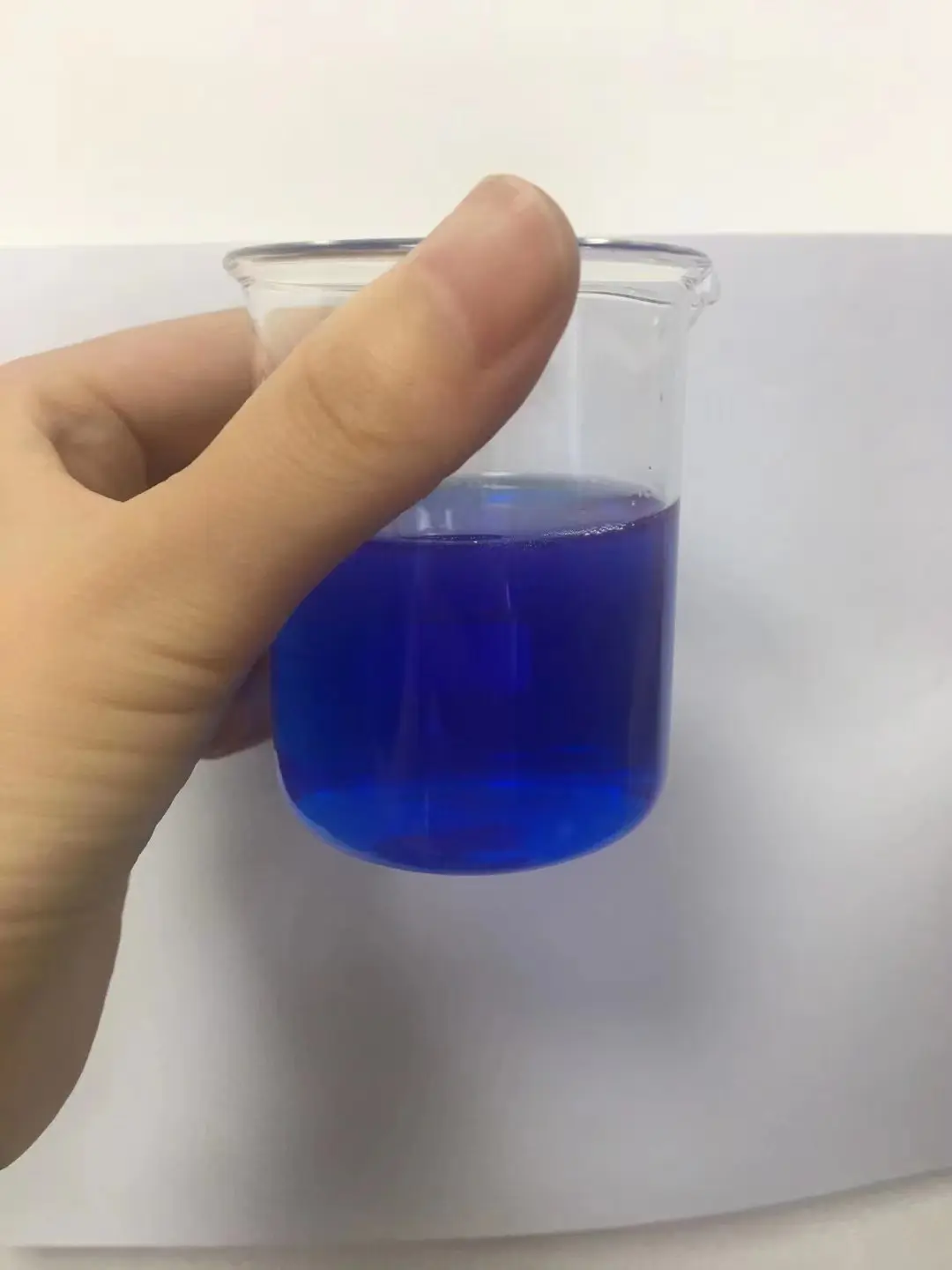
Blue Spirulina (Phycocyanin) is a natural blue protein pigment refined from cultivated spirulina platensis (a type of blue-green algae) through advanced cell wall breaking, water extraction, and purification techniques.
The "E" value represents the absorbance ratio, which measures the concentration and color intensity of the phycocyanin. A higher E number indicates a higher content of pure blue pigment in the powder.
No, Phycocyanin is highly water-soluble, but it is completely insoluble in oils, fats, and organic solvents.
Yes, Phycocyanin is currently the only stable water-soluble natural blue pigment allowed in the food industry. It is highly valued as a clean-label, safe alternative to synthetic blue dyes.
It acts as a potent antioxidant (stronger than Vitamin C and E), helps boost the immune system, supports liver detoxification, relieves inflammation, and aids in cell repair and muscle recovery.
Due to its strong antioxidant profile, it is used in cosmetic formulations like masks and essences to brighten the skin, reduce oxidative stress, and soothe inflammation.