 Andy Biotech
1 / 3
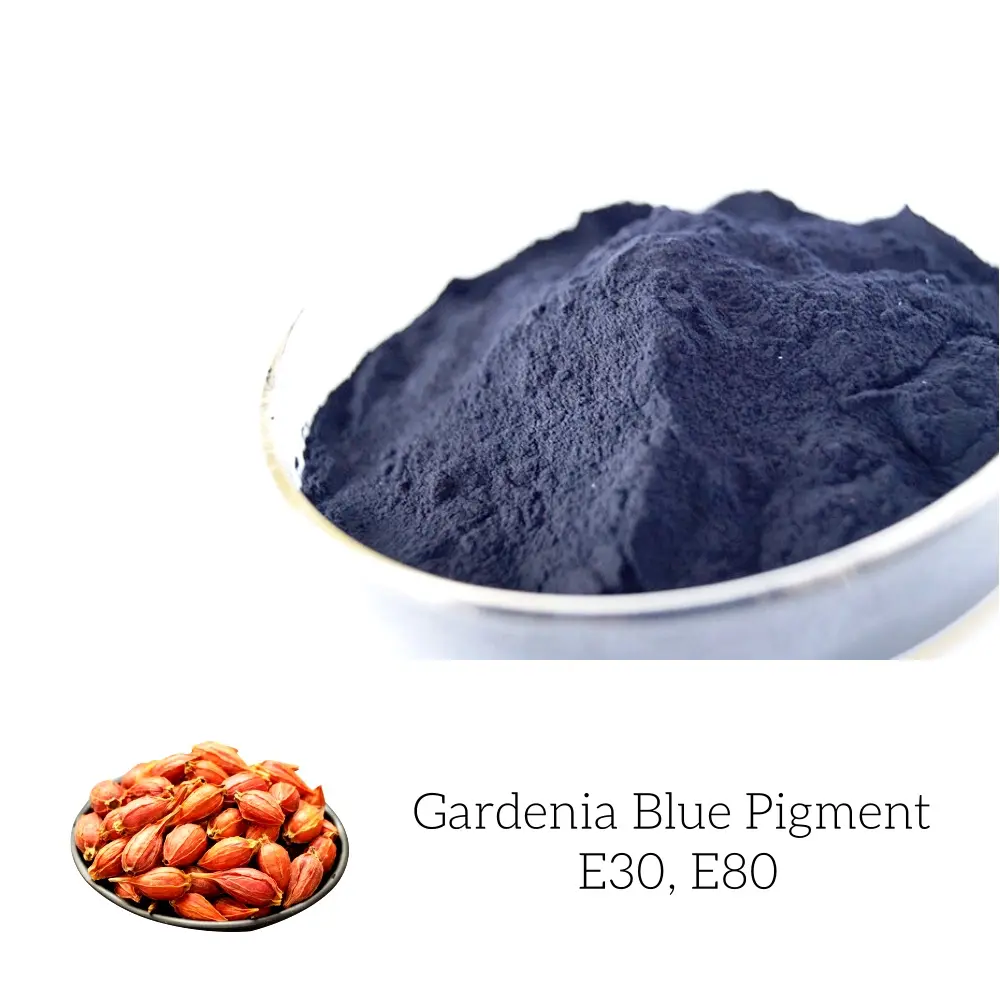
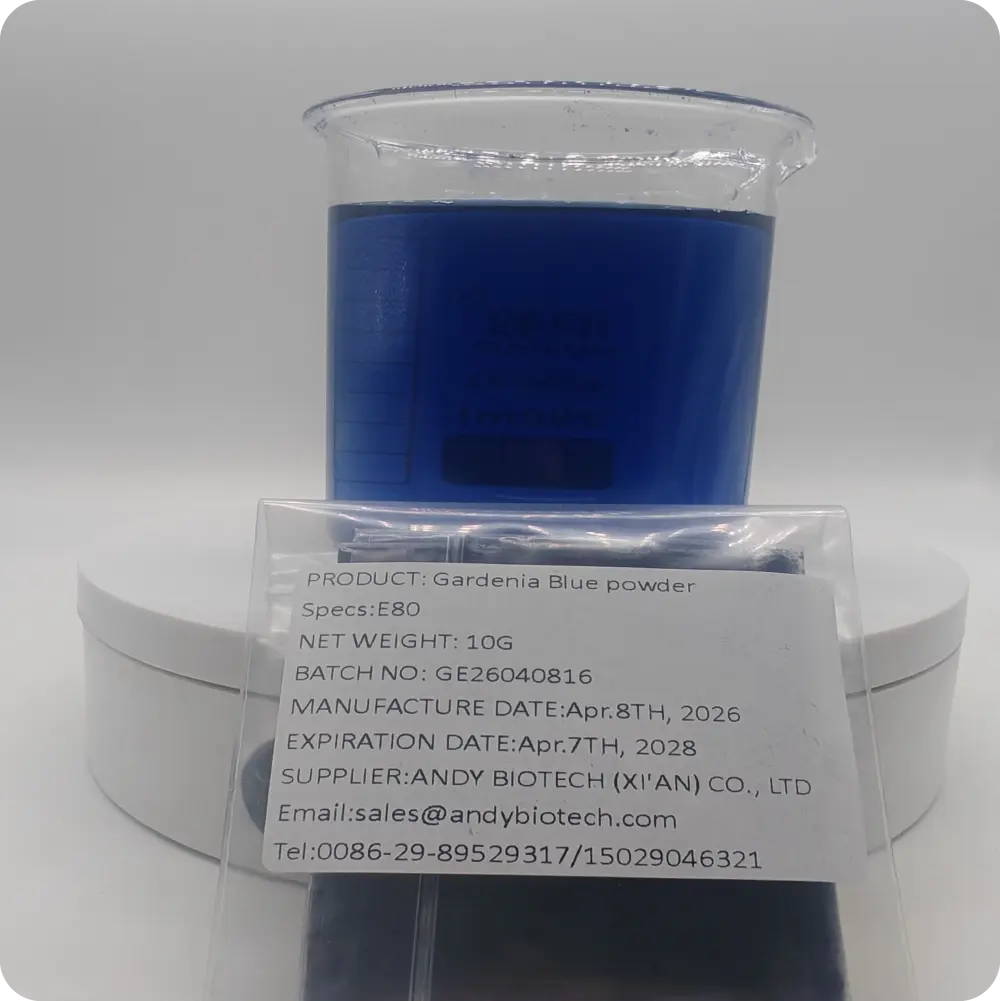
Natural Gardenia Blue Pigment is a rare clean-label natural water-soluble colorant manufactured from mature dried fruits of Gardenia Jasminoides Ellis. The production adopts water extraction of geniposide, bio-enzymatic conversion, macroporous resin purification and spray-drying process.
Genipin-amino acid polymer, with trace crocin polyphenols for mild antioxidant performance. Natural Gardenia Blue Pigment appears uniform dark blue fine powder, fully soluble in pure water, dilute ethanol and propylene glycol, insoluble in grease and anhydrous organic solvents.
Natural Gardenia Blue Pigment can blend perfectly with Gardenia Yellow Pigment to produce full-spectrum natural green series.
1. Food & Beverage (Main Usage)
2. Cosmetics & Personal Care
3. Dietary Supplements
| Gardenia Blue Pigment Technical Data Sheet | |
|---|---|
| Sense Index | |
| Appearance | Dark Blue Powder |
| Odor & Taste | Characteristic |
| Physical-chemical Index | |
| Color Value | E30, E80 |
| Particle Size | 98% pass 80 mesh |
| Loss on drying | 7% max |
| Heavy metals | 10ppm Max |
| Lead | 2ppm Max |
| Arsenic | 2ppm Max |
| Mercury | 0.1ppm Max |
| Cadmium | 0.1ppm Max |
| Hygienic Index | |
| Total plate count | 1,000cfu/g Max |
| Mold & yeast | 100cfu/g Max |
| Enterobacteriae | 10cfu/g Max |
| E.Coli | Absent in 10g |
| Salmonella | Absent in 25g |
| Statements, Packaging & Storage | |
| Statements | Non-Irradiated, Non-GMO |
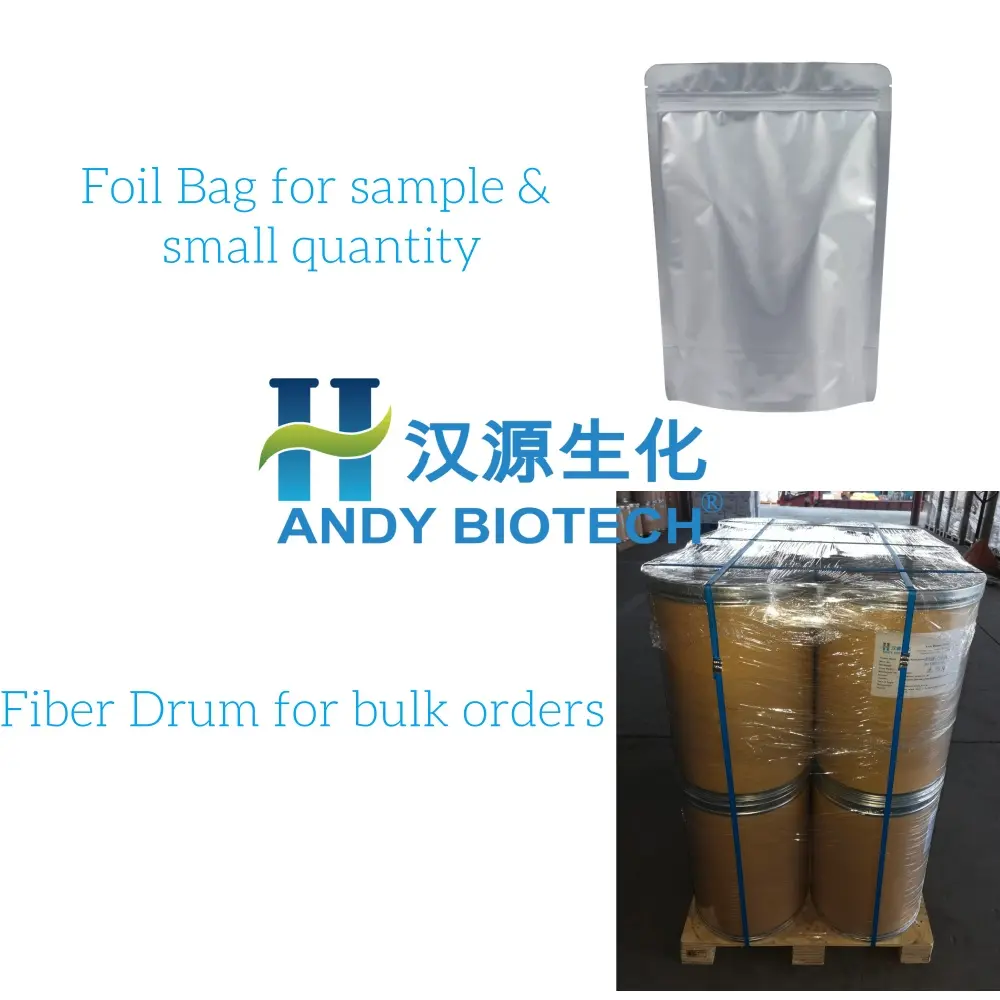
| Packaging | 1kg/aluminium foil bag, 25kg/drum (37*37*50cm) |
| Shelf Life | 24 months stored in original packaging away from the light, and under the optimal temperature 10~25℃. |
It is a natural water-soluble colorant derived from the mature dried fruits of Gardenia Jasminoides Ellis. The refinement process utilizes water extraction of geniposide, followed by bio-enzymatic conversion, purification, and spray-drying.
Unlike many other natural colorants, Gardenia Blue is highly stable. Its color tone remains virtually unaffected by changes in environmental pH values, making it highly versatile for acidic and basic products.
Yes. It blends perfectly with Gardenia Yellow Pigment to create a broad, vibrant spectrum of natural green shades.
It is completely soluble in water, dilute ethanol, and propylene glycol. However, it is insoluble in oils, grease, and anhydrous organic solvents.
Yes, the pigment offers excellent resistance to both light and heat. It can also withstand environmental stresses from strong oxidants, reducing agents, and metal ions.
It has a shelf life of 24 months. It should be kept in its original sealed packaging, protected from light, and stored at optimal temperatures between 10℃ and 25℃.