 Andy Biotech
1 / 4
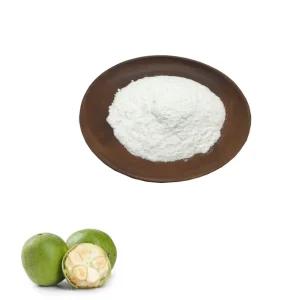
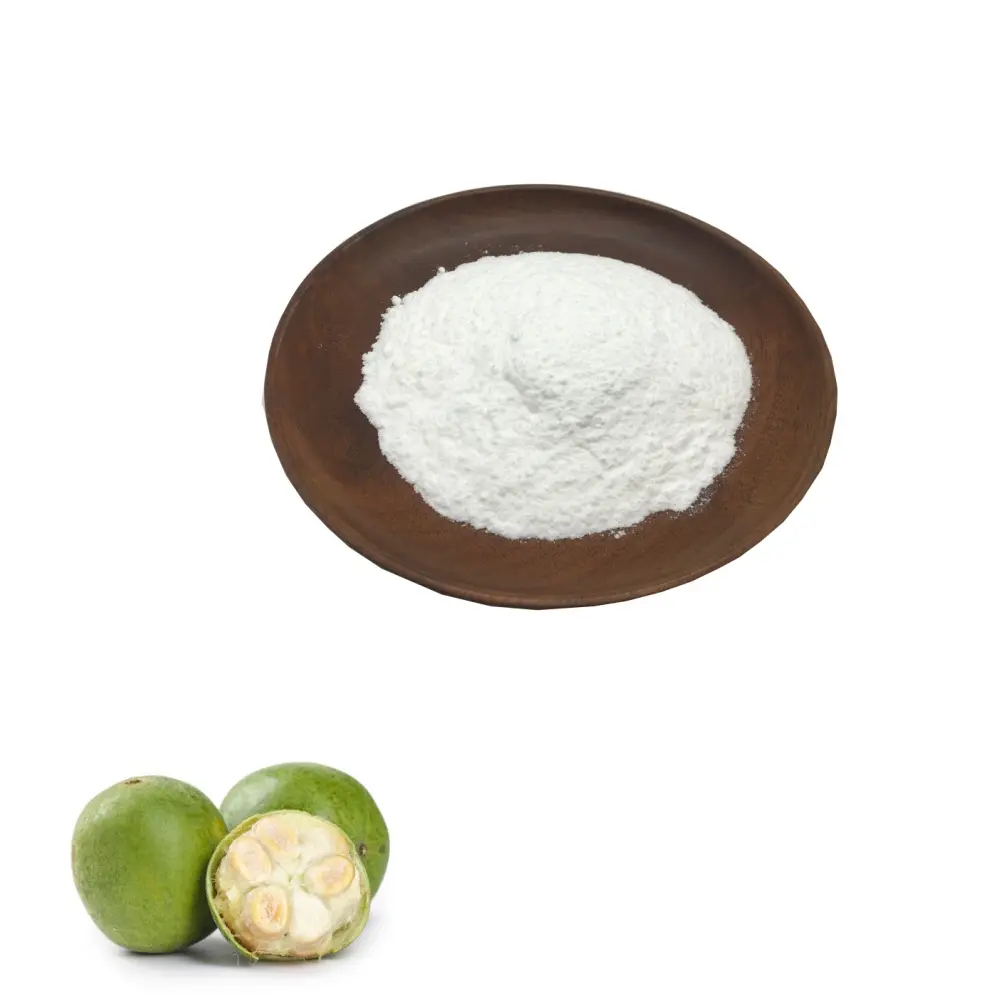
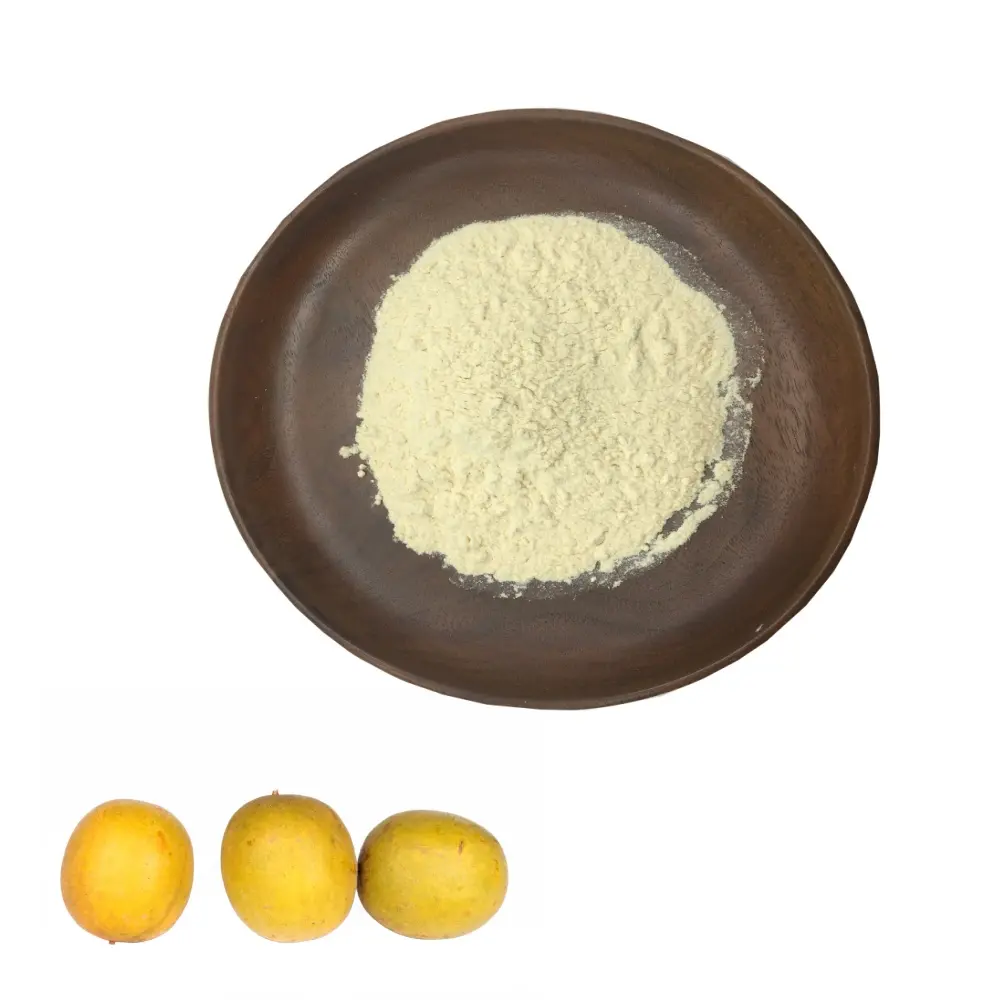
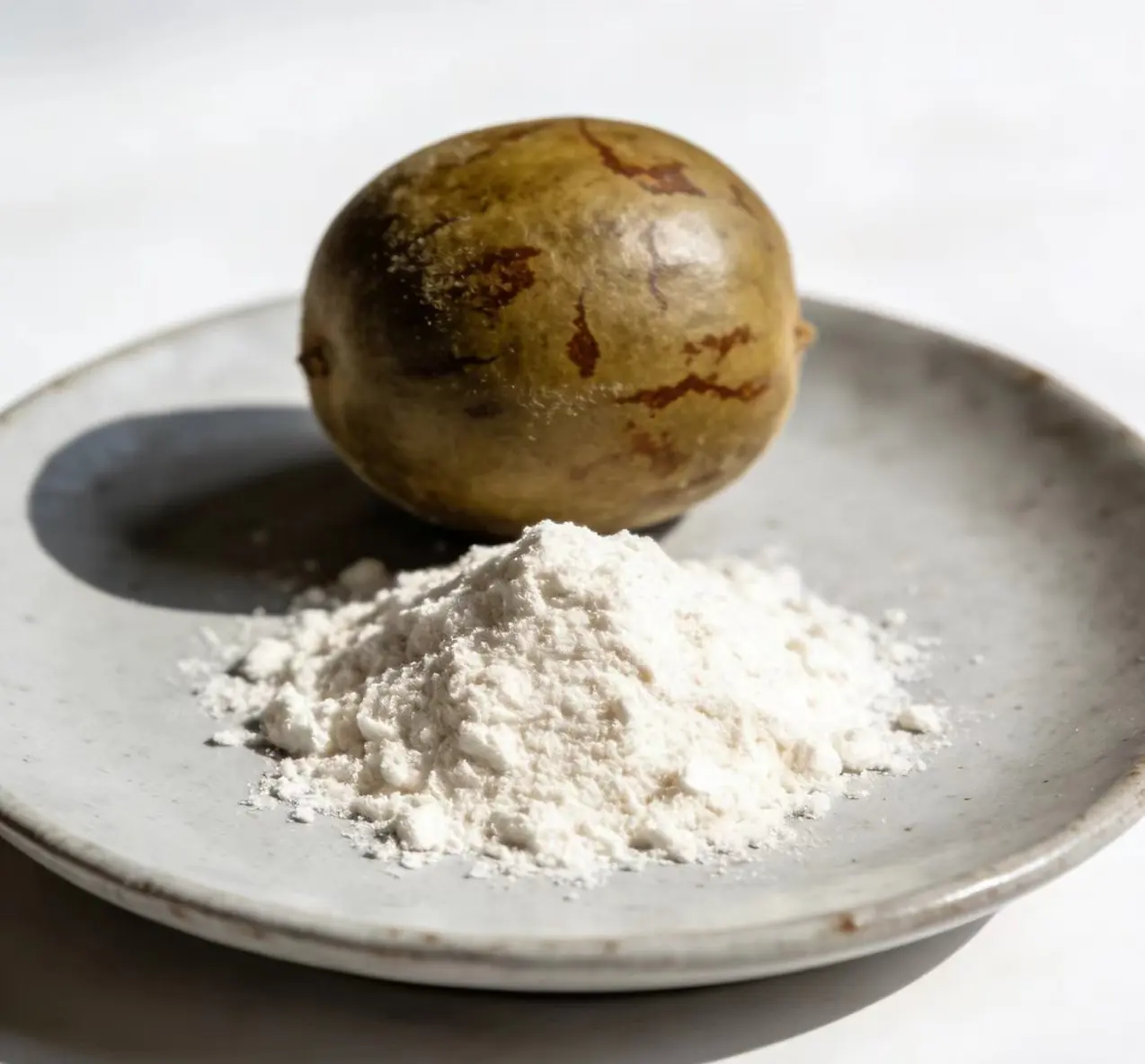
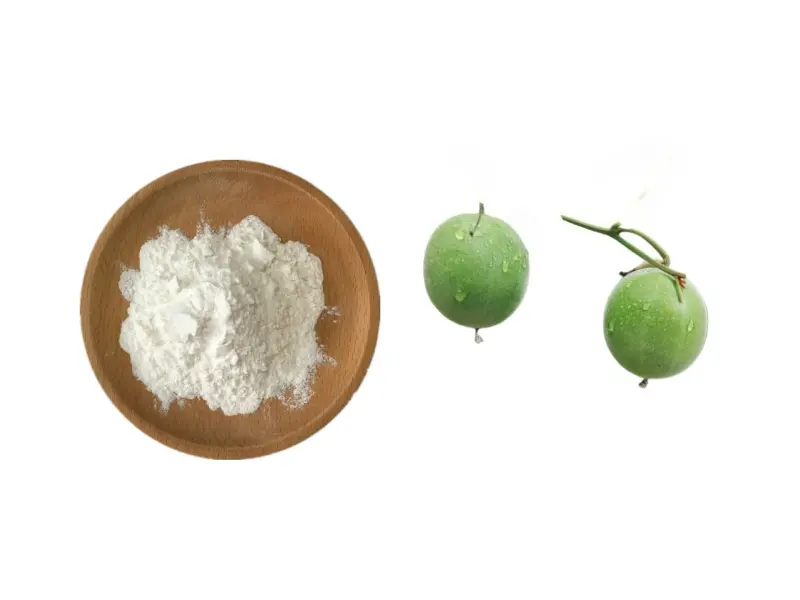
Monk Fruit Extract is refined from ripe Siraitia grosvenorii fruit via low-temperature water extraction and spray drying technology.
Monk Fruit Extract Mogroside is natural zero-calorie sweetener with pure fruit sweetness, no sucrose, no bitter aftertaste, stable under high temperature, free of artificial sweeteners, preservatives and impurities.
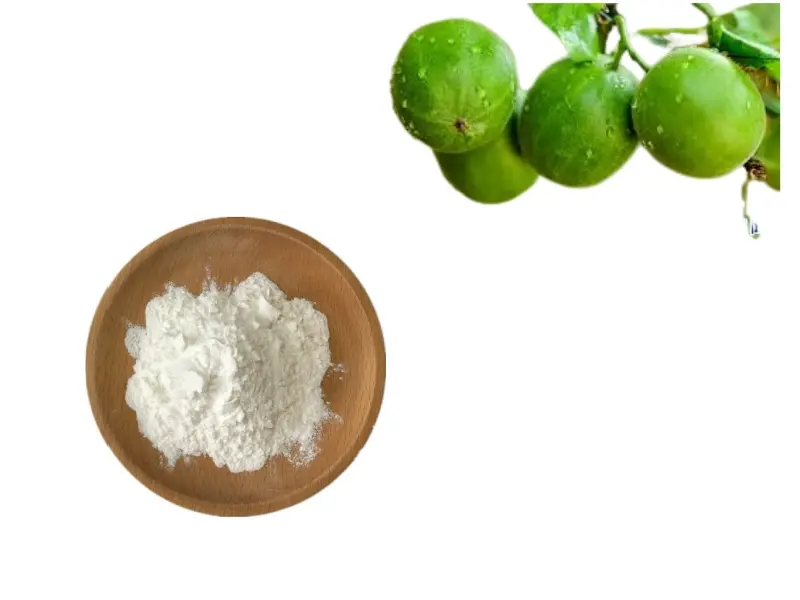
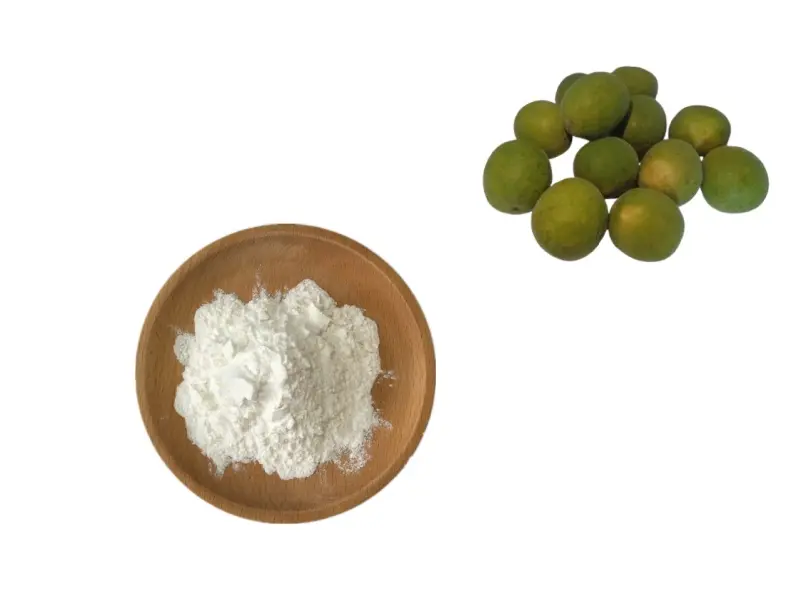
Strict temperature required, fond of warm condition, difference in temperature for day & night, afraid of frost, non-resistance to high temperature; It begins to sprout and bud when cultivating with temperature rising to 18-20℃. The seedling has features for shade resistant, and the full-grown plant is fond of light, but avoiding strong sunshine due to being plant for short sunshine.
Better to be in direct sunshine for 7-8 hours in daytime, avoiding evening glow. Monk Fruit (LuoHan Guo) is likely keen on humid & foggy weather, associated with abundant rainfall during the growth period, but avoiding deep water. Good drainage is required in topography, like the hillside with ventilation & penetrating light, also along with leeward & southern exposure. Furthermore, soil is also required for fertile on the surface, abundant in humus, porous & damp in soil itself. To guarantee raw material quality consistence and ingredients in which meet requirements, we control process from production resource.
Mogroside is the main component of the sweet taste on Monk Fruit Extract, the main sweet component mogroside-V has more than 500 times sweet taste. Mogroside V is approved as a high-intensity sweetening agent in Japan. Mogroside is natural production and has the character of high saccharinity, low calorie, innocuous and safety, high stability. So it can be used as food additive on foods and health care productions to replace sucrose; cookies added mogroside have very good flavor and taste, feel daintily while eating it. The low-sugar health care beverage that made by Mogroside V looks clear and clarity, smells faint scent, has the ability of satisfy thirst, diuresis, refresh mind, lower blood pressure and lubricate digestive system. English scientist use soluble starch and mogroside to produce cubic sugar and has good effect while use on coffee and black tea. Japanese scientist developed a new kind of health care candy contains mogroside called “Yuan Zhen Tang”.
In vitro and animal studies suggest potential cancer chemopreventive activities of cucurbitane glycosides and related compounds from the fruit of monk fruit (luo han guo). An ethanol extract of S. grosvenori was evaluated for its effect on Epstein-Barr virus-early antigen(EBV-EA) activation as a method of detecting chemoprotective activity. The extract inhibited activation of EBV-EA at a level similar to or greater than the activity of beta-carotene. In a similar study, 11-oxo-mogroside V and mogroside V showed strong inhibitory effects. A 2-stage skin carcinogenesis model in mice ingesting mogroside V or 11-oxomogroside V showed delayed development and reduced numbers of papillomas at 10 and 15 weeks, respectively, compared with control group animals. Inhibitory effects of mogroside V and 11-oxo-mogroside V on another skin carcinogenesis model in mice using peroxynitrite also showed a reduction in numbers of papillomas formed and delayed papilloma development.
S. grosvenori extract and the cucurbitane glycosides mogroside IV, mogroside-V, 11-oxo-mogroside V, and siamenoside I inhibited copper-mediated, low-density, lipoprotein and cell-mediated, low-density lipoprotein oxidation in a dose-dependent fashion, with 11-oxo-mogroside V as the most active component. The antioxidant, free radical scavenging activities of the extract and 11-oxo-mogroside V were less than those of vitamin E in the same in vivo study.
The effect of luo han guo extract and its glycosides on allergic symptoms in mice were studied. No effect on skin scratching behavior or nasal rubbing was noted following single doses of 300 and 1,000 mg/kg, respectively, of the extract or the glycosides. Repeated daily doses of 300 and 1,000 mg/kg/day between 2 and 4 weeks of the extract and the glycosides showed gradual inhibition of nasal rubbing and skin scratching.
Non-caloric natural sweetener for flavor and sweetener enhancing
| Item | Specification |
|---|---|
| Appearance | Light yellow to white Powder |
| Odor & Taste | Characteristic |
| Particle Size | 95% pass 80 mesh |
| Assay (HPLC) | 1%-50% Mogroside V |
| Loss on drying | ≤5% |
| Heavy Metal | ≤10ppm |
| Pb | ≤0.5 ppm |
| As | ≤0.5ppm |
| Cd | ≤0.5 ppm |
| Hg | ≤0.1ppm |
| Total Plate Count | ≤10000cfu/g |
| Yeast & Mold | ≤1000cfu/g |
| E.Coli | ≤30cfu/g |
| Salmonella | Negative |
Mogroside V is the primary sweet-tasting active component found in Monk Fruit Extract. Depending on the concentration (e.g., 25% or 50% purity via HPLC), it provides sweetness ranging from 100 to over 200 times sweeter than conventional sucrose without adding calories.
No. Since Monk Fruit Extract contains no sucrose and has zero calories, it does not elevate blood glucose. This makes it an ideal sugar replacement for individuals managing diabetes or those on low-glycemic diets.
Yes, Mogrosides are highly stable under high temperatures and broad pH levels. They do not break down or lose sweetness easily when heated, making the extract suitable for various bakery, confectionery, and cooking applications.
Unlike many artificial sweeteners or some other natural alternatives, high-quality Monk Fruit Extract provides a pure, clean fruit sweetness without leaving a bitter lingering aftertaste.
In addition to being a non-caloric sweetener, studies suggest it contains natural antioxidants, has anti-inflammatory properties, prevents dental issues like cavities, supports weight management, and helps support overall cardiovascular and immune health.
It is widely used in the food and beverage industry (teas, dairy, soups, bakery goods, sodas), the cosmetics and personal care sector, as well as in dietary supplements and nutraceutical health products.