 Andy Biotech
1 / 1
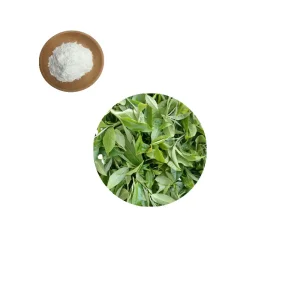
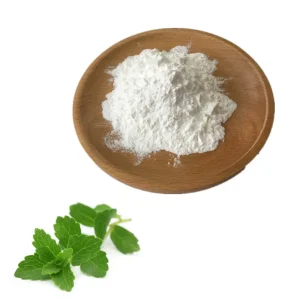
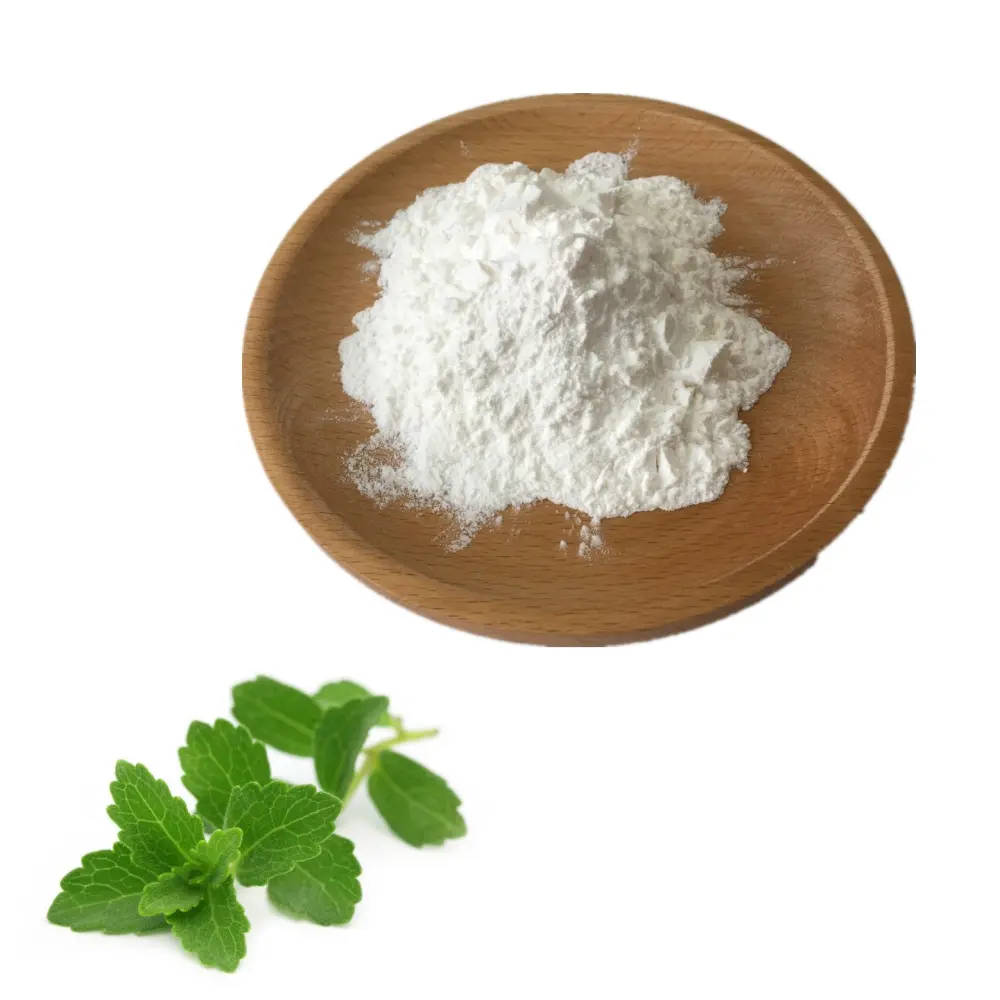
Stevia extract is a natural high-intensity sweetener derived from the leaves of the stevia plant (Stevia rebaudiana Bertoni), a member of the Asteraceae family. Its core sweetening components are steviol glycosides, such as rebaudioside A and stevioside, which are 200–300 times sweeter than sucrose yet contribute almost zero calories.
The extract is stable under high temperatures and varying pH levels, undergoes no metabolism in the human body, and is typically produced as a white to light yellow powder through water extraction, alcohol extraction, and resin purification processes.
With centuries of traditional use in South America, stevia is now approved as a safe natural sugar substitute in many countries worldwide, making it an ideal sweetening option for individuals with diabetes or those managing their weight.
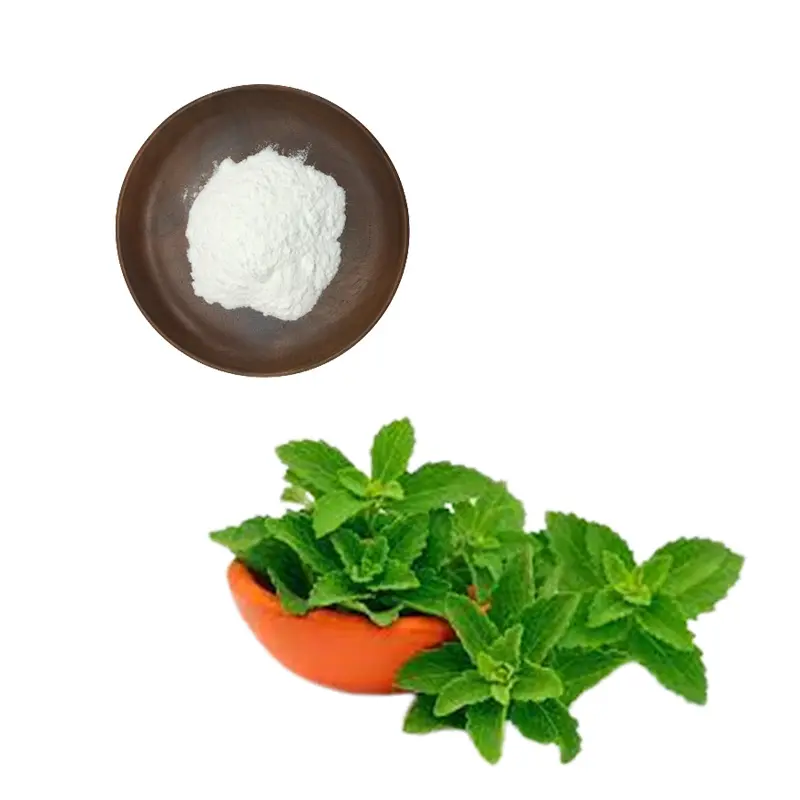
The primary benefit of stevia extract is its provision of calorie-free sweetness. Its sweetening components are not digested or absorbed by the body, having no impact on blood sugar or insulin levels, making them suitable for diabetics and individuals controlling sugar intake.
The zero-calorie property helps reduce overall energy consumption, aiding in weight management. Research indicates that certain steviol glycosides possess mild antioxidant, anti-inflammatory, and inhibitory effects against oral pathogens.
Compared to artificial sweeteners, stevia extract is natural, safe, and has shown no significant toxic side effects with long-term use, nor does it harm dental health. Notably, high-purity extracts exhibit minimal aftertaste, greatly improving upon earlier products' flavor limitations.
Stevia extract is widely used in sugar-free or low-sugar foods and beverages, such as carbonated drinks, yogurt, baked goods, candies, and tabletop sweeteners. In the health product industry, it is used to formulate diabetes-specific nutritional products and weight management meal replacements.
The pharmaceutical industry employs it as a flavoring agent in oral liquids and chewable tablets. In daily chemical products, it is added to toothpaste, mouthwash, and other oral care items. Additionally, it serves as a feed sweetener in animal husbandry to enhance feed palatability.
In recent years, advancements in high-purity single-component development (e.g., Reb M) and natural sweetener blending technologies have further expanded its applications in premium health food markets.
| Stevia Extract — Stevioside Powder Technical Data Sheet | |
| Sense Index | |
| Appearance | Off-white powder |
| Odor & Taste | Characteristic |
| Physical-chemical Index | |
| Total Steviol Glycosides (HPLC) | 95% Min |
| Specific Rotation | -31 ~ -38° |
| Absorbance | 0.05 Max |
| pH | 5.0 – 7.0 |
| Particle Size | 98% pass 80 mesh |
| Loss on Drying | 5% Max |
| Ash | 5% Max |
| Heavy Metals | 10 ppm Max |
| Lead | 2 ppm Max |
| Arsenic | 2 ppm Max |
| Mercury | 0.1 ppm Max |
| Cadmium | 1 ppm Max |
| Methanol | ≤200 ppm |
| Ethanol | ≤5000 ppm |
| Hygienic Index | |
| Total Plate Count | 1,000 cfu/g Max |
| Mold & Yeast | 100 cfu/g Max |
| Enterobacteriae | 10 cfu/g Max |
| E. Coli | Absent in 10 g |
| Salmonella | Absent in 25 g |
| Statements: Non-Irradiated, Non-GMO | |
| Packaging: 1 kg / aluminium foil bag | 25 kg / drum (37×37×50 cm) | |
| Shelf Life: 24 months — store in original packaging, away from light, at 10–25 °C. | |