Direct factory supply featuring certified active assays, optimized water solubility, and complete traceability compliance.
Bioactive polysaccharides constitute one of the most critical structural and functional components of plant cells, macrofungi (medicinal mushrooms), and marine macroalgae. Biochemically composed of long-chain monosaccharide units bound together by glycosidic linkages, these complex carbohydrates exhibit remarkable pharmacological properties. In modern biochemistry, they are recognized for their immunomodulatory, prebiotic, antioxidant, and tissue-protective behaviors.
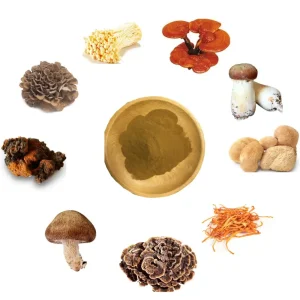
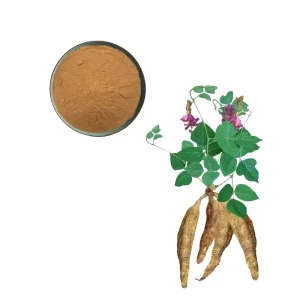
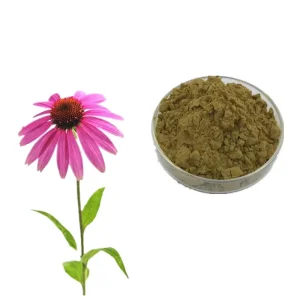
Globally, the market for high-purity polysaccharides has witnessed massive expansion. Consumer shifting towards preventative health and clean-label natural wellness formulations has forced brand owners to look beyond basic vitamins. From mushroom beta-glucans (e.g., Reishi, Cordyceps, Lion's Mane) to plant mucilages and root extracts (e.g., Astragalus, Echinacea), these polymers are being integrated into advanced clinical diets, functional beverages, skin barriers, and pharmaceutical adjuvants.
Advancements in characterization techniques, such as Size Exclusion Chromatography coupled with Multi-Angle Laser Light Scattering (SEC-MALLS), have allowed manufacturers to standardize molecular weight distribution profile. The ability to guarantee specific molecular weights is key, as scientific evidence indicates that the biological activity of polysaccharides is highly dependent on their molecular chain structures, branching ratios, and solubility profiles.
How R&D directors, compliance officers, and procurement managers select polysaccharide suppliers.
Global buyers require precise determination of active polysaccharides versus simple starches. Validated testing protocols (such as DNS assay, phenol-sulfuric acid method, or enzymatic assays) are essential to prevent formulation deviations.
Raw materials must comply with USP <467> for residual solvents and USP <233> for elemental impurities. Sourcing teams rely on suppliers that perform ICP-MS testing for Lead, Cadmium, Mercury, and Arsenic.
Strict controls on total aerobic plate count (TPC), yeasts, molds, and zero tolerance for pathogens (E. coli, Salmonella, Staphylococcus aureus) are mandatory for foods and cosmetics.
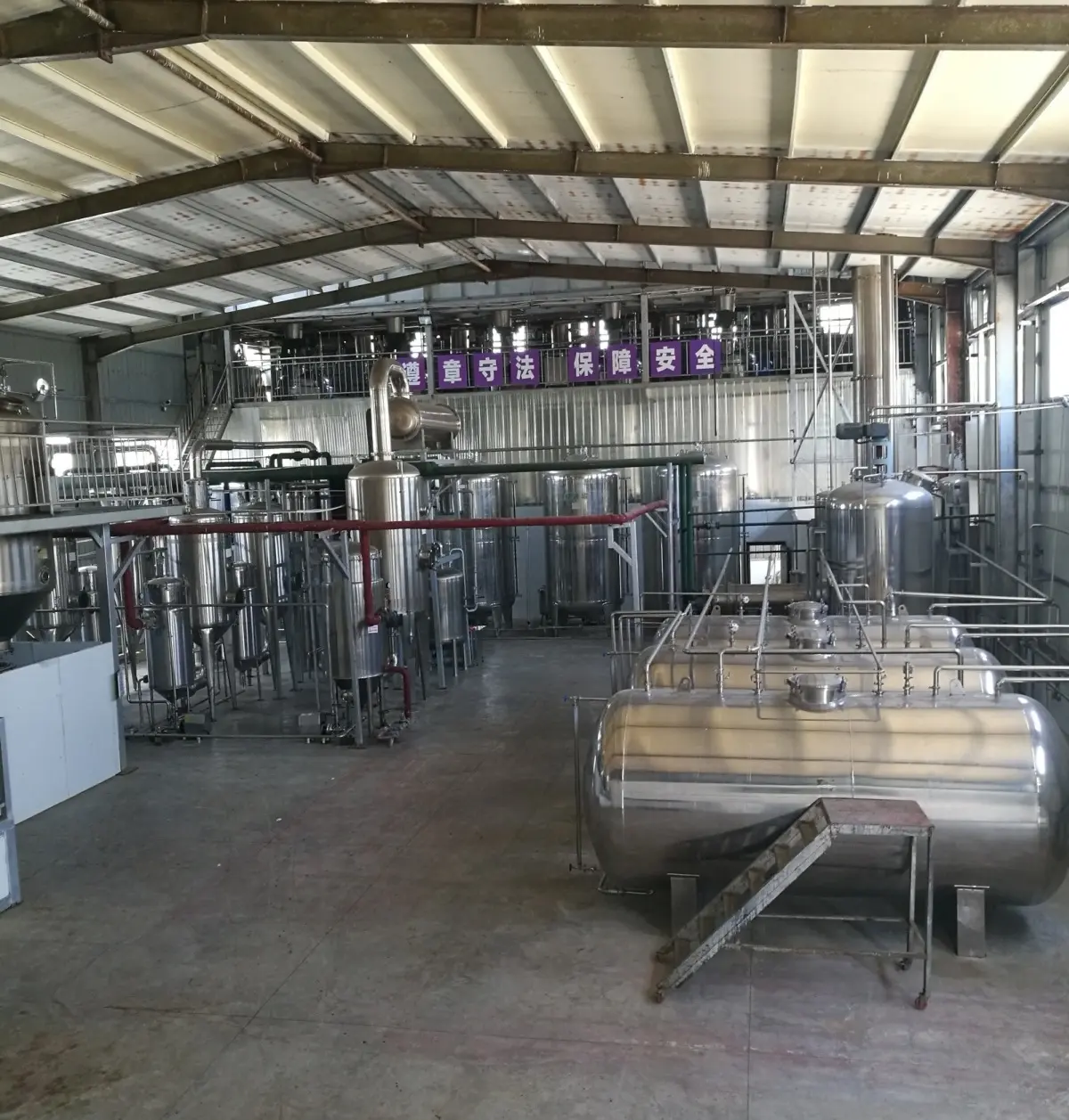
The botanical extraction sector in China has transitioned from traditional batch processing to highly automated, continuous counter-current extraction systems (Industry 4.0 standards). By employing computer-controlled PLC loops, modern Chinese facilities stabilize extraction temperature, ethanol ratios, and dwell time down to exact parameters. This level of process control minimizes human error, decreases solvent loss, and achieves unmatched batch-to-batch consistency.
Supply Chain Resilience: China holds a deep geographic advantage, hosting diverse ecological zones that range from the high-altitude fields of Gansu and Qinghai to the rich forest reserves of Shaanxi. These biomes yield abundant botanical raw materials locally. Working directly with raw material cultivation bases allows manufacturers to lock in raw crop supplies, insulate buyers from seasonal pricing shifts, and maintain continuous material flow during global transport disruptions.
Additionally, advanced physical concentration processes—such as ultrafiltration, nanofiltration, and low-temperature spray drying—preserve the biological conformation of temperature-sensitive molecules. This ensures that the finalized powders maintain high water solubility and clear sensory profiles when reconstituted in commercial liquids.
Bridging natural botanical heritage with scientific validation, delivering premium standardized plant extracts for global health, food, and cosmetic formulations.
Founded on an uncompromising commitment to purity, potency, and scientific transparency, Andy Biotech manages the entire plant extract lifecycle. We partner with a verified network of certified organic and sustainably managed farms to ensure raw crop integrity from the moment seeds are planted.
Our state-of-the-art manufacturing facilities utilize modern extraction technologies, including eco-responsible supercritical carbon dioxide extraction and high-efficiency water-based extraction methods. These methodologies optimize the recovery of active compounds (such as polysaccharides, triterpenoids, and polyphenols) while maintaining a minimal carbon footprint.
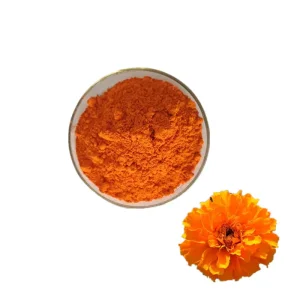
Our extensive botanical portfolio spans standardized extracts, customized ratio formulations, and unique botanical blends tailored to modern product matrices. From Ginkgo Biloba and Lycopene Tomato extracts to premium Marigold Lutein and Aloe Vera Gel Freeze Dried powders, our research teams deliver tailored solutions that meet precise formulation specifications.
Andy was born in a small village nestled along the Hanjiang River in Hanzhong, Shaanxi province, China—a region famous for its rich natural landscape and medicinal herbs. Thirty years ago, as a child, she fell ill with a severe cold. In that remote area, crossing the steep mountains to reach a modern hospital was highly challenging for her family.
Observing her condition, Andy’s grandfather harvested wild Echinacea leaves from his garden, soaking them in warm water. He then dug up Echinacea roots, mashing them to extract a potent herbal liquid, which he administered to Andy every two hours. By the next day, her fever broke, and she began to recover.
This early experience shaped Andy's deep appreciation for the healing power of native plants. She observed her grandfather carefully tend his garden, learning that botanical remedies were more than simple traditions; they represented a deep synergy between nature and health. At that young age, Andy made a personal commitment to share these botanical solutions with people around the world.
Today, that promise is the foundation of Andy Biotech. We bridge historical botanical knowledge with modern extraction technology to deliver clean, active plant extracts that support wellness globally.
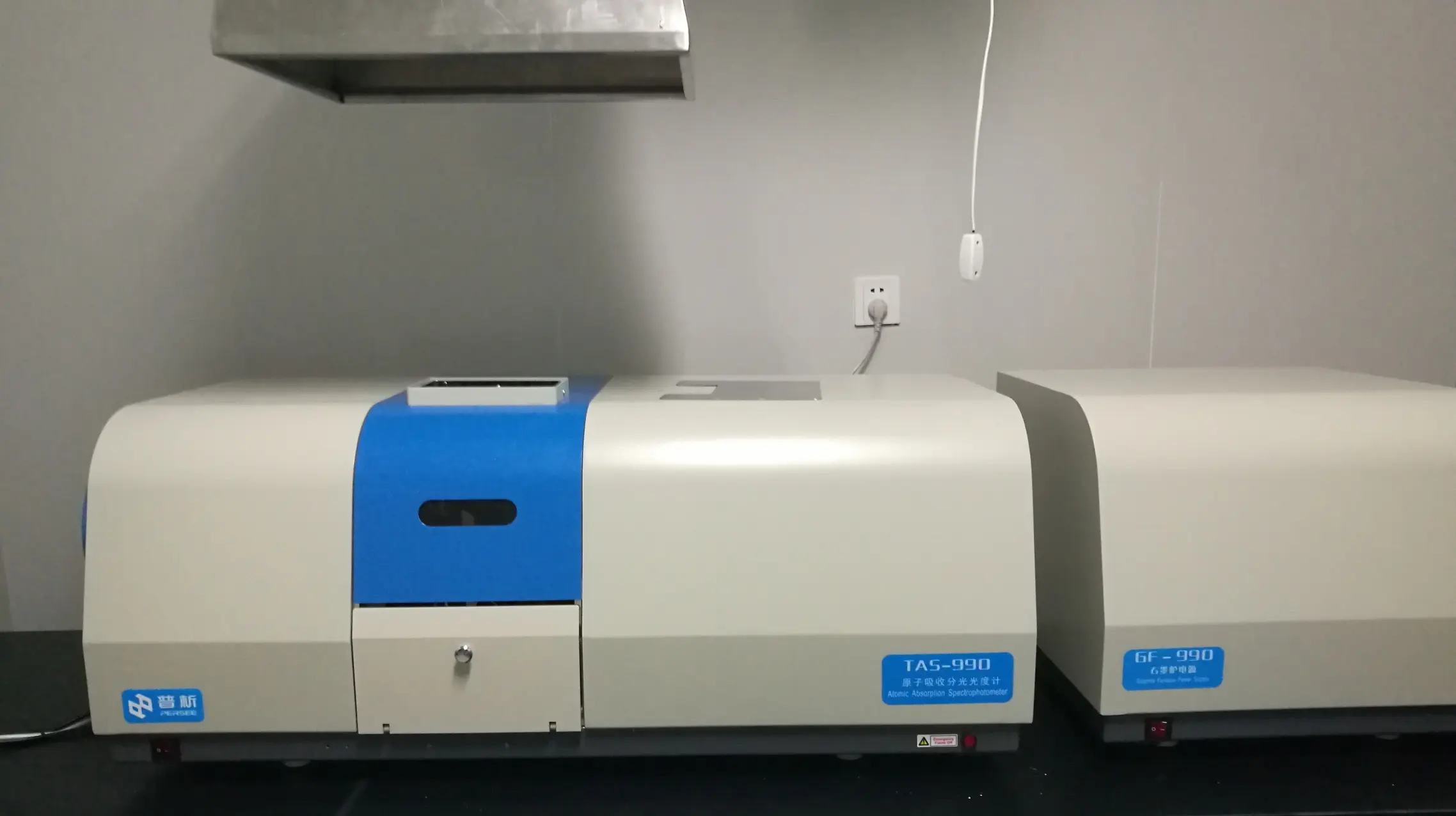
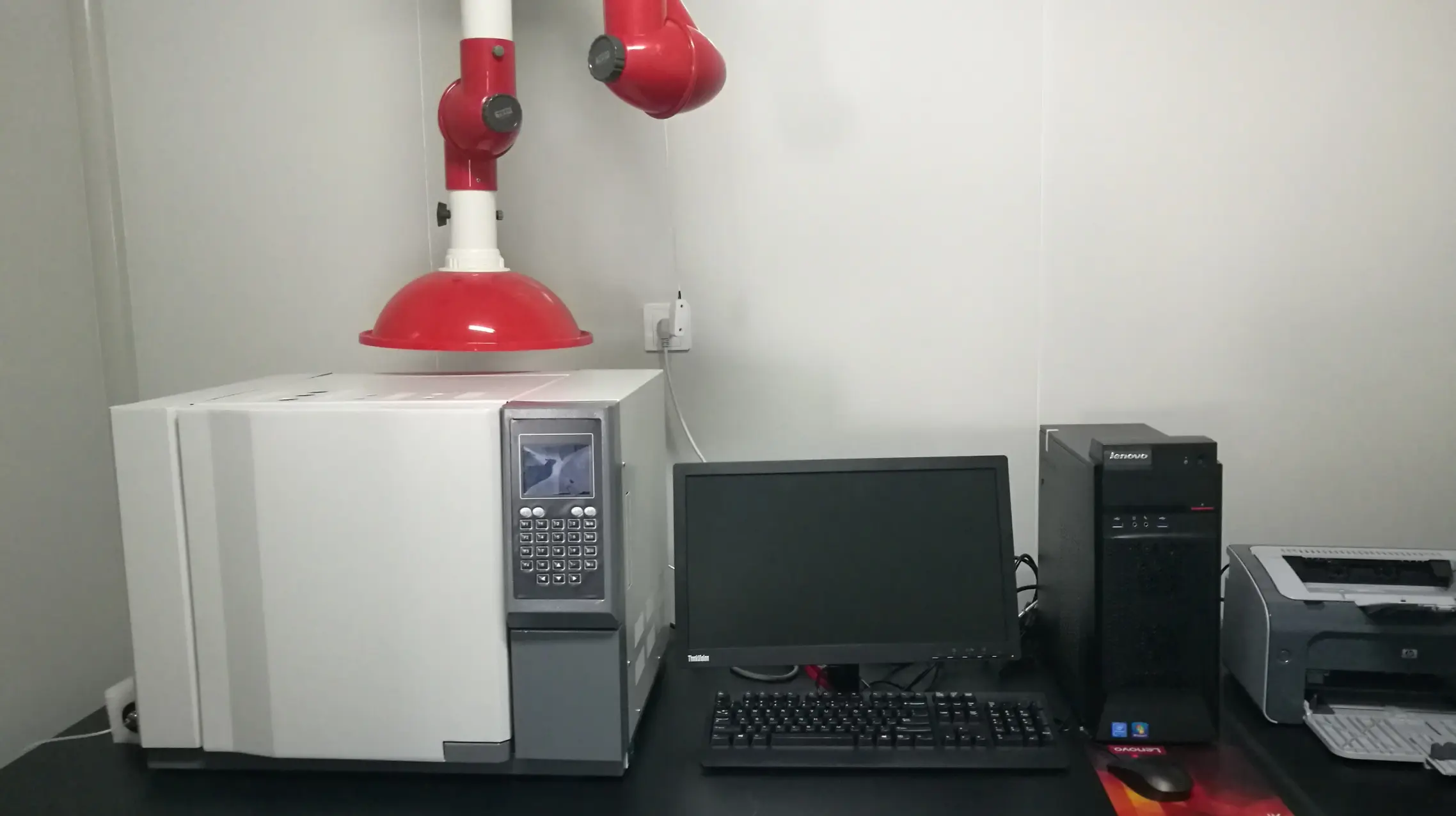
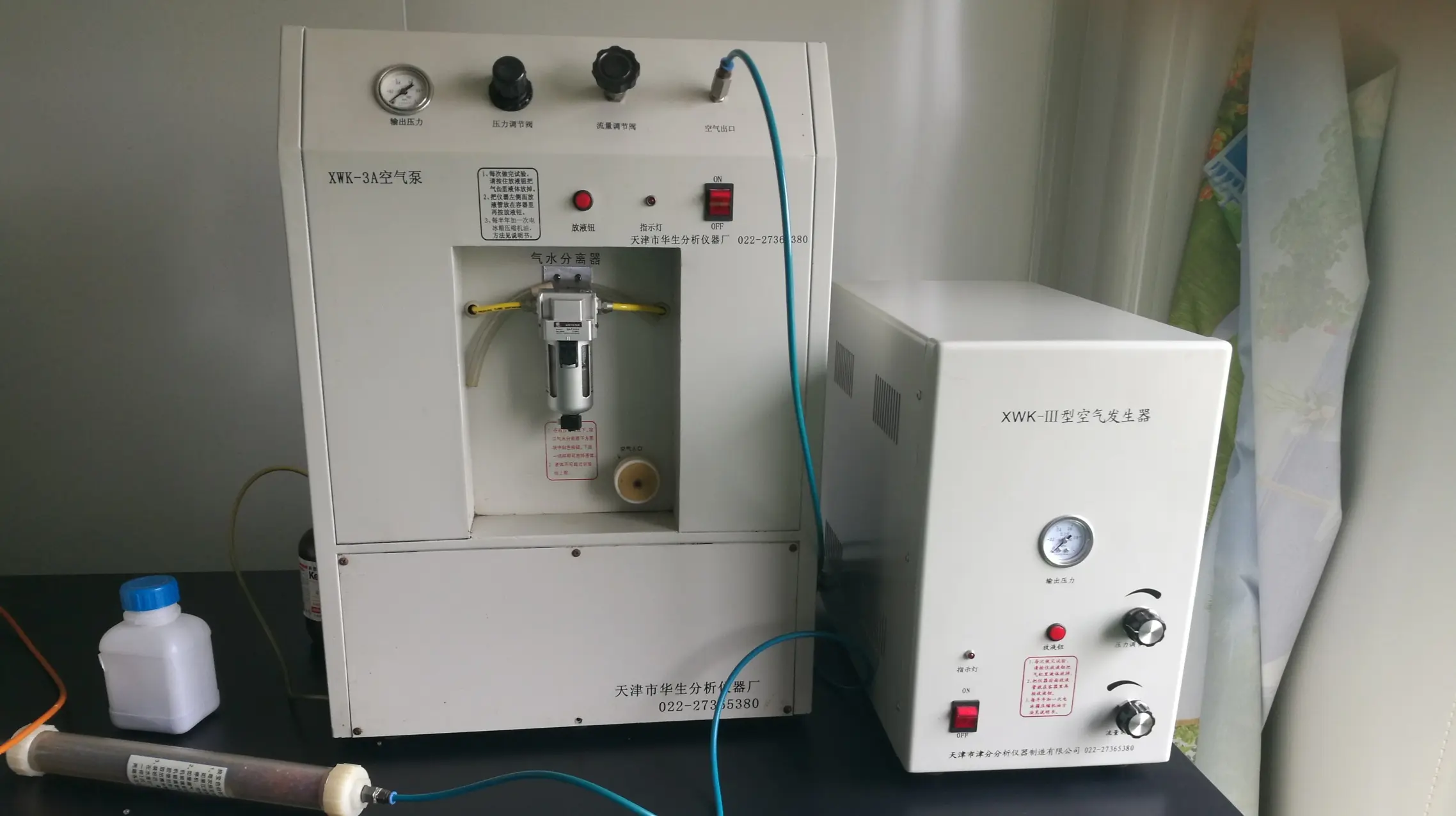
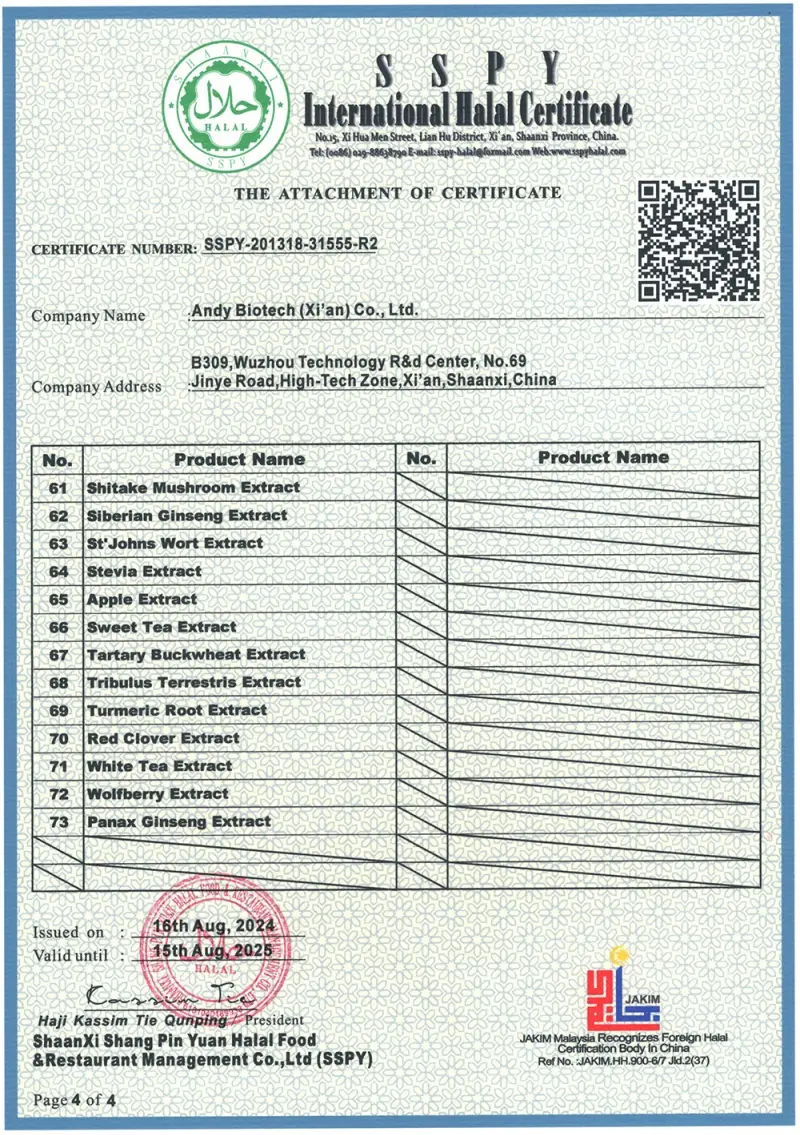
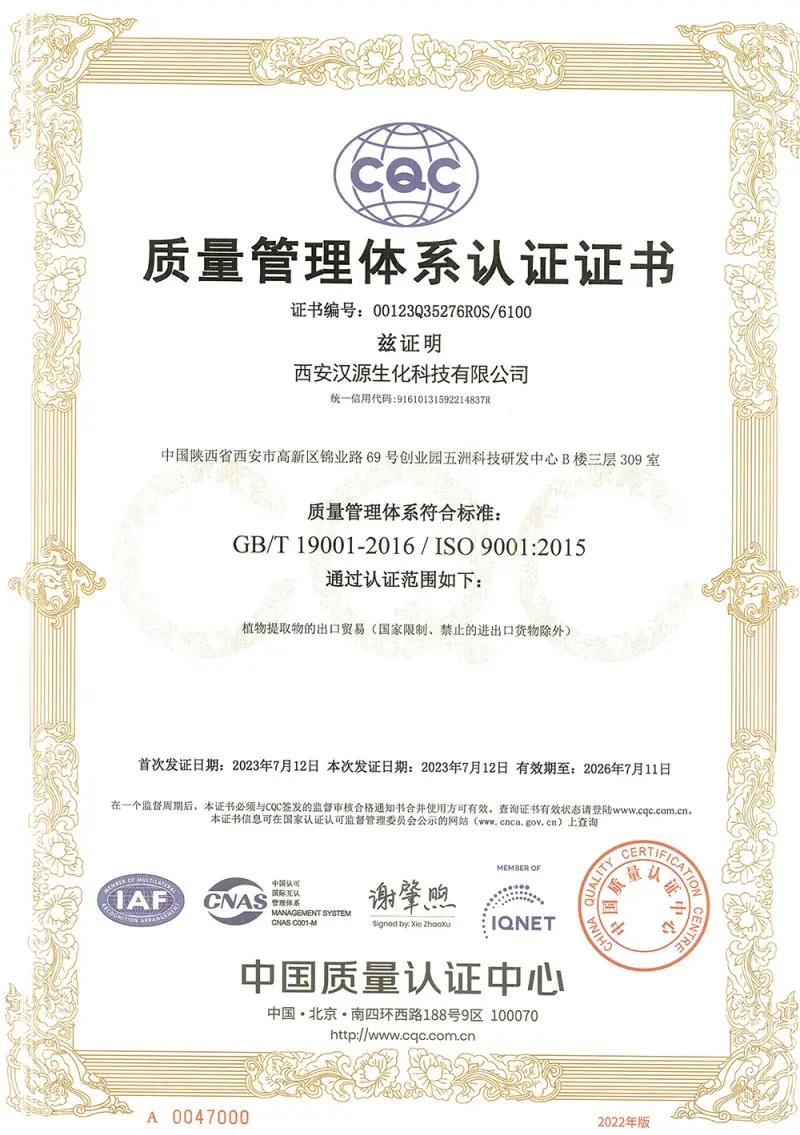
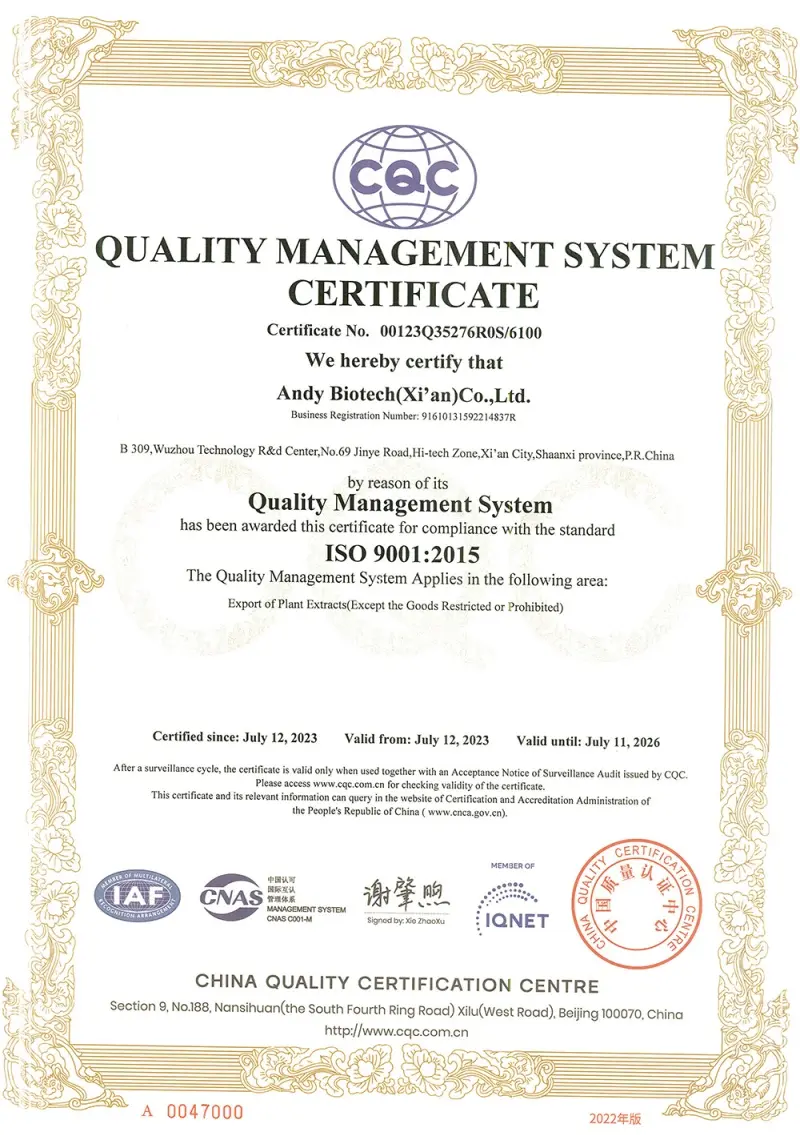
Third-party audited facilities and certifications ensuring conformity to strict international commercial regulations.
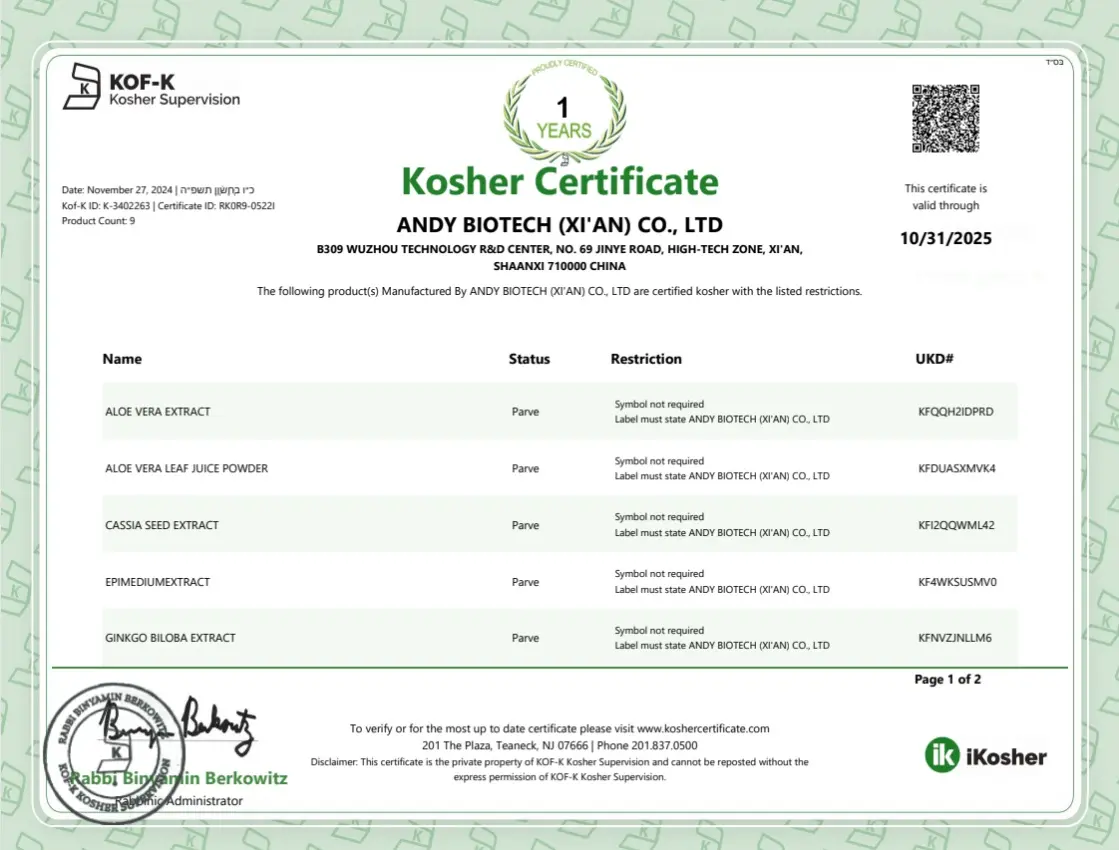
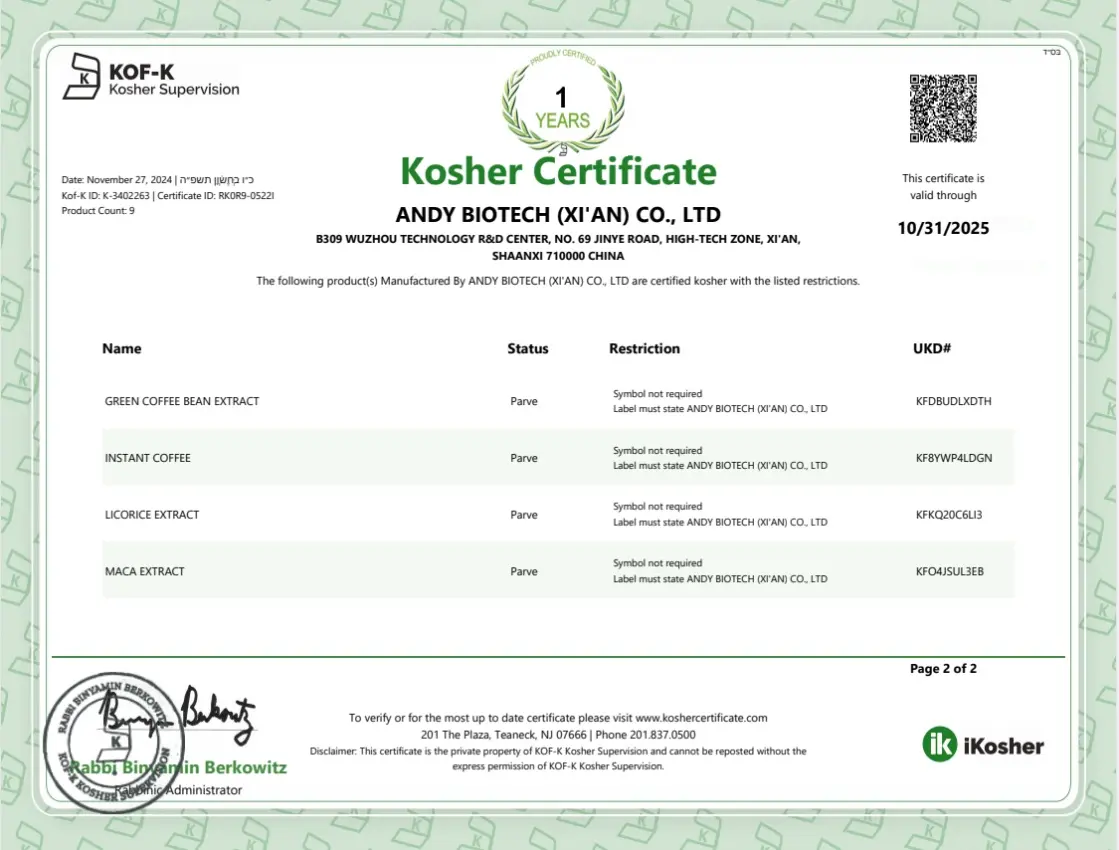
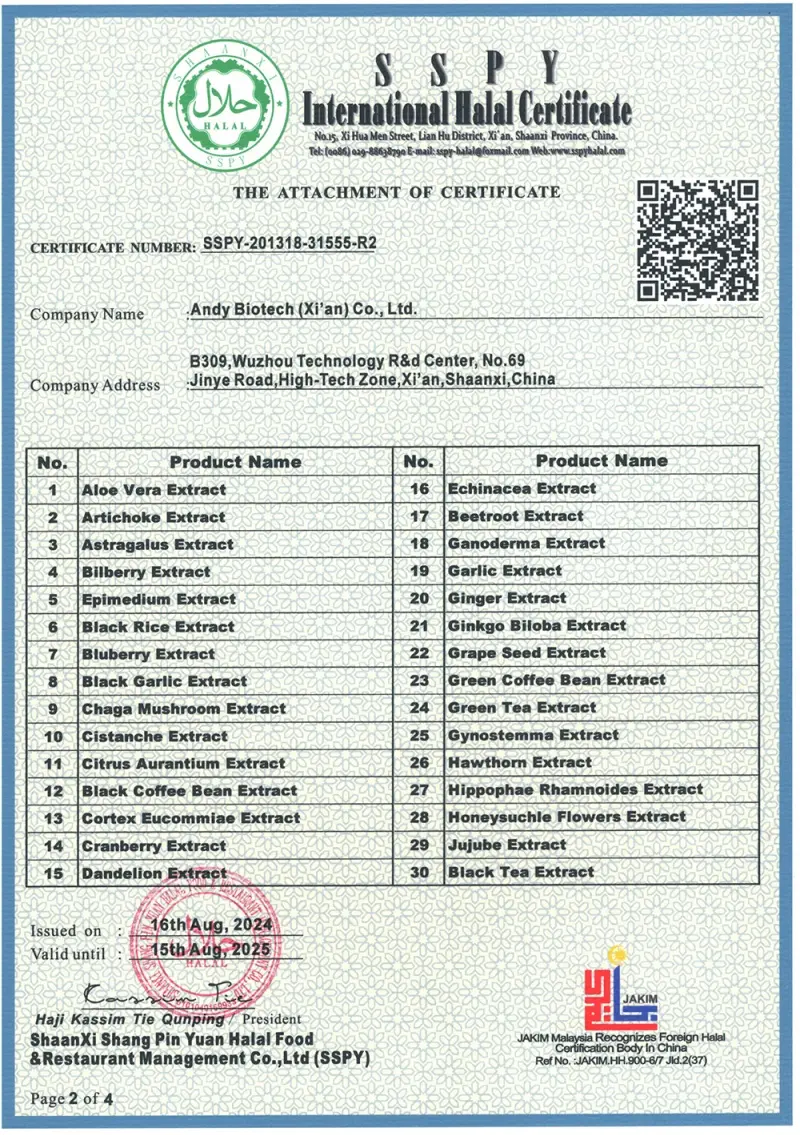
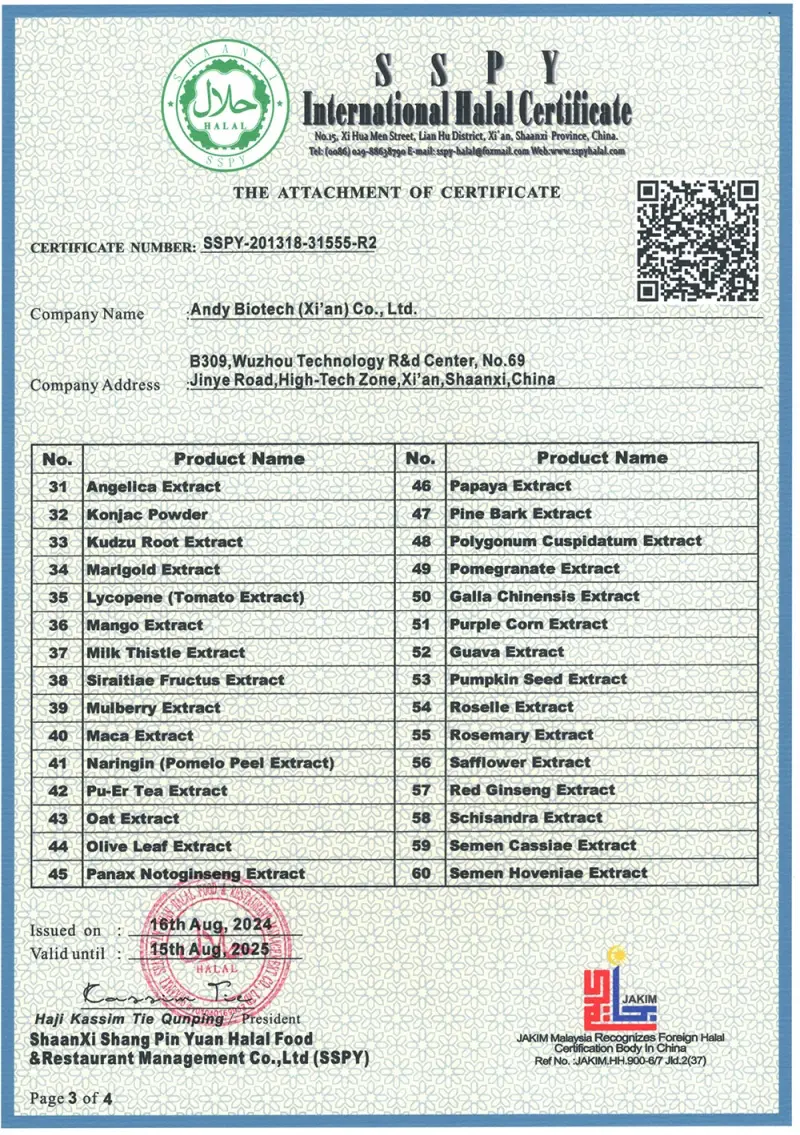
How our refined polysaccharide and extract powders perform across key commercial channels.
Mushroom and herbal polysaccharides form the foundation of immune-supporting capsules, tablets, and drink mixes. The high beta-glucan content stimulates macrophages and natural killer cells, offering standardized benefits in daily wellness products.
With water-soluble polysaccharide fractions and botanical extracts, drink formulations maintain clarity, avoid sediment, and preserve natural flavors. Perfect for RTD teas, wellness shots, and functional food bars requiring clean-label certification.
Polysaccharides act as natural humectants, creating a breathable, hydrating barrier on the skin. Sourced for anti-inflammatory, calming, and skin-barrier repair creams, lotions, and targeted facial serums.
R&D and procurement answers regarding testing, solubility, and supply chain specifications.
We utilize the ethanol precipitation method combined with the Megazyme enzymatic assay kit to selectively measure alpha-glucans (starches) versus beta-glucans and other active complex polysaccharides. Standardized spectrophotometric methods (like UV-Vis) are calibrated with high-performance size exclusion chromatography (HPSEC) to ensure raw material integrity and prevent adulteration.
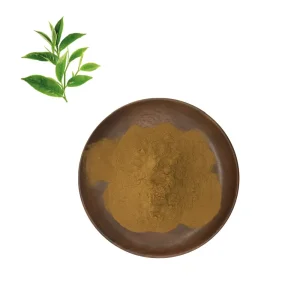
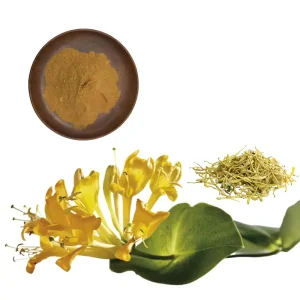
Our water-soluble extract powders (such as Green Tea Extract and Honeysuckle Flower Extract) undergo membrane filtration and multi-stage vacuum concentration. This yields a particle size profile (typically 95% passing through 80 mesh) that dissolves completely in water at room temperature (20-25°C) without precipitating or creating cloudiness in liquid formulas.
We screen our botanical raw materials in accordance with European Pharmacopoeia (EP) 2.8.13 and FDA guidelines. Each production run is validated via GC-MS/MS and LC-MS/MS for over 400 common agricultural pesticide residues, ensuring clean access to US, EU, and Asia-Pacific markets.
Yes. Using controlled enzymatic hydrolysis and membrane fractionation processes, we can tailor the molecular weight (Mw) of polysaccharides to meet specific functional needs. Lower molecular weight fractions provide better absorption in prebiotic drinks, while higher molecular weight matrices offer optimal film-forming properties for skincare applications.
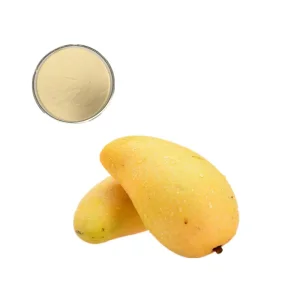
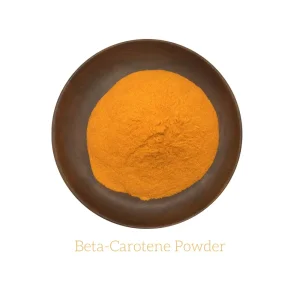
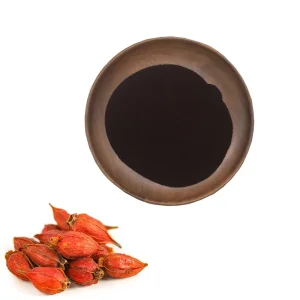
High-potency extracts, nutrient-dense fruit powders, and plant-derived pigments optimized for clean-label food and beverage manufacturing.
 Andy Biotech