 Andy Biotech
1 / 1
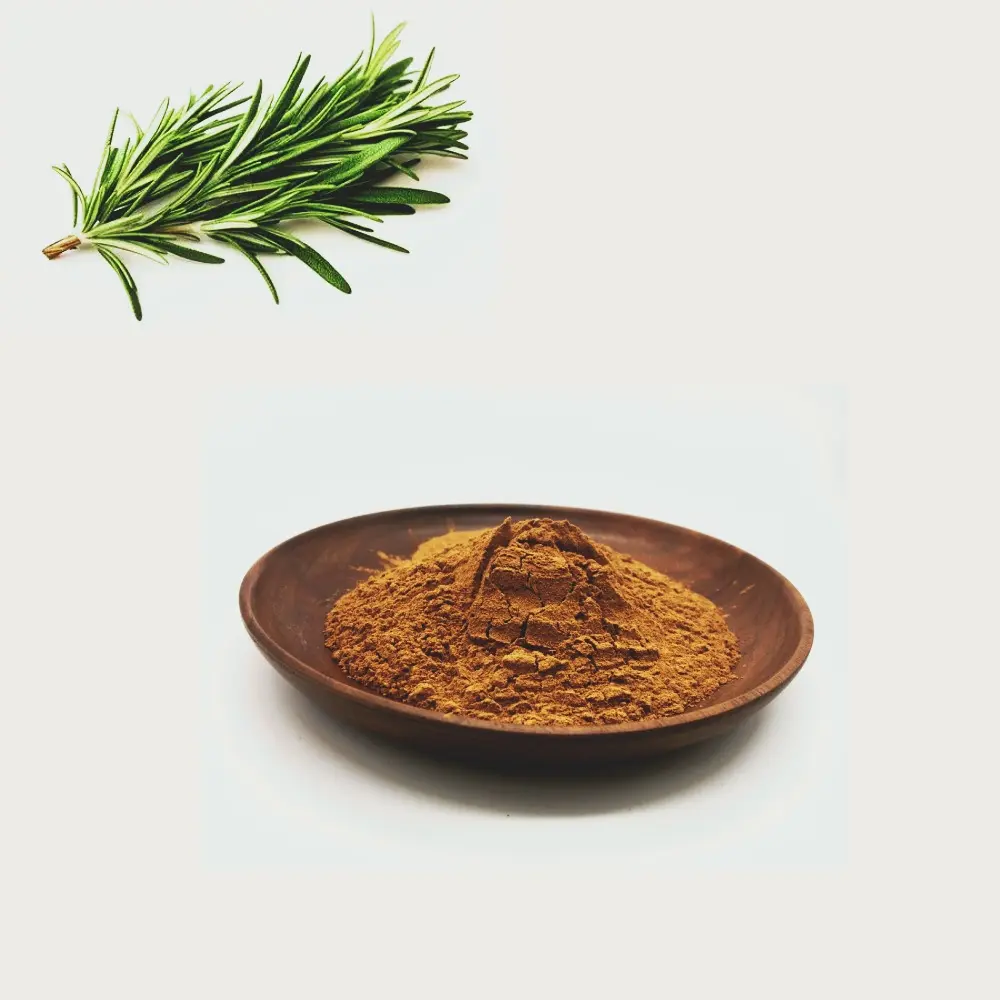
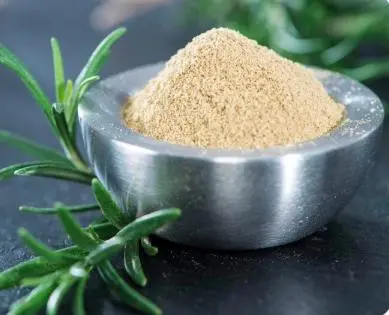
The main components of rosemary extract are Ursolic acid, Rosmarinic Acid and Carnosic Acid. Several main components in rosemary extract have strong antioxidant activity. It has obvious effects in preventing oil oxidation and maintaining meat flavor.
The United States and Japan were the first countries to study rosemary antioxidants. Japan uses rosemary 95% acetic acid extract to prevent essence flavors from spoilage additives, and add natural carotenoids and other natural food colorants to prevent oxidation and fading.
After more than a decade of research on rosemary, China Academy of Sciences has not only completed the experiments of introduction and cultivation, but also achieved encouraging results in the extraction, isolation and structure identification of antioxidants, antioxidant efficiency experiments, production process and supercritical CO2 extraction technology.
Salvianol, as an antioxidant and antimicrobial additive, has been widely used in food and pharmaceutical industry. Rosmarinic acid has obvious antipyretic, analgesic, anti-inflammatory, antioxidant, antithrombotic and fibrinolytic activities. This product is also expected to be developed into a new antithrombotic drug. It is expected to solve the oxidation problem of chilled pork.
| Rosemary Extract Technical Data Sheet | |
|---|---|
| Sense Index | |
| Appearance | Light yellow to Brown powder |
| Odor & Taste | Characteristic |
| Physical-chemical Index | |
| Carnosic Acid (HPLC) | 5%-98% |
| Particle Size | 98% pass 80 mesh |
| Loss on drying | 5% Max |
| Ash | 5% Max |
| Heavy metals | 10ppm Max |
| Lead / Arsenic | 2ppm Max |
| Mercury / Cadmium | 0.1ppm / 1ppm Max |
| Hygienic Index | |
| Total plate count | 1,000cfu/g Max |
| Mold & yeast | 100cfu/g Max |
| E.Coli / Salmonella | Absent |
| Statements: Non-Irradiated, Non-GMO | |
| Packaging: 1kg/aluminium foil bag, 25kg/drum | |
| Shelf Life: 24 months stored in original packaging away from light (10~25℃). | |
The oxidation of lipids, especially unsaturated fatty acids, is the main cause of meat deterioration. This oxidative degradation changes product quality, such as color, aroma, and nutritional components.
Unlike synthetic antioxidants (BHT, BHA) which may have health risks, natural antioxidants like Rosemary are safe and highly effective for use in the food industry.
Rosemary extract can prolong the life of Drosophila in survival tests. It improves antioxidant enzyme activity, removes free radicals, and inhibits lipid peroxide production.
Applying rosemary antioxidants to chilled pork helps maintain the balance between oxidation and antioxidation, effectively preventing deterioration.
Studies show that Rosemary extract's components (sage phenol, rat tail oxalic acid, rosemary phenol, and rosmarinic acid) maintain the balance of free radical metabolism, protecting the normal metabolism of the body and delaying aging.
Replaces synthetic antioxidants in oils, meats, snacks, and baked goods. Extends shelf life and prevents rancidity.
Used in capsules and tablets for cell protection, cognitive health, and liver detoxification.
Natural preservative for "clean beauty" and active ingredient in anti-aging and anti-inflammatory skin care.
Prevents oxidation of fats in feed, enhances animal immunity, and improves meat quality.
Potential use in anti-cancer and neuroprotective drugs. In agriculture, it serves as a raw material for biopesticides and plant growth regulators for green farming.