 Andy Biotech
1 / 1
| St. John’s Wort Extract Technical Data Sheet | |
| Sense Index | |
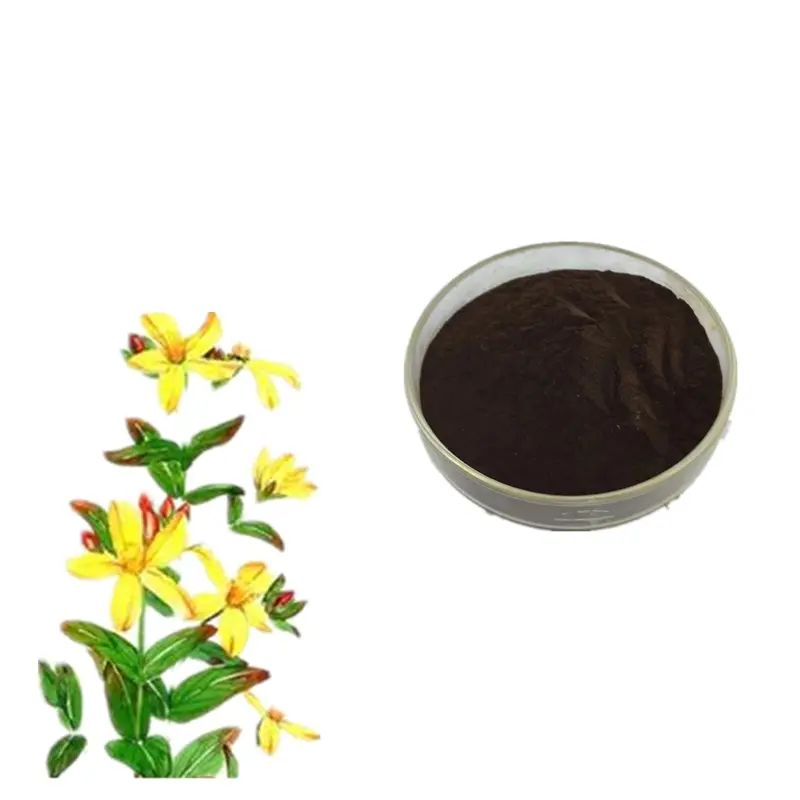
| Appearance | Dark brown powder |
| Odor & Taste | Characteristic |
| Physical-chemical Index | |
| Hypericin (UV) | 0.3% Min |
| Particle Size | 98% pass 80 mesh |
| Loss on drying | 5% Max |
| Ash | 5% Max |
| Heavy metals | 10ppm Max |
| Lead | 2ppm Max |
| Arsenic | 2ppm Max |
| Mercury | 0.1ppm Max |
| Cadmium | 1ppm Max |
| Hygienic Index | |
| Total plate count | 1,000cfu/g Max |
| Mold & yeast | 100cfu/g Max |
| Enterobacteriae | 10cfu/g Max |
| E.Coli | Absent in 10g |
| Salmonella | Absent in 25g |
Statements: Non-Irradiated, Non-GMO
Packaging: 1kg/aluminium foil bag, 25kg/drum (37*37*50cm).
Shelf Life: 24 months stored in original packaging away from the light, and under the optimal temperature 10~25℃.
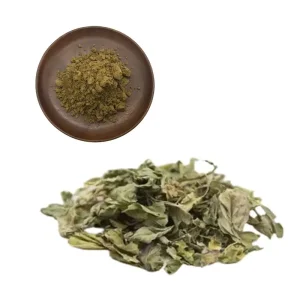
St. John's Wort Extract is a natural active ingredient derived from the aerial parts (flowers, leaves, stems) of Hypericum perforatum, a plant in the Hypericaceae family, typically prepared through alcohol extraction or supercritical fluid extraction. Its core active compounds include hypericin, pseudohypericin, flavonoids, and volatile oils, with hypericin often used as a quality control marker.
The plant has a thousand-year history in European traditional medicine for "soothing nerves." Modern extracts are usually standardized to 0.3% hypericin content, appearing as dark red to brownish liquid or powder, and are internationally recognized as natural mood regulators.
The core efficacy of St. John's Wort Extract lies in mood regulation and neuroprotection. Its active components (especially hypericin) alleviate mild to moderate depression and anxiety symptoms by inhibiting the reuptake of neurotransmitters such as serotonin and dopamine. Its anti-inflammatory and antioxidant properties help reduce neuroinflammation and oxidative damage.
Traditionally used topically to promote wound healing (via antibacterial and antiviral effects), it also improves seasonal affective disorder and sleep disturbances. Studies further suggest potential antiviral effects (e.g., against herpes simplex virus), estrogen metabolism regulation, and relief of menopausal discomfort, though attention must be paid to its photosensitivity and drug interaction risks.
The extract is primarily used in mood-support health products (e.g., capsules or drops for depression and anxiety). In the pharmaceutical field, it is prescribed as a herbal medicine for mild depression in several European countries. The cosmetics industry incorporates it into soothing and reparative skincare products (with mandatory photosensitivity warnings).
Topical formulations are used to treat minor burns, eczema, and neurodermatitis. It is also applied in pet calming products. In recent years, its use has expanded to treatments for neurodegenerative diseases, menopausal syndrome management, and functional teas, though strict avoidance of concurrent use with anticoagulants, contraceptives, and other medications is required.
The main active compound is Hypericin, which is typically standardized to a minimum concentration of 0.3% using UV testing. Other active compounds include pseudohypericin, flavonoids, and volatile oils.
It regulates mood by inhibiting the reuptake of key neurotransmitters like serotonin and dopamine, which helps alleviate symptoms of mild to moderate depression and anxiety.
It is widely used in dietary supplements for mood support, herbal pharmaceuticals, soothing cosmetics, topical creams for skin relief, pet calming products, and functional teas.
The extract has a shelf life of 24 months. It should be kept in its original packaging, protected from light, in a cool environment with an optimal temperature range of 10 to 25°C.
Yes, it can cause photosensitivity in some individuals. Additionally, it interacts with many medications, meaning it should not be taken concurrently with contraceptives, anticoagulants, or other major prescription drugs without consulting a physician.
Yes, the St. John's Wort Extract technical specification officially guarantees that the product is both Non-Irradiated and Non-GMO.