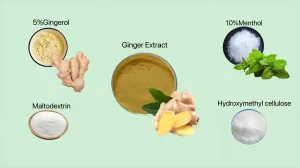
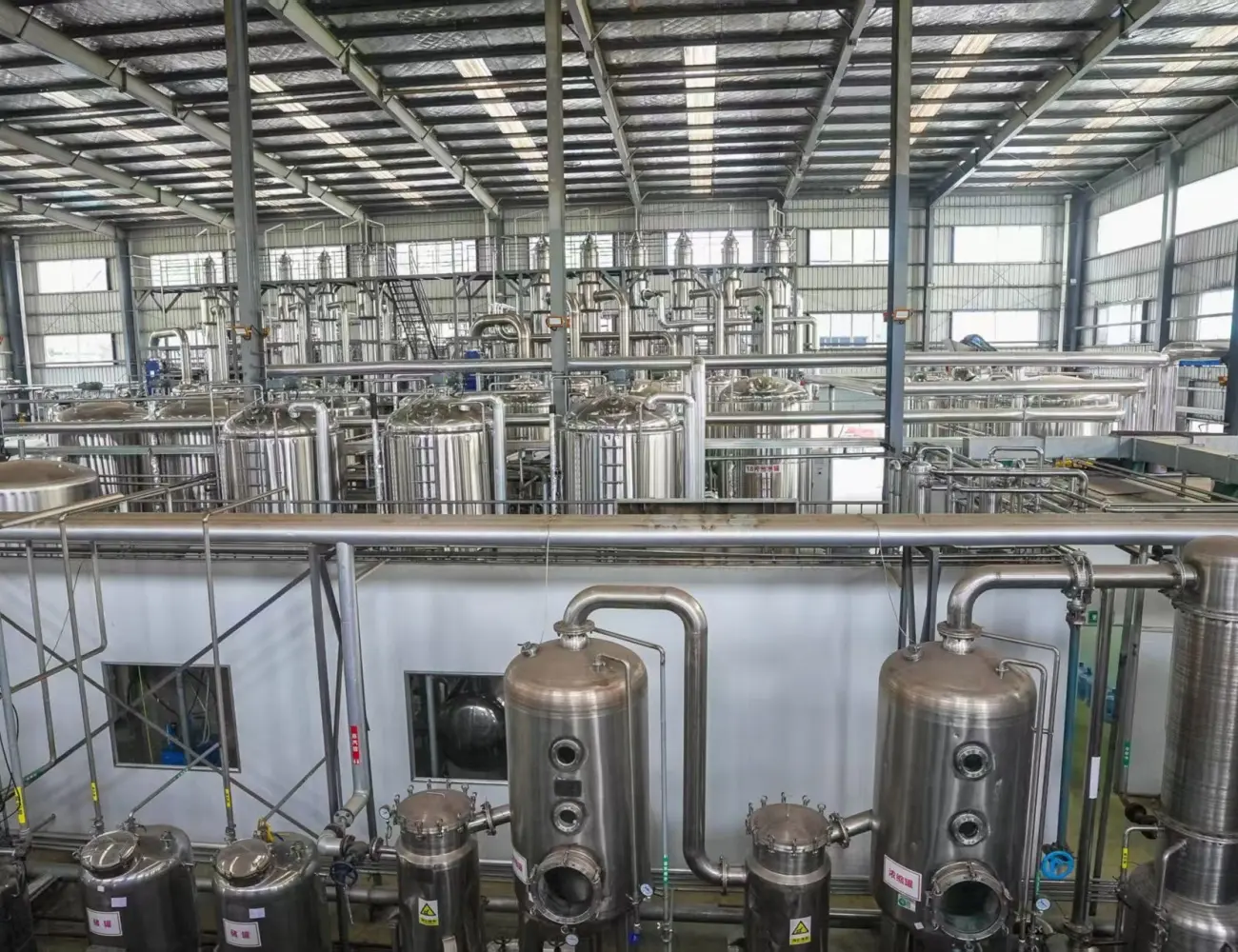
Direct supply from state-of-the-art biological extraction lines. Standardized active ingredients for global nutraceutical formulation.
Konjac Gum, a high-molecular-weight polysaccharide derived from the corms of Amorphophallus konjac, stands as one of the most versatile hydrocolloids in modern industrial manufacturing. Consisting primarily of glucomannan (KGM)—a water-soluble dietary fiber composed of D-mannose and D-glucose residues at a molecular ratio of 1.6:1 linked by β-1,4 glycosidic bonds—this natural polymer is highly sought after for its exceptional viscosity, water binding capacity, and unique gelling behavior.
The global demand for clean-label stabilizers, natural dietary fibers, and plant-based gelling agents has propelled Konjac Gum into the spotlight. In North American and European markets, consumers demanding gluten-free, vegan, and non-GMO formulations drive the structural transformation of hydrocolloid applications. Research in polymer chemistry reveals that Konjac Glucomannan exhibits the highest viscosity among all natural food-grade fibers, outperforming guar gum, locust bean gum, and alginates in dilute solutions.
Industrial applications extend far beyond the food sector. In pharmaceutical tableting, purified konjac gum serves as an excellent binder and matrix agent for controlled release. In cosmetics, it functions as a natural moisture retainer and film-forming polymer. The rapid development of clean-label alternatives has made konjac a vital ingredient for modern plant-based meat analogs, where it replicates the thermal stability and bite texture of animal fat tissues.
China is the global powerhouse for raw konjac agriculture and refined extraction technology, holding more than 70% of the world's commercial farming and processing capacity. Deep within mountainous regions like Shaanxi and Sichuan, ideal geological environments yield raw corms rich in acetylated glucomannan polymers.
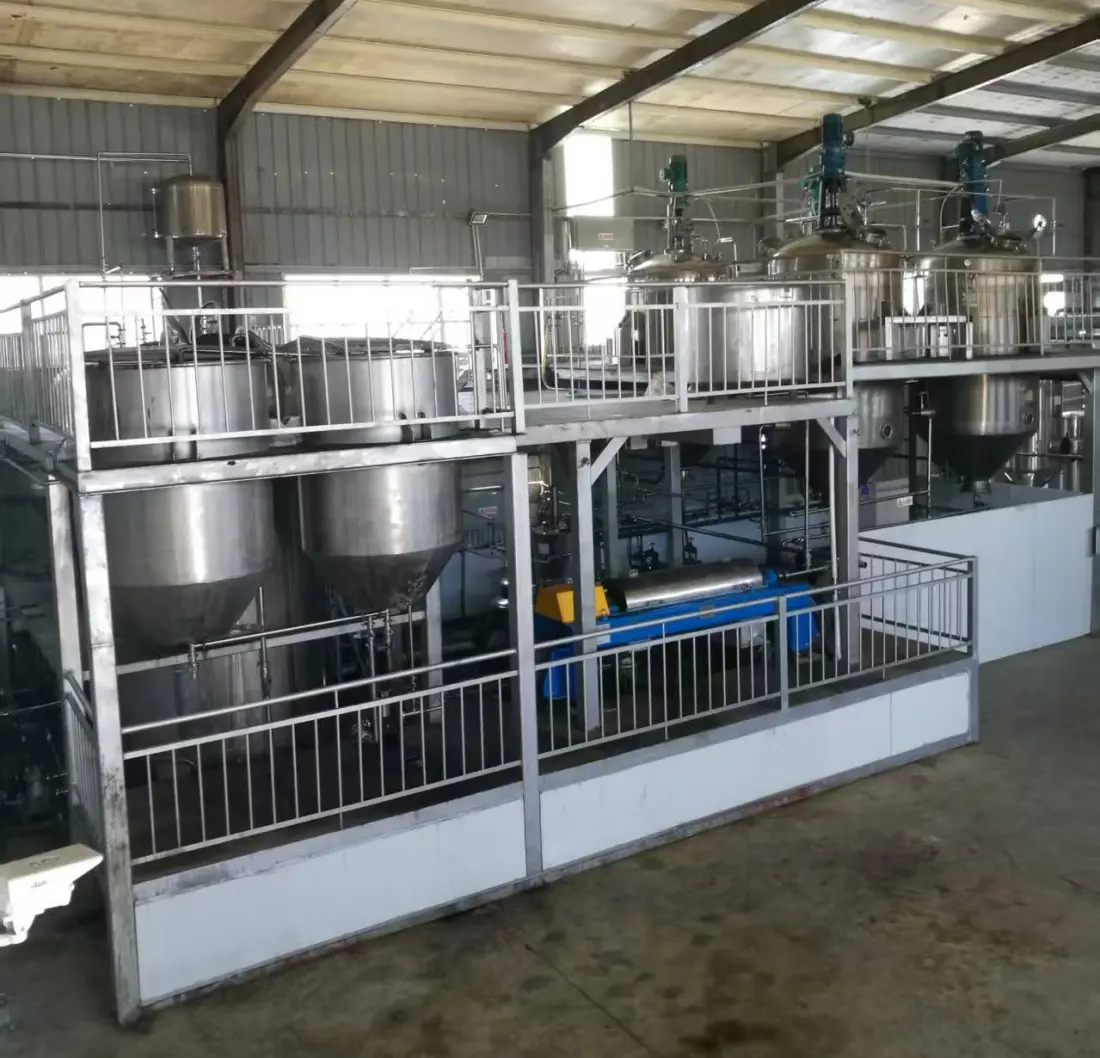
Modern Chinese konjac factories leverage advanced dry-processing and wet-purification lines to isolate glucomannan from starches, ash, and alkaloids. The integration of high-throughput dry-milling separators separates the dense starch particles from the resilient konjac cells. Following this initial classification, premium factories utilize multi-stage isopropyl alcohol (IPA) wet extraction processes to eliminate foul-smelling trimethylamines, reduce sulfur dioxide (SO2) residues to compliance levels under 10 ppm, and maximize viscosity above 30,000 mPa.s. This level of process engineering guarantees consistent performance across different production batches.
One of the most valuable aspects of Konjac Gum is its synergy with other hydrocolloids. When blended with Carrageenan, Xanthan Gum, or Starch, it creates a dramatic increase in gel strength and elasticity. For instance, combining Konjac Gum with Xanthan Gum at a 3:7 ratio yields a cohesive, highly elastic gel, despite neither polymer forming a gel on its own at room temperature. This reaction is heavily exploited in the formulation of plant-based jellies, vegan pet foods, and freeze-thaw stable frozen desserts.
In localized manufacturing setups, such as European processed-meat plants, konjac is applied to increase water retention and prevent syneresis in low-fat emulsified sausages. In the North American dietary supplement market, it is formulated into functional satiety gummies and instant weight-management beverage powders.
| Parameters | Refined Konjac Flour | Purified Konjac Gum (B2B Grade) | Pharmaceutical Grade KGM |
|---|---|---|---|
| Glucomannan Content | ≥ 70% | ≥ 85% | ≥ 95% | Viscosity (1% Sol, 25°C) | 15,000 - 25,000 mPa.s | 26,000 - 36,000 mPa.s | ≥ 36,000 mPa.s |
| pH Range Stability | 5.0 - 7.0 | 5.0 - 7.0 | 4.5 - 7.5 |
| Sulfur Dioxide (SO2) | ≤ 50 ppm | ≤ 10 ppm | Negative / Non-detectable |
| Lead (Pb) | ≤ 1.0 mg/kg | ≤ 0.5 mg/kg | ≤ 0.2 mg/kg |
Andy Biotech: Your Trusted Partner in Plant Extract Solutions
Andy Biotech is a leading manufacturer and supplier of premium-quality, scientifically-validated plant extracts for the food, beverage, nutraceutical, cosmetic, and pharmaceutical industries. Founded on a commitment to purity, potency, and innovation, we bridge the gap between nature’s potential and your product development goals.
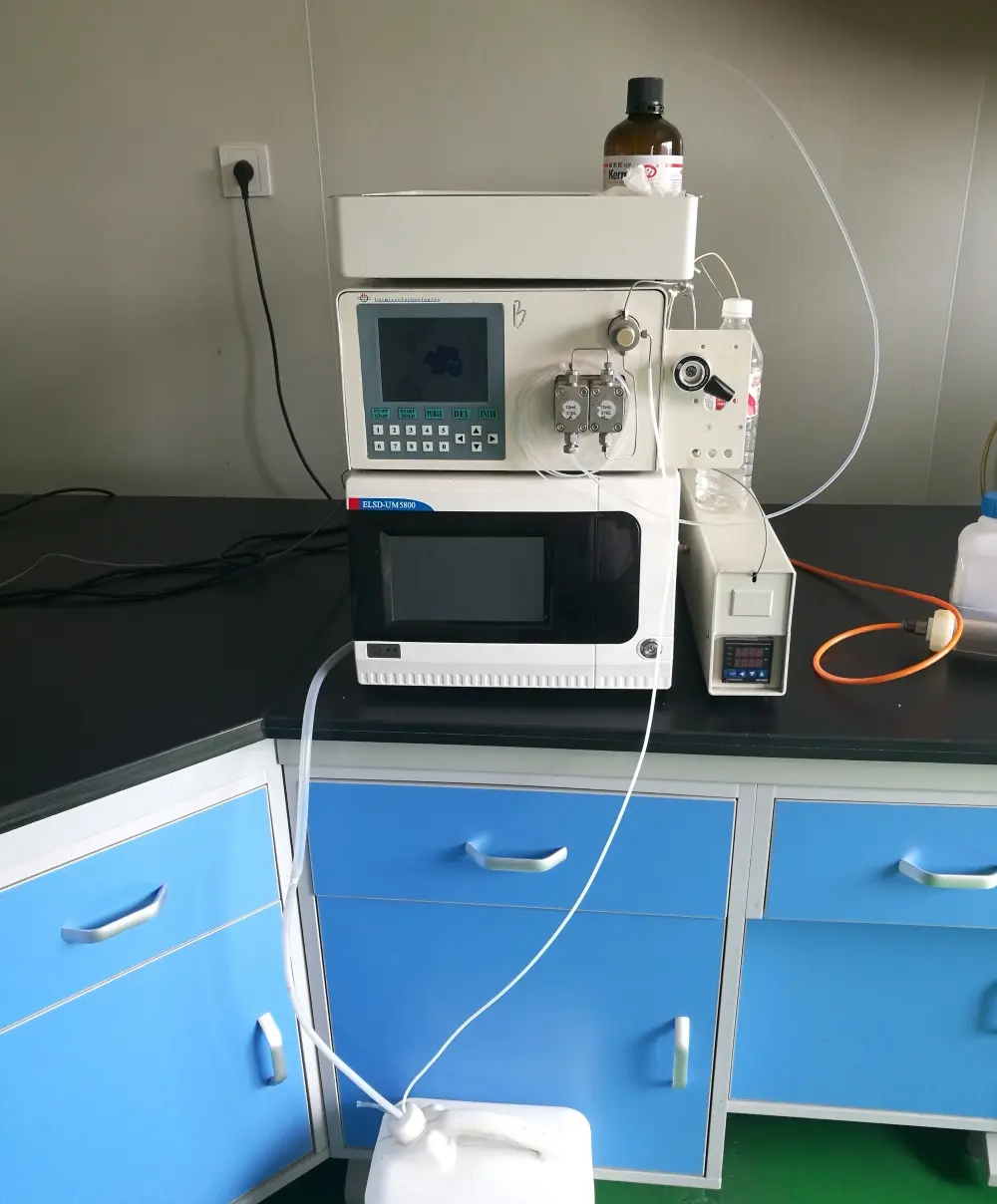
Our core strength lies in our vertically integrated process, which gives us complete control from seed to extract. We partner with a network of certified organic and sustainably managed farms to ensure the integrity of every raw material. Our state-of-the-art extraction facilities employ advanced technologies, including supercritical solvent and water-based methods, to preserve the full spectrum of bioactive compounds without compromising on environmental responsibility.
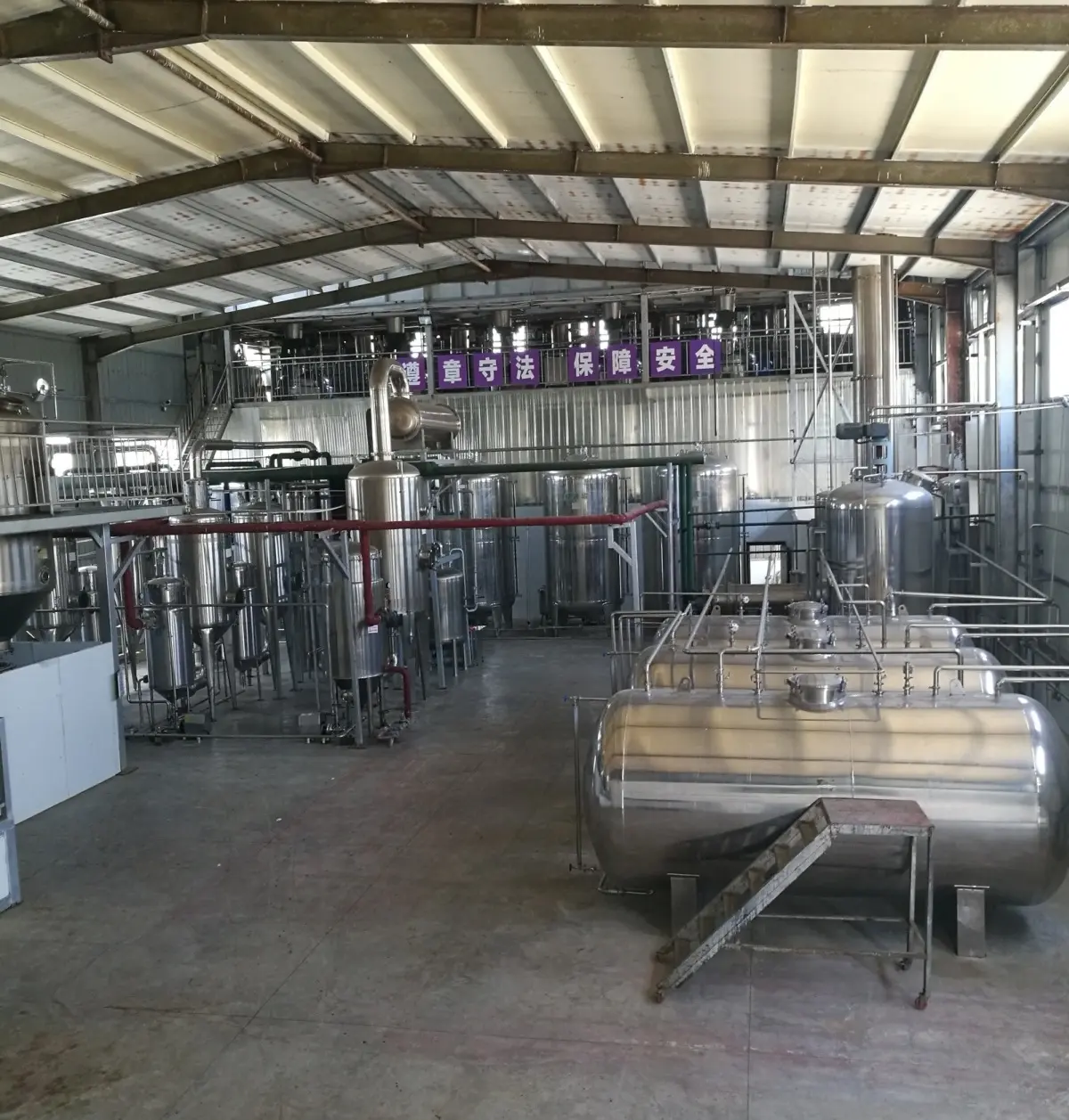
Providing standardized botanical solutions backed by scientific rigor.
A heritage of healing, plant wisdom, and modern science.
Andy was born in a small village close to Hanjiang River in Hanzhong Shaanxi province, China. Thirty years ago, when she was still a little child, she caught a cold, but the medical services were not available unless the family crossed over high mountains to find a hospital. Thus, Andy's grandfather first used Echinacea leaves soaked in water for her treatment, then he dug Echinacea root and shredded into pulp and squeezed the liquid for Andy to drink one spoon every two hours. Andy recovered after this treatment.
As a child, Andy watched his grandfather harness the healing power of plants in his humble garden. His ancient herbal remedies were not just treatments; they were magic. That early wonder blossomed into a profound passion for plant extracts and a deep respect for nature’s wisdom. From that time on, little Andy swore that he would help to spread all herbs all over the world to give benefit to more people.
This personal journey is the heart of Andy Biotech. It’s why Andy Biotech are dedicated to researching and delivering the purest, most effective botanical solutions for modern wellness. Andy’s lifelong vow is to honor that tradition by innovating for a healthier future, empowering lives through the timeless power of plants.
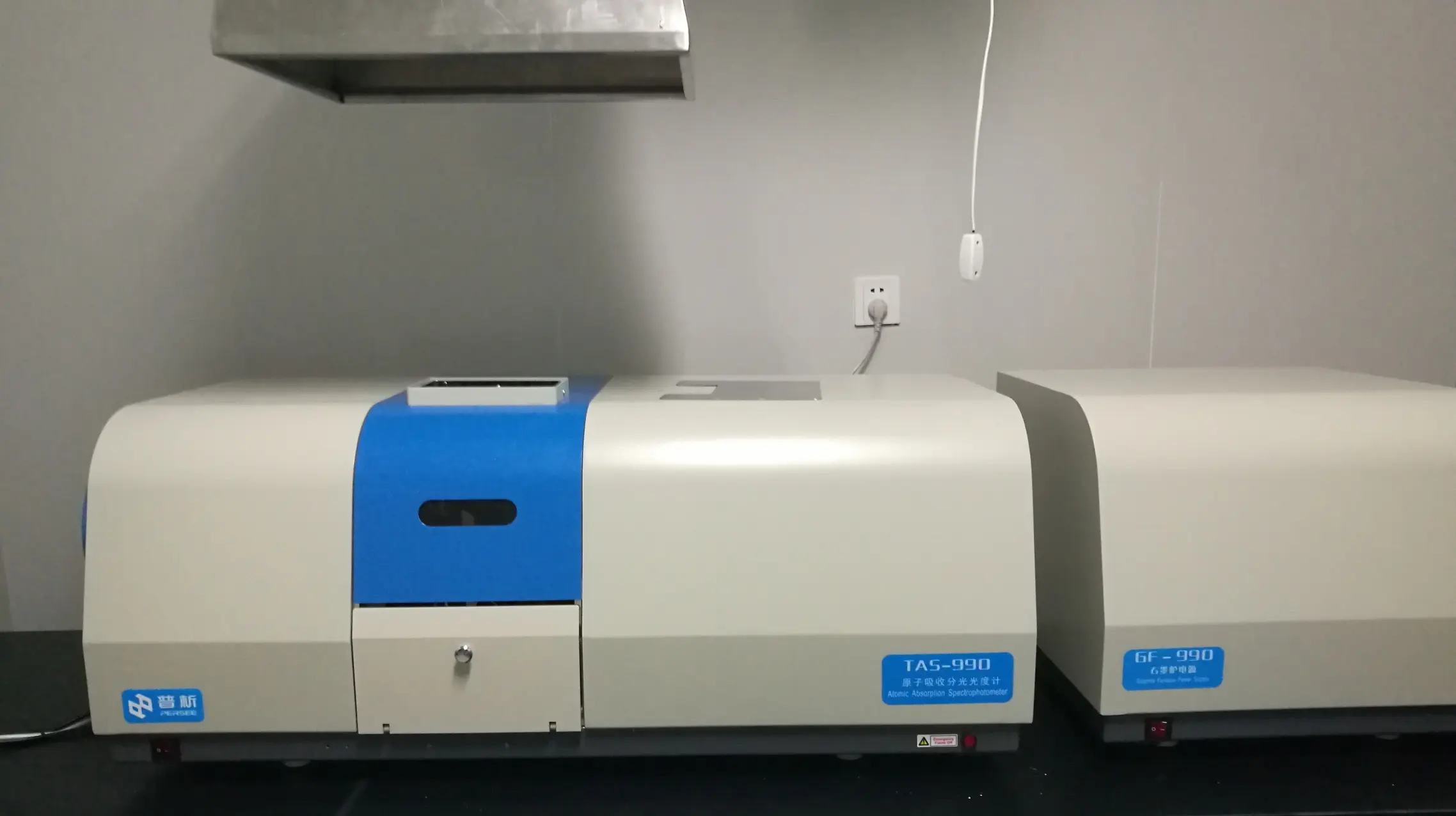
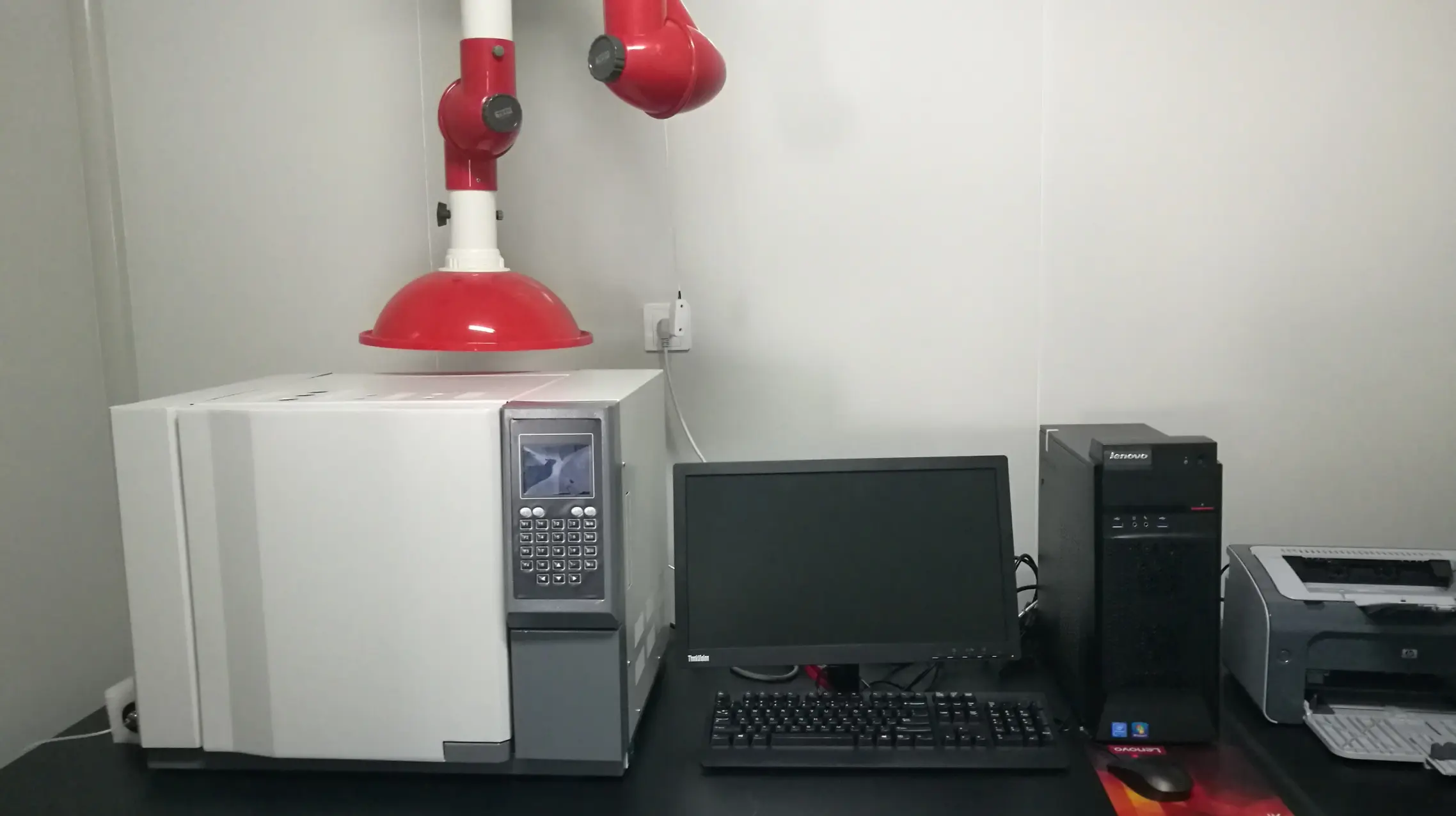
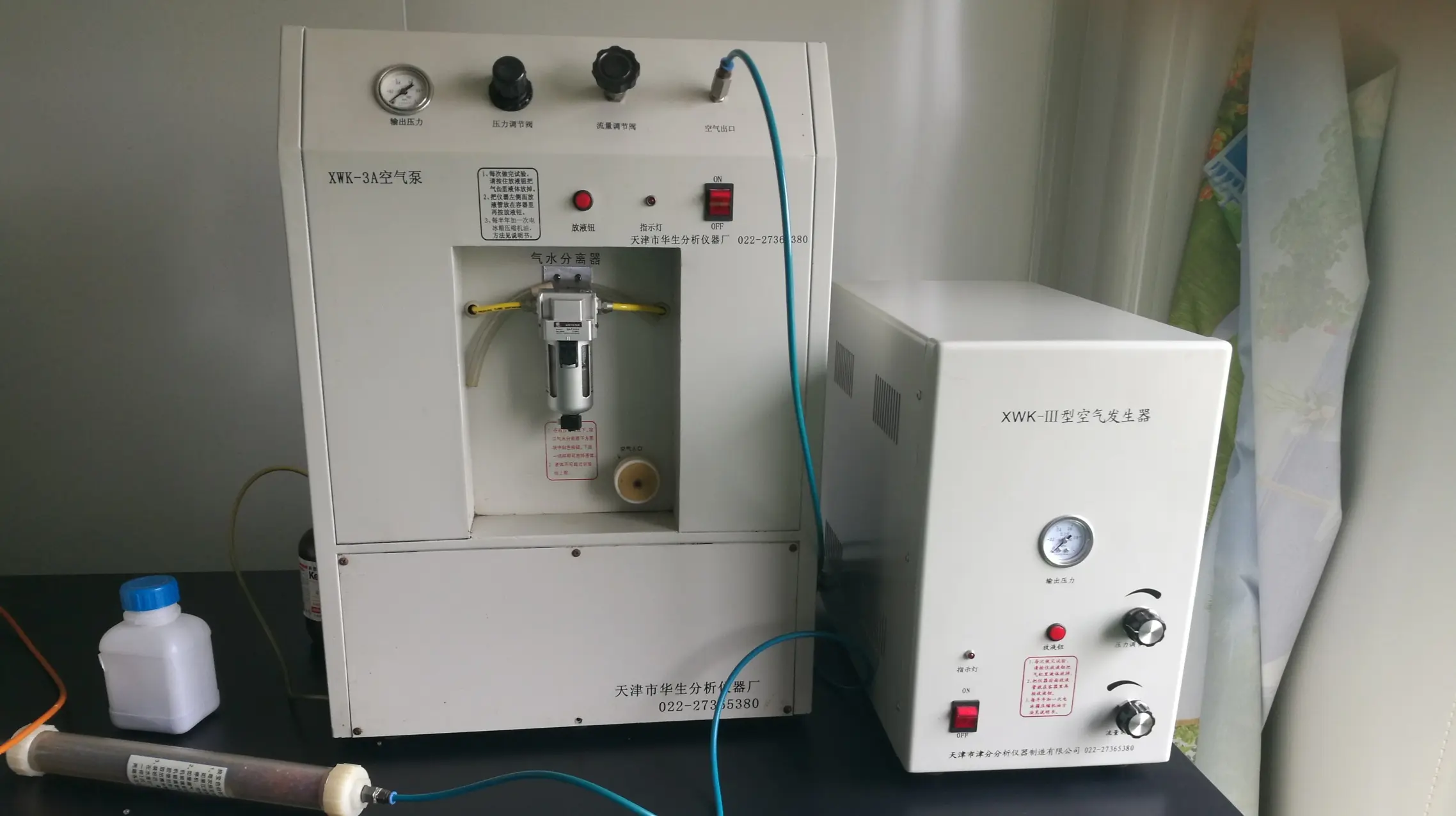
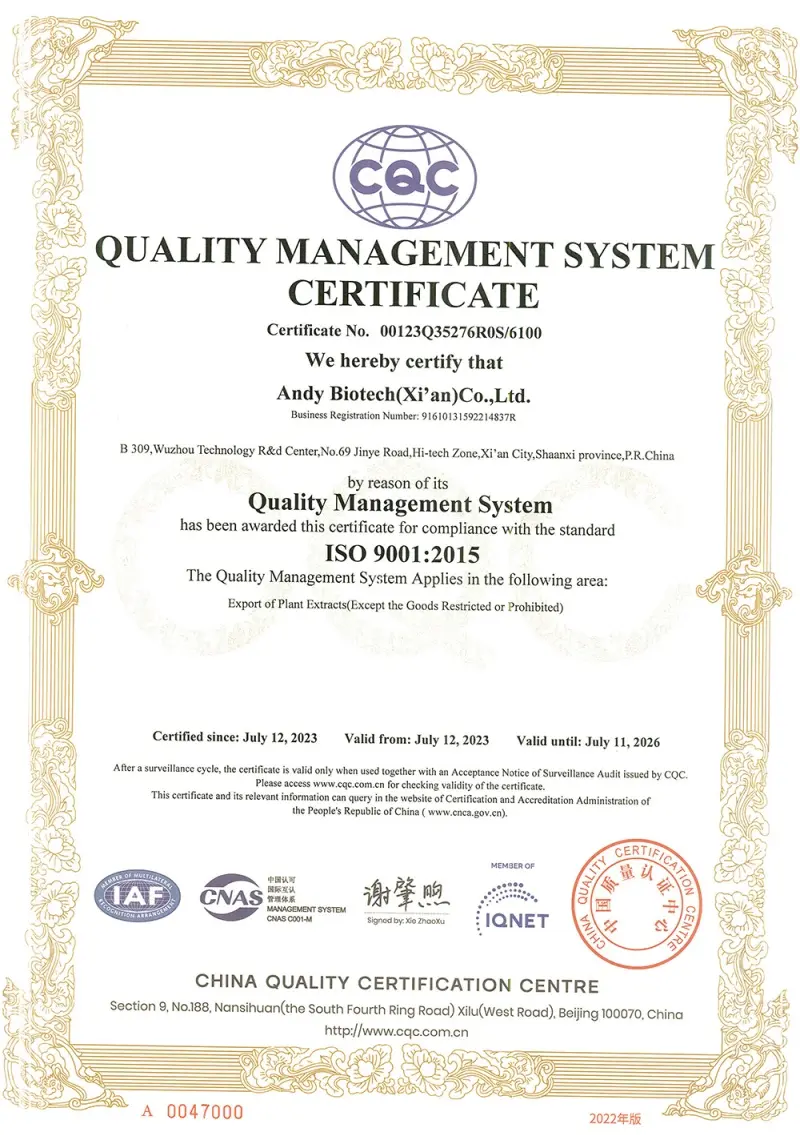
Validated processing environments and global distribution certifications.
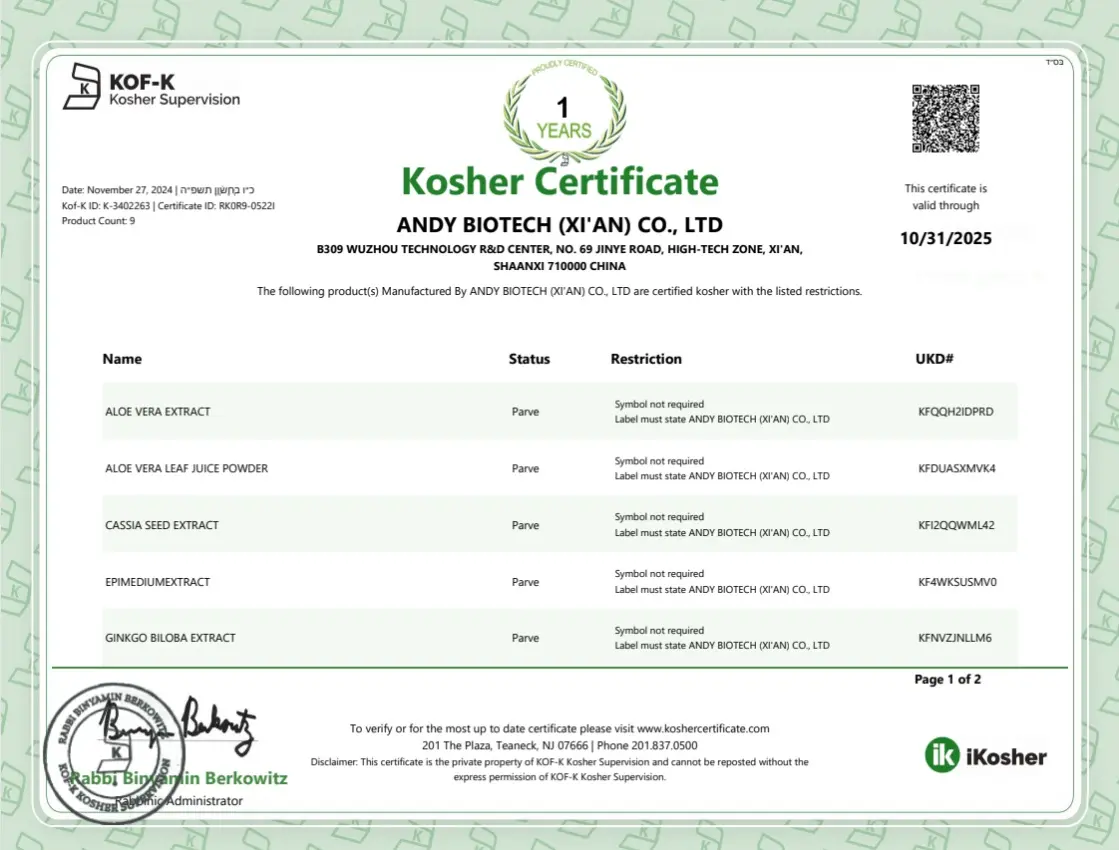
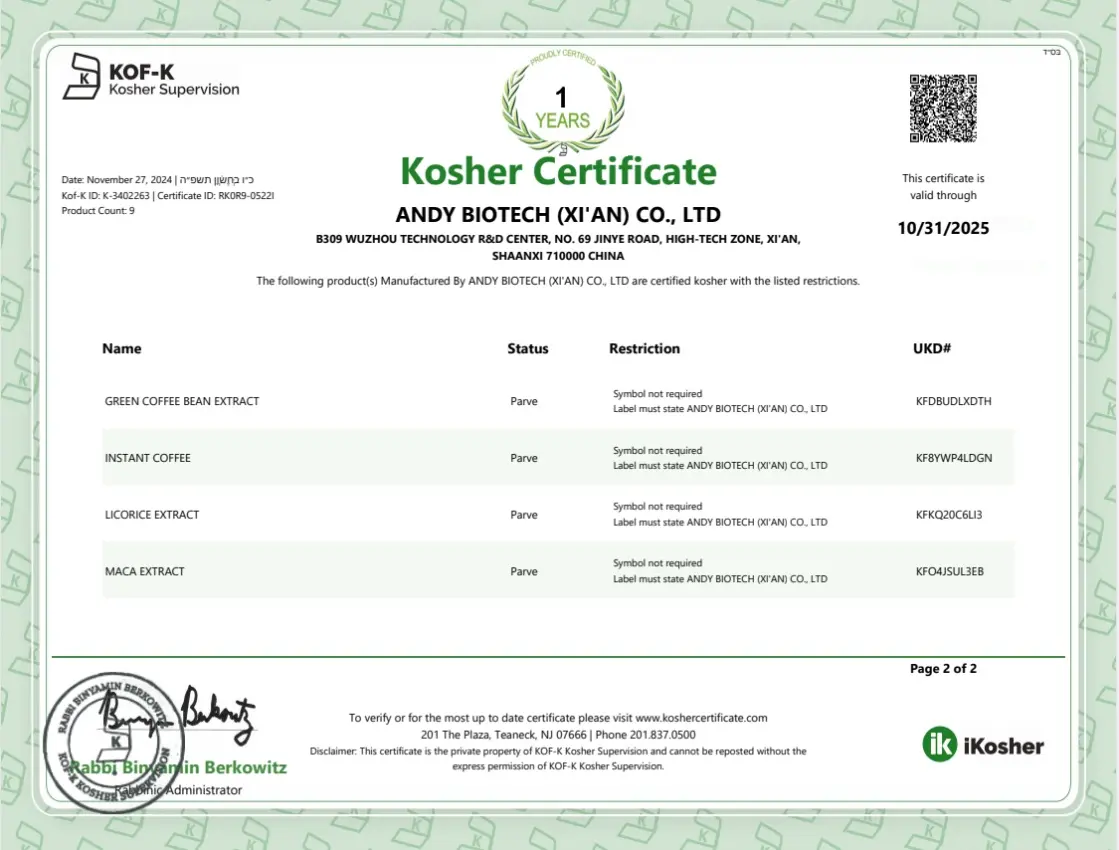
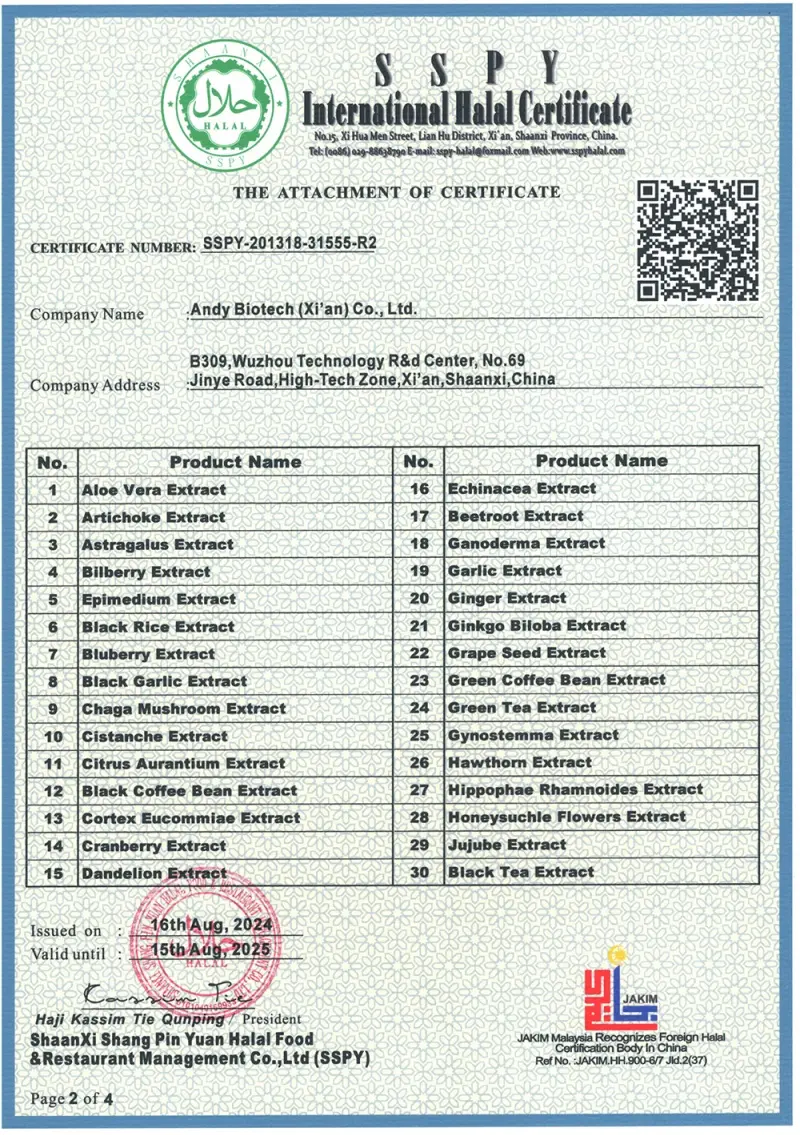
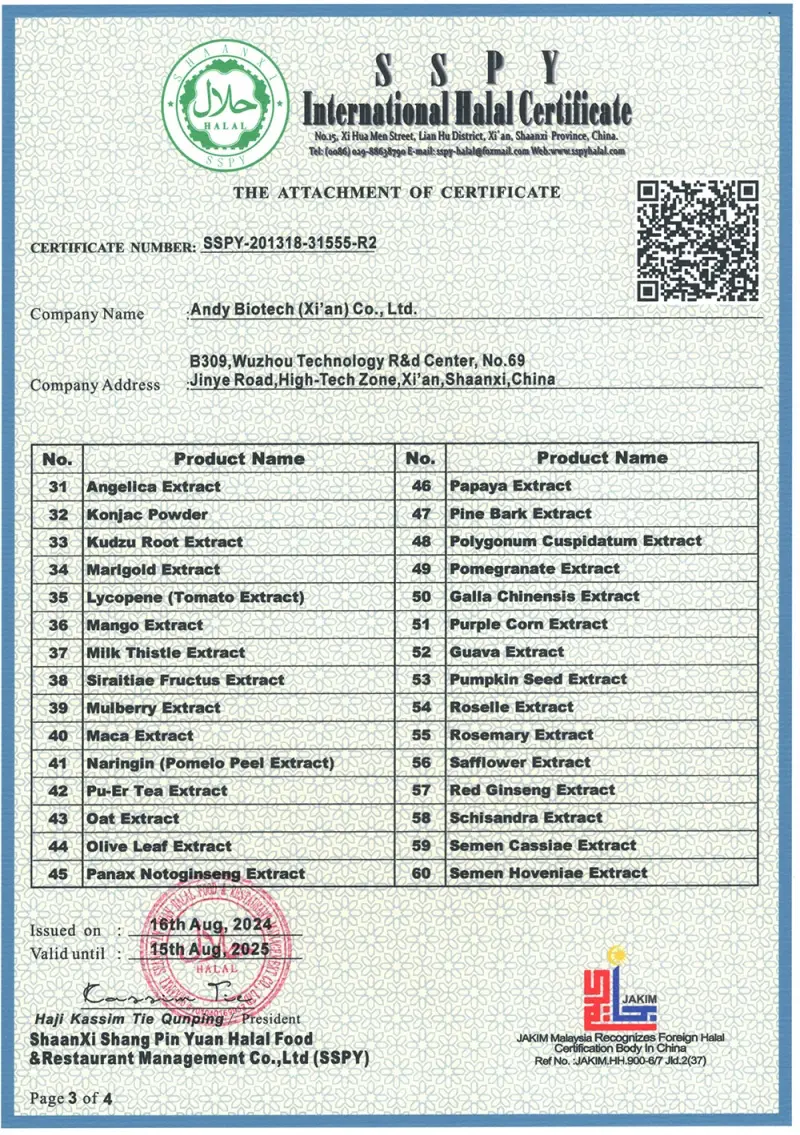
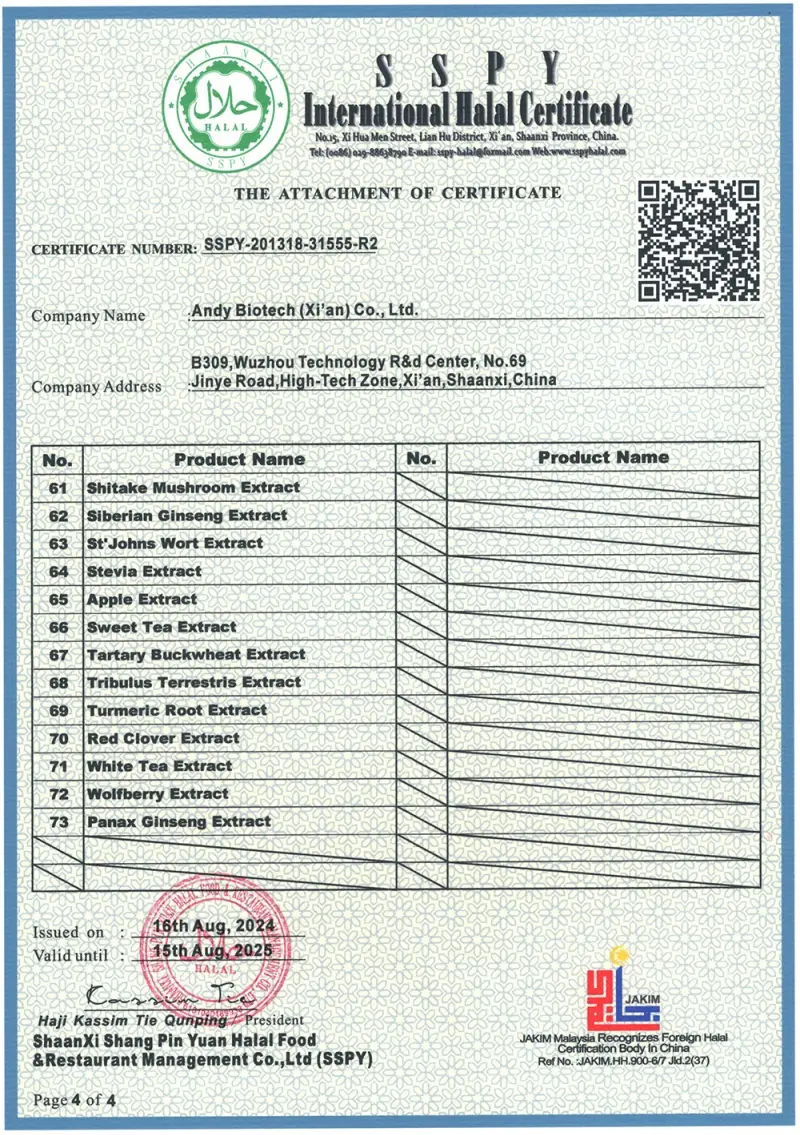
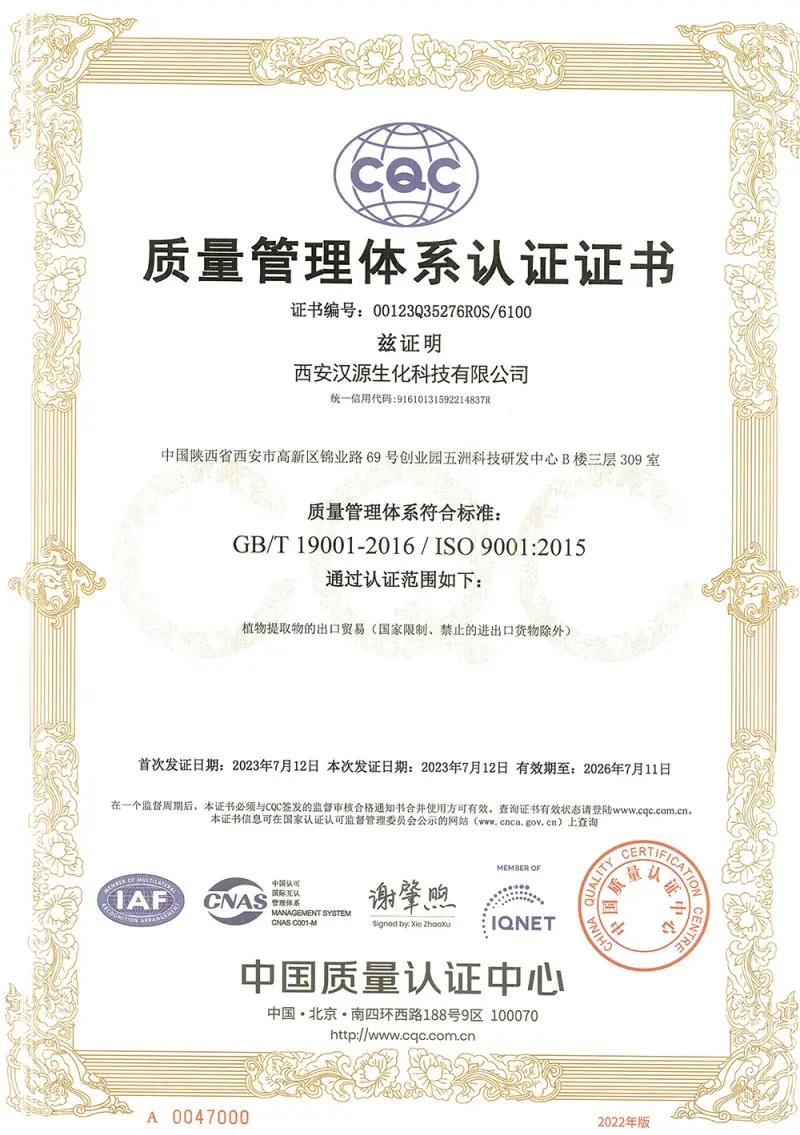
Detailed technical answers for chemical engineers, quality assurance directors, and sourcing managers.
Explore our highly standardized botanical extracts from certified biological processing lines.
 Andy Biotech