 Andy Biotech
1 / 1
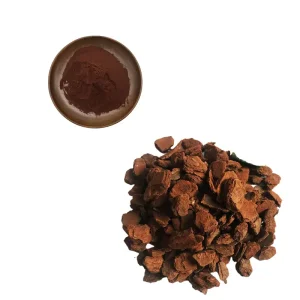
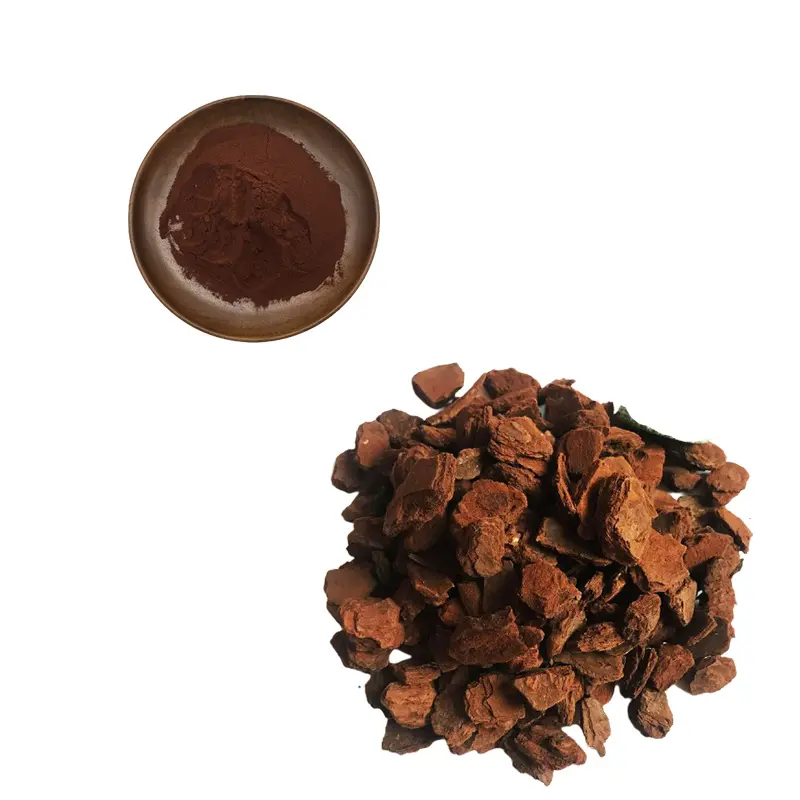
Pine Bark Extract is primarily derived from the bark of the French maritime pine (Pinus pinaster) or North American white pine, with its core active components being proanthocyanidins (OPCs), along with phenolic acids, catechins, and other bioflavonoids.
This extract is prepared through standardized aqueous extraction processes, typically stabilizing proanthocyanidin content between 65%–85%, resulting in a distinctive reddish-brown powder form.
Recognized internationally as a representative plant-based antioxidant due to its high antioxidant activity and bioavailability, Pine Bark Extract has been used in dietary supplements and functional foods for over half a century. Its mechanism of action is similar to that of grape seed extract but exhibits a unique activity profile.
The core efficacy of Pine Bark Extract lies in its exceptional vascular protection and anti-inflammatory effects. Proanthocyanidins effectively enhance vascular elasticity, reduce capillary permeability, and improve microcirculatory function.
They alleviate joint inflammation and edema by inhibiting inflammatory mediators (such as the NF-κB pathway). Clinical studies confirm its ability to relieve symptoms of chronic venous insufficiency, attention deficits, and mild hypertension.
Its antioxidant strength far exceeds that of vitamins C and E, and it synergistically promotes collagen regeneration, delaying skin photoaging. Recent research also suggests potential benefits for metabolic syndrome and diabetic retinopathy.
Pine Bark Extract is widely applied across multiple industries:
In recent years, its nano-encapsulated formulations have expanded into brain health products and medical foods.
| Pine Bark Extract Technical Data Sheet | |
| Sense Index | |
| Appearance | Reddish-brown powder |
| Odor & Taste | Characteristic |
| Physical-chemical Index | |
| Proanthocyanidins (UV) | 95% Min |
| Particle Size | 98% pass 80 mesh |
| Loss on drying | 5% Max |
| Ash | 5% Max |
| Heavy metals | 10ppm Max |
| Lead | 2ppm Max |
| Arsenic | 2ppm Max |
| Mercury | 0.1ppm Max |
| Cadmium | 1ppm Max |
| Hygienic Index | |
| Total plate count | 1,000cfu/g Max |
| Mold & yeast | 100cfu/g Max |
| Enterobacteriae | 10cfu/g Max |
| E.Coli | Absent in 10g |
| Salmonella | Absent in 25g |
| Statements: Non-Irradiated, Non-GMO | |
| Packaging: 1kg/aluminium foil bag, 25kg/drum (37×37×50cm). | |
| Shelf Life: 24 months stored in original packaging away from the light, and under the optimal temperature 10~25℃. | |