Best Natural Sweeteners Rubusoside Powder for Functional Beverages - China Suppliers & Factory Supplier, Exporter

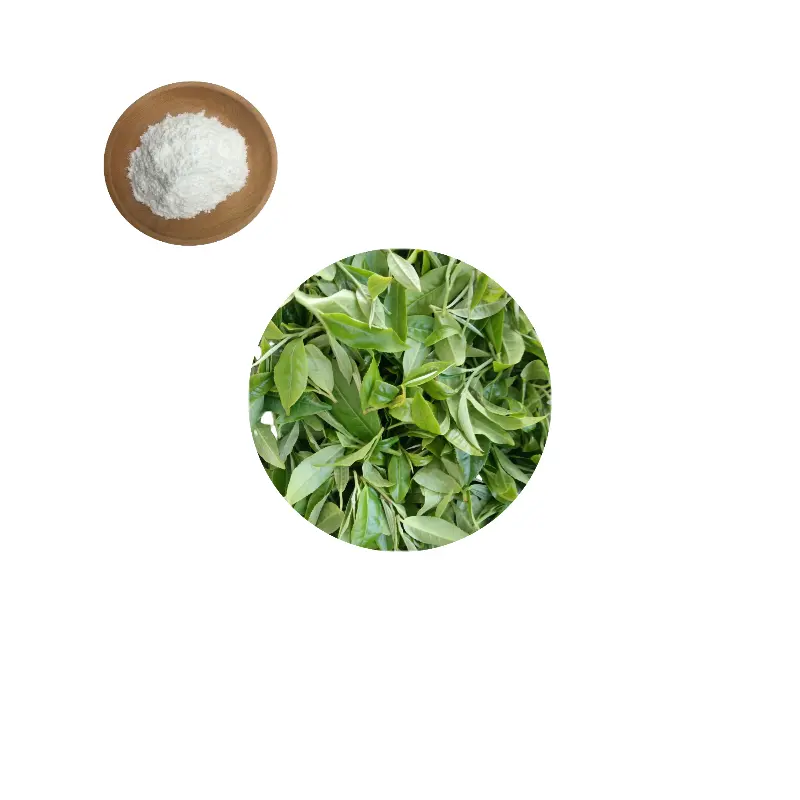
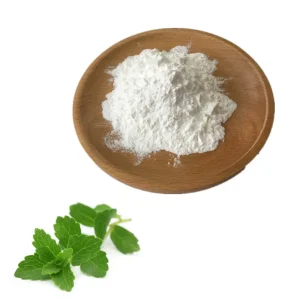
Sweet tea extract, sourced from China's premium suppliers, is a natural and effective sweetener primarily composed of Rubusoside. This remarkable product delivers a refreshing sweetness akin to sucrose while offering health benefits such as lowering blood lipids and blood sugar levels. As a leading factory in the production of sweet tea extract, we ensure high-quality standards, making our extract an ideal substitute for traditional sweeteners. Choose our sweet tea extract for a healthier alternative that enhances flavor without compromising wellness

Product Description

Introduction to Sweet Tea Extract
Natural & High-Intensity Sweetener

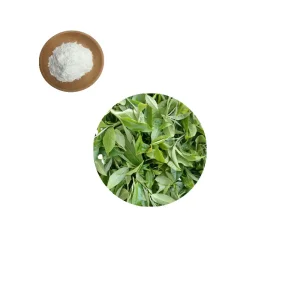
Sweet Tea Extract is a natural active ingredient derived from the leaves of Rubus suavissimus S. Lee, a plant in the Rosaceae family, primarily prepared through water or alcohol extraction. Its core sweetening and bioactive compound is rubusoside, which is approximately 200 times sweeter than sucrose with minimal calories.

The extract is also rich in flavonoids, polyphenols, and triterpenoids. Sweet tea has been traditionally consumed as a tea substitute in regions like Guangxi, China, for centuries. Modern extraction techniques standardize it into a high-intensity, low-calorie natural sweetener and functional component, combining a refreshing sweetness with herbal bioactivity, making it a classic example of a medicinal and edible plant.

  • ~200× sweeter than sucrose, virtually calorie-free
  • Rich in flavonoids, polyphenols & triterpenoids
  • Centuries of traditional use in Guangxi, China
  • Medicinal and edible dual-use plant
Sweet Tea Extract
Efficacy of Sweet Tea Extract
Multifunctional Health Benefits

The core efficacy of Sweet Tea Extract lies in providing natural sweetness and metabolic regulation. Its primary component, rubusoside, is not metabolized by the human body and does not affect blood sugar levels, making it suitable for diabetics and those managing sugar intake.

Its antioxidant and anti-inflammatory properties help reduce oxidative stress and chronic inflammation. Studies indicate it can inhibit α-glucosidase activity, delay carbohydrate absorption, and assist in regulating postprandial blood sugar. Traditionally, it is believed to promote fluid production, quench thirst, and clear lung heat.

  • Does not affect blood sugar — suitable for diabetics
  • Antioxidant & anti-inflammatory activity
  • Inhibits α-glucosidase to regulate postprandial glucose
  • Anti-allergy, liver protection & mild blood pressure reduction
  • Promotes fluid production & clears lung heat (traditional use)
Sweet Tea Extract Efficacy
Application Fields of Sweet Tea Extract
Wide-Ranging Industry Applications

Sweet Tea Extract is primarily used as a natural high-intensity sweetener in sugar-free foods and beverages, such as tea drinks, yogurt, baked goods, and health beverages. It serves as a sucrose substitute in weight management and diabetes-specific foods.

In the health product sector, it is used to develop capsules or solid beverages for blood sugar regulation and antioxidant support. The daily chemical industry incorporates it into toothpaste and mouthwash to provide sweetness and inhibit oral bacteria. It is also used in traditional herbal tea bags, condiments, and pet food. In recent years, its blending technologies with other natural sweeteners and innovative applications in medical foods have garnered increasing attention.

  • Sugar-free beverages, yogurt & baked goods
  • Weight management & diabetic-specific foods
  • Health capsules & functional solid beverages
  • Toothpaste, mouthwash & oral care products
  • Herbal tea bags, condiments & pet food
  • Medical food formulations & sweetener blends
Sweet Tea Extract Applications
Product Specification
Sweet Tea Extract — Technical Data Sheet
Specification and Standard
Odour Characteristic
Taste Sweet
Identification Positive
Particle Size 95% through 80 mesh
Loss on Dry ≤5%
Total Ash ≤5%
Heavy Metal ≤10 ppm
Arsenic ≤2.0 ppm
Mercury ≤0.5 ppm
Cadmium ≤0.5 ppm
Lead ≤2.0 ppm
Microbiological Specifications
Total Plate Count ≤1000 cfu/g
Yeast & Mold ≤100 cfu/g
Staphylococcus Negative
Salmonella Negative
E-Coli Negative
Frequently Asked Questions
Q What is Sweet Tea Extract and where does it come from?
Sweet Tea Extract is a natural ingredient derived from the leaves of Rubus suavissimus S. Lee, a plant in the Rosaceae family native to regions like Guangxi, China. It is prepared through water or alcohol extraction and has been used as a traditional tea substitute for centuries.
Q How sweet is Sweet Tea Extract compared to sugar?
The key active compound in Sweet Tea Extract, rubusoside, is approximately 200 times sweeter than sucrose. This makes it a highly efficient, high-intensity natural sweetener that can be used in very small quantities to achieve the desired sweetness level.
Q Is Sweet Tea Extract safe for people with diabetes?
Yes. Rubusoside, the primary component of Sweet Tea Extract, is not metabolized by the human body and does not raise blood sugar levels. It can also inhibit α-glucosidase activity to help delay carbohydrate absorption and regulate postprandial blood glucose, making it suitable for diabetics and those on low-sugar diets.
Q What industries use Sweet Tea Extract?
Sweet Tea Extract has broad applications across multiple industries including food & beverage (sugar-free drinks, yogurt, baked goods), health supplements (blood sugar regulation capsules), daily chemical products (toothpaste, mouthwash), traditional herbal teas, condiments, pet food, and emerging medical food formulations.
Q What are the key health benefits of Sweet Tea Extract?
Beyond its sweetening properties, Sweet Tea Extract offers antioxidant and anti-inflammatory benefits, potential anti-allergy effects, liver protection, and mild blood pressure reduction. Traditionally, it is used to promote fluid production, quench thirst, and clear lung heat. It is considered a multifunctional natural ingredient combining sweetness with health bioactivity.
Q What quality and safety standards does Sweet Tea Extract meet?
Our Sweet Tea Extract meets rigorous quality standards, including heavy metal limits (lead ≤2.0 ppm, arsenic ≤2.0 ppm, mercury ≤0.5 ppm, cadmium ≤0.5 ppm), microbiological safety (total plate count ≤1000 cfu/g, yeast & mold ≤100 cfu/g), and is tested negative for Salmonella, E-Coli, and Staphylococcus. Loss on drying is ≤5% and total ash ≤5%.

Related Products