 Andy Biotech
1 / 3
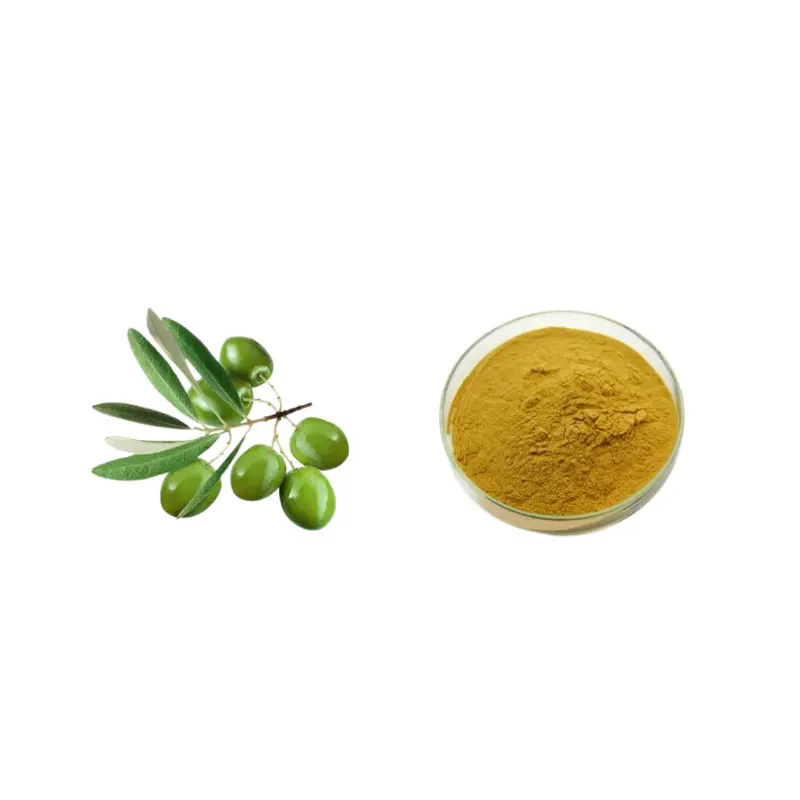
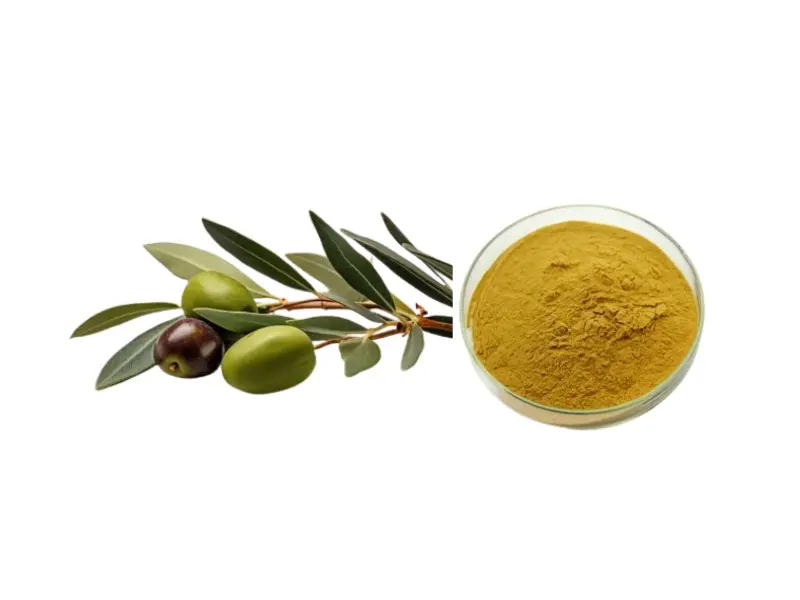
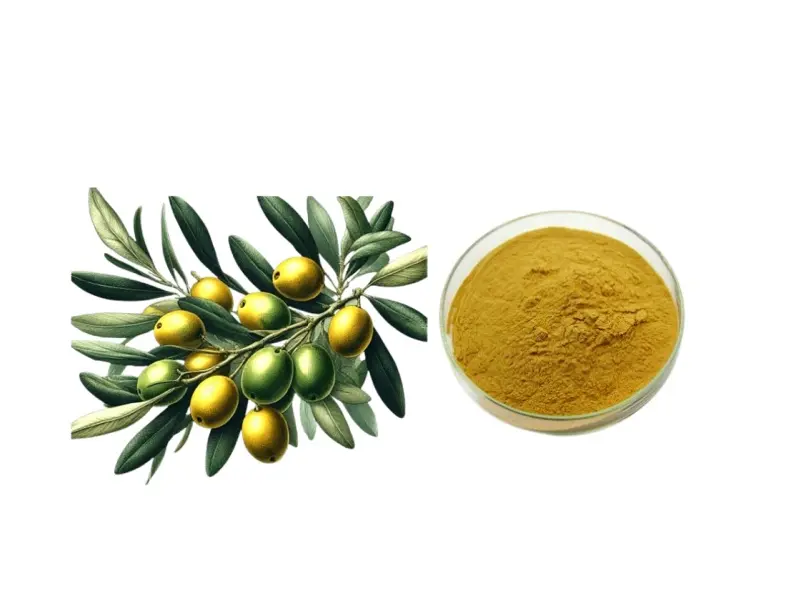
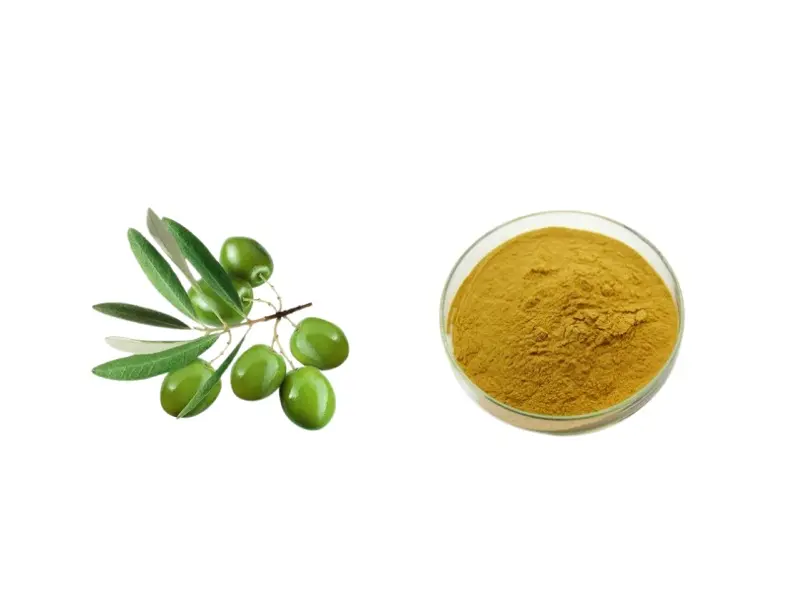
Natural Olive Leaf Extract sourced from olive leaves. The key ingredient in olive leaf extract (OLE) is oleuropein, along with other flavonoids and polyphenolic compounds.
Olive Leaf Extract delivers superior antioxidant, antibacterial and anti-inflammatory effects with stable batch quality and good solubility. Non-GMO and additive-free, ideal raw material for immune and cardiovascular health supplements.
Olive leaf extract possesses multiple pharmacological effects, primarily attributed to active constituents like oleuropein and hydroxytyrosol.
The polyphenolic compounds in olive leaf extract, such as oleuropein, have a strong ability to scavenge free radicals and can increase the activity of superoxide dismutase. Its antioxidant activity has been found to be even stronger than the commonly used antioxidant Trolox in some studies.
Oleuropein and hydroxytyrosol exhibit broad-spectrum antibacterial and antiviral activity. Studies show they are effective against various standard strains and clinically isolated strains (such as Haemophilus influenzae and Staphylococcus aureus). Their antiviral mechanisms include inactivating viruses and preventing viral replication, also showing effects against viruses like HIV-1 and HBV.
Olive leaf extract has protective effects on the cardiovascular system. Oleuropein can help lower blood pressure, reduce atherosclerosis, and possesses antiarrhythmic and vasodilatory effects. Some clinical studies have shown that olive leaf extract can be as effective as certain blood pressure medications (like captopril) in reducing hypertension.
Olive leaf extract has significant efficacy in lowering blood sugar and can improve the body's sensitivity to insulin. Its ester extracts can also reduce serum total cholesterol, triglyceride, and low-density lipoprotein cholesterol levels in diabetic model mice.
Components like oleuropein have antitumor activity, capable of inhibiting the proliferation and migration of tumor cell lines in a dose-responsive manner and inducing tumor regression.
Olive leaf extract has anti-inflammatory and analgesic effects. Furthermore, research indicates neuroprotective properties, potentially helping in the prevention and treatment of brain disorders like Parkinson's and Alzheimer's disease.
Olive leaf extract also has roles in enhancing immunity, protecting skin cells from UV damage, and potentially aiding in weight control, possibly by influencing thermogenesis to assist weight loss.
Due to its various biological activities and natural properties, olive leaf extract is widely used in several fields.
Olive leaf extract is used to produce new drugs for treating diseases caused by viruses, bacteria, protozoa, and parasites, among others, and also for treating colds. Its cardiovascular protective and hypoglycemic properties make it useful in assisting the treatment of hypertension, diabetes, and related complications. Its anti-inflammatory and neuroprotective potential also make it a subject of interest in relevant drug research and development.
In countries like the US and in Europe, olive leaf extract is primarily used as a dietary supplement for regulating immunity, antioxidation, and promoting overall health. Common forms include capsules, tablets, and liquid extracts.
Olive leaf extract, especially versions with high oleuropein content, is often used in skincare products. It can protect skin cells from ultraviolet damage, promote fibroblast collagen production, and reduce collagenase secretion, thereby helping to maintain skin softness and elasticity, providing skincare, moisturizing, and anti-aging benefits.
Olive leaf extract can serve as a natural antioxidant in foods to extend shelf life. For example, research has explored its use in enhancing the oxidative stability of camellia seed oil.
Regarding the use of olive leaf extract, health experts recommend a preventive dose of one to two capsules per day, totaling 500mg. For treating illnesses, the dosage varies with the severity of the condition but should generally range from four to twelve capsules per day, or two to six grams of total extract. Some studies have used a dose of 500 mg of olive leaf extract taken twice daily to help lower blood pressure.
Regarding safety, research indicates that oleuropein in olive leaf extract is very safe. In experiments where albino mice were given a very high dose of 1g/kg for seven consecutive days, no fatalities occurred, and the high dose did not cause any toxicological effects.
| Olive Leaf Extract — Technical Data Sheet | |
|---|---|
| Sense Index | |
| Appearance | Light Yellow powder |
| Odor & Taste | Characteristic |
| Physical-chemical Index | |
| Oleuropein (HPLC) | 10%–70% Oleuropein |
| Particle Size | 98% pass 80 mesh |
| Loss on drying | 5% Max |
| Ash | 5% Max |
| Heavy metals | 10ppm Max |
| Lead | 2ppm Max |
| Arsenic | 2ppm Max |
| Mercury | 0.1ppm Max |
| Cadmium | 1ppm Max |
| Hygienic Index | |
| Total plate count | 1,000 cfu/g Max |
| Mold & Yeast | 100 cfu/g Max |
| Enterobacteriae | 10 cfu/g Max |
| E. Coli | Absent in 10g |
| Salmonella | Absent in 25g |
| Statements: Non-Irradiated, Non-GMO | |
| Packaging: 1kg/aluminium foil bag, 25kg/drum (37×37×50cm) | |
| Shelf Life: 24 months stored in original packaging away from light, under optimal temperature 10~25℃ | |