 Andy Biotech
1 / 2
Naringin delivers remarkable bioactivities including antioxidant, anti-inflammatory, lipid regulation and antibacterial effects.
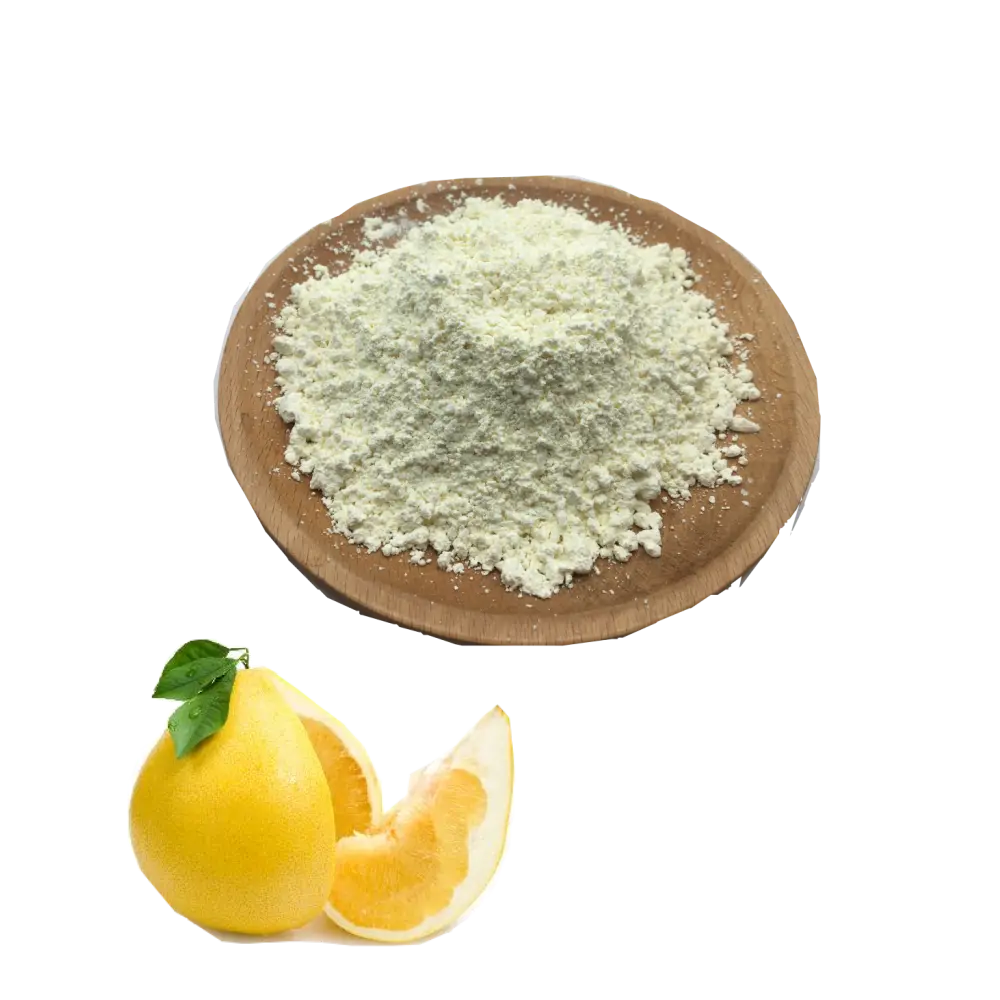
Naringin appears as pale yellow crystalline powder, with high purity up to 98% by HPLC and stable chemical properties.
Naringin contains no artificial additives, preservatives or harmful impurities.
Naringin is widely used in dietary supplements, functional food, beverage additives, cosmetic raw materials and pharmaceutical intermediates.
Purity: 95%, 98% (HPLC)
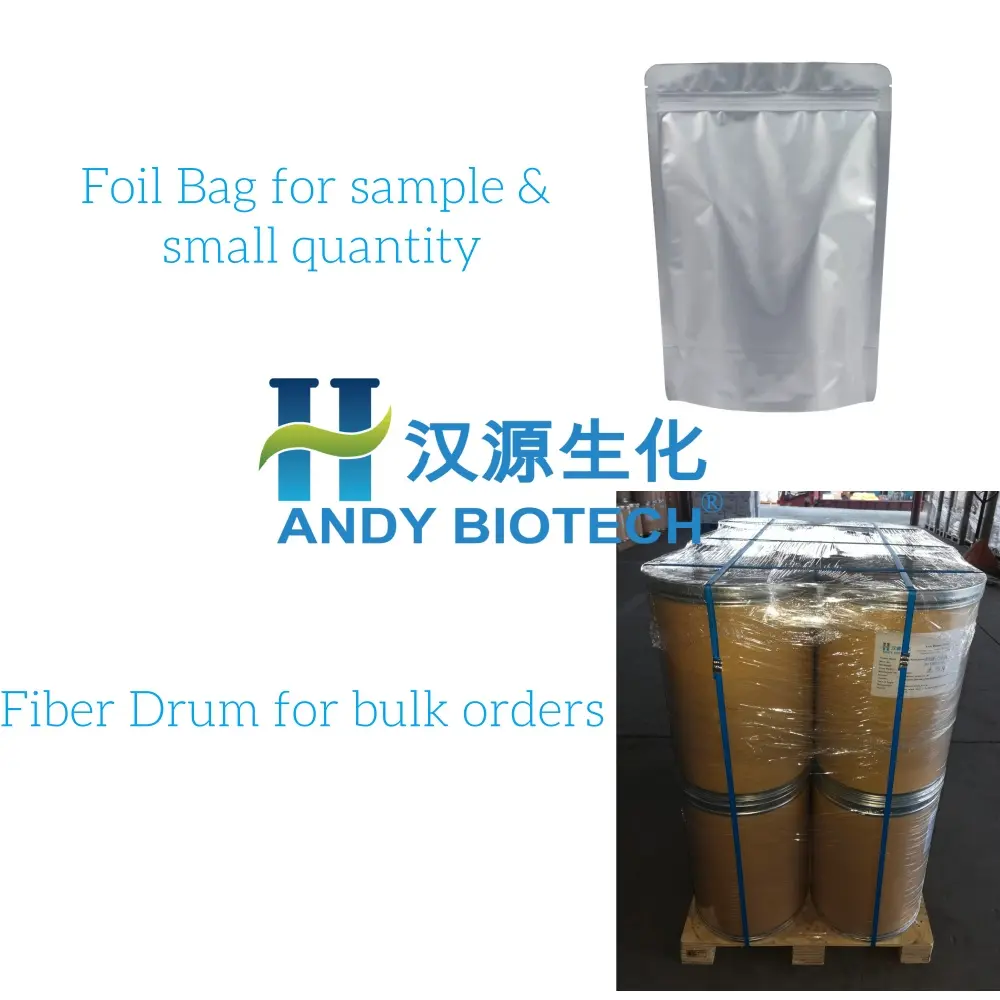
Packing: 1kg per foil bag, 20kg/25kg per fiber drum for bulk powder.
The main substance for the aftertaste of grapefruit and orange juice is naringin — a natural bitter taste agent.
Low concentrations of Naringin do not show its own bitterness, but can block the bitter taste receptors of the tongue root, inhibit the aftertaste of alkaloids / saponins / traditional herb extracts and enhance the perception of sweetness while weakening sourness.
Naringin is used to correct the taste of oral liquids, solid beverages and herb extracts.
In the pharmaceutical industry for the production of dietary supplements and medicines.
The process by which the body's white blood cells and the substances they make protect against bacterial and viral illness is known as inflammation. Flavanone-rich plants, such as naringin, hesperidin, and neohesperidin, have long been known to have anti-inflammatory properties.
In animal models of inflammation, naringin has been demonstrated to reduce the production of inflammatory signaling factors like interleukin-8 (IL-8), interleukin-6 (IL-6), inducible nitric oxide synthase (iNOS), TNF-a, and nuclear factor erythroid 2-related factor 2 (Nrf2). Naringin treatment prevented an improvement in serum IL-6 during aging-related inflammation in 20-month-old male Wistar rats.
Naringin, neohesperidin, paeoniflorin, and platycodin-D are all found in "painopowder", a traditional Chinese medicine. The four-ingredient combination had the greatest anti-inflammatory impact in a model of acute inflammation, while naringin was shown to have the most important role among the four substances.
Naringin has been reported to inhibit many malignancies through the regulation of various cellular signaling cascades, including the inhibition of malignant cell growth, the induction of apoptosis and also the arresting of the cell cycle and the regulation of oxidative stress, inflammatory processes, and angiogenesis.
It was discovered that naringin at concentrations of 250–2000 M promoted cell apoptosis in cervical cancer cells (SiHa) in a dose-dependent way. This impact of naringin is thought to have contributed to the suppression of cell growth as well and also increase in apoptosis.
The ability of naringin to regulate glucose, fatty acid and cholesterol metabolism was responsible for its antidiabetic potential towards hyperglycaemic and extremely obese C57BL/KsJ mice.
Naringin reportedly, enhanced the expression of angiopoietin-1 and collagen-1 promoting angiogenesis and inhibited apoptosis in the foot ulcers of diabetic rats.
Likewise, naringin normalized cardiovascular dysfunction including systolic blood pressure and ventricular diastolic dysfunction of male Wistar rats fed on high carbohydrate and fat diet.
The capability of a chemical compound to inhibit liver toxicity is known as hepatoprotection.
Naringin is suggested to enhance the functioning of the hepatic antioxidant system as well as the metabolism of hepatotoxic substances.
Naringin exhibits protection against naturally occurring genotoxins in food, like PhIP (2-Amino-1-methyl-6 phenylimidazo[4,5-b] pyridine) and other cooked food mutagens, by lessening PHIP induced genotoxicity in human liver segments at a concentration of 1000 M.
Naringin (0.05–0.125 g/L) increased ethanol and lipid metabolism in rats, alleviating the adverse effects of ethanol consumption. It also reduced necrosis, steatosis, and fibrosis in rat models of alcoholic liver disease, as demonstrated by reduced expression of PGC1α (Peroxisome proliferator-activated receptor-gamma coactivator) or Sirt1.
| Analysis | Specification |
|---|---|
| Appearance | Milky white powder |
| Odor | Characteristic |
| Tasted | Characteristic |
| Sieve Analysis | NLT 95% pass 80 mesh |
| Moisture | ≤10% |
| Naringin | ≥95% |
| Total Heavy Metal | ≤10ppm |
| Pb | ≤2ppm |
| As | ≤2ppm |
| Cd | ≤1.0ppm |
| Hg | ≤0.1ppm |
| Total Plate Count | ≤10,000cfu/g |
| Yeast & Mold | ≤1,000cfu/g |
| Enterobacteriae | ≤10cfu/g |
| E.coli | Absent in 10g |
| Salmonella | Absent in 25g |