 Andy Biotech
1 / 1
ANALYSIS |
SPECIFICATION |
Appearance |
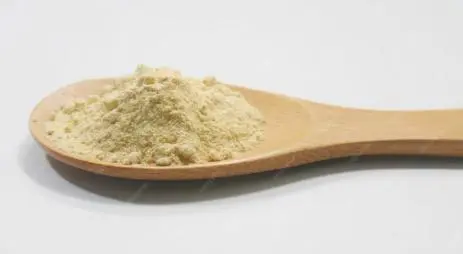
White to off-white powder |
Odor |
Characteristic |
Tasted |
Characteristic |
Sieve Analysis |
NLT 95% pass 80 mesh |
Moisture |
≤5% |
Naringenin |
≥98% |
Total Heavy Metal |
≤10ppm |
Pb |
≤2ppm |
As |
≤2ppm |
Cd |
≤1.0ppm |
Hg |
≤0.1ppm |
Total Plate Count |
≤10,000cfu/g |
Yeast & Mold |
≤1,000cfu/g |
Enterobacteriae |
≤10cfu/g |
E.coli |
Absent in 10g |
Salmonella |
Absent in 25g |
● Particularly in recent years, there has been an increasing interest in the potential use of naringin for the treatment of hyperlipidemia.
● Several studies have reported the hypolipidemic effects of naringin in animal models of hyperlipidemia, indicating its potential as a natural remedy for this condition.
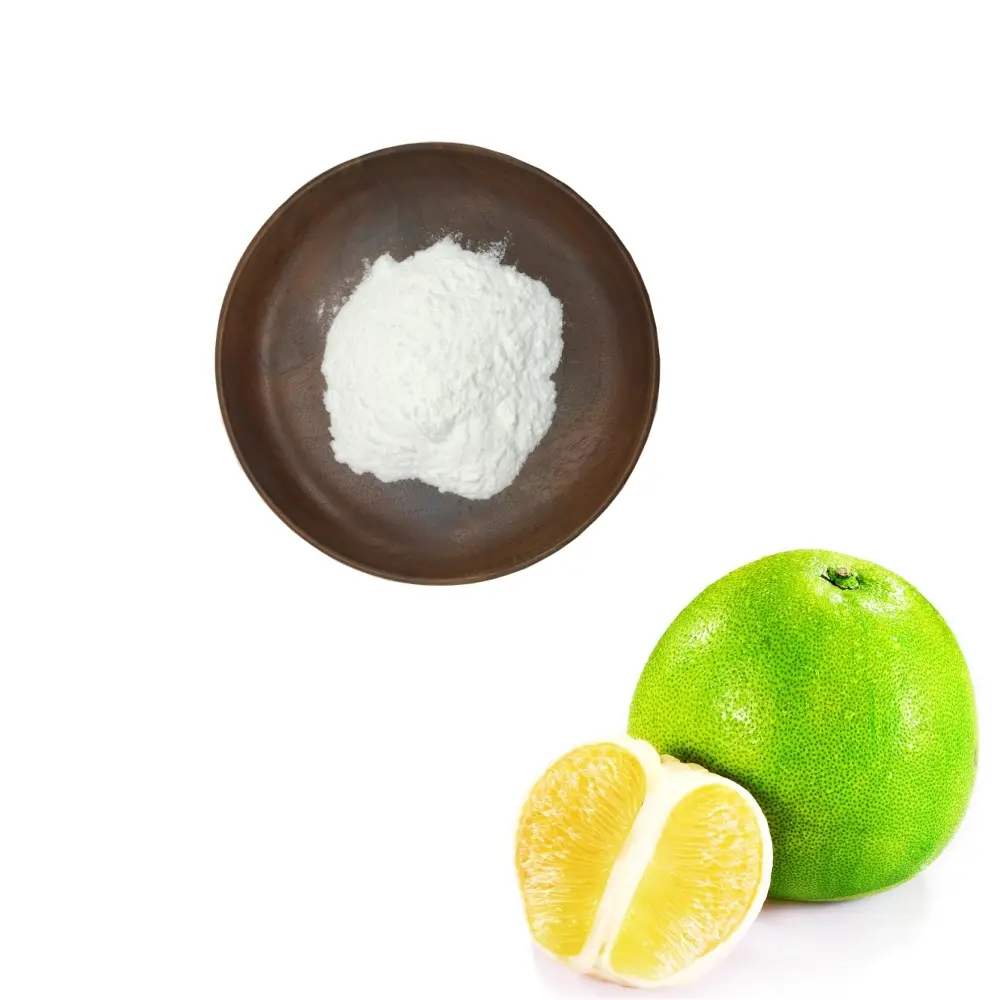
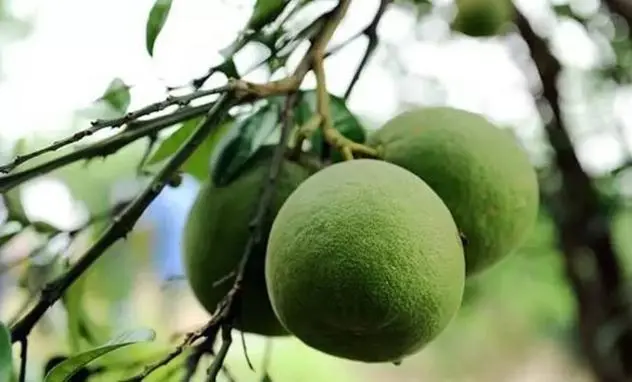
● Preliminary study has shown that the flavonoid content of young pomelo fruit (i.e., naringin) is higher than that of mature pomelo.

In the pharmaceutical industry for the production of dietary supplements and medicines.
Health care product
Personal care and cosmetics: In skincare products, naringin can be found in facial cleansers, eye creams, and face creams. And naringin can also be used in daily products such as toothpaste and shampoo.
Food and beverages: As natural pigment, modifier and bitterness agents, naringin is widely applied in food and beverage production, also used as raw materials.
In Livestock Sector.
The process by which the body's white blood cells and the substances they make protect against bacterial and viral illness is known as inflammation. Flavanone-rich plants, such as naringin, hesperidin, and neohesperidin, have long been known to have anti-inflammatory properties.
In animal models of inflammation, naringin has been demonstrated to reduce the production of inflammatory signaling factors like interleukin-8 (IL-8), interleukin-6 (IL-6), iNOS, TNF-a, and Nrf2. Naringin treatment prevented an improvement in serum IL-6 during aging-related inflammation in 20-month-old male Wistar rats.
Naringin, neohesperidin, paeoniflorin, and platycodin-D are all found in "painopowder", a traditional Chinese medicine. The four-ingredient combination had the greatest anti-inflammatory impact in a model of acute inflammation, while naringin was shown to have the most important role among the four substances.
Naringenin has been reported to inhibit many malignancies through the regulation of various cellular signaling cascades, including the inhibition of malignant cell growth, the induction of apoptosis, the arresting of the cell cycle, and the regulation of oxidative stress, inflammatory processes, and angiogenesis.
It was discovered that naringin at concentrations of 250–2000 M promoted cell apoptosis in cervical cancer cells (SiHa) in a dose-dependent way. This impact of naringin is thought to have contributed to the suppression of cell growth as well as an increase in apoptosis.
The ability of naringin to regulate glucose, fatty acid and cholesterol metabolism was responsible for its antidiabetic potential towards hyperglycaemic and extremely obese C57BL/KsJ mice.
Naringin reportedly enhanced the expression of angiopoietin-1 and collagen-1 promoting angiogenesis and inhibited apoptosis in the foot ulcers of diabetic rats.
Naringenin normalized cardiovascular dysfunction including systolic blood pressure and ventricular diastolic dysfunction of male Wistar rats fed on a high carbohydrate and fat diet.
The capability of a chemical compound to inhibit liver toxicity is known as hepatoprotection. Naringenin is suggested to enhance the functioning of the hepatic antioxidant system as well as the metabolism of hepatotoxic substances.
Naringenin exhibits protection against naturally occurring genotoxins in food, like PhIP (2-Amino-1-methyl-6 phenylimidazo[4,5-b] pyridine) and other cooked food mutagens, by lessening PHIP induced genotoxicity in human liver segments at a concentration of 1000 M.
Naringenin (0.05–0.125 g/L) increased ethanol and lipid metabolism in rats, alleviating the adverse effects of ethanol consumption. It also reduced necrosis, steatosis, and fibrosis in rat models of alcoholic liver disease, as demonstrated by reduced expression of PGC1α or Sirt1.
· Bittering agent and flavor improvement: Naringin is the main source of bitterness in grapefruit juice. In the food industry, enzymatic de-bittering (using naringinase to break it down into non-bitter naringin) can improve the taste of fruit juice; it can also be used as a natural bittering agent in specific foods and beverages, such as certain beers, bitter candies, and aperitifs.
· Functional food ingredients: Due to their antioxidant and anti-inflammatory properties, they are often extracted as functional ingredients and added to health foods, dietary supplements, and nutrient-fortified beverages.
· Cardiovascular protection: Research shows that naringin has the effects of reducing blood fat, cholesterol, anti-atherosclerosis, improving vascular elasticity, and has potential benefits for the prevention and treatment of cardiovascular diseases.
· Antioxidant and anti-inflammatory: Its powerful antioxidant ability can clear free radicals and reduce oxidative stress damage; it can also inhibit the production of inflammatory factors.
· Other pharmacological effects: Studies have also shown certain activities in antibacterial, antiviral, anti-tumor, neuroprotective, and improving insulin resistance and bone health, making it a potential drug lead compound for development.
· Antioxidant and anti-aging: With its excellent antioxidant properties, naringin is added to skincare products to combat free radical damage to the skin, delay skin aging, and reduce wrinkles.
· Whitening and brightening: Studies have shown that it can inhibit the activity of tyrosinase, thereby reducing the production of melanin, which can be used to develop whitening and spot-lightening cosmetics.
· Anti-inflammatory and Soothing: Its anti-inflammatory properties make it suitable for soothing and calming skincare products, helping to improve skin problems such as sensitivity and redness.
· Plant-derived pesticides/biostimulants: Naringin has inhibitory effects on certain pests and pathogens, and can be used as a raw material for developing green and low-toxicity plant-derived pesticides. It can also act as a biostimulant to enhance crop stress resistance (such as cold and drought resistance).
· Animal feed additives: In animal husbandry, adding them to animal feed may enhance animal immunity, antioxidant properties, improve meat quality, and promote growth.
· Chemical raw materials and intermediates: Naringin can be used as a chemical intermediate and precursor for the synthesis of other more valuable flavonoids or drugs. For example, Naringenin obtained through hydrolysis has higher bioavailability and application value.
· Natural dyes/indicators: Due the presence of phenolic hydroxyl groups in their structure, they may undergo color changes when exposed to specific substances, and have the potential to be developed as natural pH indicators or dyes.