Advanced standard botanical solutions curated for precision biological functions and industrial sweetening synergy.
Uncovering the semantic growth of zero-calorie alternatives, botanical sweetening systems, and global regulatory transitions.
The global sweetener market is experiencing a profound transformation. Driven by rising consumer health consciousness, escalating rates of diabetes and obesity, and stringent municipal sugar taxes across Europe, North America, and parts of Asia, industrial food manufacturers are phasing out synthetic high-intensity sweeteners such as aspartame, acesulfame potassium, and cyclamate. In their place, natural sweetener solutions with low glycemic indices are dominating procurement matrices.
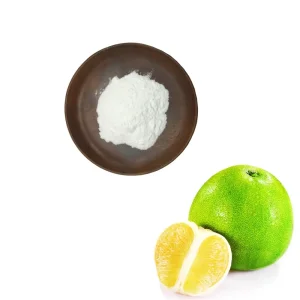
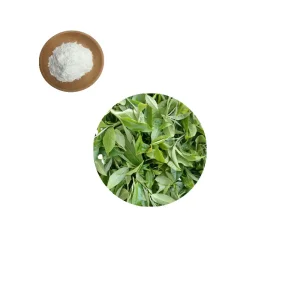
Today, the demand is no longer just about sweetness intensity; it is about functional clean-label profiles. Modern formulation chemistry relies heavily on high-potency sweeteners derived from botanical sources, such as Neohesperidin Dihydrochalcone (NHDC) and Rubusoside (Sweet Tea Extract). These natural sweetening complexes are valued not only for their zero-glycemic impacts but also for their multi-faceted benefits: enhancing taste modification, masking off-notes, and demonstrating thermal stability under various pasteurization conditions.
Consumers demand recognizable, plant-derived ingredients. Natural sweeteners are processed via clean water and alcohol-based extraction methods, ensuring they align with global organic, non-GMO, and natural claims.
With an increase in lifestyle diseases, food brands are switching to alternative sweeteners that do not spike blood sugar levels or provoke insulin response, unlocking markets for keto, diabetic, and health-centric products.
Advanced molecules like NHDC suppress the bitter tastes associated with plant proteins, vitamins, and minerals. They act as synergistic sweetening potentiators when combined with stevia or monk fruit.
Addressing supply chain safety, physical-chemical specifications, and rigorous verification requirements.
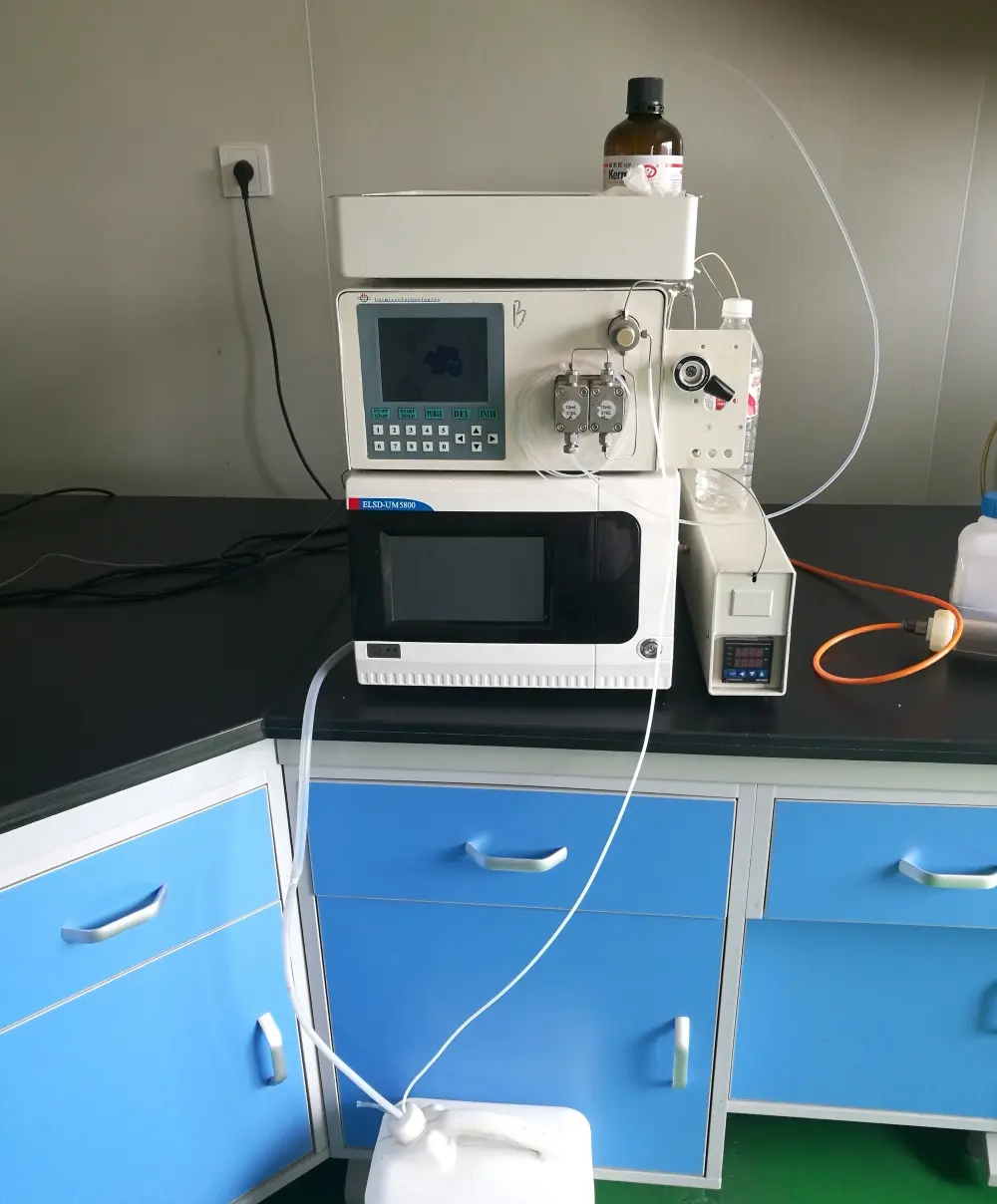
Industrial procurement departments in multinational FMCG companies prioritize three critical vectors: consistent purity, regulatory compliance, and scalable logistics. When sourcing natural sweeteners, they face technical challenges such as batch-to-batch variation, agricultural pesticide residues, and heavy metal concentrations. Therefore, partnering with manufacturers that utilize state-of-the-art analytical equipment (such as HPLC and GC-MS) is imperative.
Key specification considerations for natural sweeteners like NHDC (Neohesperidin Dihydrochalcone CAS 20702-77-6) and Rubusoside (Sweet Tea Extract CAS 64849-39-4) include:
Bridging natural resources and advanced manufacturing to deliver high-yield bio-sweetener solutions globally.
As the epicenter of botanical raw materials and sophisticated extraction technology, China leads the production of high-potency natural sweetening agents. China's Industry 4.0 factory framework integrates automated agricultural tracking with computerized extraction towers. This achieves a level of quality control and cost efficiency that cannot be replicated in traditional processing hubs.
At the core of this industrial excellence is Andy Biotech. Operating out of the biodiverse Qinling Mountains and the pristine Hanjiang River region, the factory combines raw material sustainability with advanced extraction processes. Utilizing closed-loop green water extraction systems and supercritical solvent systems, the company achieves precise bio-active yields while minimizing environmental impacts. This integration ensures complete traceability—from seed to extract—guaranteeing that international buyers receive consistent quality even during agricultural shifts.
By managing vast raw agricultural zones along Shaanxi province, we secure low-cost, high-quality botanical raw materials. This insulates our international clients from spot market volatility.
Our extraction lines feature continuous PLC monitoring, automatic temperature adjustment, and enclosed filtration. This prevents atmospheric contamination and ensures stable chemical markers.
We prioritize zero-solvent waste. By leveraging water-based and supercritical CO2 processes, we minimize carbon footprint and eliminate chemical solvent residues in finished powder batches.
How different industrial segments use natural sweeteners to optimize taste profiles and functional values.
In zero-sugar sodas, fruit juices, and functional tea drinks, natural sweeteners like Rubusoside provide high-potency sweetening without generating cloudy precipitates. They remain stable in high-acid environments (pH 2.5–4.0).
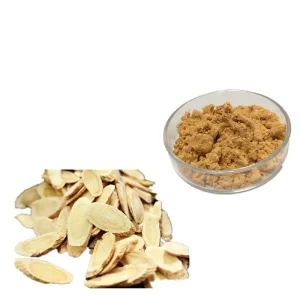
Active botanical powders (such as Ginkgo Biloba or Astragalus Root Extract) have natural bitter notes. Incorporating NHDC acts as a receptor blocker, mitigating bitterness and enhancing flavor profile without adding sugar.
In sugar-free chocolates, gummies, and baked goods, alternative sweetener bases withstand temperatures up to 200°C without browning or undergoing thermal degradation, maintaining shape and texture.
Natural sweeteners play a critical role in oral care applications (toothpastes, mouthwashes) and cosmetics. They provide an appealing flavor profile and are completely non-cariogenic, supporting dental hygiene.
Andy Biotech: Your Trusted Partner in Plant Extract Solutions
Andy Biotech is a leading manufacturer and supplier of premium-quality, scientifically-validated plant extracts for the food, beverage, nutraceutical, cosmetic, and pharmaceutical industries. Founded on a commitment to purity, potency, and innovation, we bridge the gap between nature’s potential and your product development goals.
Our core strength lies in our vertically integrated process, which gives us complete control from seed to extract. We partner with a network of certified organic and sustainably managed farms to ensure the integrity of every raw material. Our state-of-the-art extraction facilities employ advanced technologies, including supercritical solvent and water-based methods, to preserve the full spectrum of bioactive compounds without compromising on environmental responsibility.
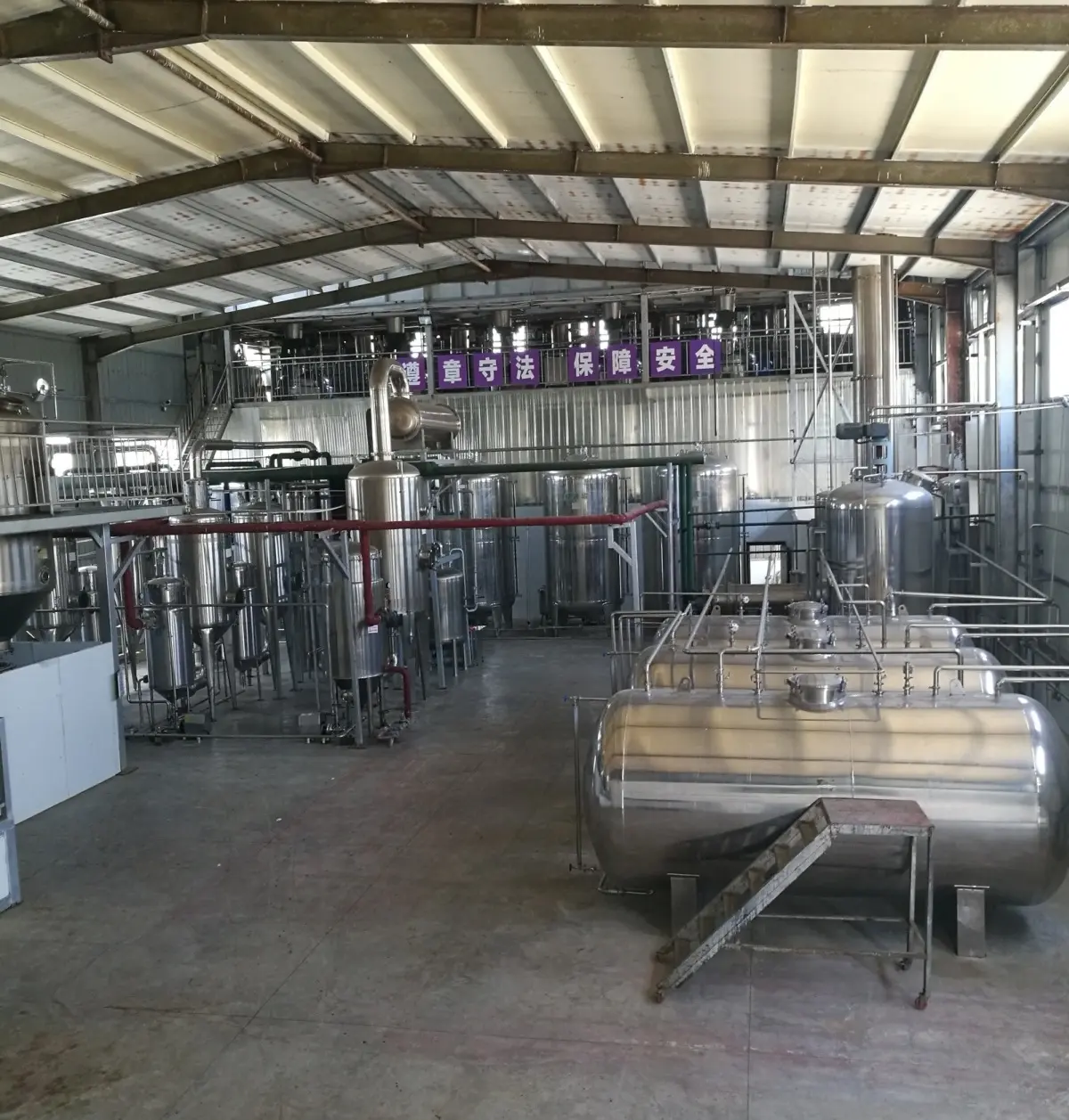
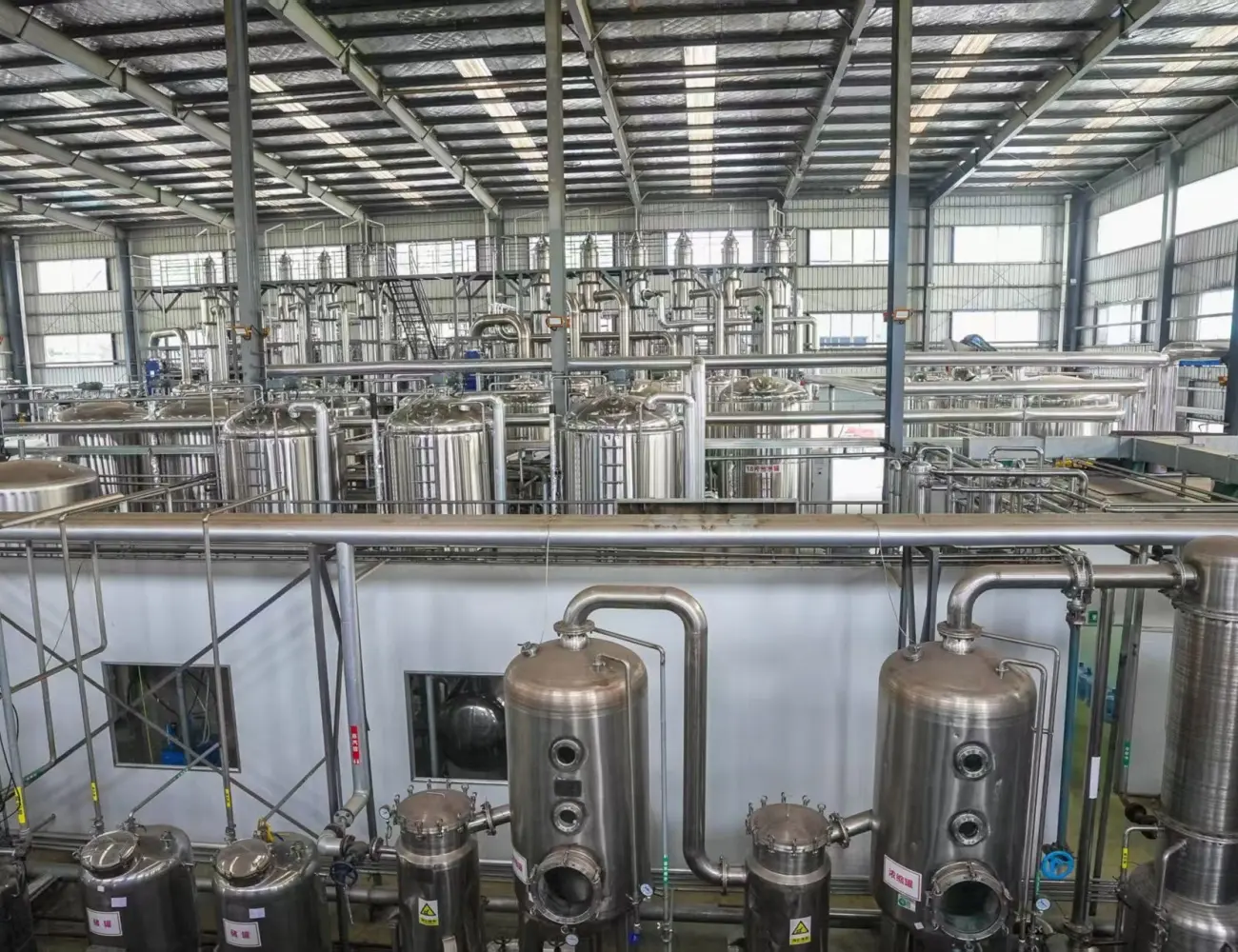
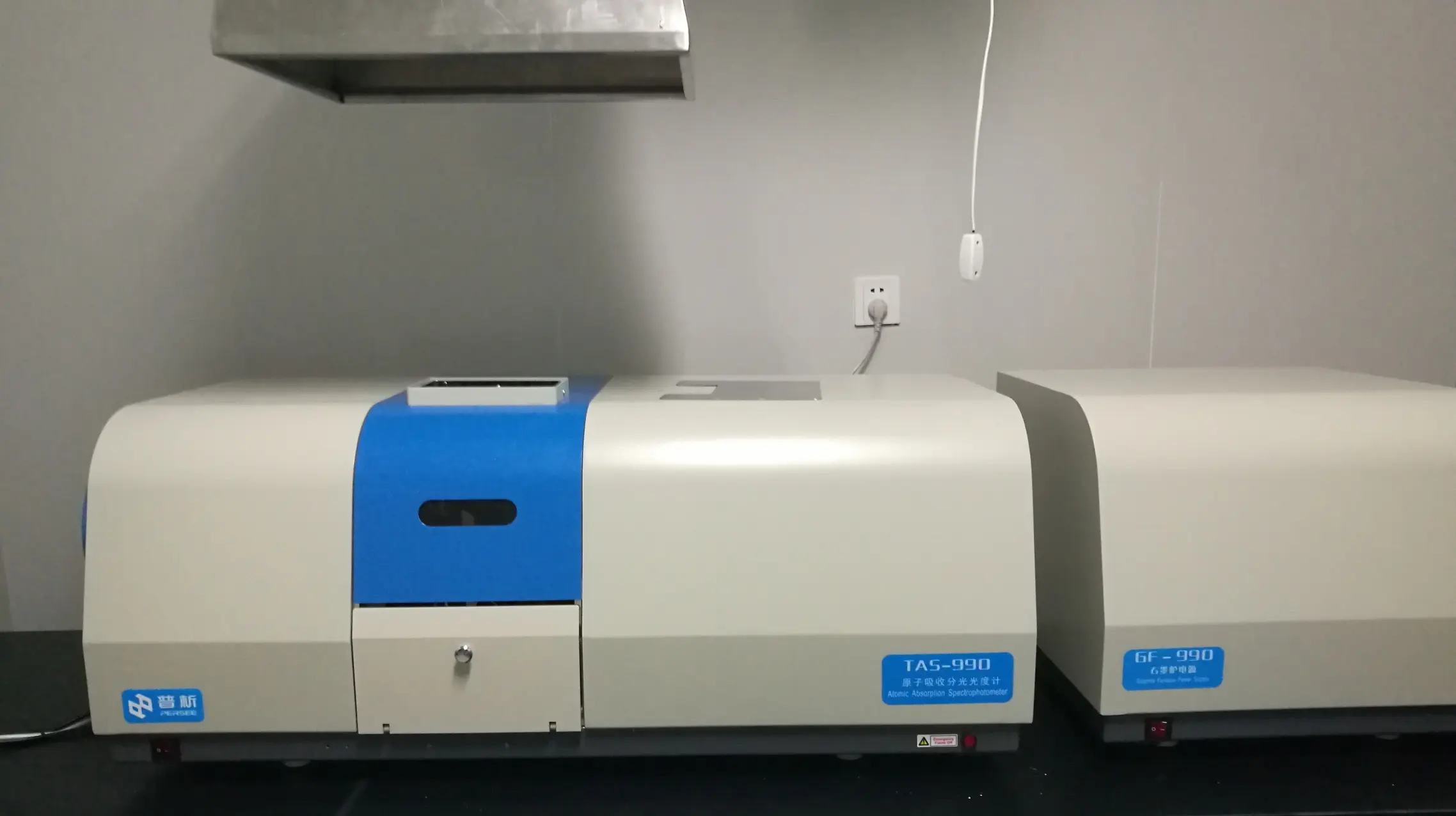
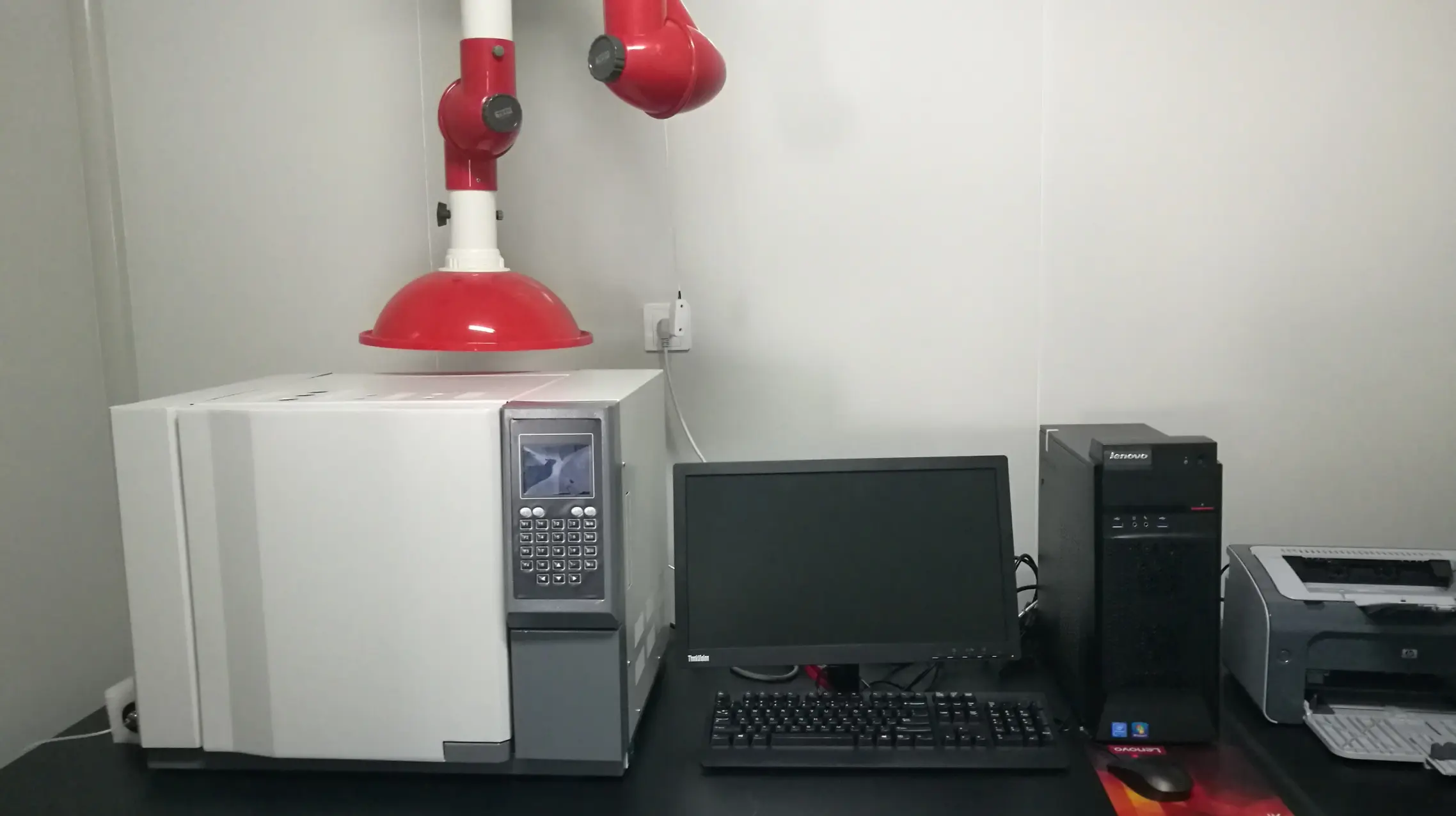
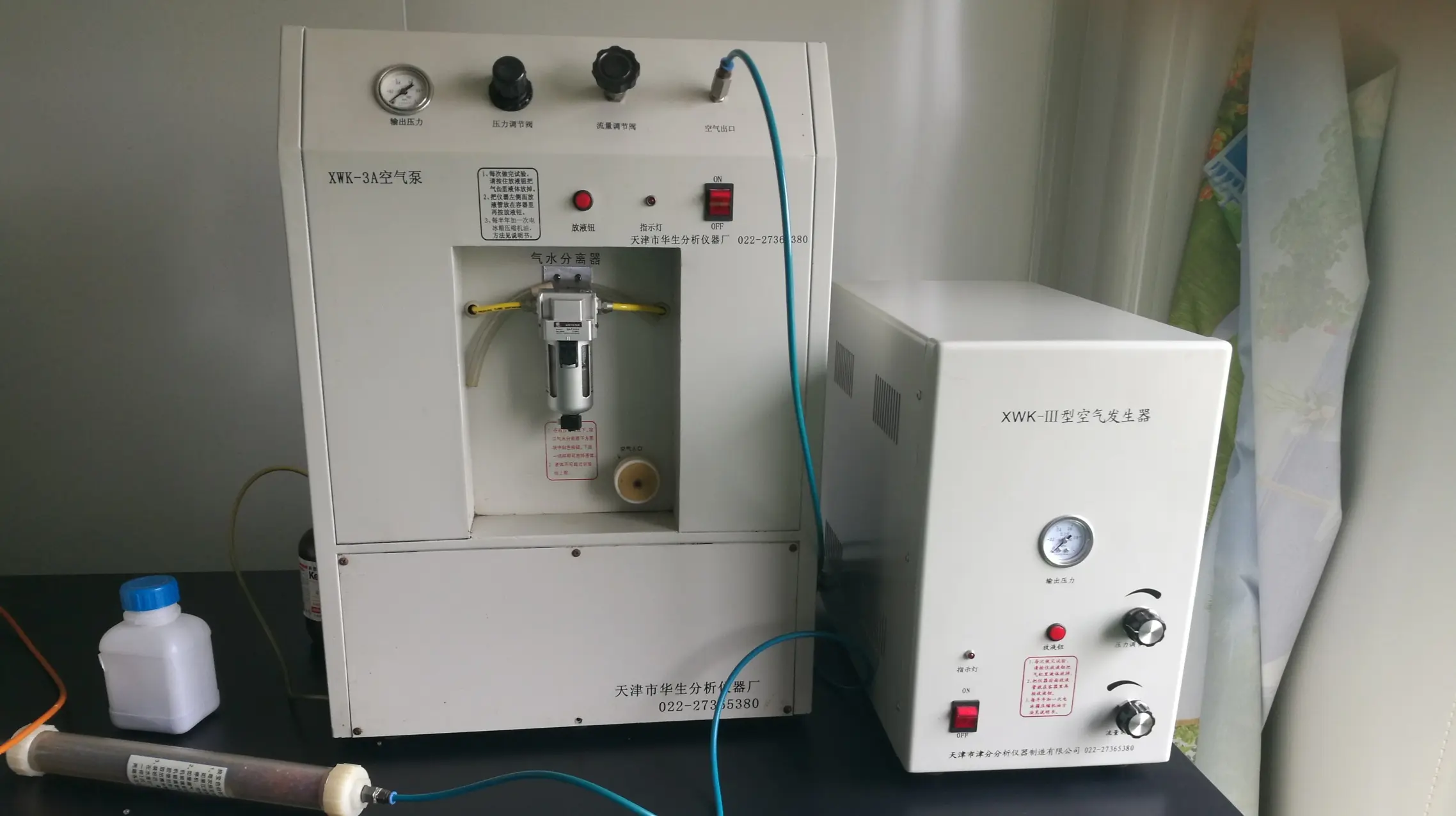
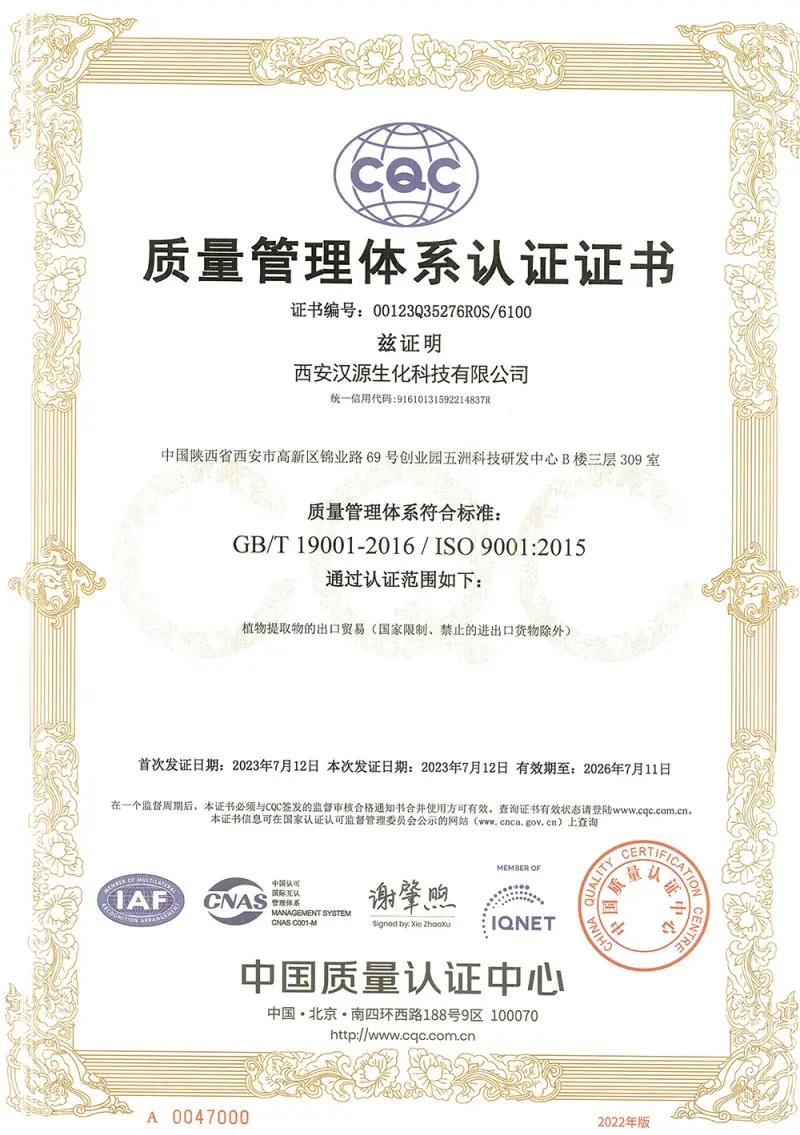
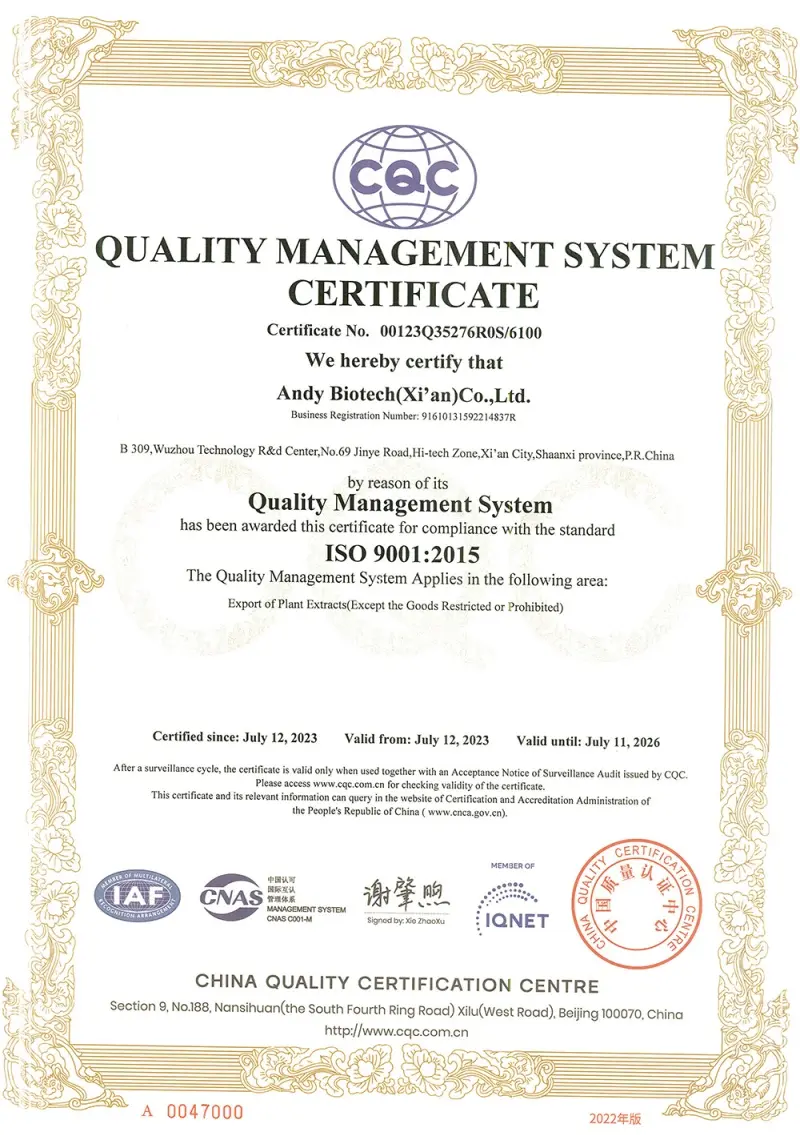
Quality and safety are non-negotiable. Every batch undergoes rigorous testing in our in-house laboratories, equipped with HPLC, GC-MS, and other advanced analytical instruments. We guarantee compliance with stringent international standards, including ISO, NSF, cGMP, and related certifications. Our commitment to transparency means you receive comprehensive Certificates of Analysis (CoA) for every product, ensuring traceability and peace of mind.
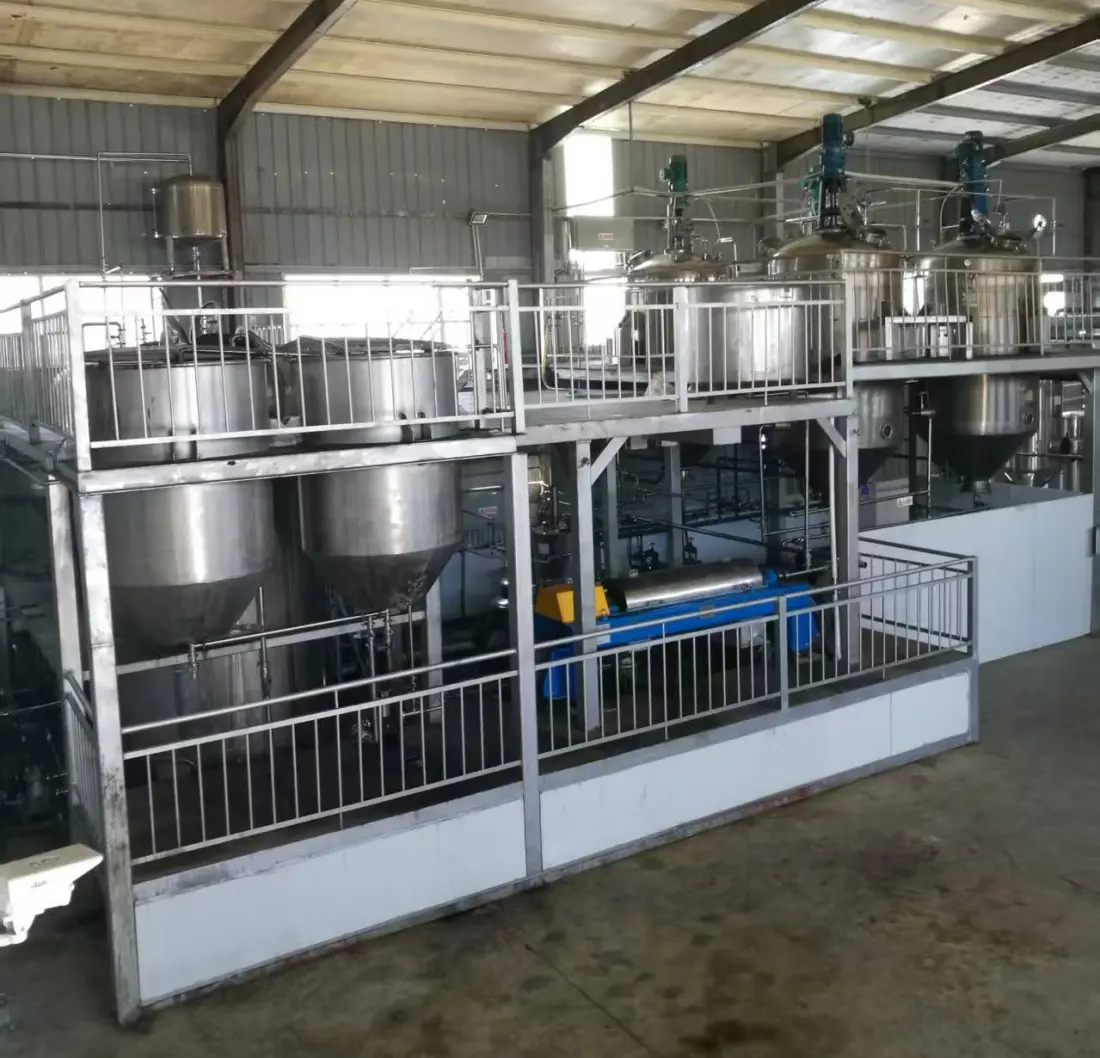
It’s one thing to just meet the regulations when providing ingredients, but when an ingredient supplier exceeds those standards and imposes even higher ones in its products, that is a sign of a company who cares. Andy Biotech takes extra steps to ensure that our independent third-party laboratory-tested ingredients meet our standards as well as your own.
Our extensive portfolio features a wide range of standardized extracts, ratio extracts, and custom blends tailored to specific formulations. Whether you need Echinacea for immune support, Turmeric with high curcuminoid content, or innovative botanical blends for skincare, our technical team works closely with you to deliver exactly what your product requires. Andy Biotech provides high quality Ginkgo Biloba Extract, Lycopene Tomato Extract, Lutein Marigold Extract, Aloe Vera Gel Freeze Dried powder, Aloe Vera Extract and other natural ingredients to the food, health, and nutraceutical industries.
Andy was born in a small village close to the Hanjiang River in Hanzhong, Shaanxi province, China. Thirty years ago, when she was still a little child, she caught a cold, but the medical services were not available unless the family crossed over high mountains to find a hospital. Thus, Andy's grandfather first used Echinacea leaves soaked in water for her treatment, then he dug Echinacea root and shredded it into pulp and squeezed the liquid for Andy to drink one spoon every two hours. Andy recovered after this treatment.
As a child, Andy watched her grandfather harness the healing power of plants in his humble garden. His ancient herbal remedies were not just treatments; they were magic. That early wonder blossomed into a profound passion for plant extracts and a deep respect for nature’s wisdom. From that time on, little Andy swore that she would help to spread herbs all over the world to benefit more people.
This personal journey is the heart of Andy Biotech. It’s why Andy Biotech is dedicated to researching and delivering the purest, most effective botanical solutions for modern wellness. Andy’s lifelong vow is to honor that tradition by innovating for a healthier future, empowering lives through the timeless power of plants.
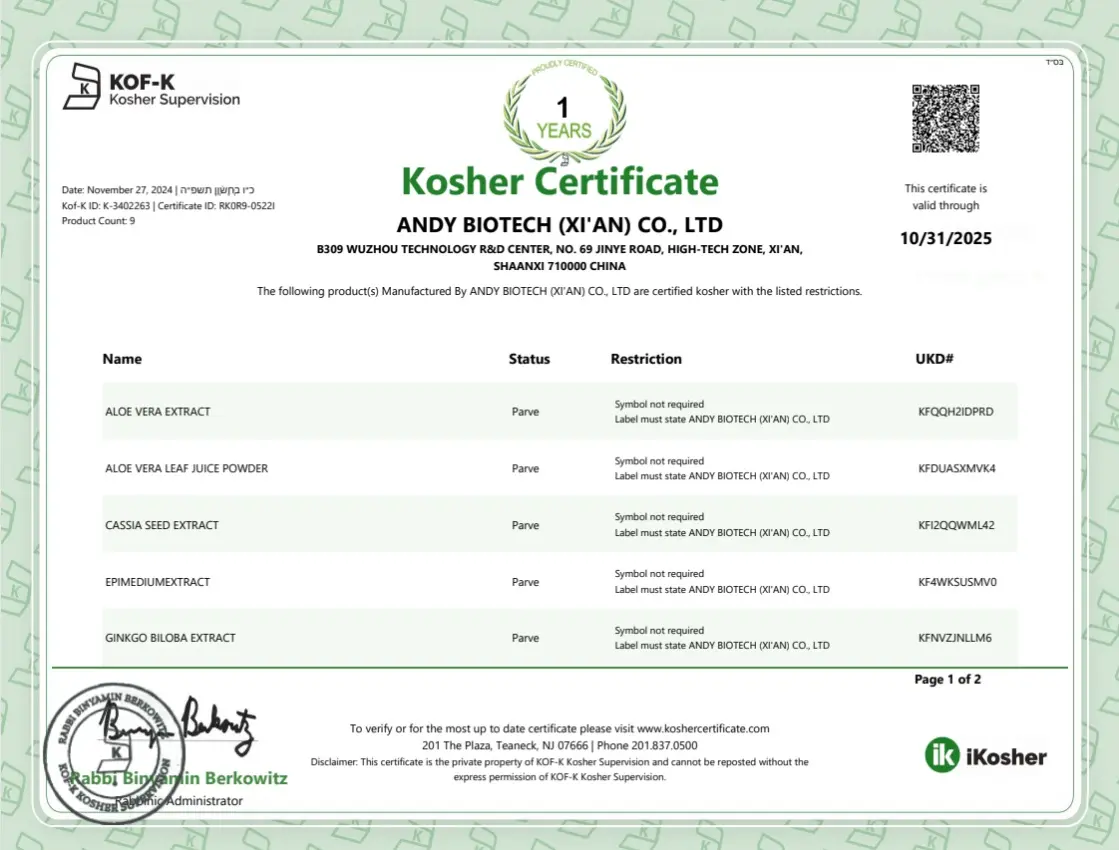
Operating under global quality frameworks to guarantee safety, traceablity, and international compliance.
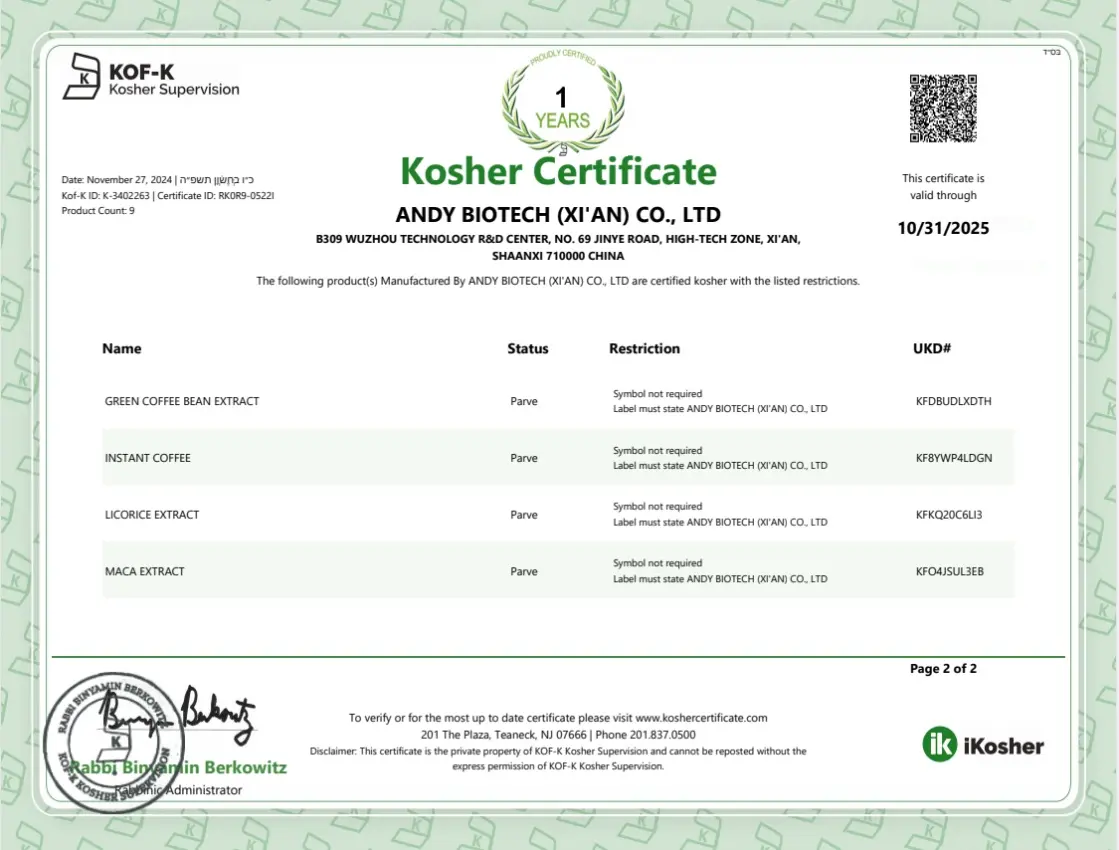
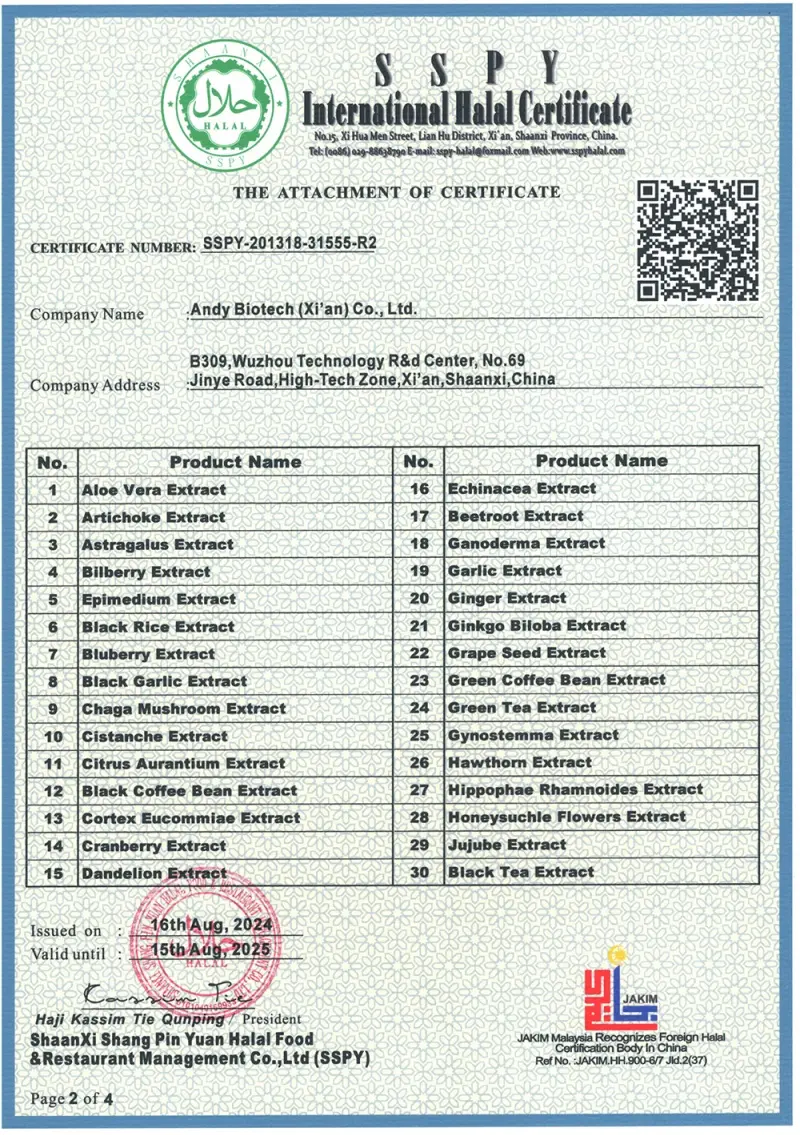
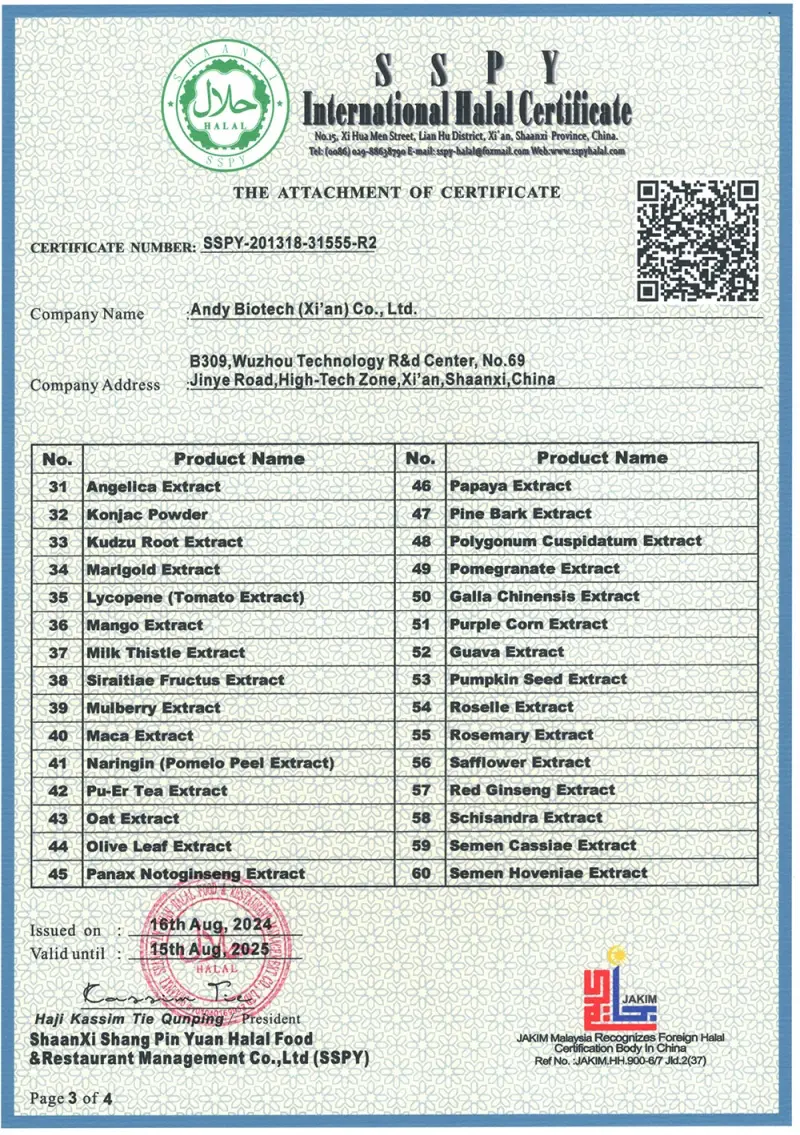
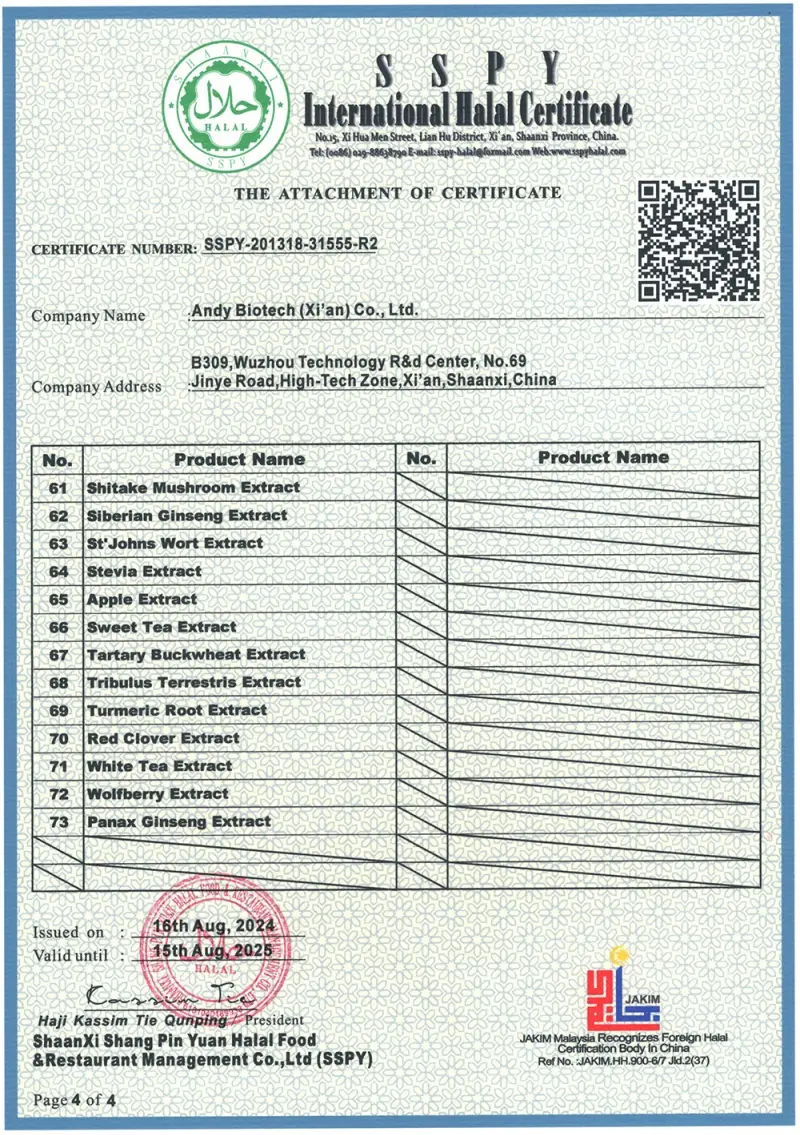
Scientific resolutions for industrial formulators, supply chain managers, and quality assurance specialists.
Scientifically validated active compounds for pharmaceutical, cosmetics, and functional foods.
 Andy Biotech