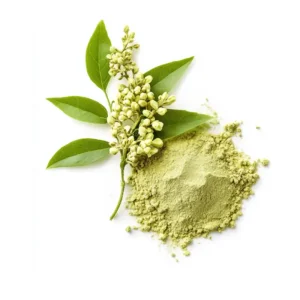
Best Water Soluble Rosemary Leaf Extract Rosmarinic Acid 5%-98% CAS 20283-92-5 Bulk Powder for Food Exporters, Exporter

Rosmarinic acid is a water-soluble substance that should be stored away from light and avoid contact with calcium and magnesium ions. Rosmarinic acid exhibits various pharmacological activities, such as antioxidant, antibacterial, anti-inflammatory, and anti-tumor effects, and is used as a food preservative, pharmaceutical, cosmetic and feed additive.

Product Description

Introduction of Rosemary Leaf Extract Rosmarinic Acid

Rosemary Leaf Extract is extracted and purified from fresh rosemary leaves (Rosmarinus Officinalis) by low-temperature solvent separation technology.
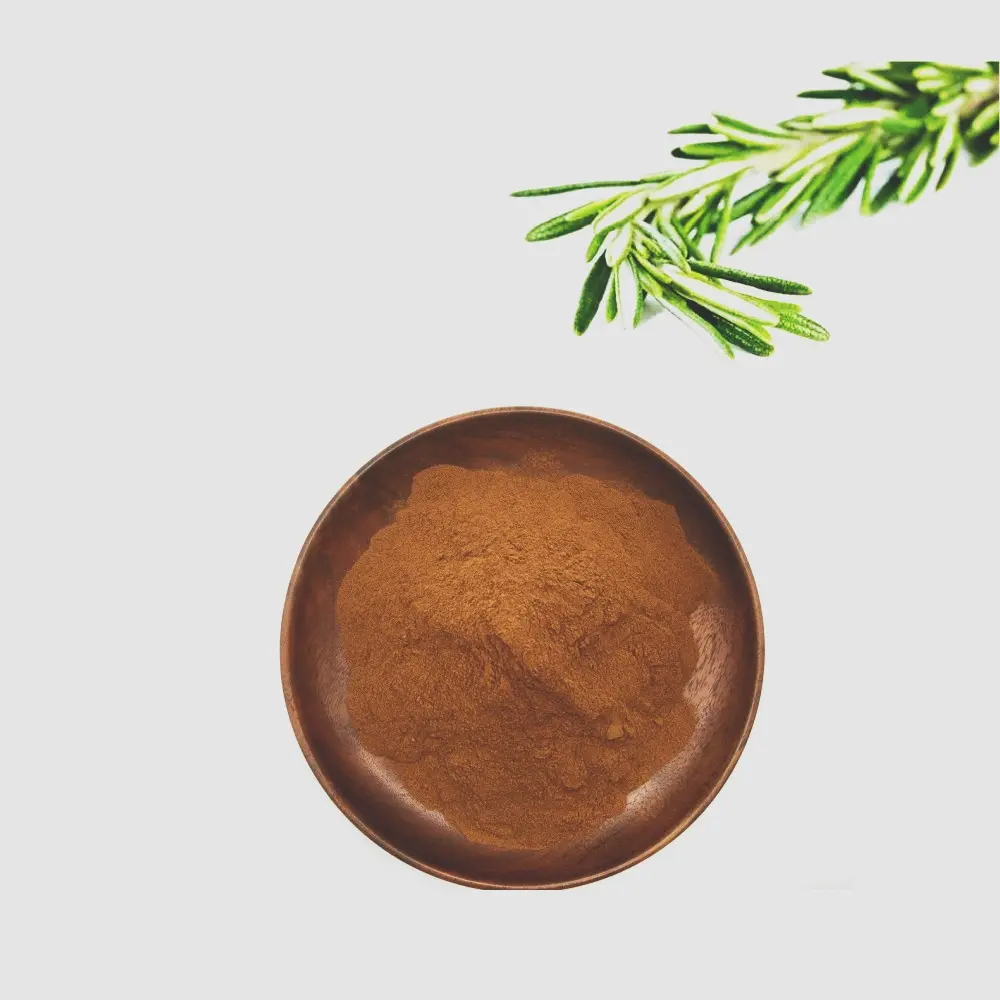
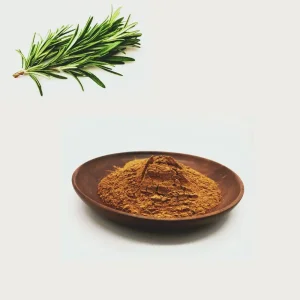
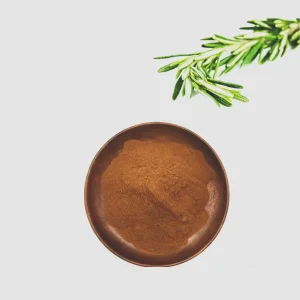
The signature active marker of Rosemary Leaf Extract is Rosmarinic Acid, together with carnosic acid, carnosol, flavonoids and polyphenols. Rosemary Leaf Extract appears light yellow to brown, features outstanding lipid oxidation resistance, anti-inflammatory and antibacterial effects, stable under high temperature, no synthetic preservatives or artificial additives.
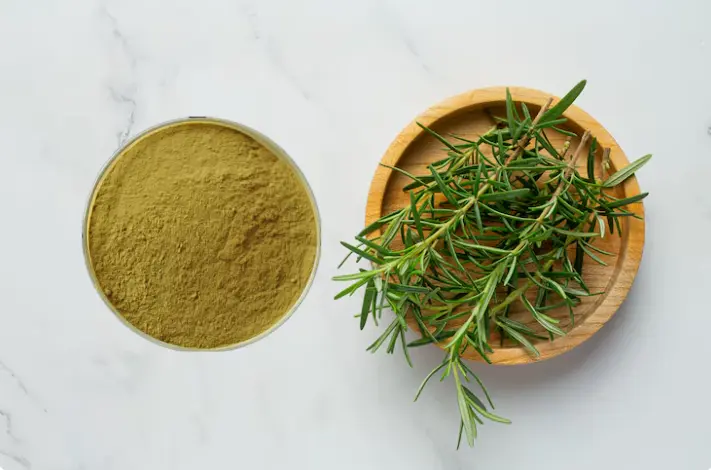
Rosemary Leaf Extract
Main Specifications
  • Water soluble components: Rosmarinic Acid 5%, 10%, 50%, 98% (HPLC)
  • Oil soluble components: Carnosic Acid 5%, 10%, 20%, 98% (HPLC)
  • Ursolic Acid: 25%, 50%, 98% (HPLC)
  • Rosemary oil

Function of Rosemary Leaf Extract Rosmarinic Acid

The efficacy of rosemary extract is primarily attributed to its high concentration of antioxidant phenols and diterpenes. Its most celebrated benefit is its powerful antioxidant capacity, which helps neutralize harmful free radicals in the body, thereby protecting cells from oxidative stress and damage. This action is linked to potential anti-aging, anti-inflammatory, and neuroprotective effects.
Rosemary Leaf Extract Benefits
Studies suggest it may support cognitive function, including memory and concentration, and offer protection against neurodegenerative diseases. Furthermore, rosemary extract exhibits strong antimicrobial and antibacterial properties against a broad spectrum of foodborne pathogens, making it a natural food preservative. It also shows promise in supporting digestion and circulation. In skincare, its antioxidants help protect the skin from environmental damage, reducing signs of aging. Some research indicates it may have anti-carcinogenic properties by inhibiting the growth of certain cancer cells. Additionally, it is known to help reduce inflammation, which is a root cause of many chronic diseases. Its ability to enhance the shelf-life of fats and oils by preventing rancidity is a key functional benefit in the food industry.

Application Area of Rosemary Leaf Extract Rosmarinic Acid

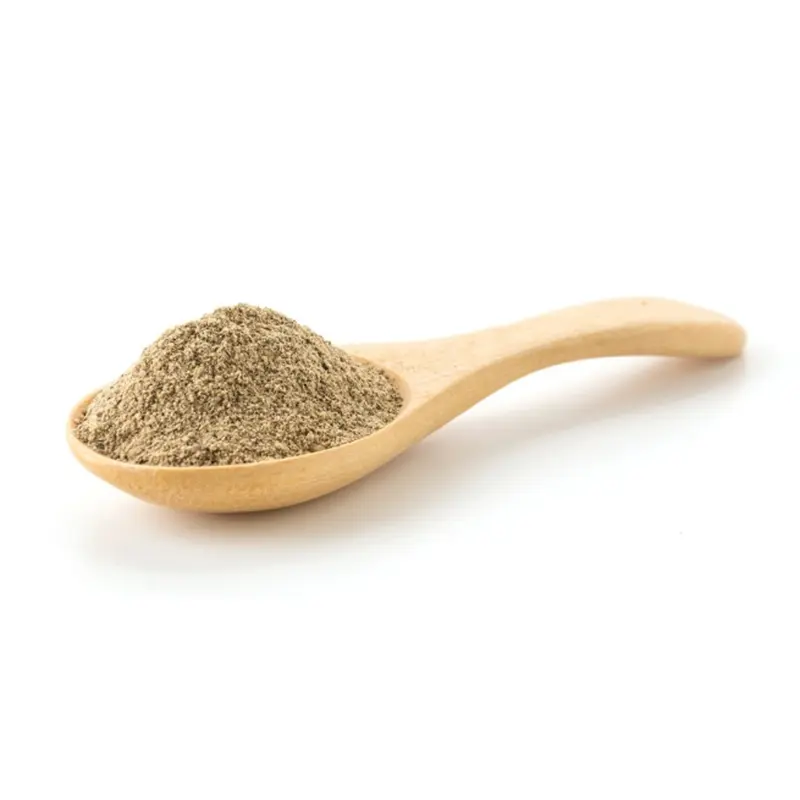
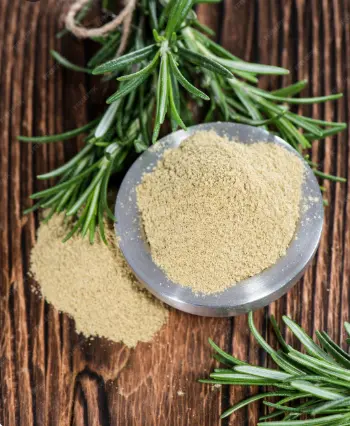
Rosemary Extract Powder
The application of rosemary extract is diverse, spanning the food, cosmetic, pharmaceutical, and nutraceutical industries. In the food industry, it serves as a natural antioxidant (E392 in the EU) to prevent lipid oxidation and rancidity in meats, poultry, oils, snacks, and baked goods, effectively extending shelf life without synthetic additives.
Its antimicrobial properties also help control foodborne pathogens. In the cosmetic and personal care industry, it is a prized ingredient in anti-aging creams, serums, lotions, and hair care products. Its antioxidants fight skin-damaging free radicals, while its anti-inflammatory properties can soothe irritation. In hair care, it is commonly used to stimulate the scalp, promote hair growth, and improve hair thickness.
Within the pharmaceutical and nutraceutical sectors, it is incorporated into dietary supplements for cognitive support, memory enhancement, and overall antioxidant protection. Research is ongoing into its potential use in therapeutic formulations for its anti-inflammatory and anti-cancer properties. Furthermore, it is used in animal feed as a natural preservative and health supplement for livestock. Its versatility and natural origin make it a highly sought-after ingredient across multiple fields.

Specification of Rosemary Leaf Extract Rosmarinic Acid

Rosemary Extract Technical Data Sheet
Sense Index
Appearance Brown powder
Odor & Taste Characteristic
Physical-chemical Index
Active ingredient Ursolic acid 25%-50% / Rosmarinic acid 5%-20% / Carnosic acid 5%-20%
Particle Size 98% pass 80 mesh
Loss on drying 5% Max
Ash 5% Max
Heavy metals 10ppm Max
Lead 2ppm Max
Arsenic 2ppm Max
Mercury 0.1ppm Max
Cadmium 1ppm Max
Hygienic Index
Total plate count 1,000cfu/g Max
Mold & yeast 100cfu/g Max
Enterobacteriae 10cfu/g Max
E.Coli Absent in 10g
Salmonella Absent in 25g
Statements
Non-Irradiated, Non-GMO
Packaging & Storage
Packaging 1kg/aluminium foil bag, 25kg/drum (37*37*50cm).
Shelf Life 24 months stored in original packaging away from light, under optimal temperature 10~25℃.

Frequently Asked Questions (FAQ)

1. What is the source and extraction process of Rosemary Leaf Extract?
Rosemary Leaf Extract is extracted and purified from the fresh leaves of Rosmarinus Officinalis using advanced low-temperature solvent separation technology to ensure high purity and efficacy.
2. What are the primary active ingredients in this extract?
The main active marker is Rosmarinic Acid (water soluble), alongside Carnosic Acid (oil soluble), Ursolic Acid, carnosol, flavonoids, and polyphenols.
3. How does Rosmarinic Acid benefit the food industry?
It serves as an excellent natural antioxidant (E392) that protects fats and oils from lipid oxidation and rancidity, effectively extending the shelf-life of food products without the need for synthetic preservatives.
4. Can Rosemary Leaf Extract be used in cosmetic products?
Yes, it is highly valued in cosmetics for its anti-aging, anti-inflammatory, and antioxidant benefits. It helps protect the skin from environmental damage, soothes irritation, and promotes hair health and thickness.
5. Is the extract GMO-free and safe for consumers?
Absolutely. The Rosemary Leaf Extract is certified Non-GMO and Non-Irradiated, with strictly monitored heavy metal and microbiological limits to guarantee safety.
6. What are the storage requirements for this product?
It should be stored in its original packaging in a cool, dry place away from direct light, ideally at temperatures between 10°C and 25°C, ensuring a shelf life of up to 24 months.

Related Products