 Andy Biotech
1 / 1
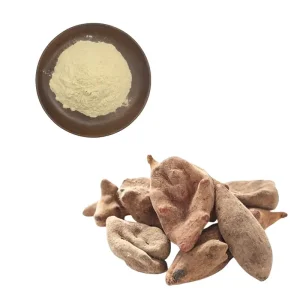
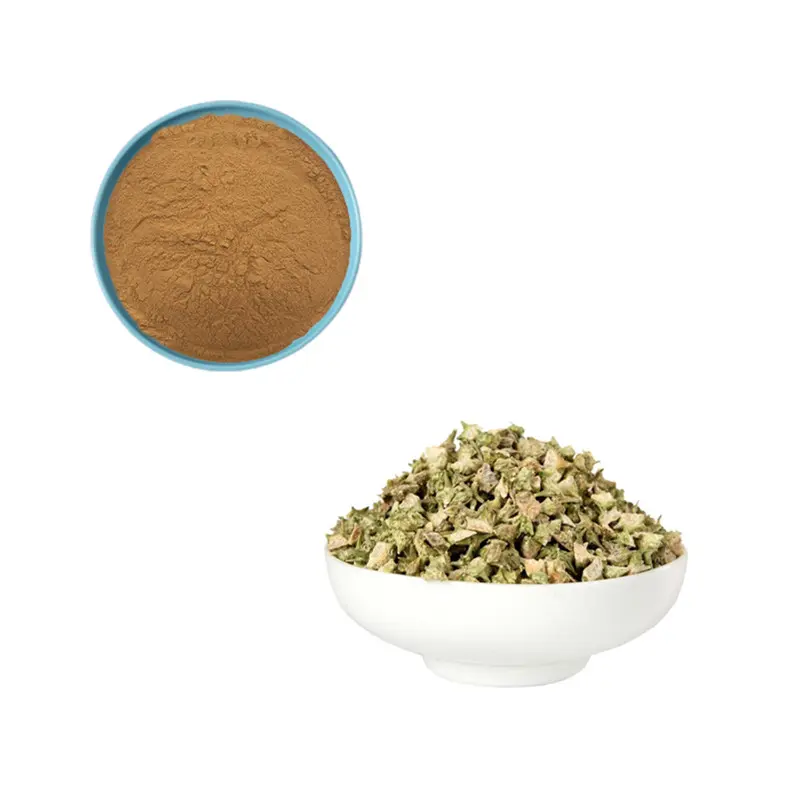
Tribulus terrestris extract is derived from the dried ripe fruits of the puncture vine plant (Tribulus terrestris, family Zygophyllaceae) and is a common raw material in both traditional Chinese medicine and modern phytomedicine research.
The main active components of Tribulus terrestris extract include saponins (such as protodioscin), flavonoids, alkaloids, and polysaccharides, with saponins considered the core functional compounds.
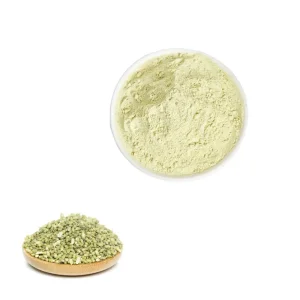
Tribulus terrestris extract is typically a yellowish-brown to brown powder with a bitter taste and a slight distinctive odor.
The core efficacy of Tribulus terrestris extract focuses on hormonal regulation, physical enhancement, and cardiovascular protection. Research suggests that its saponin components may modulate the hypothalamic-pituitary-gonadal axis, promoting the secretion of luteinizing hormone and testosterone, thereby potentially improving male sexual function, increasing muscle strength, and enhancing athletic performance.
It also exhibits certain antioxidant and anti-inflammatory effects, helping to protect myocardial cells, maintain stable blood pressure, and improve microcirculation. Traditionally used for symptoms like chest and hypochondriac distension, pain, headache, and dizziness caused by liver qi stagnation, it is now also employed to assist in alleviating menopausal symptoms, boosting physical energy, and combating fatigue. It should be noted that its hormonal effects vary among individuals, and long-term safety requires further study.
In the health supplement and sports nutrition industries, Tribulus terrestris extract is primarily used as a testosterone booster and physical performance enhancer, widely incorporated into men's health products, sports supplements (such as pre-workout formulas), and anti-fatigue products. In traditional Chinese herbal formulations, it is often combined with other herbs that activate blood circulation and soothe the liver to treat symptoms related to liver stagnation and blood stasis.
Functional foods and beverages may also include this extract with claims of "energy enhancement." Furthermore, in animal husbandry, it is explored as a feed additive to improve reproductive performance. The cosmetics industry utilizes its antioxidant properties in small quantities in anti-aging or microcirculation-promoting skincare products. It is important to emphasize that product claims must comply with regulations and avoid exaggeration regarding its hormonal effects.
| Tribulus terrestris Extract Technical Data Sheet | |
| Sense Index | |
| Appearance | Yellow brown powder |
| Odor & Taste | Characteristic |
| Physical-chemical Index | |
| Particle Size | 98% pass 80 mesh |
| Saponin(UV) | 40-95% |
| Loss on drying | 5% Max |
| Heavy metals | 10ppm Max |
| Lead | 3ppm Max |
| Arsenic | 2ppm Max |
| Mercury | 0.1ppm Max |
| Cadmium | 1ppm Max |
| Hygienic Index | |
| Total plate count | 1,000cfu/g Max |
| Mold & yeast | 100cfu/g Max |
| Enterobacteriae | 10cfu/g Max |
| E.Coli | Absent in 10g |
| Salmonella | Absent in 25g |
| Additional Info | |
| Statements | Non-Irradiated, Non-GMO |
| Packaging | 1kg/aluminium foil bag, 25kg/drum (37*37*50cm) |
| Shelf Life | 24 months stored in original packaging away from the light, and under the optimal temperature 10~25℃. |