Best Natural Artichoke Leaf Extract Cynarin/Chlorogenic Acid Powder Cynara Scolymus Extract for Liver Protection Supplier, Factory

Artichoke extract is derived from the leaves of the artichoke plant, rich in polyphenolic active ingredients such as cynarin and chlorogenic acid. It offers antioxidant, liver-protecting, and lipid-lowering effects, promotes bile secretion, improves digestive function, and serves as a natural health food ingredient.

Product Description

Product Specification

Artichoke Extract Technical Data Sheet
Sense Index
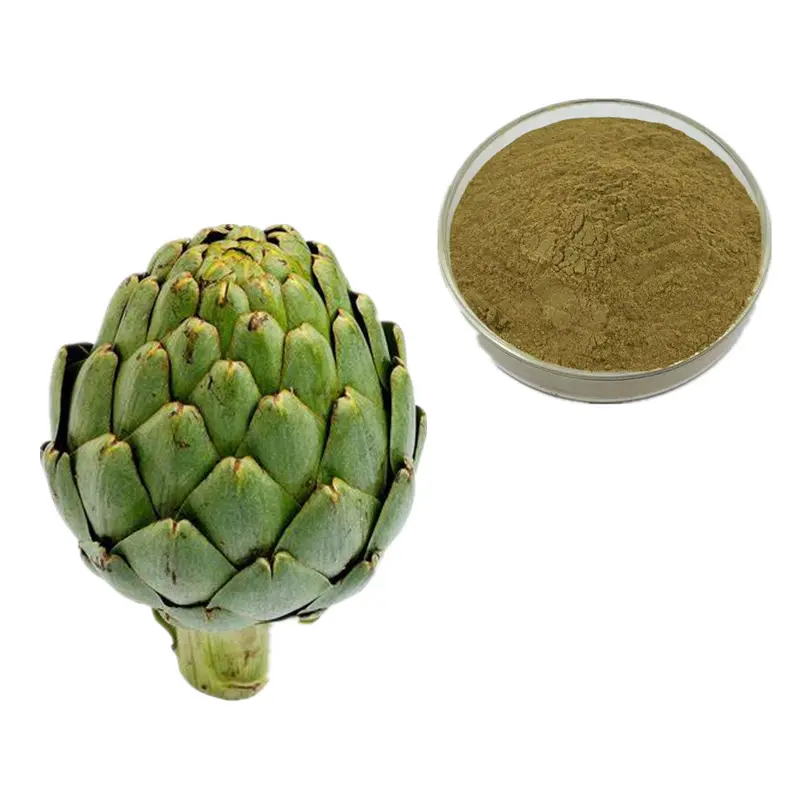
Appearance Brown powder
Odor & Taste Characteristic
Physical-chemical Index
Cynarin (UV) 5% Min
Particle Size 98% pass 80 mesh
Loss on drying 5% Max
Ash 5% Max
Residual solvents Meet Eur.Ph.7.0 <5.4>
Pesticides EU Reg. 396/2005 amended / ph. Eur
Heavy metals 10ppm Max
Lead 2ppm Max
Arsenic 2ppm Max
Mercury 0.1ppm Max
Cadmium 1ppm Max
Hygienic Index
Total plate count 1,000cfu/g Max
Mold & yeast 100cfu/g Max
Enterobacteriae 10cfu/g Max
E.Coli Absent in 10g
Salmonella Absent in 25g
Statements: Non-Irradiated, Non-GMO
Packaging: 1kg/aluminium foil bag, 25kg/drum (37*37*50cm).
Shelf Life: 24 months stored in original packaging away from the light, and under the optimal temperature 10~25℃.

Function of Artichoke Extract

Treatment of dyspepsia
In Europe, artichokes have been used as a herbal remedy for indigestion. Artichoke extract is used to treat gastrointestinal diseases including abdominal pain, abdominal distension, nausea and so on.
Reducing blood lipid and anti arteriosclerosis
Many experiments have shown that artichoke extract can reduce blood lipids, mainly by affecting the synthesis and decomposition of cholesterol and lipids in the liver to regulate the lipid level, so as to prevent the occurrence of atherosclerosis.
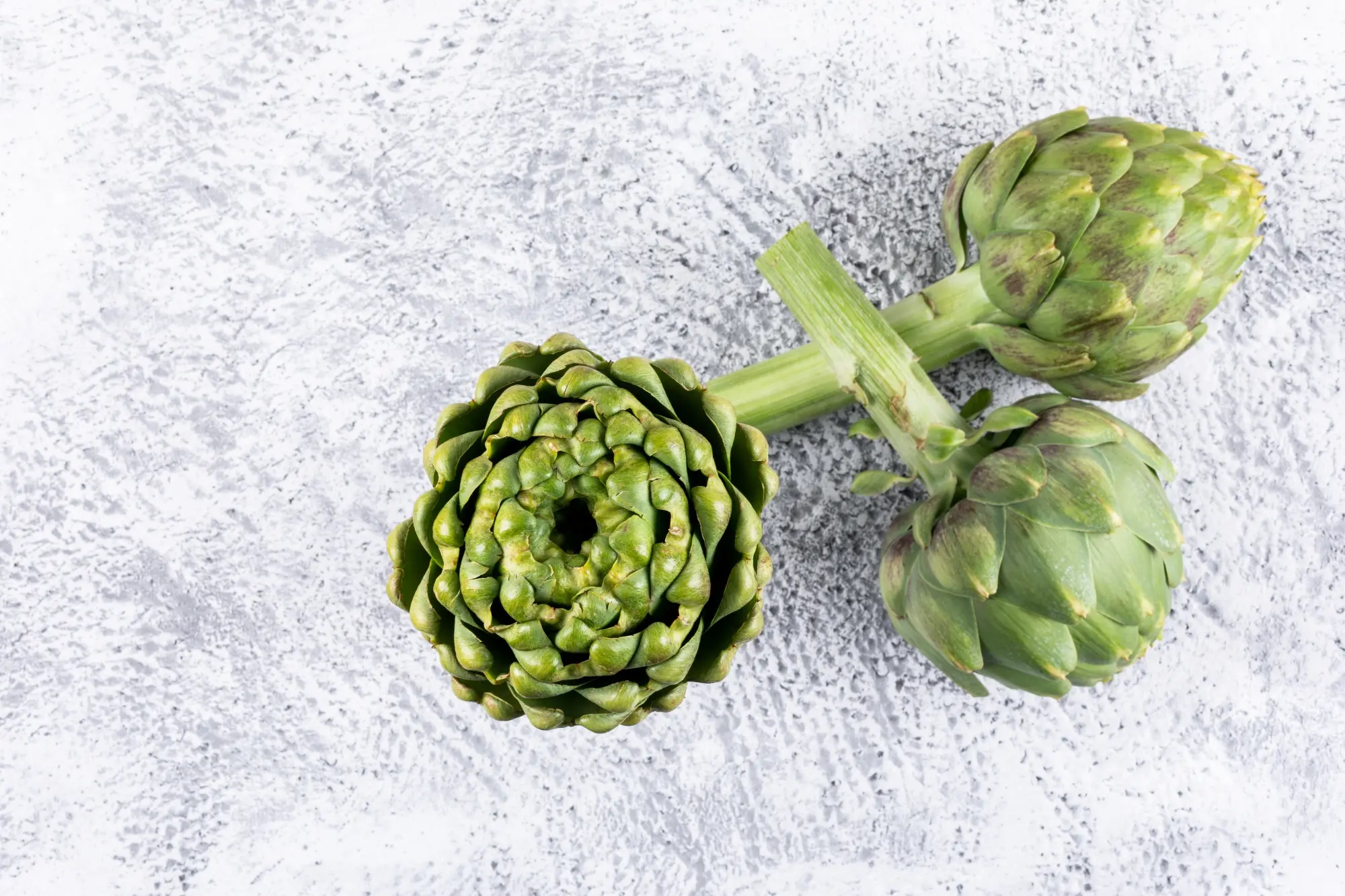
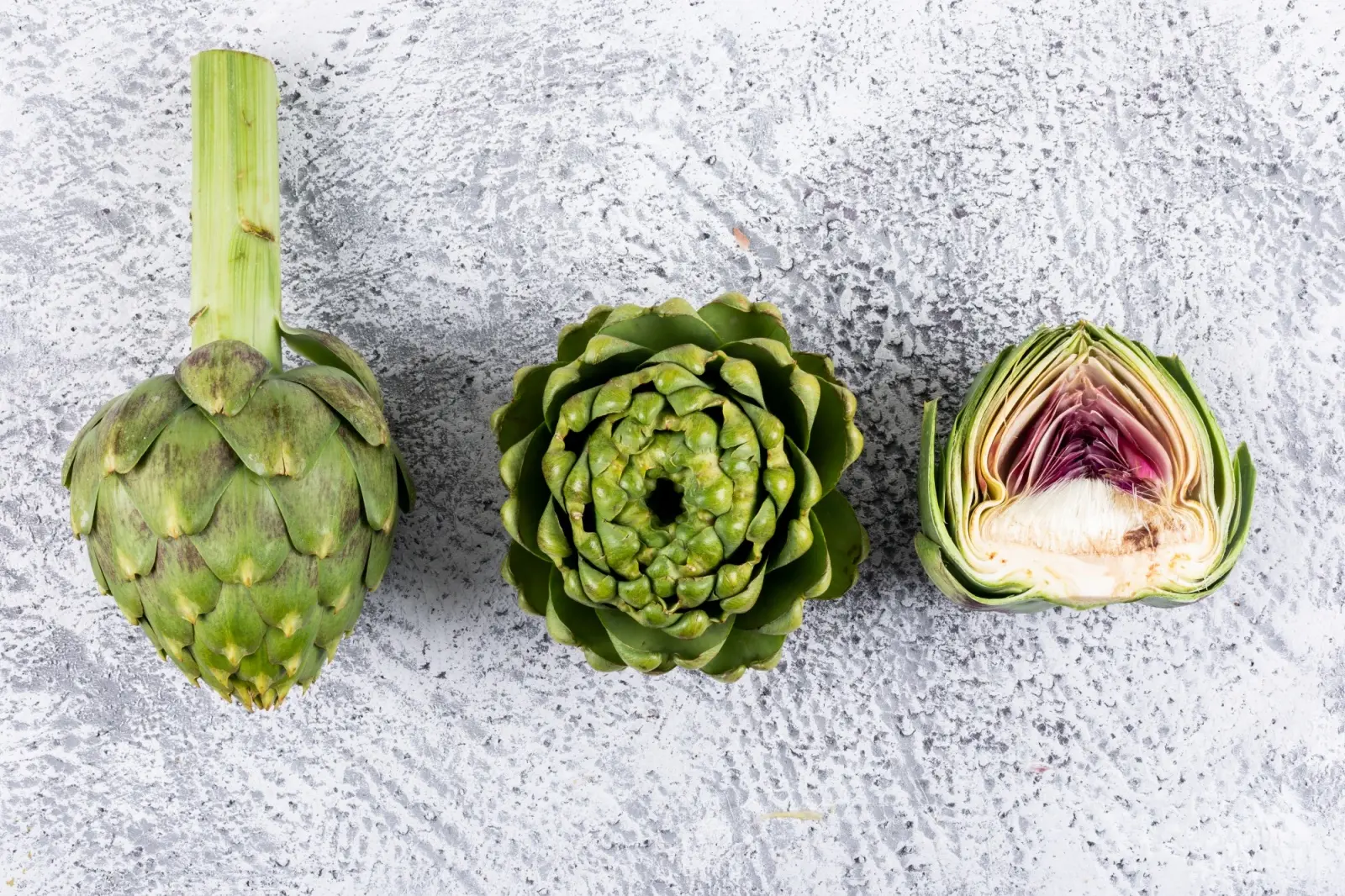
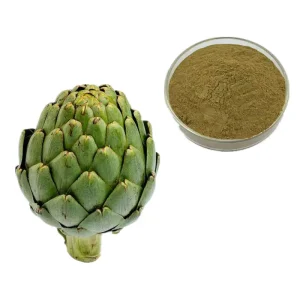
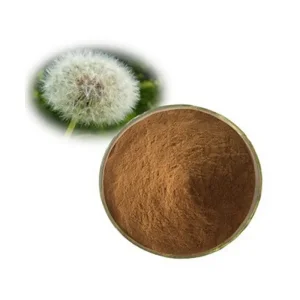
Artichoke raw materials
Liver protection and antioxidant function
The research on antioxidant function of artichoke mostly focuses on leaf extract. The antioxidant capacity of polyphenol compounds isolated from artichoke was found to be mainly determined by the number of hydroxyl groups on the aromatic ring. The more hydroxyl groups, the stronger the antioxidant capacity. In addition, the second hydroxyl group in ortho and para position can also increase its antioxidant capacity. The results showed that the EC50 values of 1 g dried artichoke extract on DPPH and FRAP were equivalent to 29.2 mg and 62.6 mg VC, 77.9 mg and 159 mg VE, respectively, and had a good effect on the oxidation of low-density lipoprotein.
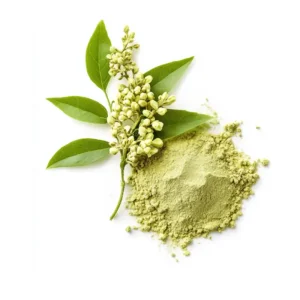
Artichoke leaf extract process
The antioxidant test results of rat hepatocytes in vitro showed that 0.001 mg / ml aqueous extract could reduce the content of MDA and did not affect the level of glutathione (GSH) in hepatocytes. On the contrary, it reduced the loss of GSH and GSSG. It shows that artichoke extract has strong antioxidant effect. Therefore, it is inferred that the antioxidant effect of the extract is the main reason for its liver protection and liver regeneration.
Anti microbial effect
The antimicrobial activities of chlorogenic acid, artichoke acid, luteolin-7-rutoside and artichoke glycoside in artichoke were relatively high, and the antifungal activity was stronger than that of bacteria.
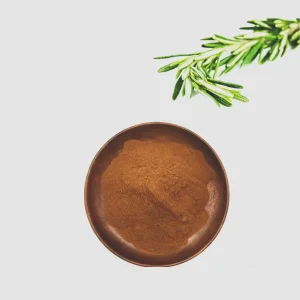
Artichoke extract microbial defense

Application Area of Artichoke Extract

Artichoke extract is widely used in various fields. In the food industry, it is utilized as a functional additive in health foods, teas, and dietary supplements to support lipid metabolism and liver health. The pharmaceutical sector leverages its hepatoprotective properties to develop drugs for assisting in the treatment of hepatitis and hypercholesterolemia. The cosmetics industry incorporates its antioxidant components into skincare products to delay skin aging.
Additionally, it serves as a natural ingredient in animal feed to enhance livestock health. Its natural and safe profile aligns with modern consumers' demand for health products, demonstrating significant market potential.
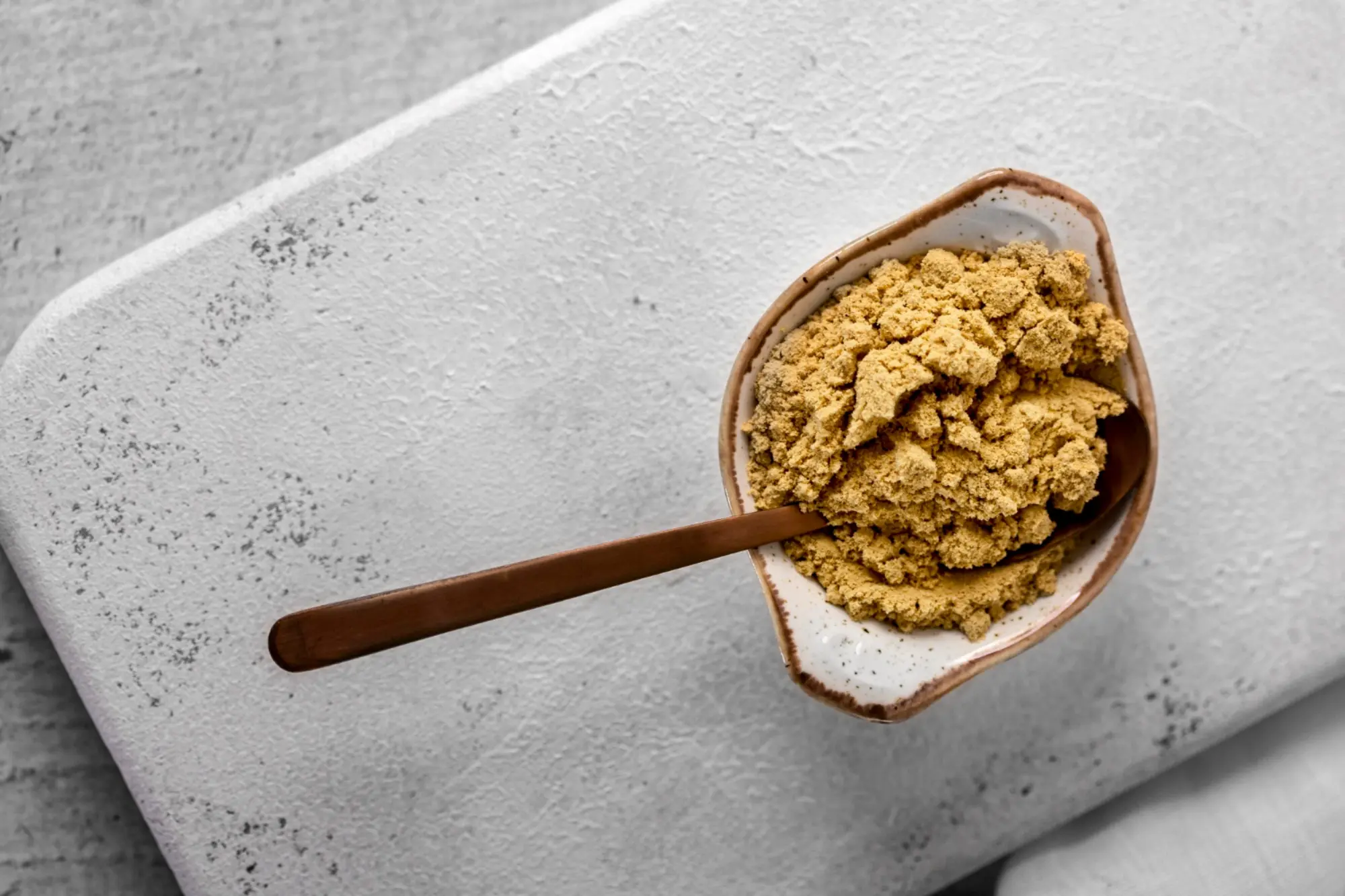
Artichoke extract fine powder

Frequently Asked Questions (FAQ)

1. What is the standard specification of Artichoke Extract?
Our standard Artichoke Extract contains a minimum of 5% Cynarin, verified by UV testing methods. It is a brown, characteristic-odored powder that passes 98% through an 80-mesh screen.
2. How does Artichoke Extract aid in digestion and liver health?
Artichoke extract has long been used to treat dyspepsia and general gastrointestinal distress. It helps protect and regenerate the liver through its potent antioxidant effects, which reduce hepatic lipid loss and protect liver cells against oxidative damage.
3. Can Artichoke Extract help lower blood lipids?
Yes. Studies indicate that artichoke extract regulates blood lipid levels by affecting the synthesis and decomposition of cholesterol and lipids in the liver, helping to prevent atherosclerosis.
4. Is the Artichoke Extract non-GMO and non-irradiated?
Yes, our Artichoke Extract is strictly documented as Non-Irradiated and Non-GMO. It also adheres to strict heavy metal, pesticide residue, and microbiological standards in compliance with EU and European Pharmacopoeia regulations.
5. What are the major commercial applications of Artichoke Extract?
It is widely used in the food industry (health foods and dietary supplements), the pharmaceutical sector (hepatitis and hypercholesterolemia supportive care), the cosmetic field (anti-aging skincare formulation), and even as a natural additive in healthy animal feed.
6. What is the recommended packaging and shelf life?
The product is typically packaged in 1kg aluminium foil bags or 25kg drums. It has a shelf life of 24 months when stored in its original packaging away from light and kept at a temperature between 10℃ and 25℃.

Related Products