 Andy Biotech
1 / 3
| Rutin Technical Data Sheet | |
| Specification and standard | |
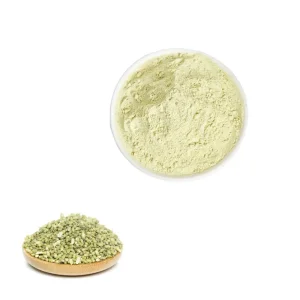
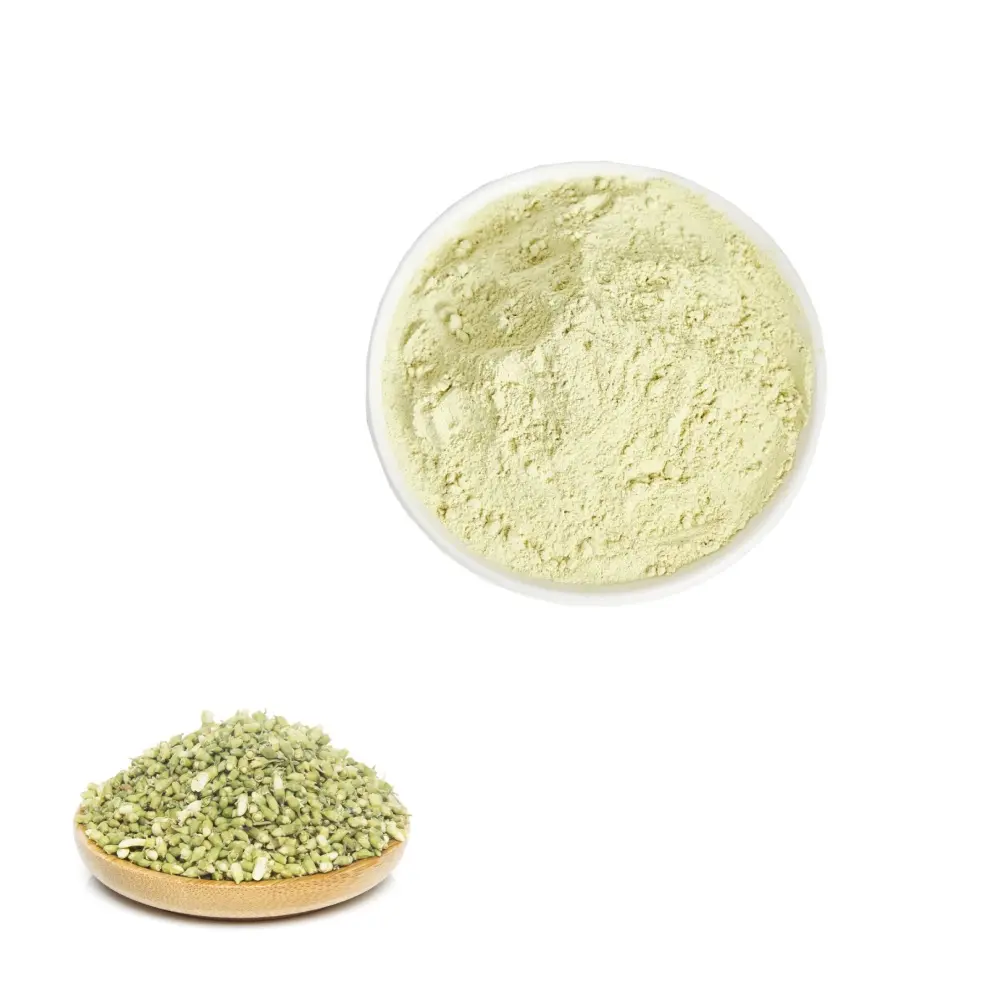
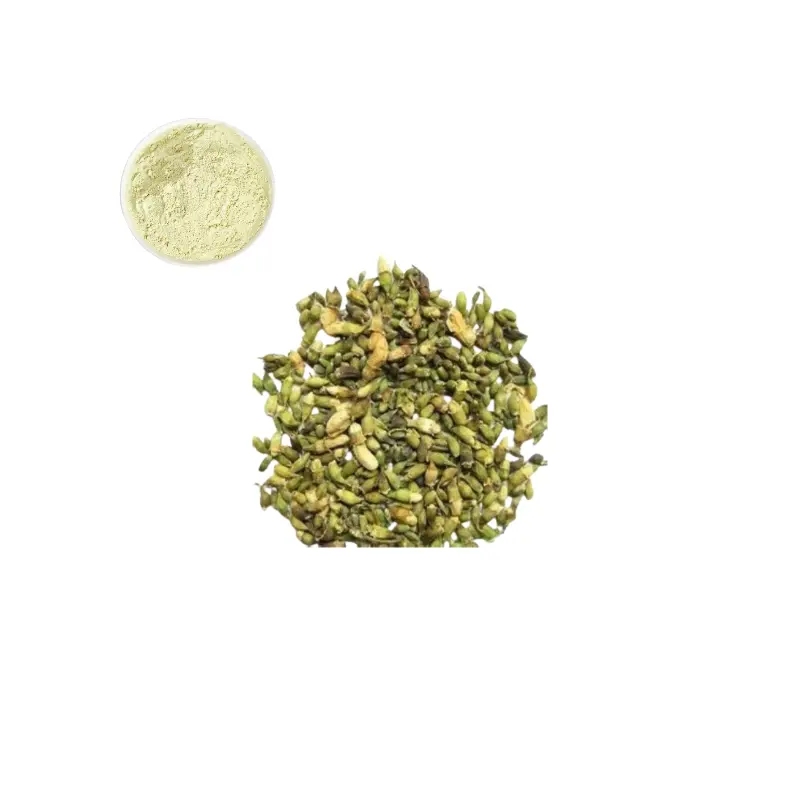
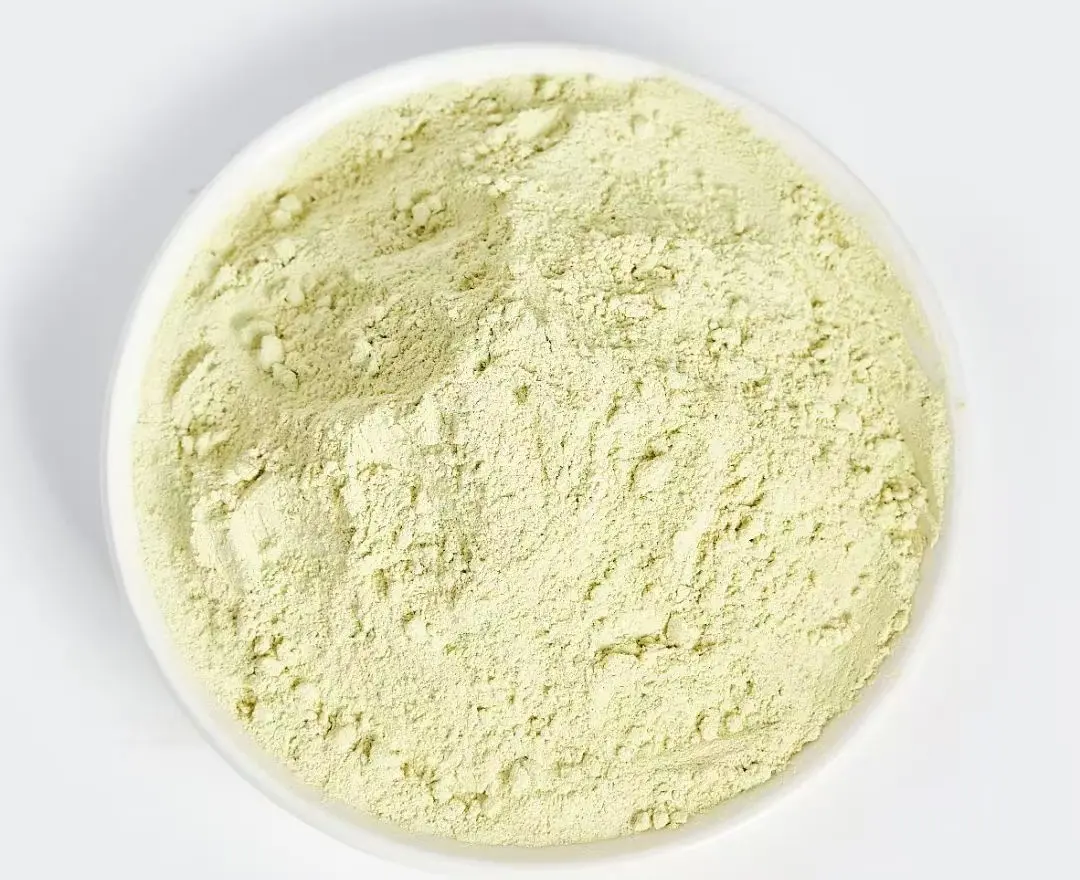
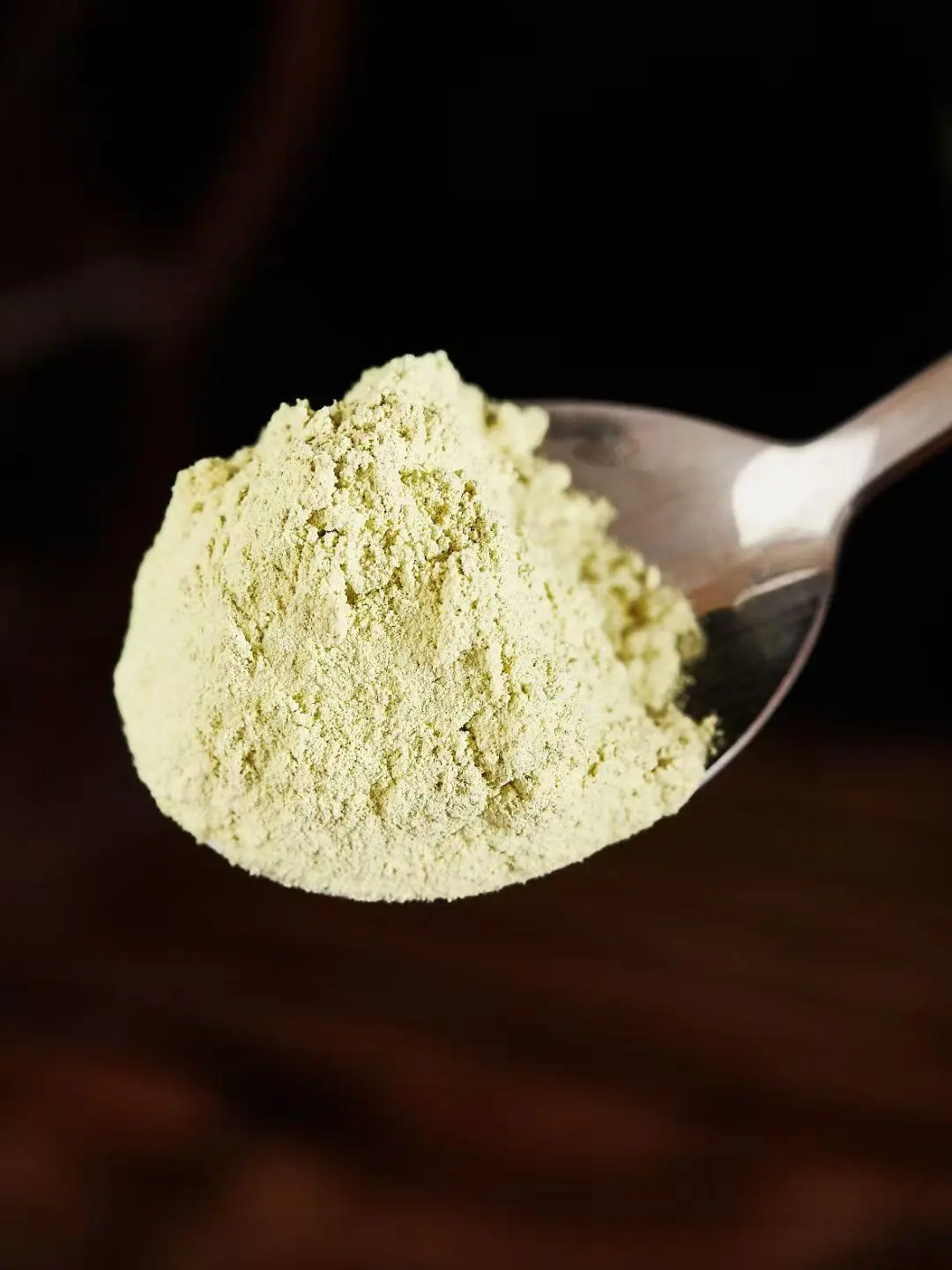
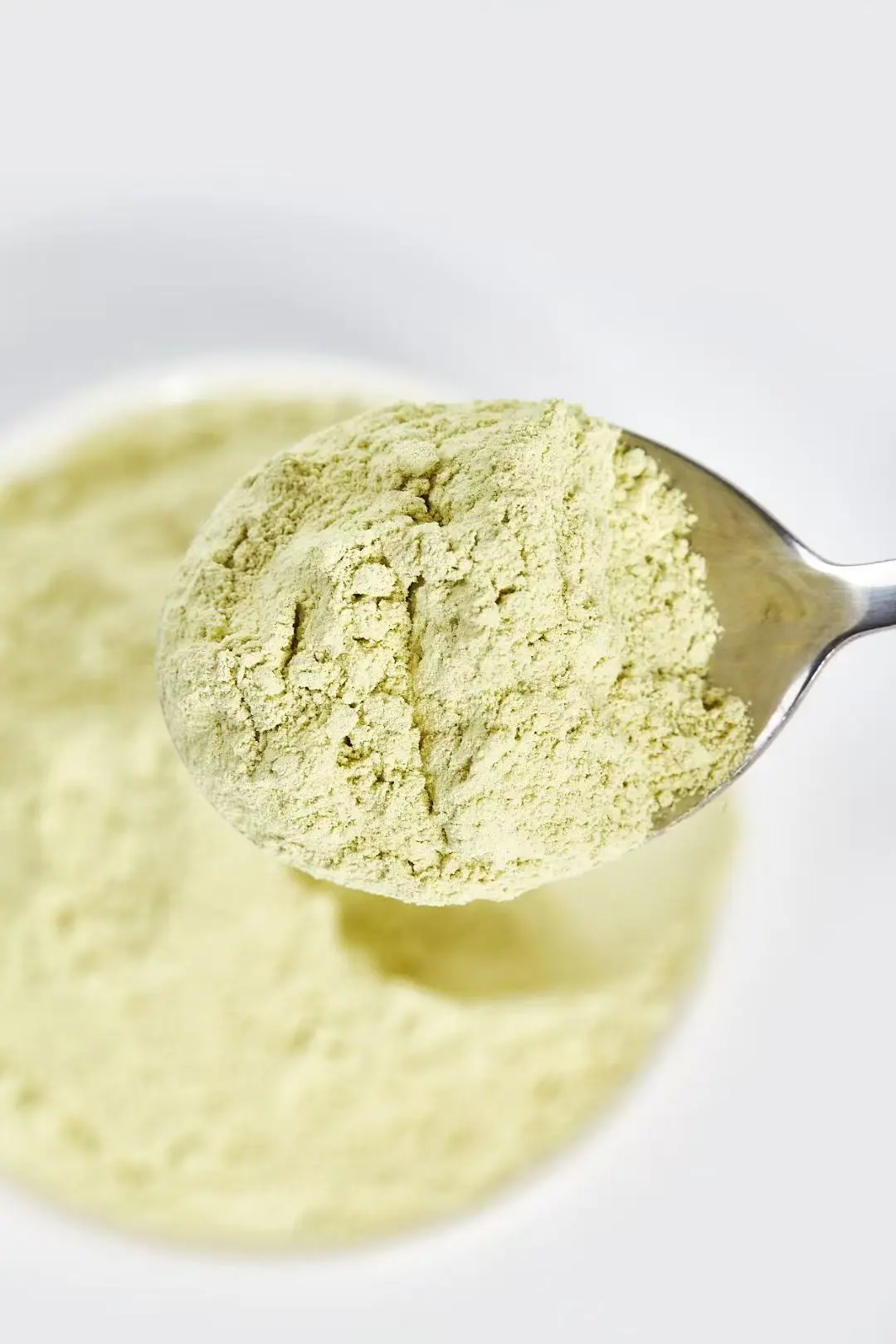
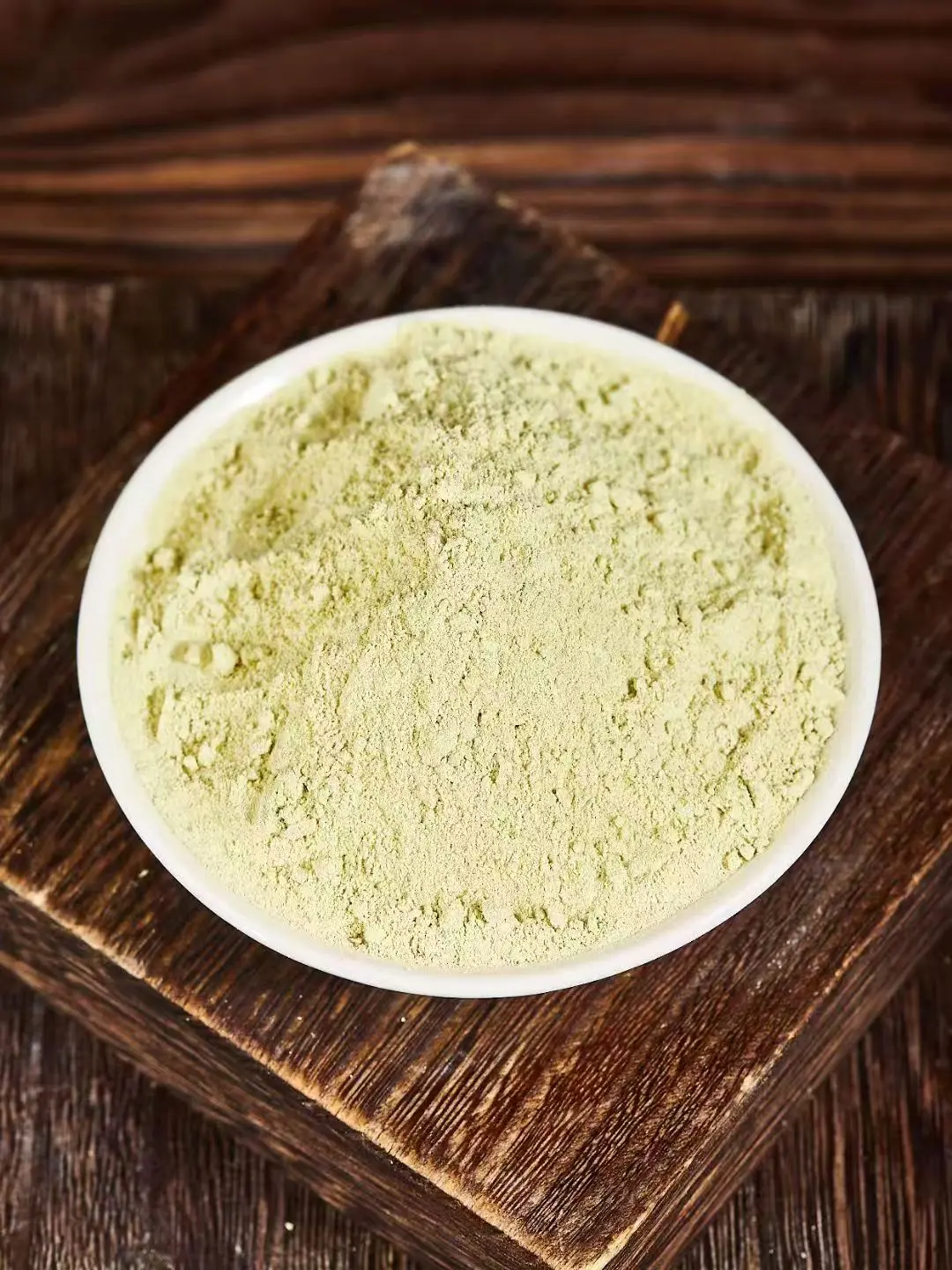
| Appearance | Greenish-yellow crystalline powder |
| Odour | Characteristic |
| Taste | Characteristic |
| Rutin | NF11 / Rutin 95% |
| Moisture | ≤ 9.0% |
| Ash | ≤ 0.5% |
| Total Heavy Metals | ≤ 10ppm |
| Lead | ≤ 2ppm |
| Arsenic | ≤ 1ppm |
| Mercury | ≤ 0.1ppm |
| Microbiological Specifications | |
| Total Plate Count | ≤ 10,000cfu/g |
| Yeast & Mold | ≤ 1,000cfu/g |
| Salmonella | Absent in 25g |
| E.Coli | Absent in 10g |
Storage: Store in sealed containers at cool & dry place. Protect from light, moisture and pest infestation.
Shelf life: 24 months under the previously mentioned conditions and in its original packaging.
Appearance Note: This is a natural product and there may be color variations from lot to lot due to crop fluctuations from harvest to harvest.
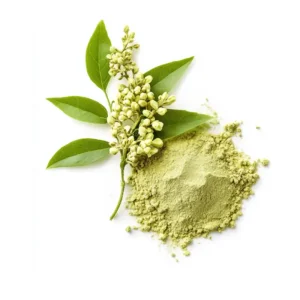
Sophora japonica is a commonly used Chinese medicine. It is a dried flower bud of the leguminous plant Huai, tastes bitter and slightly cold, and has the effects of cooling blood to stop bleeding, clearing liver and reducing fire.
Sophora japonica Extract is extracted from dried flower buds of the legume Sophora japonica L., and the main active ingredients are rutin and quercetin. Sophora extract has the functions of anti-oxidation, inhibition of cancer cells and protection of nerve cells.
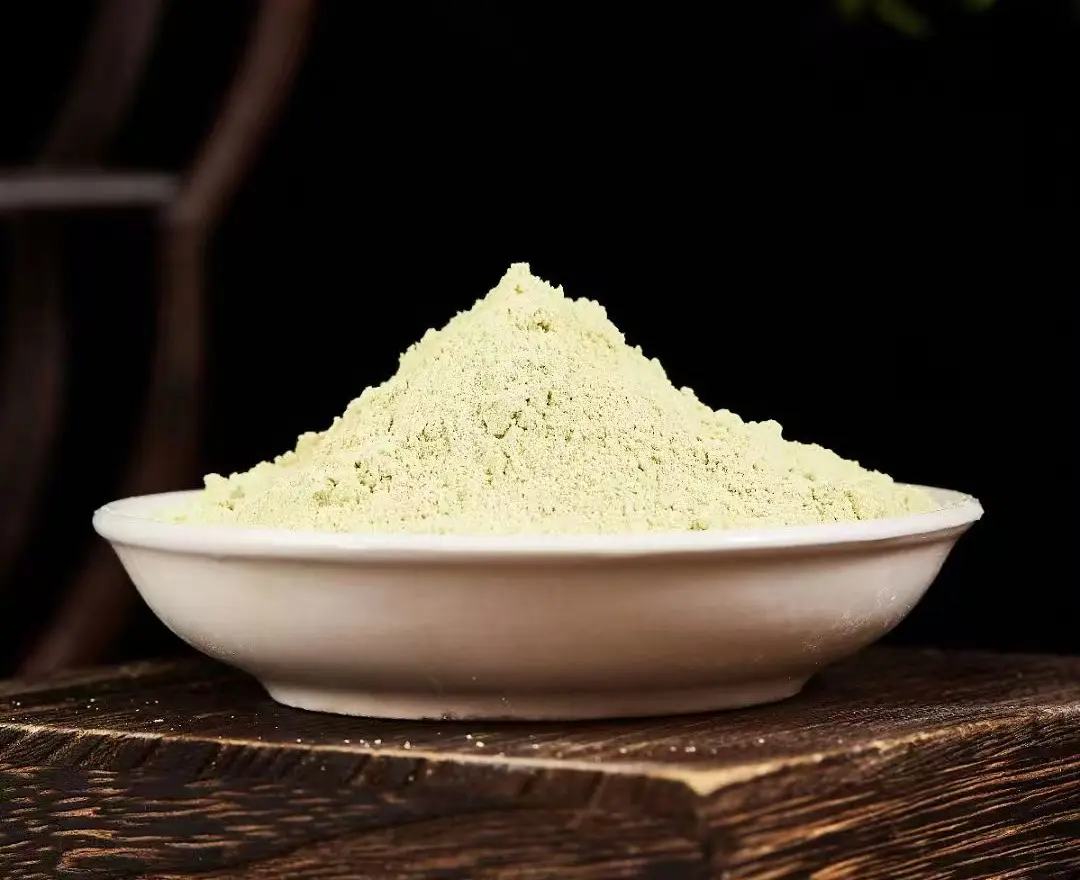
Sophora japonica extract rutin is a natural antioxidant, which has the functions of reducing capillary permeability, anti-oxidation, anti-inflammatory, anti-viral, and inhibiting aldose reductase. Chemically, rutin is a glycoside composed of flavonol aglycone quercetin along with the disaccharide rhamnosyl glucose.
Quercetin, another main component of Sophora japonica, can complex or capture free radicals to prevent lipid peroxidation in the body, effectively fight free radicals, and other tumor cells.
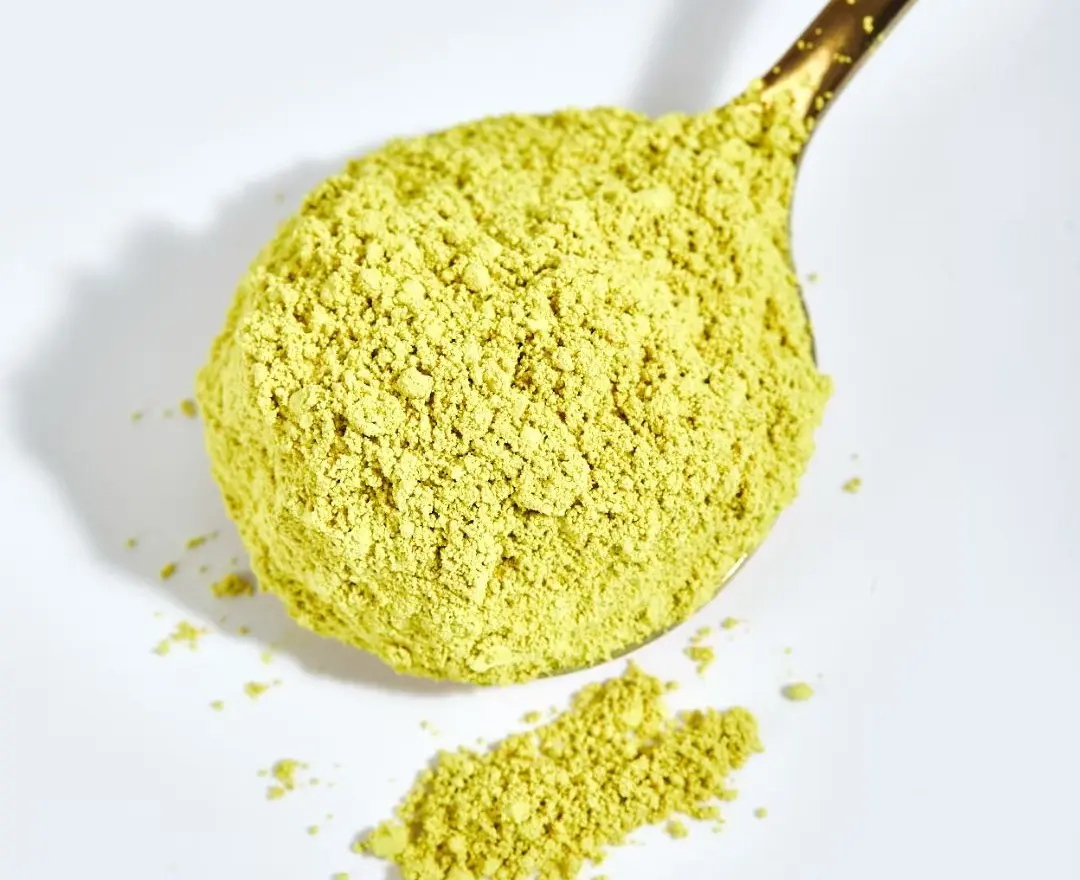
Boosts Heart Health: Rutin can help maintain blood vessel elasticity, reduce blood vessel brittleness, lower capillary permeability and prevent complications caused by hypertension. A 2018 animal study found that it inhibits heart disease through signaling specific protein kinases called ERK1/2 and Akt. Rutin administration worked to reduce the size of dead tissue in the heart of subjects with heart disease, inhibited urine protein concentration and improved blood circulation. Another 2014 study found that treatment with rutin and quercetin reduced the cardiovascular effects of a high-salt diet in hypertensive subjects.
Anti-Inflammatory: A 2021 study explored whether rutin could protect vital organs such as the liver, kidneys, and brain from damage. The subjects who were given rutin beforehand showed fewer harmful effects. The reason for this protection is that rutin protects tissues by reversing inflammation, blocking the action of free radicals, and stopping healthy cells under attack from self-destructing prematurely.
Antibacterial Activity: Rutin is extensively studied for antimicrobial activity against various strains of bacteria. It has demonstrated a profound degree of inhibition on the growth of bacteria Escherichia coli. Rutin quantified in honey has shown inhibitory effects over Proteus vulgaris, Shigella sonnei, and Klebsiella sp. Antimicrobial activity against Pseudomonas aeruginosa and Bacillus subtilis has also been documented. Results demonstrate a promising involvement of flavonoids in the preservation of food by inhibiting DNA isomerase IV, demonstrating antibacterial activity against E. coli.
Anticancer Effects: Flavonoids are known to demonstrate an extensive assortment of biological effects, comprising antioxidant and radical-scavenging activities. Reactive oxygen species have been associated with the pathogenesis of several diseases such as atherosclerosis and certain cancers. Rutin has been extensively studied for anticancer/antineoplastic effects, demonstrating potential to reduce tumor size and inhibit cancer cell growth by cell cycle arrest and/or apoptosis, along with inhibition of proliferation, angiogenesis, and metastasis.
Antioxidant: Relevant studies have shown that Rutin exhibited strong DPPH radical scavenging activity. Rutin has also demonstrated effective inhibition of lipid peroxidation. These various antioxidant activities were compared to standard antioxidants such as BHT and Vc, showing promising free radical inhibition rate of up to 90.4%.
Antidiabetic Effects: Administration of rutin in diabetic subjects caused a decrement in plasma glucose, augmentation in insulin levels, and restitution of glycogen content and glycolytic enzymes. Rutin stimulated glucose uptake in muscles, mediated through extracellular calcium and calcium-calmodulin-dependent protein kinase II activation. It added to glycemic control via enhancement of insulin receptor kinase activity, promoting the insulin signaling pathway.
Rutin is primarily extracted from the dried flower buds of the leguminous plant Sophora japonica L., commonly known as Huai.
Rutin helps maintain blood vessel elasticity, reduces capillary permeability and vessel brittleness, and improves overall blood circulation, which helps manage blood pressure and protects the heart.
Rutin is widely used in the pharmaceutical industry for dietary supplements, in cosmetics for skincare products, in the food industry as an antioxidant and colorant, and also in animal feed and herbal medicines.
Yes. Rutin shows strong free radical scavenging activity and lipid peroxidation inhibition. It also exhibits antibacterial activity against bacteria such as Escherichia coli by inhibiting DNA isomerase IV.
It should be stored in sealed containers in a cool and dry place, protected from light, moisture, and pests. The shelf life is typically 24 months in its original packaging under recommended conditions.