China Water Soluble Food Grade Tannic Acid Galla Chinensis Extract Gallnut Extract CAS 1401-55-4 for Food Additive Supplier, Factories

Product Description

What is Tannic acid?

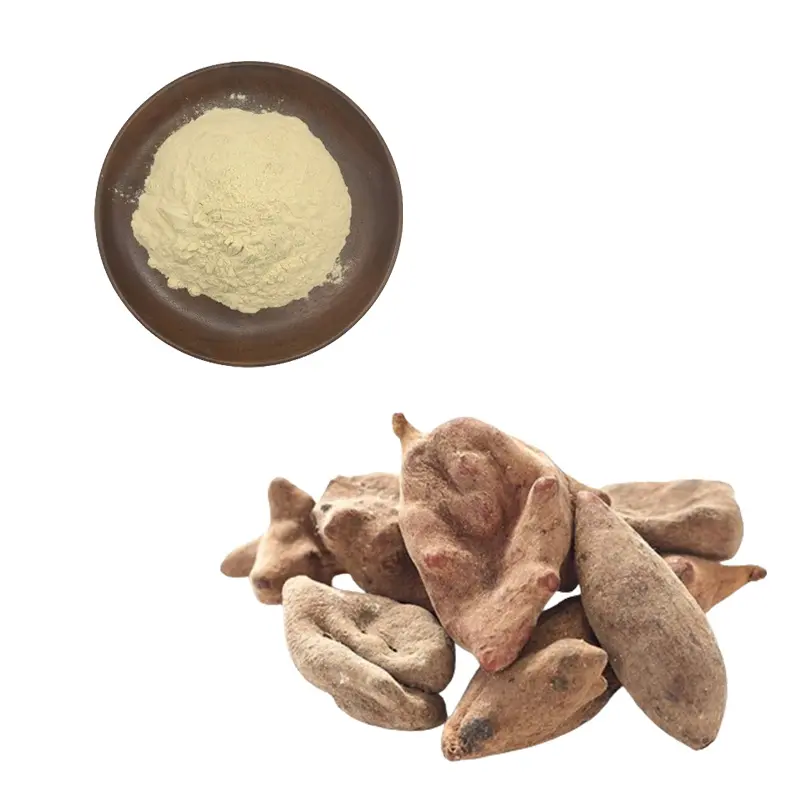
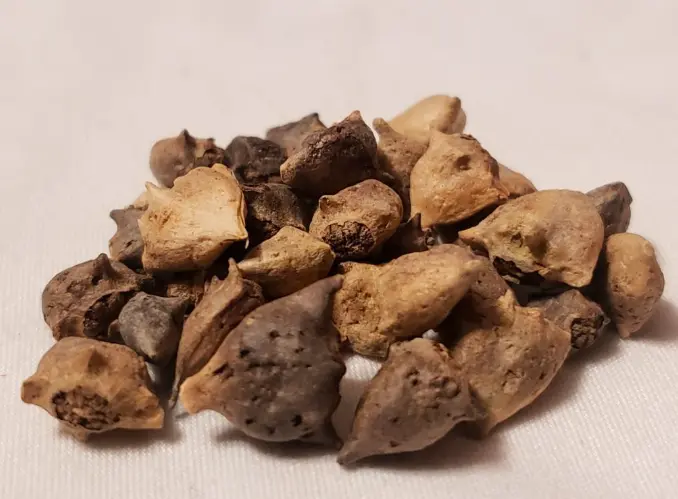
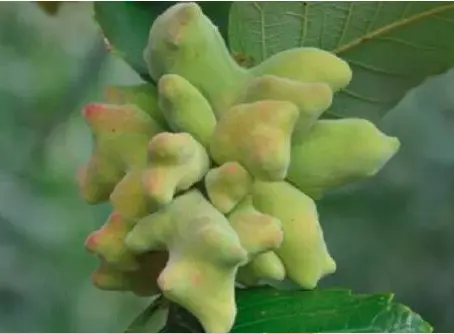
Tannic acid, also known as tannin, is a natural polyphenolic compound extracted and purified from plant galls, bark and fruits through advanced extraction and refining processes. Tannic acid features prominent properties including astringency, antioxidant, antibacterial and deodorant effects.
CAS No.: 1401-55-4
Molecular Formula: C76​H52​O46​
Molecular Weight: 1701.2
Solubility: Freely soluble in water and ethanol, slightly soluble in acetone
Extraction: Water extraction, purification, crystallization
Main Specifications:
Tannic acid 80%
Brownish yellow powder, Industrial Grade

Tannic acid 93%, 96%, 98%
Light brownish yellow powder, Food Grade, The water solution is clear without any precipitation
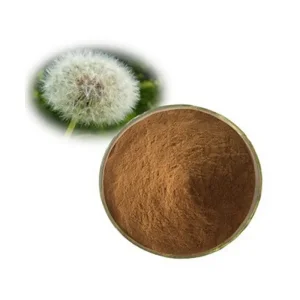
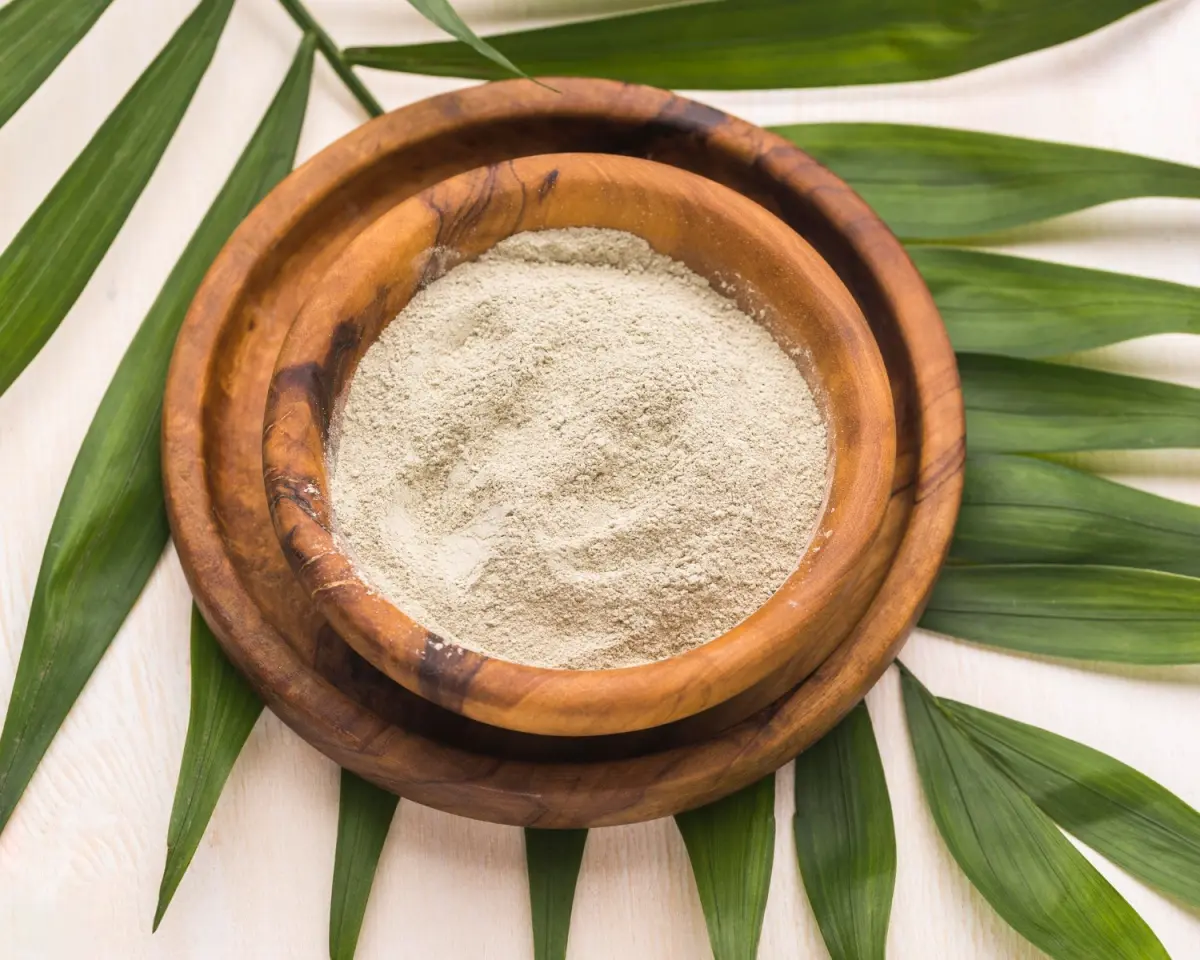
Galla Chinensis Extract Tannic Acid Powder

Usage of tannic acid products

Tannic Acid Application
Used as a food antioxidant.
Used as a viscosity reducer and filter loss reducer for water-based drilling fluids.
Used for leather tanning.
For skincare products, it can prevent sun damage and brighten the skin.
Clinically used to treat local bleeding, it can be used for toothpaste teeth protection and to prevent gum bleeding.
Used as a clarifying agent for low alcohol liquor and fruit wine.
Used for chromium free passivation of galvanized coatings.

What is the function of Tannic acid?

Tannic acid, a natural polyphenolic compound, exhibits diverse biological activities. Its core benefits include:
1. Antibacterial and Antiviral Effects: It inhibits various bacteria, fungi, and viruses (e.g., influenza and herpes viruses) by disrupting pathogen cell membranes or suppressing enzymatic activity.
2. Anti-Inflammatory and Antioxidant Properties: It reduces the release of inflammatory factors, alleviating redness, swelling, and pain while scavenging free radicals to mitigate oxidative stress and protect cellular health.
3. Astringent and Hemostatic Actions: It promotes protein coagulation, constricts blood vessels, and accelerates wound healing, often used for superficial injuries.
Biological Properties of Tannic Acid
4. Tumor Suppression: Studies indicate it can induce cancer cell apoptosis and block tumor angiogenesis, showing potential as an adjunct antitumor agent.

Additionally, it helps improve gut microbiota balance and inhibits fat absorption.
Application area of Tannic acid

Tannic acid is widely utilized across multiple industries:
Applications of Tannic Acid
1. Pharmaceuticals: Used as a hemostatic agent, antimicrobial ingredient (e.g., in ointments and mouthwashes), and antiviral drug component, also treating diarrhea and oral ulcers.
2. Food Industry: Serves as a natural preservative (inhibiting microbes), clarifying agent (e.g., in beer and juice processing), and flavor enhancer in alcoholic beverages.
3. Cosmetics: Incorporated into skincare products (pore-tightening, oil-control, anti-acne) and sunscreens (antioxidant and UV protection).
4. Textiles and Dyes: Functions as a mordant to fix dyes and improve color fastness, and is used in leather tanning (softening and durability).
5. Environmental and Agricultural Uses: Treats industrial wastewater (precipitating heavy metals) and serves as a pesticide additive (suppressing pests and pathogens). Its natural properties align with green sustainable development trends.

Product specification of Tannic acid

ANALYSIS SPECIFICATION
Appearance Brown to light brown powder
Odor Characteristic
Tasted Characteristic
Sieve Analysis NLT 95% pass 80 mesh
Moisture ≤10%
Tannic acid ≥80%/93%/96%
Total Heavy Metal ≤10ppm
Pb ≤3ppm
As ≤2ppm
Cd ≤1.0ppm
Hg ≤0.1ppm
Total Plate Count ≤10,000cfu/g
Yeast & Mold ≤1,000cfu/g
Enterobacteriae ≤10cfu/g
E.coli Absent in 10g
Salmonella Absent in 25g

Frequently Asked Questions

What are the primary sources of Tannic Acid?
Tannic acid is a natural polyphenolic compound that is extracted and purified from plant galls, bark, and various fruits using advanced extraction and refining technologies.
What grades and specifications of Tannic Acid are available?
The key specifications include Tannic Acid 80% (Industrial Grade, brownish yellow powder) and Tannic Acid 93%, 96%, and 98% (Food Grade, light brownish yellow powder, which dissolves clearly in water without precipitation).
How does Tannic Acid benefit skincare formulations?
Tannic acid offers strong antioxidant, pore-tightening, oil-control, and anti-acne properties. It also acts as a barrier to prevent sun damage and naturally brightens the skin.
Is Tannic Acid safe for use in the food and beverage industry?
Yes, Food Grade Tannic Acid is widely used as a natural food preservative, an antioxidant, and as a clarifying agent for processing low-alcohol liquors, beers, and fruit juices.
What industrial applications use Tannic Acid?
Tannic acid is extensively used in leather tanning, as a dye mordant in textiles to improve color fastness, in water-based drilling fluids to reduce viscosity, and in wastewater treatment to help precipitate heavy metals.
What are the main biological activities of Tannic Acid?
It exhibits powerful antibacterial and antiviral properties, functions as an anti-inflammatory and antioxidant agent, aids in wound healing through astringent and hemostatic actions, and assists in maintaining gut health.

Related Products