 Andy Biotech
1 / 3
| Quercetin Technical Data Sheet | |
|---|---|
| Sense Index | |
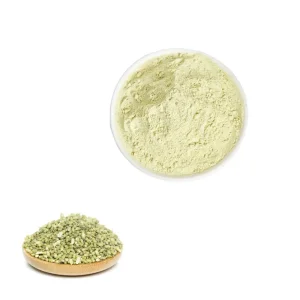
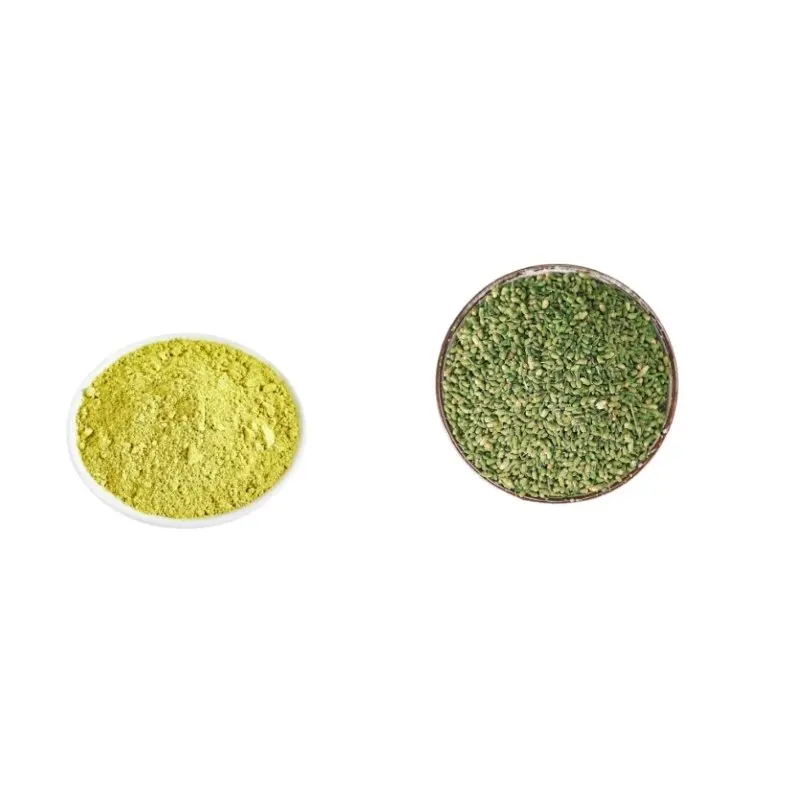
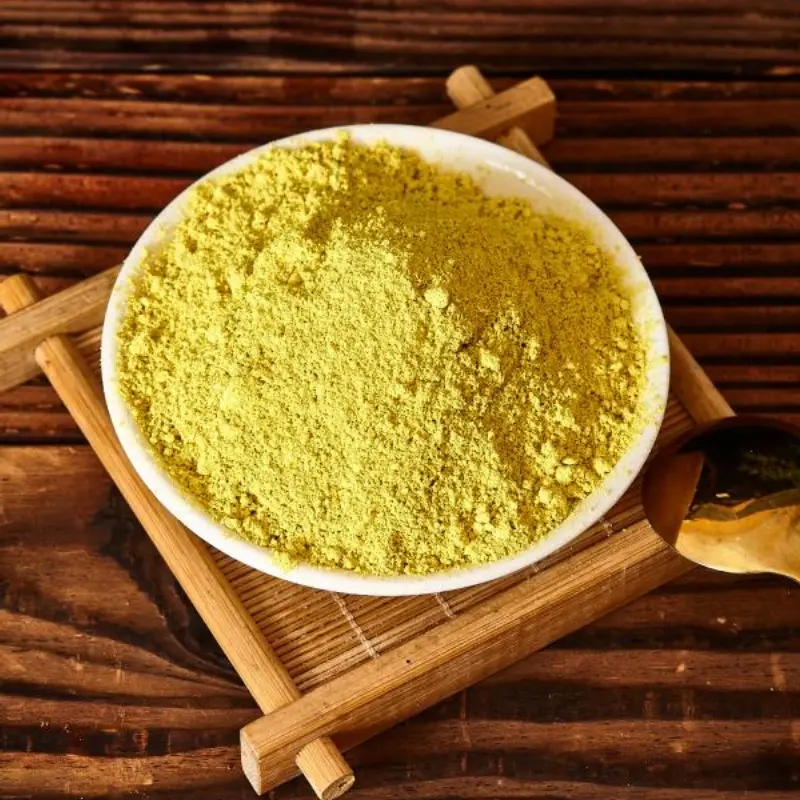
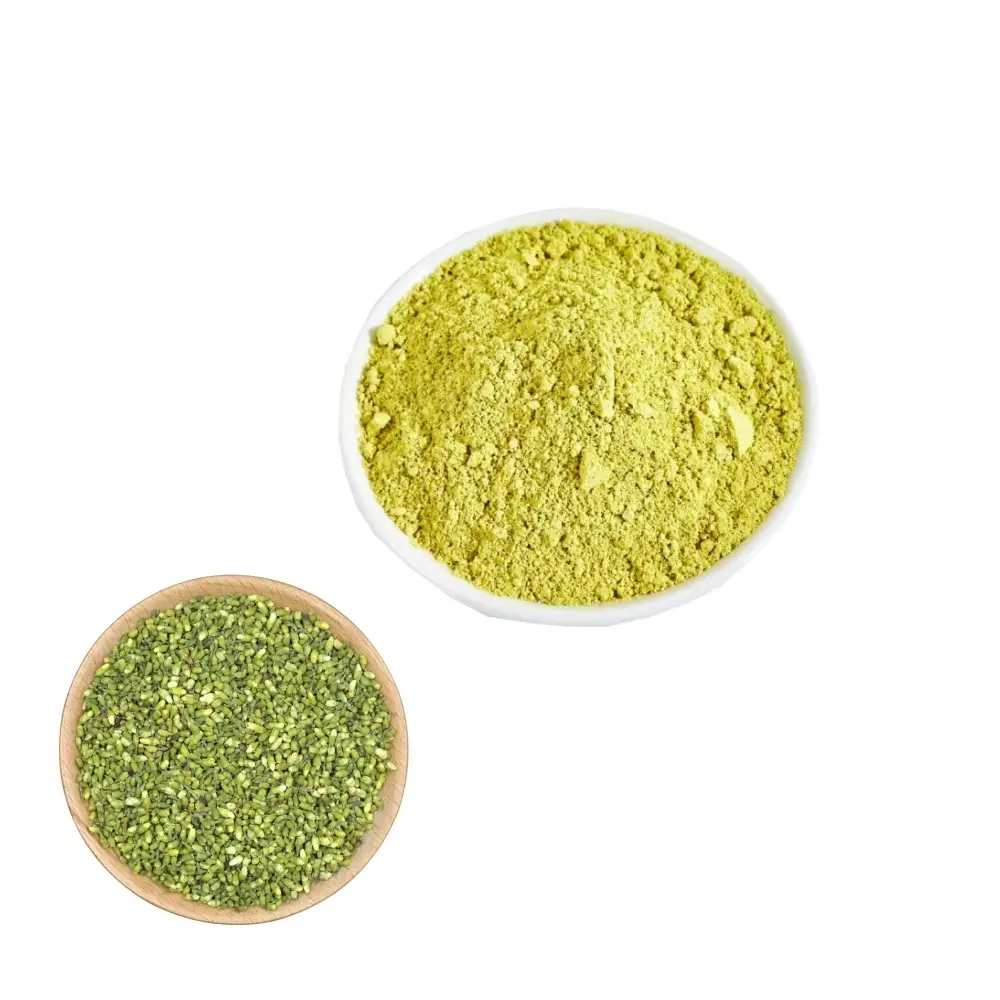
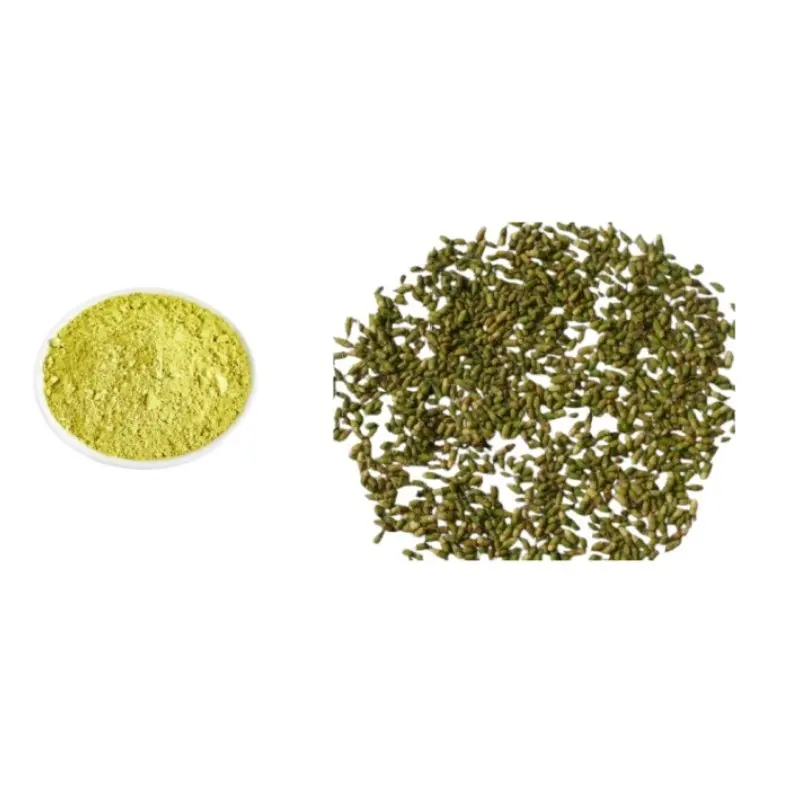
| Appearance | Yellow-green powder |
| Odor & Taste | Characteristic |
| Physical-chemical Index | |
| Quercetin (HPLC) | 95% Quercetin Min |
| Particle Size | 98% pass 80 mesh |
| Loss on drying | 12% Max |
| Ash | 5% Max |
| Heavy metals | 10ppm Max |
| Lead | 2ppm Max |
| Arsenic | 2ppm Max |
| Mercury | 0.1ppm Max |
| Cadmium | 1ppm Max |
| Hygienic Index | |
| Total plate count | 1,000cfu/g Max |
| Mold & yeast | 100cfu/g Max |
| Enterobacteriae | 10cfu/g Max |
| E.Coli | Absent in 10g |
| Salmonella | Absent in 25g |
| General Info & Storage | |
| Statements | Non-Irradiated, Non-GMO |
| Packaging | 1kg/aluminium foil bag, 25kg/drum (37*37*50cm) |
| Shelf Life | 24 months stored in original packaging away from the light, and under the optimal temperature 10~25℃. |
Free radicals are produced by the body during metabolism and are among the causes of many diseases. They can cause cell membrane damage and gene mutation, accelerate aging of the body, and induce various diseases, such as heart disease, liver damage, and diabetes.
Hanasaki et al. found that quercetin is the most effective free radical scavenger in the flavonoid family. By investigating the chemical structure of quercetin, it was found that there are four hydroxyl groups on the benzo-dihydropyran ring of the polyphenol, so quercetin has a strong antioxidant capacity, can eliminate free radicals produced in the body, and can help the body maintain a stable state.
Studies have shown that quercetin has broad-spectrum antibacterial properties; it not only has a good inhibitory effect on bacteria but also has a significant inhibitory activity on fungi.
According to current research, the antibacterial mechanism of quercetin mainly includes destroying the cell wall of bacteria and changing the cell permeability, affecting protein synthesis and expression, reducing enzyme activities, and inhibiting nucleic acid synthesis. In addition, quercetin can prevent bacterial adhesion, inhibit quorum sensing pathways, and destroy or change the plasmid.
Many studies have shown that quercetin can exert antitumour effects through various mechanisms, which has been confirmed in various tumour in vivo and in vitro models.
Quercetin can significantly prevent the cell cycle, promote cell apoptosis, and inhibit blood vessel generation and transfer. Quercetin can affect the cancer cell apoptosis pathway and induce tumour cell death. Experiments have shown that a reasonable dose of quercetin can increase the expression of proapoptotic protein and reduce the expression level of antiapoptotic protein.
Quercetin has been confirmed to be a long-acting anti-inflammatory substance in flavonoids. Both in animal and in human models, quercetin can show significant anti-inflammatory potential in different cell types.
The plant extract of quercetin is used as the main component of many potential antiallergic drugs. Compared with Cromolin (the antiallergic drug disodium cromoglycate), its ability to inhibit IL-8 is stronger and can inhibit IL-6 and increase cytosolic calcium levels. Its anti-inflammatory and antiallergic properties have been validated in the treatment of respiratory and food allergies.
In addition to a wide range of biochemical and pharmacological activities, quercetin has been repeatedly shown to exert anti-inflammatory effects on endothelial and monocyte/macrophage systems in vitro.
Li et al. conducted experiments in different animal models and found that quercetin inhibited the production of tumour necrosis factor alpha (TNF-α) induced by lipopolysaccharide (LPS) in macrophages and lung A549 cells LPS-induced IL-8 production. Furthermore, it has even been shown in glia cells that quercetin can suppress LPS-induced mRNA levels of TNF-α and interleukin- (IL-) 1α: neuronal cell death is also reduced. Quercetin can inhibit the enzymes that produce inflammation (cyclooxygenase (COX) and lipoxygenase (LOX)).
Quercetin exerts beneficial effects on cardiovascular diseases, such as hypertension, atherosclerosis, ischemia-reperfusion injury, or cardiotoxicity, which are closely associated with the anti-inflammatory and antioxidant properties of quercetin.
The protective mechanism of quercetin on the cardiovascular system includes:
Edwards et al. found that, among patients with stage 1 hypertension, those who took 730mg of quercetin for 28 days had a decrease in their systolic, diastolic, and mean arterial pressure. Quercetin presents significant heart-inhibiting effects on LDL oxidation and endothelium-dependent vasodilation and reduces the effects of adhesion molecules and other inflammation markers.
In addition, a study showed that quercetin (10mg/kg) orally administered to rats for seven consecutive days protected them from experimental myocardial infarction. Kleemann et al. demonstrated that quercetin could downregulate the expression of C-reactive protein and cardiovascular risk factors (SAA, fibrinogen) in mice. These results indicated that quercetin might have cardiovascular protective effects.
According to multiple studies, quercetin can alleviate the toxicity of mycotoxins. Quercetin alleviates mycotoxin toxicity due to its antioxidant and anti-inflammatory properties.
Aflatoxin B1 (AFB1) is a common mycotoxin found in feed, which has a variety of toxic effects. The neurotoxicity of AFB1 can lead to memory disorder. Quercetin plays a preventive role in antioxidant stress by promoting the antioxidant defence system and limiting lipid peroxidation.
This is consistent with the effect of quercetin on behavioural and cognitive impairment in a Parkinson's disease model and a chronic cerebral ischemia model. Quercetin can significantly reduce the synthesis of AFB1. Quercetin is a safe, natural antioxidant and can be used in animal feed.
Quercetin has broad applications in pharmaceuticals, food, and health products.