 Andy Biotech
1 / 1
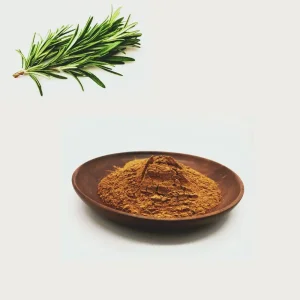
| Rosemary Extract Technical Data Sheet | |
| Sense Index | |
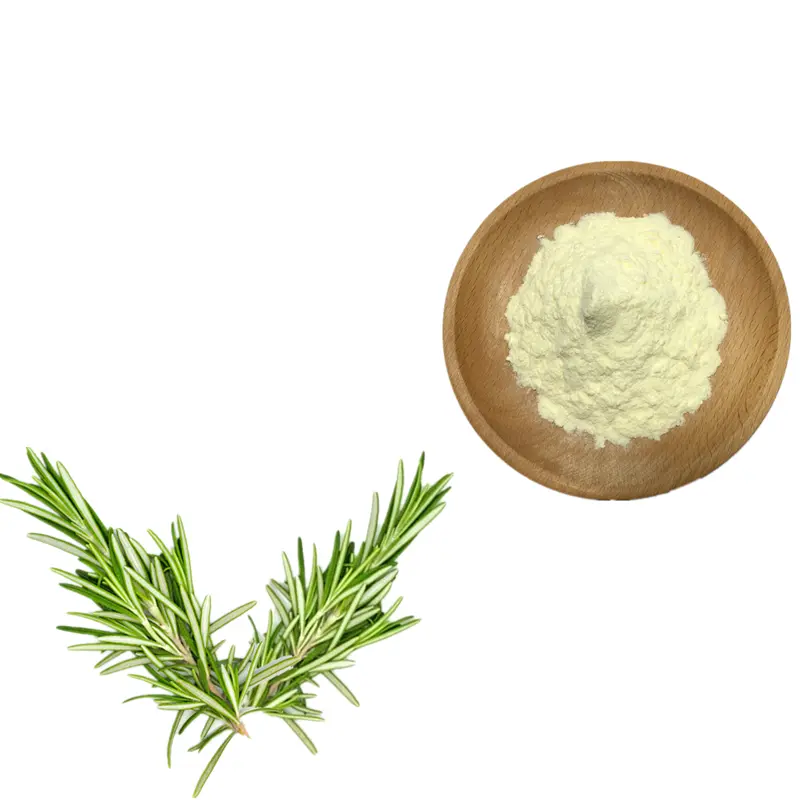
| Appearance | Light yellow powder |
| Odor & Taste | Characteristic |
| Physical-chemical Index | |
| Ursolic acid (HPLC) | 20%-98% |
| Particle Size | 98% pass 80 mesh |
| Loss on drying | 5% Max |
| Ash | 5% Max |
| Heavy metals | 10ppm Max |
| Lead | 2ppm Max |
| Arsenic | 2ppm Max |
| Mercury | 0.1ppm Max |
| Cadmium | 1ppm Max |
| Hygienic Index | |
| Total plate count | 1,000cfu/g Max |
| Mold & yeast | 100cfu/g Max |
| Enterobacteriae | 10cfu/g Max |
| E.Coli | Absent in 10g |
| Salmonella | Absent in 25g |
| Additional Info | |
| Statements | Non-Irradiated, Non-GMO |
| Packaging | 1kg/aluminium foil bag, 25kg/drum (37*37*50cm). |
| Shelf Life | 24 months stored in original packaging away from the light, and under the optimal temperature 10~25℃. |
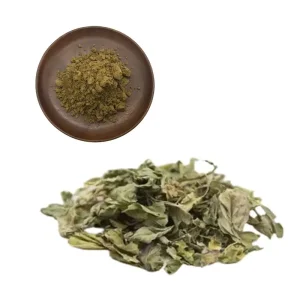
Rosemary extract is a natural active ingredient derived from the leaves of the rosemary plant (Rosmarinus officinalis L.), a member of the Lamiaceae family. It is typically prepared using modern techniques such as supercritical CO₂ extraction, water extraction, or alcohol extraction. Its core active compounds include carnosic acid, carnosol, rosmarinic acid, ursolic acid, and essential oils, characterized by a strong herbal aroma and excellent antioxidant properties. Rosemary has a long history of use in traditional medicine and cuisine in the Mediterranean region. Modern industry ensures the stability of its active components through standardized extraction technologies, making it widely applicable in the food, cosmetics, and health product industries as a significant source of natural antioxidants.
The core efficacy of rosemary extract stems from its potent antioxidant and antibacterial capabilities. Its high content of phenolic compounds (e.g., carnosic acid) effectively scavenges free radicals, inhibits lipid peroxidation, and delays food spoilage and cellular aging. Its anti-inflammatory effects help alleviate joint pain and skin inflammation. Studies show it also promotes blood circulation, enhances memory, and improves focus, traditionally used for mental alertness. Additionally, rosemary extract exhibits broad-spectrum antibacterial properties, inhibiting various pathogens, while demonstrating potential for liver protection, antitumor activity, blood sugar regulation, and neuroprotection, making it a versatile natural plant-based bioactive component.
Rosemary extract is primarily used as a natural antioxidant and preservative in the food industry to extend the shelf life of oils, meat products, and snacks. In the health product sector, it is formulated into capsules or tablets for antioxidant, anti-inflammatory, or cognitive-enhancing purposes. The cosmetics industry incorporates it into anti-aging skincare products, anti-hair loss shampoos, and hair care products. In the feed industry, it serves as an antioxidant additive for animal feed. In pharmaceutical research, it is studied as a candidate component for anti-inflammatory, neuroprotective, or anticancer drugs. In recent years, its applications have also expanded to natural preservative alternatives, sports nutrition products, and oral care products.